Firewood & Fuel
Best Log Splitter For Firewood Processing
Discover the top 7 best log splitters for firewood processing with our fresh, hands-on guide. Find the perfect tool to make your wood splitting easier.
Firewood, pellets, kindling, and fire starter guides for buying, drying, storing, and cleaner burning.
Discover the top 7 best log splitters for firewood processing with our fresh, hands-on guide. Find the perfect tool to make your wood splitting easier.
Discover the top 7 best log splitters for chainsaws. Our fresh, hands-on guide helps you find the perfect fit for your needs.
Discover the 7 best firewood covers for outdoor storage. Our fresh, hands-on picks will help you protect your wood from the elements.
Discover the top 7 best kindling splitters for kindling. Our fresh, hands-on guide helps you find the perfect tool for easy fire prep.
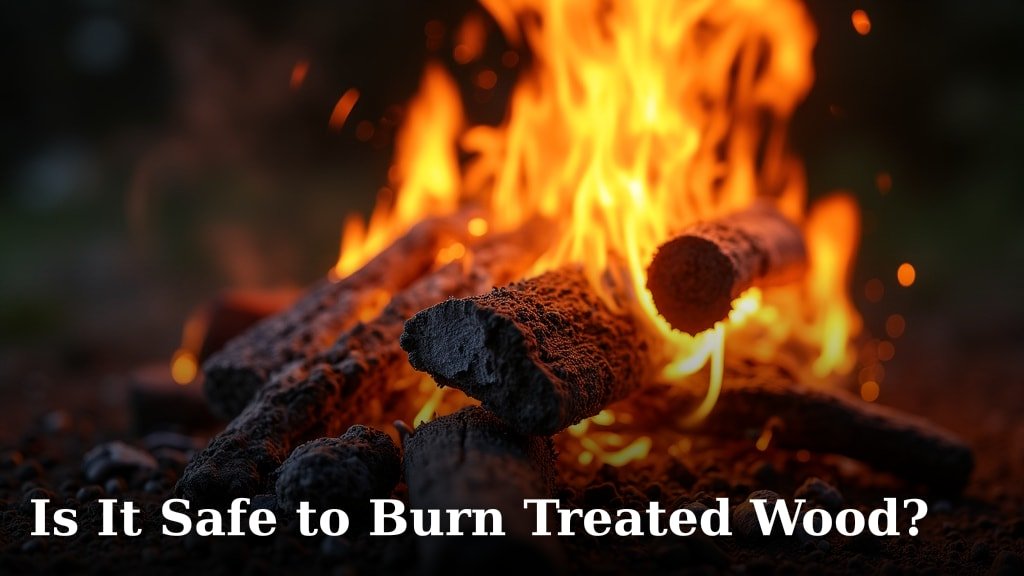
Learn if it is safe to burn treated wood. Discover the risks, the chemicals involved, and what you need to know for safe disposal.
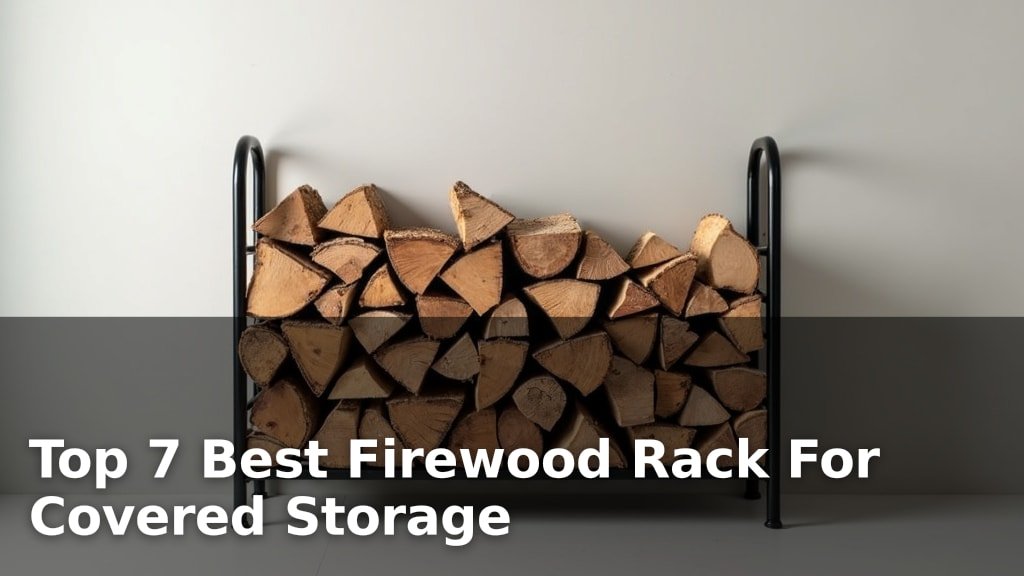
Discover the top 7 best firewood rack options for covered storage. Our fresh, hands-on picks help you keep your wood dry and organized all season long.
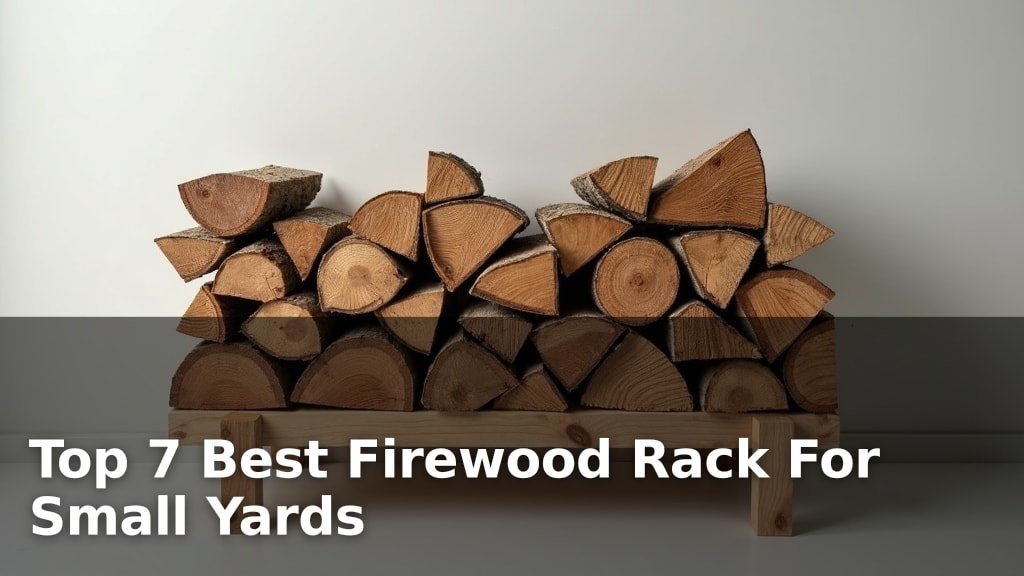
Discover the top 7 best firewood rack options for small yards. Our fresh, hands-on guide helps you find the perfect storage solution.
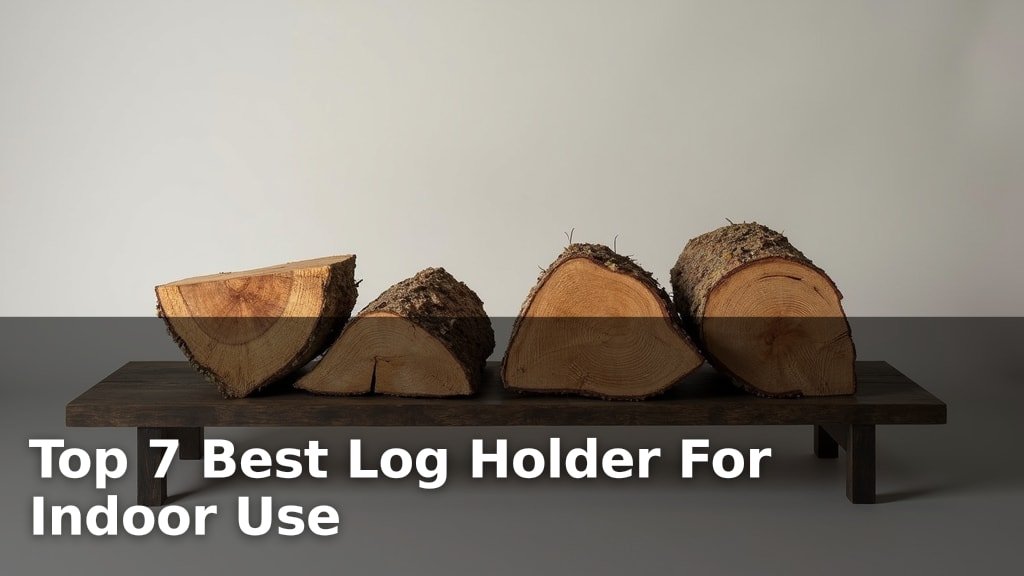
Discover the top 7 best log holders for indoor use. Our fresh, hands-on review helps you find the perfect stylish and practical storage for your fireplace.
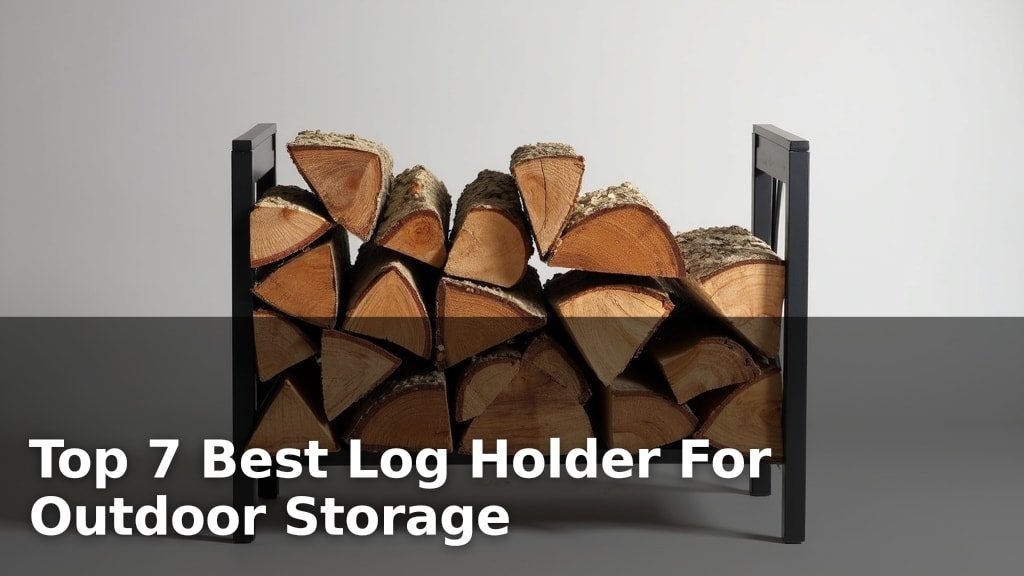
Compare log holder options for outdoor storage, including capacity, frame design, and weather protection. Find a size that keeps firewood stacked and.
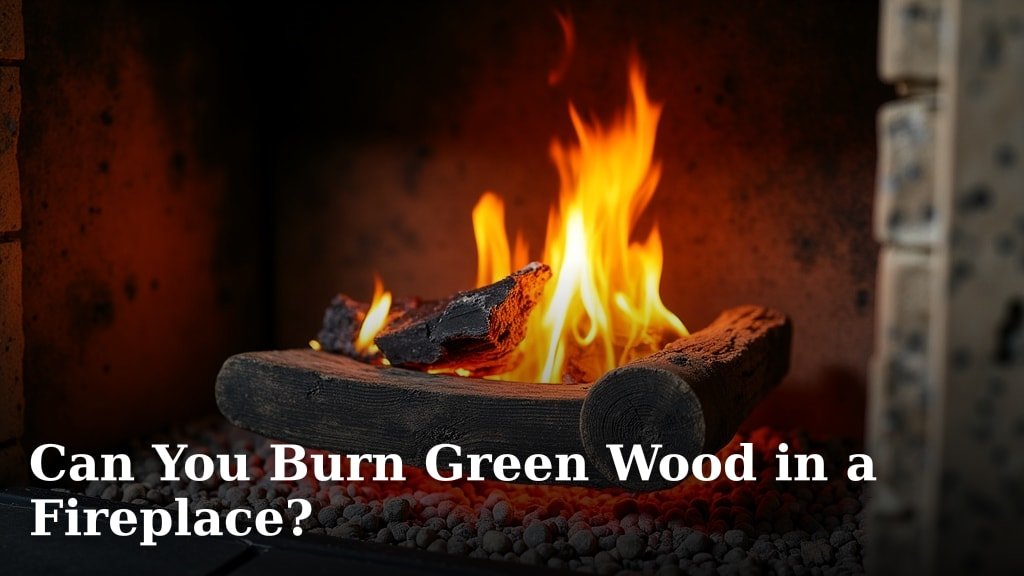
Burning green wood in your fireplace? Learn why it's a bad idea and the risks involved to keep your home safe and efficient.
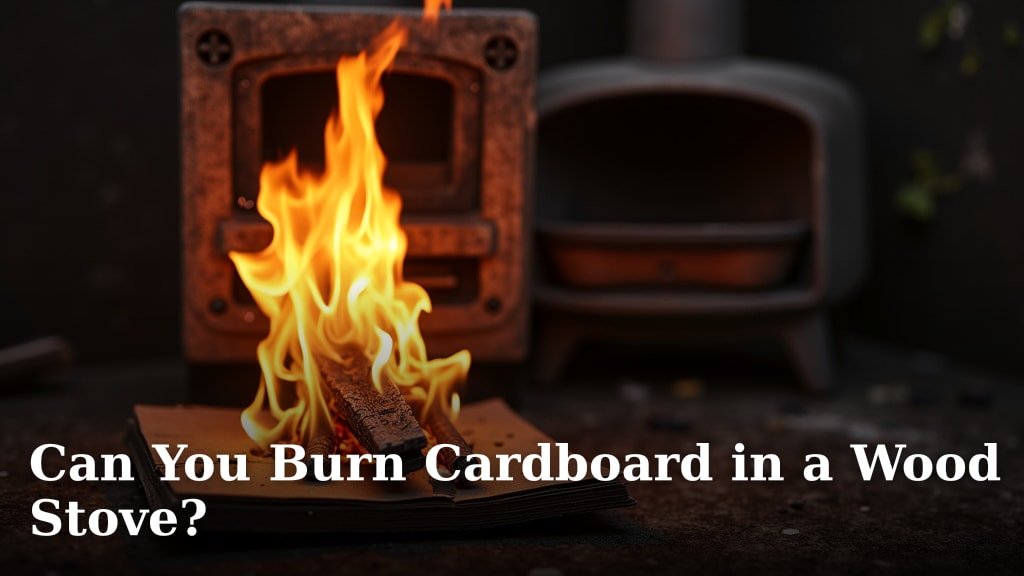
Learn if you can burn cardboard in a wood stove and discover the safety, environmental, and efficiency considerations to help you decide.
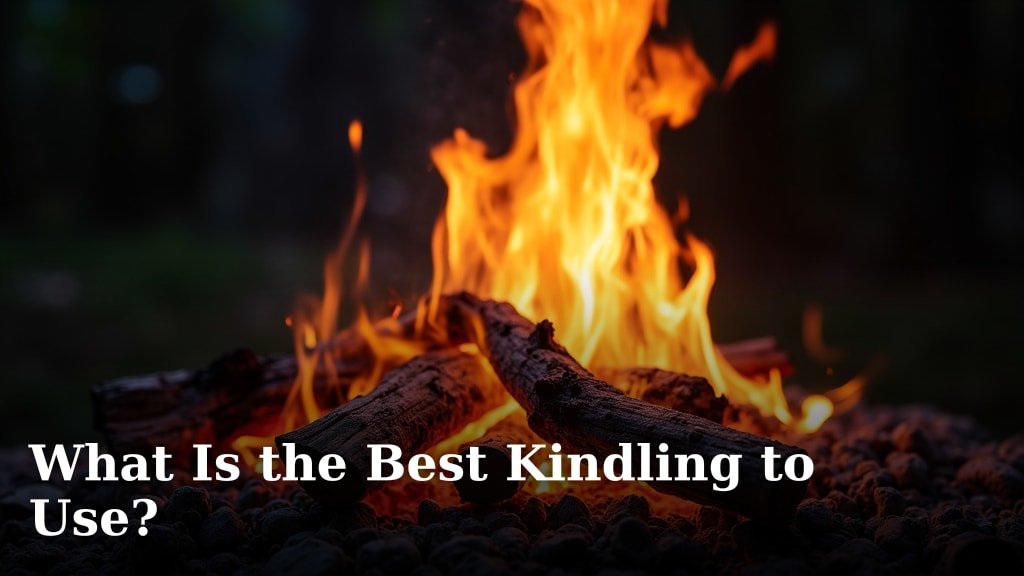
Discover the best kindling to use for a successful fire. Learn about effective materials and how to choose the right ones for a quick start.
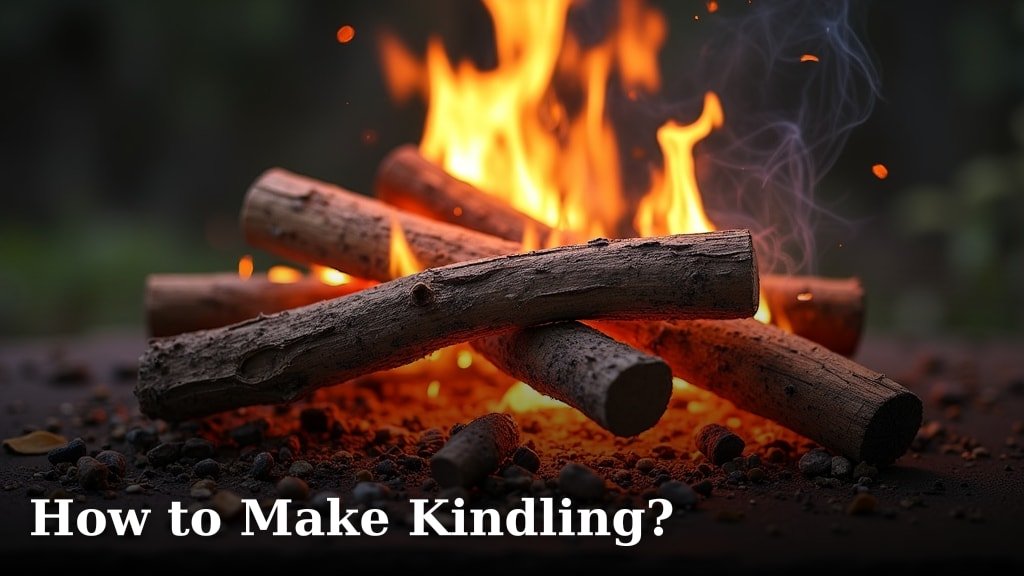
Learn how to make kindling efficiently for your next campfire or fireplace. Discover easy methods to prepare tinder for a successful fire.
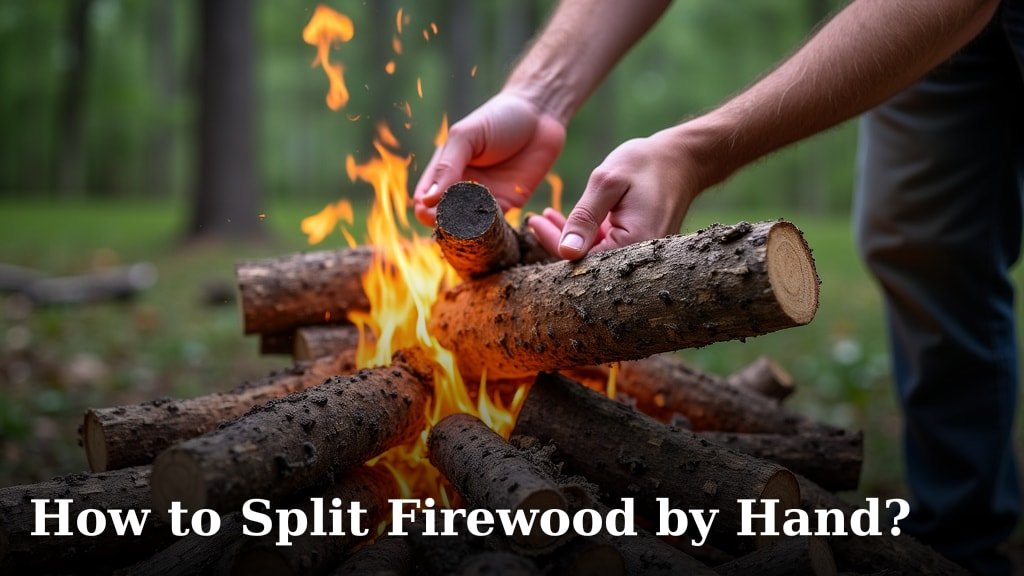
Learn how to split firewood by hand with essential techniques, safety tips, and the right tools for efficient wood splitting.
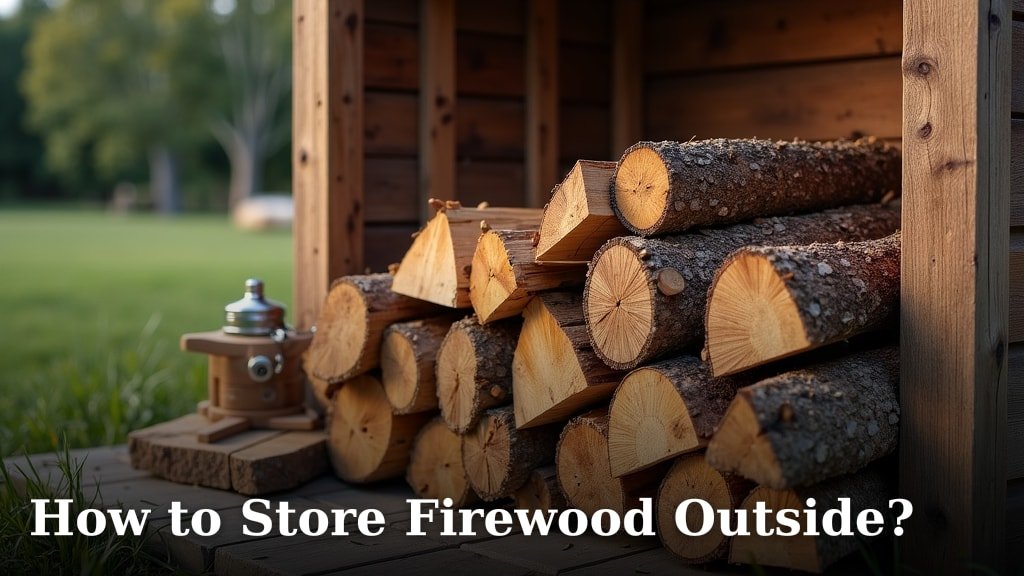
Learn how to store firewood outside effectively to keep it dry, protect it from pests, and ensure a ready supply for your next fire.
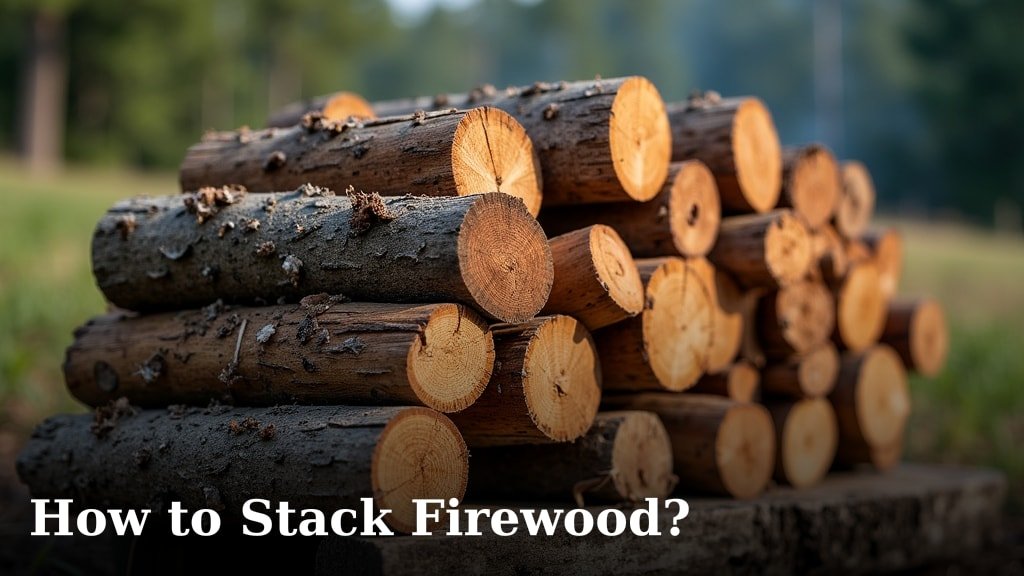
Learn how to stack firewood efficiently for optimal drying and storage. Discover the best methods to keep your woodpile organized and ready for winter.
Is your firewood ready to burn? Learn the signs of properly seasoned wood for a hotter, cleaner fire. Discover how to tell when it's ready.
Learn what firewood to avoid burning for a safer, cleaner fire. Discover the types of wood that can damage your chimney and health.
Understand firewood delivery costs. Learn about factors influencing price, from quantity to distance, to find the best value for your needs.
Discover if it's safe to burn wood pallets. Learn about potential toxins and how to identify safer options for your fireplace or stove.
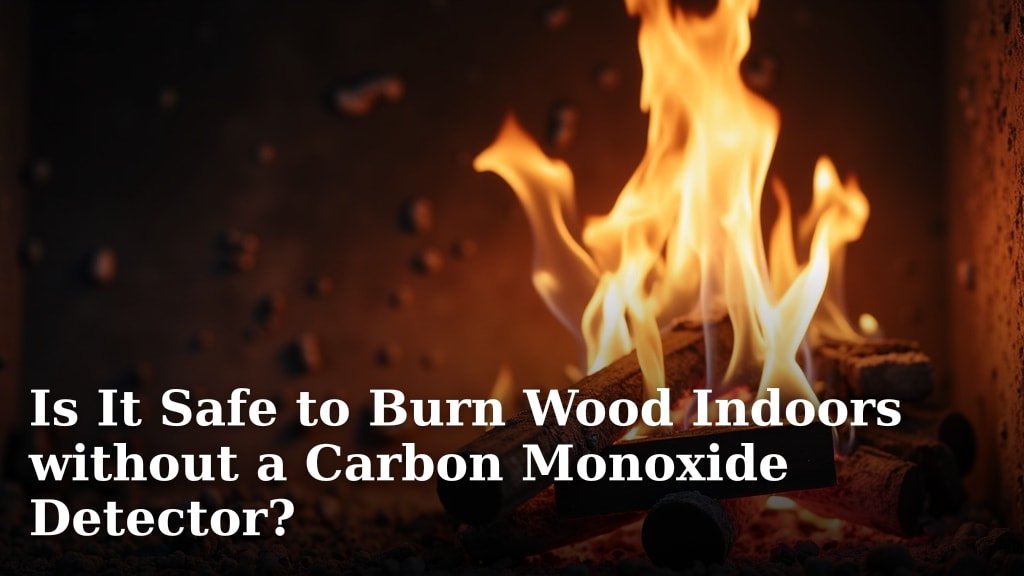
Learn whether it is safe to burn wood indoors without a carbon monoxide detector, what the risks are, and where alarms should be placed to help protect your.
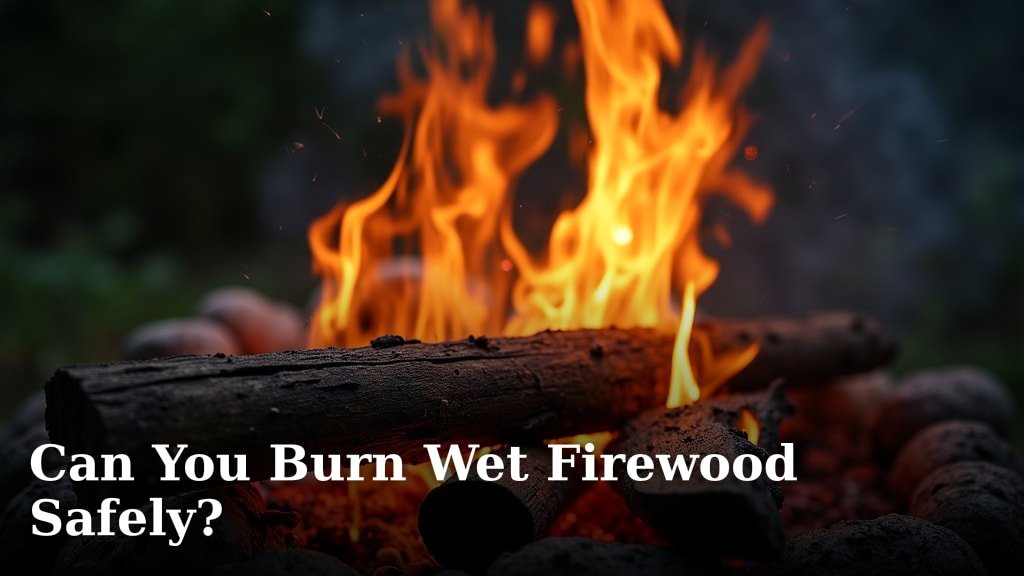
Can you burn wet firewood safely? Learn how damp logs affect smoke, heat, and creosote, plus how to check moisture and dry wood before using it in a stove.
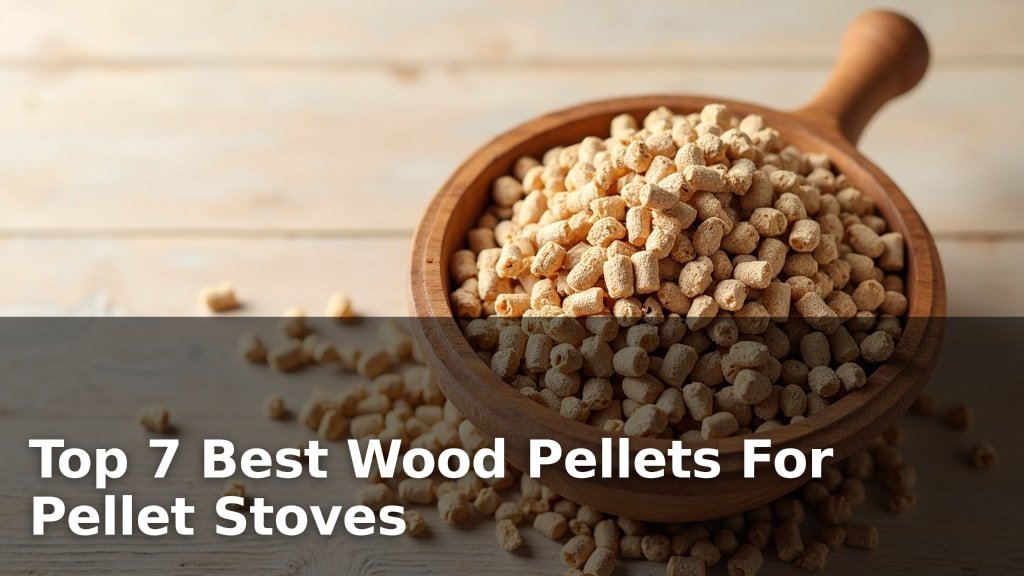
Discover the top 7 best wood pellets for pellet stoves in our fresh, hands-on guide to help you choose the perfect fuel for efficient heating.
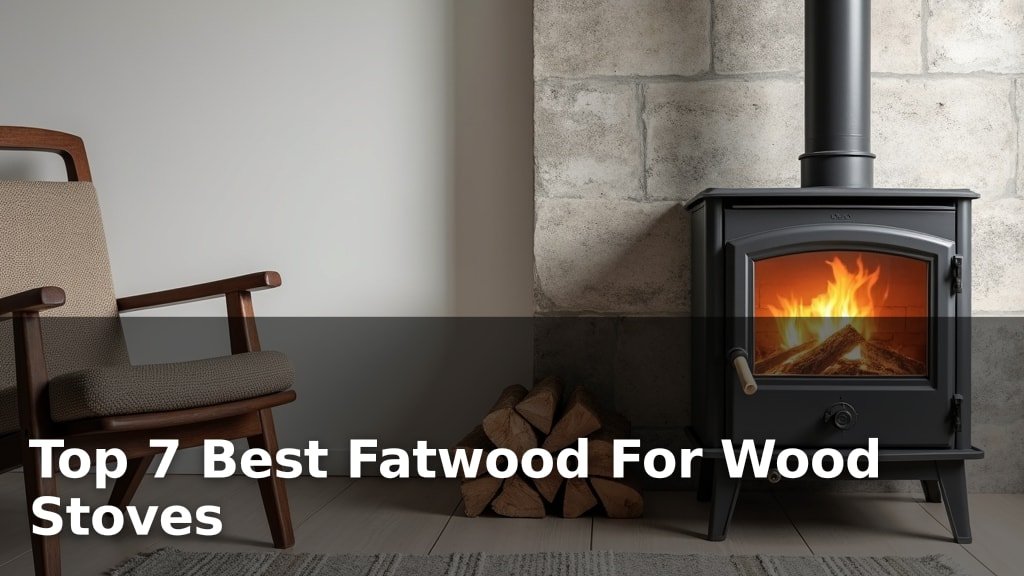
Discover the top 7 best fatwood for wood stoves. Our fresh, hands-on guide helps you find the perfect fire starter for a cozy home.

This roundup focuses on practical options that balance performance, usability, and value. Standout picks include Rutland Safe Lite Fire Starters, Melt Candle
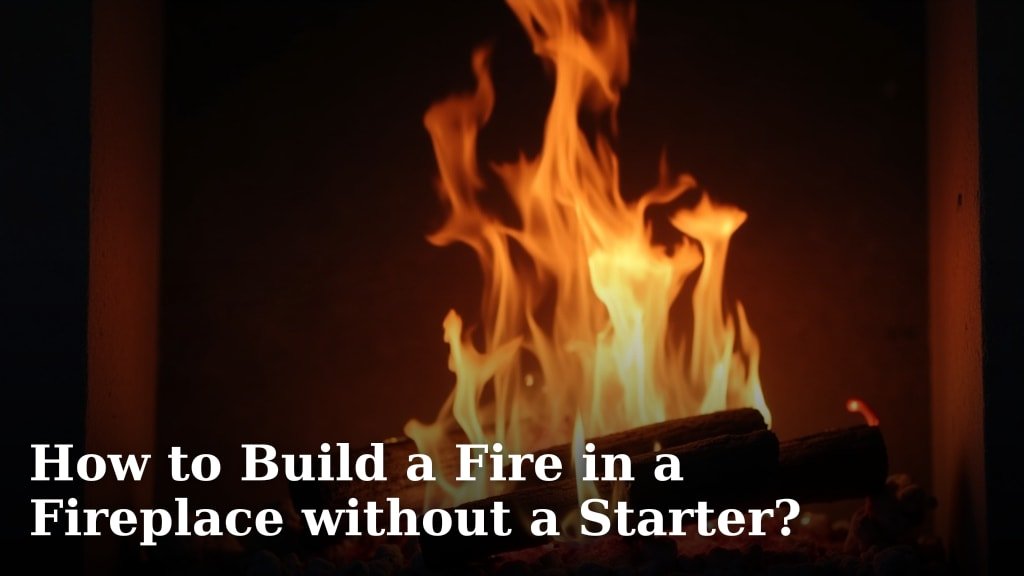
Learn how to build a fire in a fireplace without a starter using tinder, kindling, and dry firewood. Follow the stacking steps and airflow tips for a steady.
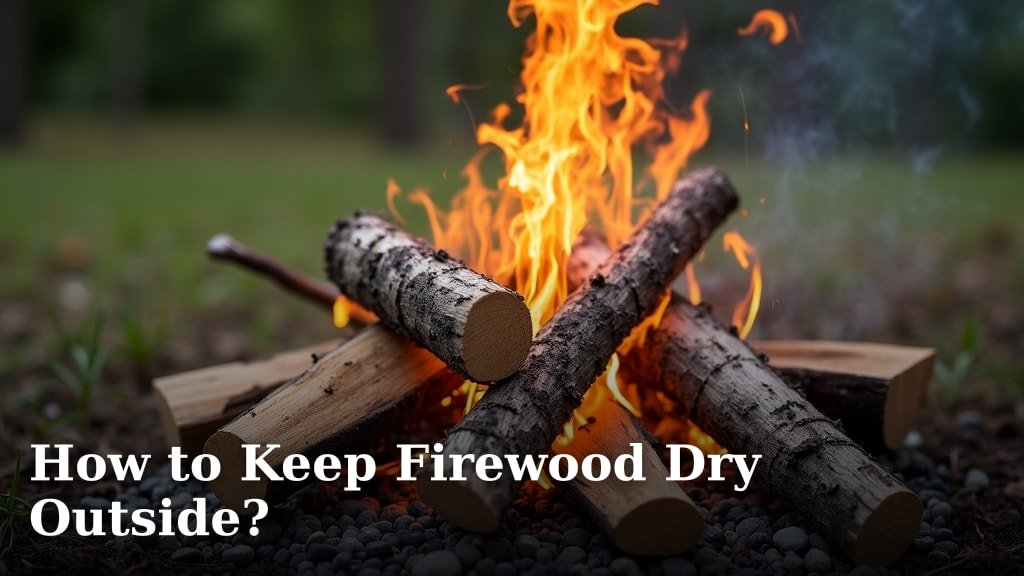
The key to keeping firewood dry outside is proper storage off the ground, covered and elevated. You need to stack it on a dry, level surface like a concrete

Discover the top 7 best firewood covers for wood stoves in our fresh, hands-on review. Keep your logs dry and ready for burning all season long.

Discover the 7 best kindling splitters for effortless firewood prep. Our hands-on review helps you pick the perfect tool for your needs.

Safely handle firewood with our top 7 best heat resistant gloves. Our fresh, hands-on picks protect your hands and make your fireside tasks easier.
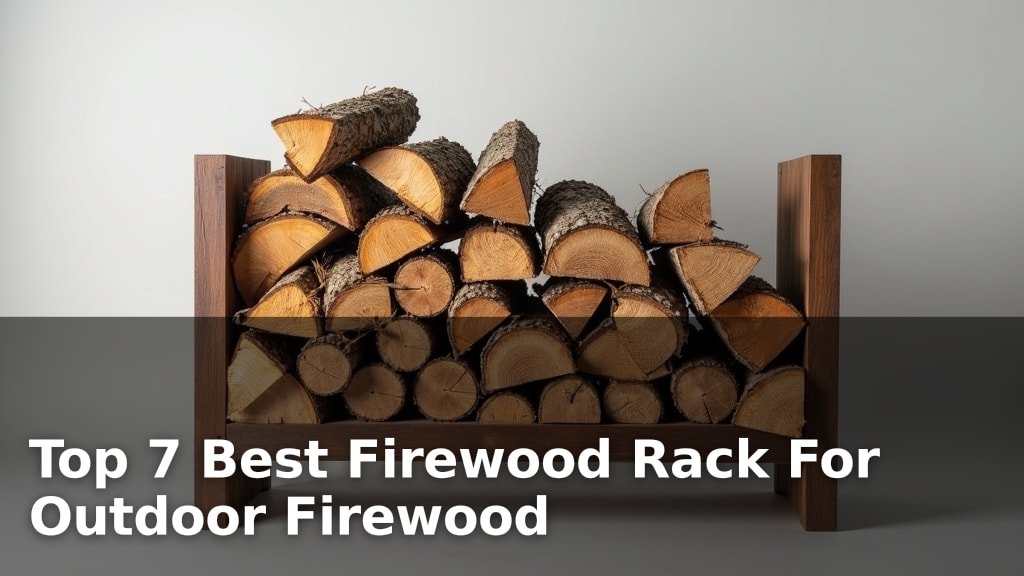
Find the best firewood rack for your outdoor space. Our top 7 picks, based on hands-on testing, will keep your firewood dry and organized.
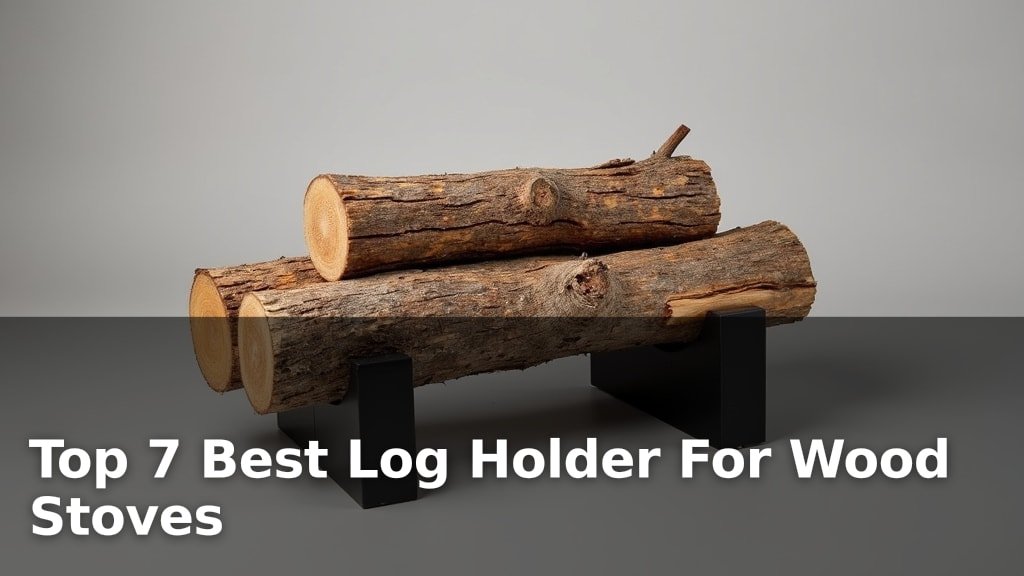
Discover the 7 best log holders for wood stoves in our hands-on review. Find the perfect, durable log holder to keep your firewood organized and accessible.
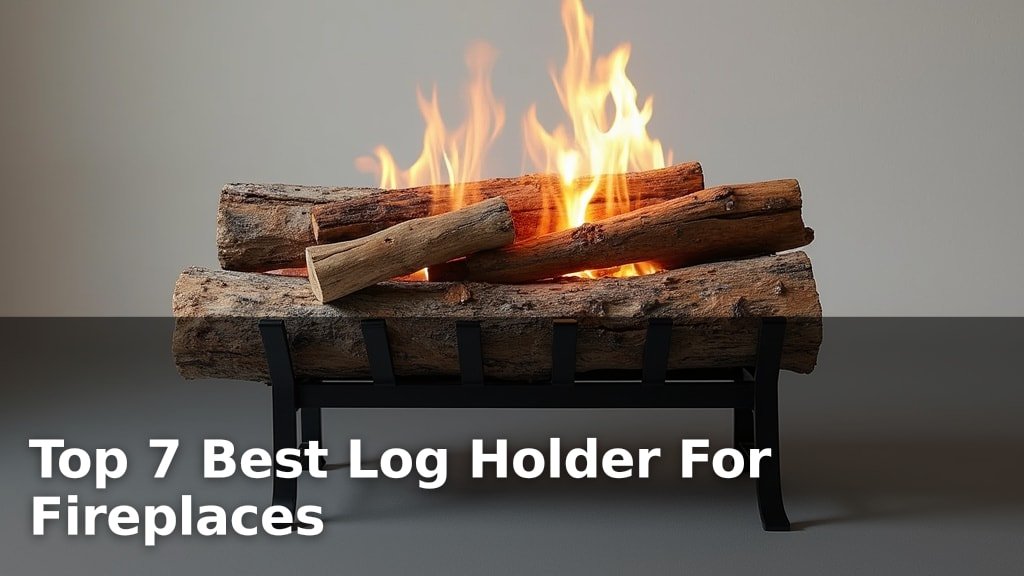
Discover the 7 best log holders for fireplaces. Our hands-on review helps you find the perfect, stylish, and practical solution for your hearth.
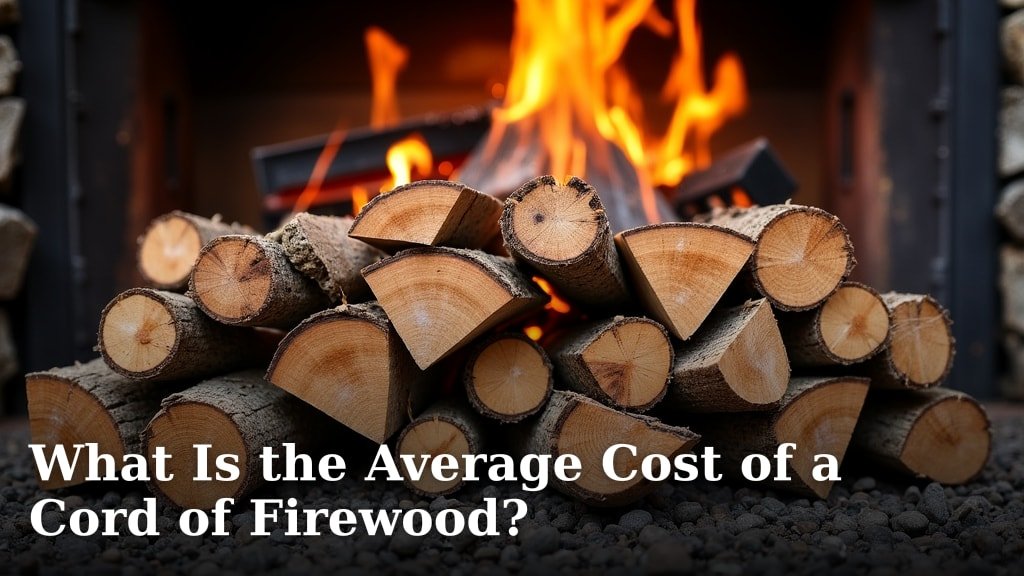
Curious about firewood prices? Discover the average cost of a cord of firewood, factors influencing it, and how to get the best deal.

Unsure if you need to season firewood? Learn why properly seasoned wood burns better, produces more heat, and keeps your fire safer.
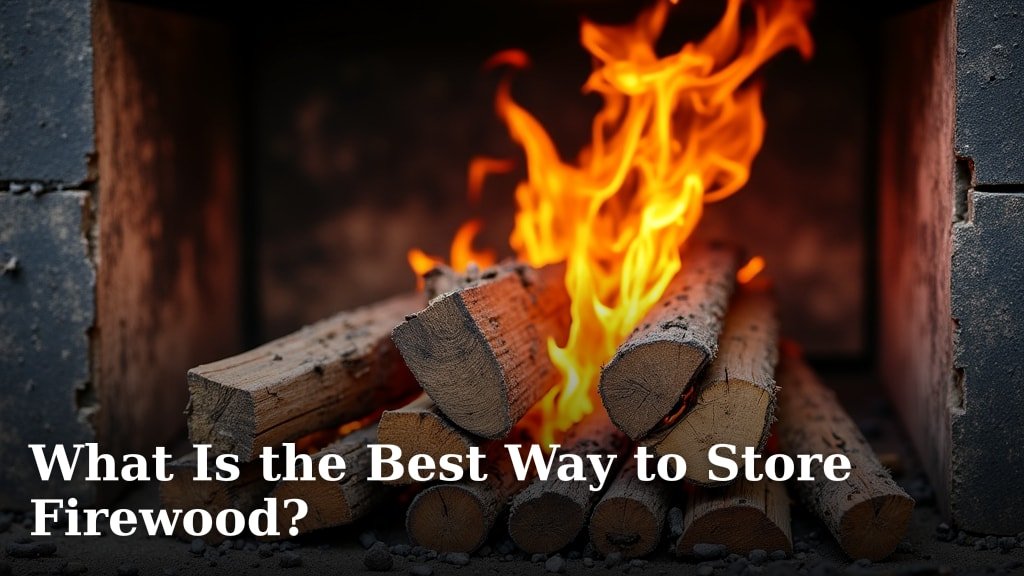
Learn the best way to store firewood for optimal burning. Discover expert tips on stacking, covering, and airflow to keep your wood dry and ready.
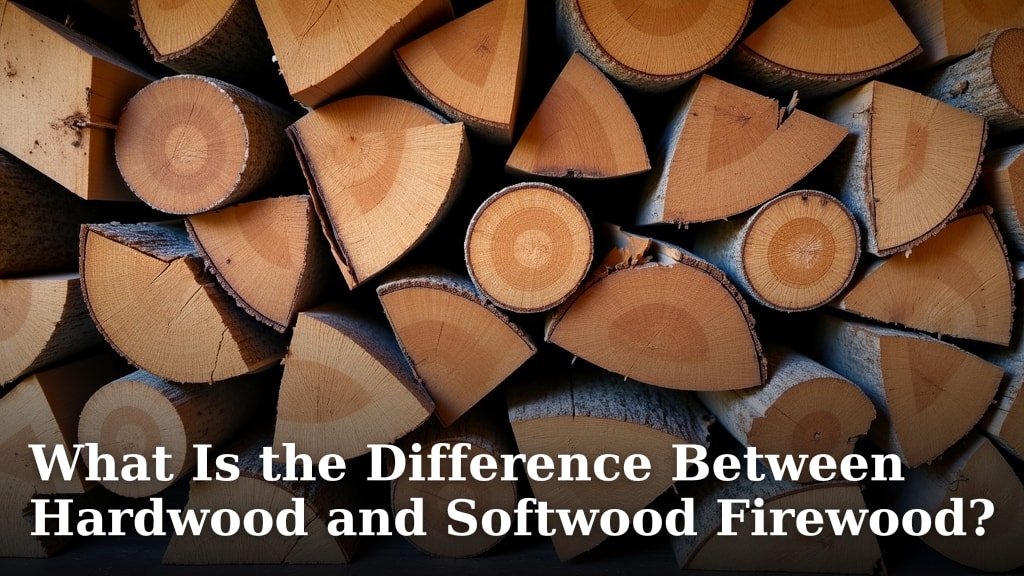
Discover the key differences between hardwood and softwood firewood, including burn time, heat output, and best uses, to choose the right wood for your fire.
Ensure efficient, clean burns. Learn how to test firewood moisture with simple methods and tools to optimize your burning experience.

Learn how to start a fire without lighter fluid using common household items. Discover safe, effective methods for your next campfire or emergency.
Discover how long it takes to season firewood properly for optimal burning. Learn key factors and tips to ensure your wood is ready for winter.
Discover what firewood burns the hottest for efficient heating. This guide helps you choose the best wood for a long-lasting, warm fire.
Discover what firewood burns the longest to maximize heat and minimize effort. Learn which woods are best for your fireplace or stove.

Discover the factors influencing how much a cord of firewood costs, from wood type to location. Find out what to expect for your heating budget.

Discover if you can burn wet wood in a wood stove and why it's not recommended. Learn the downsides and how to optimize your stove's performance.

Ignite your wood stove with ease! Discover the top 7 best fire starters, fresh picks from hands-on testing, to get your fire blazing every time.

Considering burning pallet wood in your stove? Learn the risks, benefits, and critical safety precautions to make an informed decision for your home.
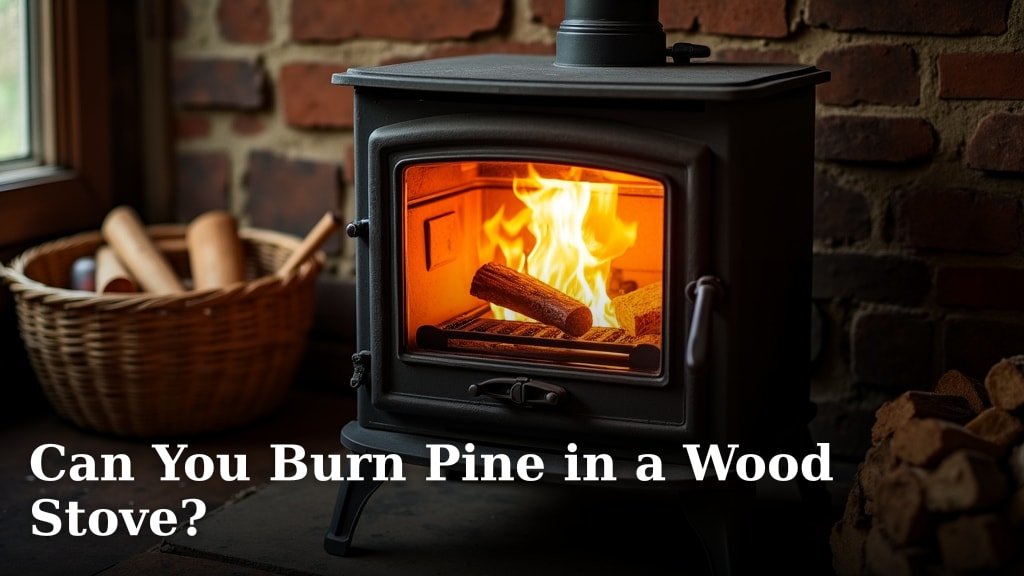
Wondering if you can burn pine in a wood stove? Discover the specifics of using pine, its pros and cons, and how to do it safely and efficiently.
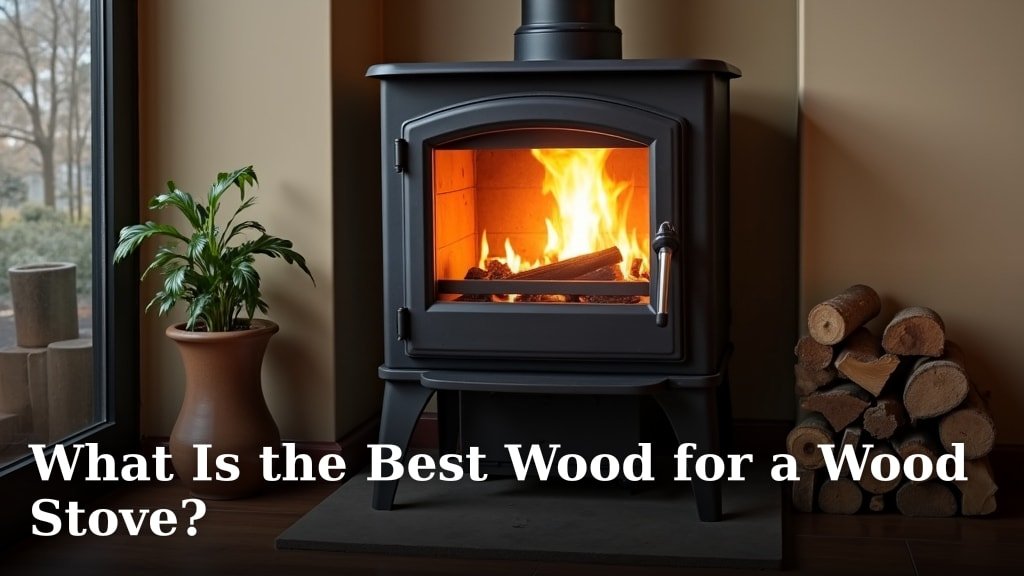
Burning wood? Discover the best wood for a wood stove to maximize heat output, minimize creosote, and make informed choices for efficient heating.
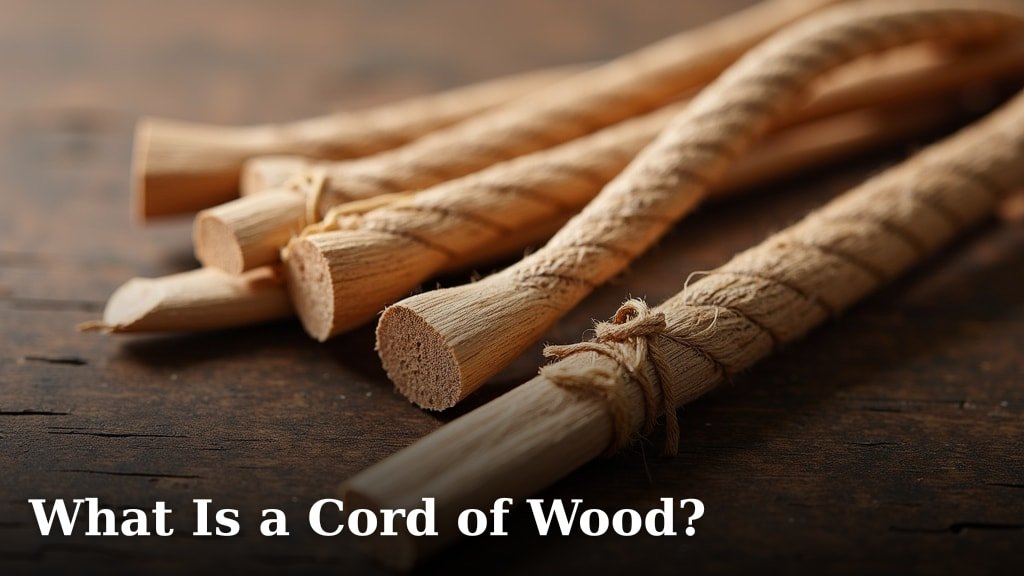
Unlock the mystery of a cord of wood! Learn its dimensions, how it's stacked, and what affects its value for smarter firewood purchases.
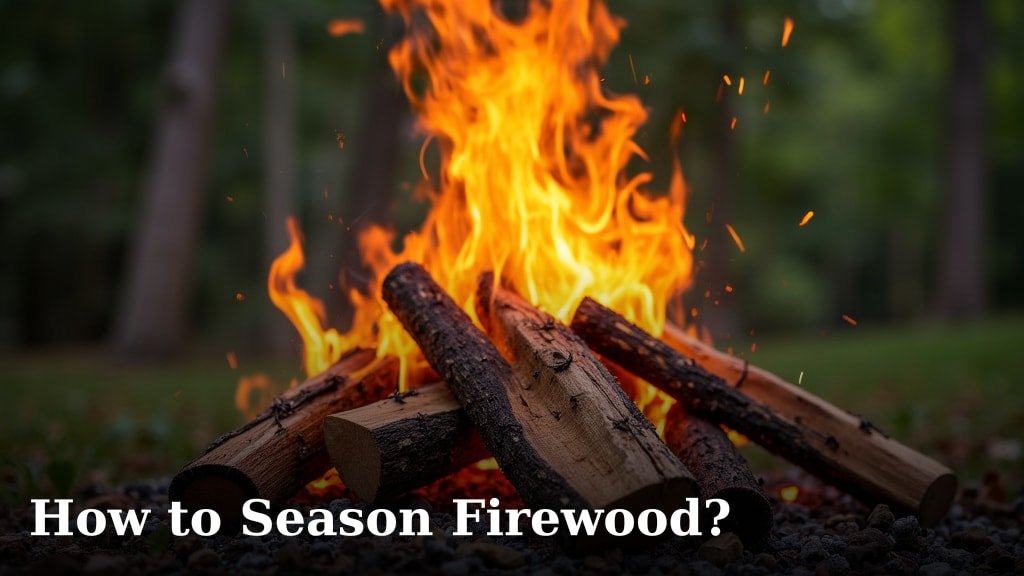
Learn how to season firewood properly for optimal burning. Discover efficient methods, drying times, and storage tips for a hotter, cleaner fire.
Cordwood burns slower and produces more heat per log, while biomass fuel offers consistent sizing and lower moisture content for easier lighting.
Wood pellets burn hotter and cleaner than wood chips, making them better for heating homes, while wood chips cost less and work well for larger heating systems.
Hardwood vs. Bio-Bricks: compare heat, burn time, storage, and handling to see how each fuel works in a stove. Learn which choice fits your routine and budget.
A DIY firewood shed protects your wood from moisture while allowing proper airflow, keeping it dry and ready to burn efficiently.
Never burn cardboard in your fireplace because it releases toxic chemicals, creates dangerous creosote buildup, and can cause chimney fires that threaten your
You should remove bark from firewood because it harbors insects, creates excessive smoke, and reduces burn efficiency in your fireplace or wood stove.
You can burn cedar in a wood stove, but it's not the best choice for primary heating due to its low heat output and resin content that creates creosote buildup.
Learn the shelf life of wood pellets and how moisture, packaging, and storage affect fuel quality. Get tips for keeping pellets dry and checking them before.
You can store firewood in a garage, but proper ventilation and stacking techniques are essential to prevent moisture buildup and pest problems.
Fire-starter squares are compressed wood fiber or wax cubes that light easily and burn long enough to ignite kindling and logs. Place one or two squares under
Cherry wood burns well in fireplaces and stoves, producing medium heat output with a sweet, pleasant aroma that many people love.
Coffee ground logs are generally safe for most fireplaces and wood-burning stoves when used properly, though you should check your manufacturer’s
You can light a fire without kindling by using paper strips, dryer lint, or pine needles as substitute fire starters that catch easily and burn hot enough to
You should never burn pallets in a wood stove unless you confirm they’re untreated heat-treated (HT) pallets made from plain wood.
To store firewood indoors safely and avoid pests, keep wood in a dry, well-ventilated area at least 20 feet from your home’s foundation and inspect each
Walnut wood burns with a heat output of approximately 22.2 million BTUs per cord, making it an excellent choice for heating your home.
Learn how long a 40lb bag of wood pellets lasts, how stove settings and weather affect use, and how to estimate the fuel your home needs each day.
You can reduce your wood consumption this winter by improving your stove’s efficiency, upgrading insulation, and burning only dry, seasoned hardwood
Burning treated lumber in a stove releases toxic chemicals that can poison your family and damage your heating system beyond repair.
Burning driftwood in your fireplace is not safe due to high salt content and potential chemical contamination that can damage your fireplace and create toxic
Burning paper in a wood stove is generally safe for small amounts like newspaper for fire starting, but regular paper burning can create safety risks and
Your fire keeps going out because of poor airflow, wet wood, or improper damper settings. The most common fix is using seasoned hardwood and adjusting your
Learn what a cord of wood means, its standard dimensions, and how to check a delivery. Get practical tips for comparing firewood quantities when buying.
Learn how to tell if wood is ready to burn by checking its moisture, weight, cracks, and sound. These signs help you choose seasoned firewood for a cleaner.
Oak vs. pine firewood: compare heat, burn time, lighting, and storage to choose logs for your stove or fireplace. Learn how each wood type suits different.
Store wood pellets in a cool, dry place inside sealed containers or original bags to prevent moisture absorption that causes swelling.
Yes, you can burn corn in most pellet stoves, but you’ll need to make specific adjustments to your settings and potentially upgrade your equipment for
Compare pellet stove fuel grades, including premium and standard pellets, by ash, heat, and consistency. Learn how to choose fuel that suits your stove and.
Learn how to measure wood moisture content with a meter, where to place its pins, and how to read the result. Find the range that helps firewood burn well.
Firewood sizzling happens when wood contains excess moisture, creating steam that escapes as crackling sounds during burning.
The top-down fire method starts with placing larger logs at the bottom and smaller kindling at the top. This technique burns cleaner, produces less smoke, and
Seasoned wood air-dries naturally for 6-12 months with 15-25% moisture content, while kiln-dried wood uses controlled heat to reduce moisture to 6-12% in just
Stack wood in a single row with pieces 6 inches apart for fastest seasoning – this allows maximum airflow around each piece and cuts drying time in half.
Hardwood burns hotter and longer than softwood, making it the better choice for wood stoves when you want maximum heat output and efficiency.
You can season firewood fast by splitting it into smaller pieces, stacking it with proper airflow, and using the sun and wind to your advantage.
The best wood species for long-burning fires are oak, hickory, ash, maple, and beech because they have high density and low moisture content.
A wood moisture meter tells you if your firewood is dry enough to burn cleanly and efficiently. Insert the pins into the wood grain and read the moisture