Can You Burn Wet Firewood Safely?
On this page (8 sections)
No, you really shouldn’t try to burn wet firewood. It’s not safe and it’s not efficient. Wet wood smolders, produces a lot of smoke, and won’t give you much heat. You’re much better off using seasoned firewood.
Burning damp logs can lead to creosote buildup in your chimney. This sticky residue is highly flammable. It’s a major cause of chimney fires. Plus, you’ll waste a lot of energy just trying to get it to burn.
- Wet wood burns poorly.
- It creates excessive smoke.
- It’s a fire hazard for your chimney.
- Seasoned wood is always the best choice.
So, can you burn wet firewood safely? We’ve looked into it, and the answer is a clear no. Let’s go over why it’s a bad idea and what you should do instead.
Why Burning Wet Firewood Is a Bad Idea
So, you’re looking at that pile of wood, and some of it seems a bit damp. Maybe it rained yesterday, or perhaps it’s just been sitting outside. You might be wondering, “Can I just toss this wet stuff in the fireplace and get some heat?” We understand the temptation, especially when you’re cold. But honestly, burning wet firewood is one of the biggest mistakes you can make for your home and your safety.
It boils down to a simple principle: water doesn’t burn. When you try to ignite damp wood, you’re essentially trying to boil all that moisture away first. This uses up a tremendous amount of energy. Instead of providing cozy warmth, the fire will struggle. It will smolder, smoke, and give you very little heat. It’s like trying to cook a meal with a damp sponge – it just doesn’t work efficiently.
The Science of Smoldering: What Happens to Wet Wood
Let’s break down why wet wood is such a poor performer. When wood burns, it’s the gases released from the wood that combust. This process requires a certain temperature. If the wood is wet, the water inside has to be heated to its boiling point (212°F or 100°C) and then turned into steam. This happens before the wood can even start to break down and release those burnable gases. Think of it as the wood having to take a very long, steamy shower before it can even think about catching fire.
This extra step means the temperature inside your firebox doesn’t get hot enough. The wood won’t reach the ideal combustion temperature. Instead, it just sits there and steams. You’ll see a lot of hissing sounds. You’ll hear firewood sizzling. You’ll notice a plume of white smoke billowing out. This smoke is essentially unburned fuel and water vapor. It’s a clear sign that your fire isn’t burning cleanly or efficiently. This is a waste of your firewood and a detriment to your air quality.
Smoke Signals: The Dangers of Excessive Smoke
The thick, white smoke you get from wet wood isn’t just annoying; it’s a major indicator of incomplete combustion. This means a lot of potentially harmful particles are being released into your home and the atmosphere. Many respiratory conditions can be worsened by smoke exposure. For instance, the Environmental Protection Agency (EPA) notes that smoke from burning wood contains particulate matter and other pollutants that can harm your lungs.
Beyond the immediate air quality issues, this smoke carries something far more dangerous: creosote. We’ll get to that in a moment, but understand that the smoke itself is a problem. It’s a sign of a struggling fire and can make breathing difficult, especially for children, the elderly, or those with existing respiratory issues like asthma. It’s really best to avoid this situation altogether.
The Creosote Calamity: A Fire Hazard Lurking in Your Chimney
This is arguably the most serious danger associated with burning wet wood. As that thick, white smoke travels up your chimney, it contains a sticky, tar-like substance called creosote. This substance is a byproduct of incomplete combustion, which, as we’ve discussed, is rampant with wet wood. It’s essentially the unburned fuel from your inefficient fire.
Creosote clings to the inside walls of your chimney flue. Over time, especially if you’re regularly burning damp wood, it builds up. We’re talking layers of this gummy residue. Think of it like tar or thick, black grease coating the inside of your chimney. It’s not only messy, but it’s also incredibly flammable. It’s the primary fuel source for the most dangerous type of house fire: a chimney fire.
What is a Chimney Fire?
A chimney fire is when the creosote buildup inside your chimney ignites. Because creosote burns very hot and fast, these fires can be extremely intense. They can generate temperatures exceeding 1,100°F (593°C). This extreme heat can cause significant damage to your chimney structure itself. It can even spread to the rest of your home if the chimney isn’t properly maintained or if there are cracks.
These fires are often characterized by loud roaring sounds coming from the chimney. You might see flames or sparks shooting out of the top. It’s a terrifying experience that most homeowners want to avoid at all costs. Regular chimney inspections and cleanings are vital, but preventing creosote buildup in the first place by burning dry wood is your first line of defense.
The Heat is On (Or Rather, It Isn’t!)
Let’s talk about the practical side of heating your home. Different firewood heat output also varies by type, so compare logs when choosing firewood. You’re trying to burn wood to get warm, right? Well, wet wood is terrible at providing heat. As we touched upon, a significant amount of the energy your fire produces is wasted just trying to evaporate the water from the wood. It’s like trying to boil water by putting an ice cube in a pot – it takes forever, and you don’t get much heat output.
Seasoned firewood, on the other hand, has had most of its moisture content removed. Typically, well-seasoned wood has a moisture content of 15-20%. This allows it to burn hot and clean. You get more BTU (British Thermal Unit) output per piece of wood. This means you use less wood to achieve the same amount of heat. It’s a win-win: more warmth for your home and less time spent hauling logs.
Understanding Wood Moisture Content
Wood is a natural material, and it contains water. Freshly cut wood can have a moisture content of 40-60% or even higher. This is why it needs to be seasoned. Seasoning is the process of drying out the wood. It typically involves splitting the logs and stacking them in a way that allows air to circulate around them. This can take anywhere from six months to over a year, depending on the wood type, climate, and how it’s stored.
You can measure wood moisture with a moisture meter. You simply insert the probes into a freshly split surface of the log. Most experts recommend that firewood should have a moisture content below 20% before burning. Burning wood with a higher moisture content is inefficient and hazardous. If you don’t have a meter, you can often tell by the look and sound of the wood. Seasoned wood tends to have a lighter color, visible cracks at the ends, and makes a clear “clack” sound when two pieces are hit together, rather than a dull “thud.”
The Cost of Wet Wood: More Than Just Money
Burning wet firewood isn’t just inefficient; it can end up costing you more in the long run. First, you’ll burn through wood much faster. You’ll need to stack more logs in your fireplace to get the same amount of heat. This means you’ll have to buy or gather more firewood, which adds to your expenses. If you’re buying firewood, this can add up quickly.
Second, and more importantly, is the potential cost of damage and repairs. A chimney fire can cause extensive damage to your chimney liner, masonry, and even the surrounding structure of your home. The cost of repairing a damaged chimney can be very high. Add to this the potential cost of increased medical bills if someone in your household experiences respiratory problems exacerbated by the smoke, and the “savings” of burning wet wood disappear very fast. Many insurance companies require proof of regular chimney maintenance, and using wet wood could potentially impact your coverage.
What You Should Do Instead: The Seasoned Wood Solution
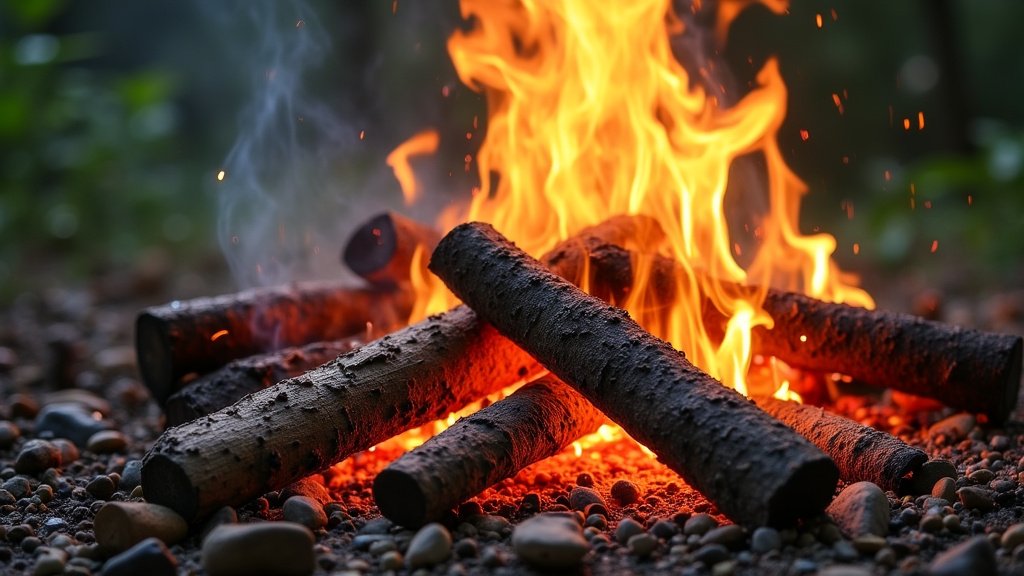
The best and safest way to heat your home with firewood is to use properly seasoned wood. This means wood that has been cut, split, and dried for an extended period. It should have a moisture content of 20% or less. If you’re sourcing your own wood, patience is key. If you’re buying wood, ask your supplier about their seasoning process and moisture content. Reputable firewood dealers will know this information.
Storing your firewood correctly also plays a huge role. Keep it off the ground and covered on top to protect it from rain and snow, but ensure air can circulate freely around the sides. This allows the wood to continue drying and stay dry. Never bring wood inside your home until you’re ready to burn it, and even then, let it sit near the fire for a short time to ensure it’s completely dry.
Tips for Identifying and Using Seasoned Wood
Here’s a quick checklist to help you ensure you’re burning the right stuff:
- Look for deep cracks or checks on the ends of the logs.
- The wood should feel relatively light for its size.
- It should sound hollow or make a clear ringing noise when two pieces are banged together.
- The bark may be peeling or loose.
- There should be no strong, fresh “green” smell; seasoned wood has a dry, earthy scent.
- Ideally, use a wood moisture meter to confirm a reading below 20%.
When in Doubt, Don’t Burn It Out!
If you have any doubt about whether your firewood is dry enough, it’s always best to err on the side of caution. Don’t burn it. Continuing to burn wet or damp wood is a risk that just isn’t worth taking. You’re risking your home, your safety, and your health for very little reward in terms of heat. Stick to seasoned, dry firewood, and you’ll enjoy a warmer, safer, and cleaner burn every time.
Conclusion
Burning wet firewood isn’t just inefficient; it’s a direct path to trouble. You’re wasting energy, creating excessive smoke, and most importantly, risking a dangerous chimney fire due to creosote buildup. Your home deserves better, and so does your safety. The solution is simple: always opt for seasoned wood. Make it your priority to only burn dry, properly aged logs for a warm, clean, and safe heating experience. Your next step is to check your current woodpile and ensure it’s seasoned before lighting your next fire.
Frequently Asked Questions
How can I tell if my firewood is too wet?
You can tell by looking and listening. Seasoned wood is usually lighter, has cracks on the ends, and makes a clear “clack” sound when two pieces hit. Wet wood feels heavier, might have a “green” smell, and makes a dull “thud.” Using a wood moisture meter is the most accurate way.
What happens if I burn wet wood just once?
Even a single burn with wet wood can start the process of creosote buildup in your chimney. While one instance is less likely to cause an immediate fire hazard, it contributes to the problem over time and makes your fire much less efficient, producing a lot of smoke instead of heat.
Can I dry out wet firewood myself?
Yes, you can. If you have wet wood, split it and stack it properly, ensuring good air circulation. Protect it from rain while allowing air to move freely. Depending on the wood and conditions, this drying process, known as seasoning, can take six months to over a year.
Is burning damp wood bad for my health?
Burning damp wood produces a lot of smoke, which contains harmful pollutants and particulate matter. This smoke can irritate your lungs and worsen respiratory conditions like asthma. It’s not just about the fire hazard; the smoke itself poses health risks.
What’s the safest way to store firewood to keep it dry?
Store your firewood off the ground on pallets or blocks. Cover the top to protect it from rain and snow, but leave the sides open for air circulation. This allows the wood to stay dry and continue seasoning properly, ensuring it’s ready to burn when you need it.