Can You Burn Cardboard in a Wood Stove?
On this page (8 sections)
- Burning Cardboard in Your Wood Stove: What You Need to Know
- The Upsides of Using Cardboard for Fire
- The Downsides: Why Cardboard Isn’t a Great Fuel Source
- What Kind of Cardboard is (Slightly) Safer to Burn? If you absolutely must burn cardboard, some types are less problematic than others. However, it’s crucial to remember that even the “safest” cardboard carries risks. Clean, Uncoated Cardboard Only You should only consider burning plain, brown cardboard. Look for boxes that are free from glossy coatings, plastic tape, labels, and excessive ink. Corrugated cardboard is generally better than waxed or coated varieties. Think of it like choosing produce. You want the organic, unadulterated stuff. The more chemicals and treatments on the cardboard, the more you’re introducing unwanted elements into your fire. Always tear off any tape or labels before burning. Avoid Waxed or Laminated Cardboard Waxed cardboard, often used for milk cartons or frozen food boxes, should never be burned. The wax creates a smoky, unpleasant burn and releases potentially harmful fumes. Laminated cardboard, which has a plastic-like coating, is also a definite no-go. It can melt and clog your stove or release toxic vapors. Best Practices for Burning Cardboard (If You Must)
- Alternatives to Burning Cardboard
- Quick Checklist: Is Your Cardboard Safe to Burn?
- Conclusion
- Frequently Asked Questions
Yes, you can burn cardboard in a wood stove, but with some important caveats. While it burns hot and fast, it’s not an ideal fuel source. Understanding the risks and best practices is key to using it safely in your stove.
Cardboard can add a quick burst of heat when you need it. However, it contains chemicals and coatings that can release harmful fumes. It also produces a lot of ash, which can affect your stove’s performance. Many experts caution against relying on it as a primary fuel.
- Cardboard burns quickly and hot.
- It can release chemicals and create soot.
- Only burn clean, uncoated cardboard.
- Never use it as your main fuel source.
- It’s best used sparingly for a quick boost.
Let’s walk through exactly what you need to know before you toss that box into your wood stove.
Burning Cardboard in Your Wood Stove: What You Need to Know
So, you’re looking at a pile of cardboard boxes and wondering if they’d make a good fire starter for your wood stove. It’s a question many homeowners ask, especially when they have a lot of packaging waste. The short answer is yes, you can burn cardboard, but it’s really not ideal for anything more than a quick boost.
Cardboard burns hot and fast. This can be useful for getting your fire going quickly. But there are several important things you need to consider before you start tossing those Amazon boxes into your stove. These considerations involve safety, efficiency, and the longevity of your stove itself.
The Upsides of Using Cardboard for Fire
Let’s talk about why you might even consider burning cardboard. It’s readily available, especially after online shopping hauls. It’s also quite flammable, making it a decent choice for kindling.
Quick Kindling Substitute
When you’re trying to get your wood stove roaring, you need something to catch a flame easily. Cardboard, especially thinner pieces, can act as a substitute for traditional kindling. It ignites quickly and can help your larger wood pieces catch fire faster. This means less waiting and more heat sooner.
Utilizing Waste Material
Another appeal is using up waste. Instead of throwing cardboard in the recycling bin or landfill, you can burn it. This might feel like a more sustainable option if you have a lot of it. However, the environmental impact of burning it needs careful thought.
The Downsides: Why Cardboard Isn’t a Great Fuel Source
While it has its brief moments of usefulness, cardboard brings a host of problems to your wood stove. These issues range from air quality concerns to potential damage to your appliance.
Harmful Fumes and Air Quality
Here’s the biggest concern: not all cardboard is created equal. Many cardboard products contain glues, inks, and coatings. When these burn, they can release toxic fumes into your home and the environment. The U.S. Environmental Protection Agency (EPA) strongly advises against burning materials that aren’t specifically designed for fuel. Burning treated or coated papers can release harmful chemicals like dioxins and furans.
These fumes are not only bad for the air you breathe but can also be detrimental to your health. You might notice unpleasant odors. In poorly ventilated areas, these fumes could become a serious health hazard. It’s like trying to cook with a dirty pan; the results aren’t as clean or as healthy.
Soot and Creosote Buildup
Cardboard produces a lot of fine ash and soot. This material can quickly build up inside your chimney and stove. This buildup is known as creosote. Creosote is highly flammable and is the leading cause of chimney fires. According to the Chimney Safety Institute of America (CSIA), a dirty chimney is a major fire risk. Regular chimney cleaning is essential, and burning cardboard will just make that cleaning more frequent and potentially more difficult. Burning cardboard can contribute to creosote buildup, increasing the risk of chimney fires.
This increased ash also means your stove’s grate can become clogged more easily. This can reduce airflow, making your fire burn less efficiently. You’ll find yourself cleaning out the ash pan more often, which can be a tedious chore.
Inconsistent Burning and Ash Production
Cardboard burns very quickly. This means you’ll be adding more fuel to the fire much more frequently than you would with seasoned firewood. It’s like trying to heat your home with a series of lightning strikes rather than a steady campfire. You get a burst of heat, and then it’s gone, requiring constant attention.
The amount of ash produced is also a problem. Some experts estimate that certain types of cardboard can produce significantly more ash than a comparable amount of hardwood. This ash can quickly fill up your firebox, smothering the flames and requiring immediate attention.
What Kind of Cardboard is (Slightly) Safer to Burn?
If you absolutely must burn cardboard, some types are less problematic than others. However, it’s crucial to remember that even the “safest” cardboard carries risks.
Clean, Uncoated Cardboard Only
You should only consider burning plain, brown cardboard. Look for boxes that are free from glossy coatings, plastic tape, labels, and excessive ink. Corrugated cardboard is generally better than waxed or coated varieties.
Think of it like choosing produce. You want the organic, unadulterated stuff. The more chemicals and treatments on the cardboard, the more you’re introducing unwanted elements into your fire. Always tear off any tape or labels before burning.
Avoid Waxed or Laminated Cardboard
Waxed cardboard, often used for milk cartons or frozen food boxes, should never be burned. The wax creates a smoky, unpleasant burn and releases potentially harmful fumes. Laminated cardboard, which has a plastic-like coating, is also a definite no-go. It can melt and clog your stove or release toxic vapors.
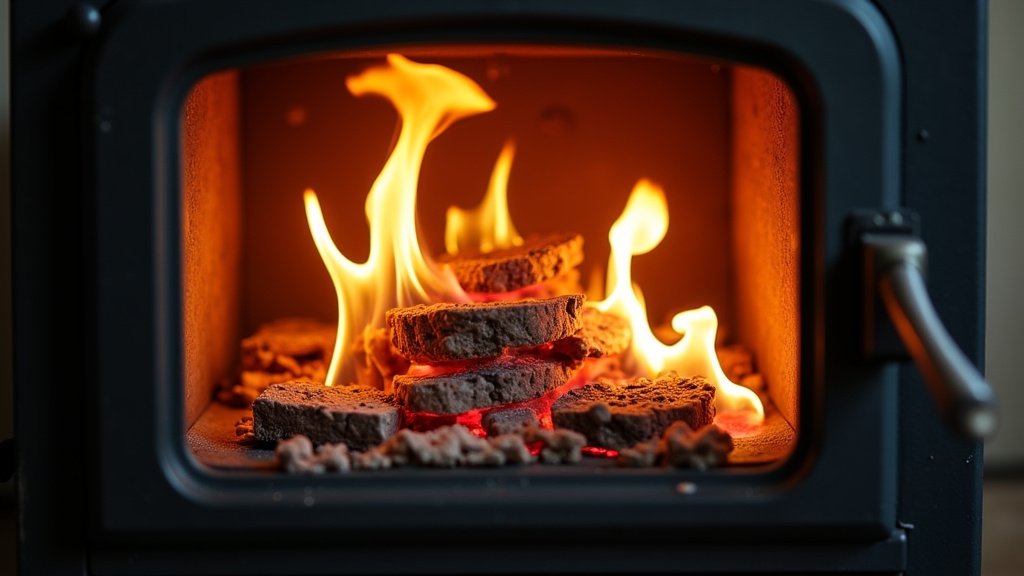
Best Practices for Burning Cardboard (If You Must)
Given all the potential downsides, it’s clear that cardboard should never be your primary fuel source. If you find yourself in a pinch and need a quick fire starter, here are some tips to minimize the risks.
Use Sparingly as Kindling
The best way to use cardboard is sparingly. Tear it into small pieces and use it to help ignite your main firewood. Once the wood is burning well, remove any remaining cardboard. Think of it as a match, not the log itself. This approach limits the amount of harmful fumes and ash produced.
Ensure Good Ventilation
When burning any material that might produce excess fumes, always ensure your home is well-ventilated. Open a window slightly near the stove. Make sure your chimney draft is strong and that your smoke detector is working properly. Your health is more important than a quick fire.
Burn Only Small Amounts
Never overload your stove with cardboard. A small piece or two as kindling is one thing; filling your firebox with boxes is quite another. Large amounts will burn too hot and too fast, potentially damaging your stove or chimney. It will also create an excessive amount of ash very quickly.
Alternatives to Burning Cardboard
If you’re looking for safe and efficient ways to start your wood stove, there are much better options available. These alternatives won’t compromise your air quality or your stove’s performance.
Commercial Fire Starters
There are many commercial fire starters on the market. These are designed to ignite quickly and burn cleanly. Many are made from natural materials like compressed wood fibers or wax-coated sawdust. They are a safe and reliable option.
Dry Kindling and Small Firewood
The traditional method is still often the best. Gather plenty of dry, small pieces of wood, often called kindling. Small twigs, bark, and split pieces of softwood work wonders. Having a good supply of appropriately sized firewood ensures you can start your fire effectively.
Paper Fire Logs
Specially manufactured paper fire logs are a much better alternative to plain cardboard. These logs are compressed and designed to burn more slowly and cleanly than loose paper or cardboard. They are a good way to utilize waste paper safely.
Natural Materials
Pinecones, birch bark, and dried leaves can also be excellent fire starters. These natural materials ignite easily and burn well, adding a lovely scent to your fire. Just ensure they are completely dry.
Quick Checklist: Is Your Cardboard Safe to Burn?
Before you even consider putting cardboard in your stove, ask yourself these questions:
- Is the cardboard completely plain brown and uncoated?
- Does it have any plastic tape, labels, or excessive ink?
- Is it waxed or laminated in any way?
- Do you have a strong chimney draft and good ventilation?
- Are you only using a tiny amount as kindling?
- Are you prepared for extra ash and soot cleanup?
If you answered no to any of the first three questions, or if you’re not comfortable with the rest, it’s best to avoid burning that cardboard.
Conclusion
You can technically burn cardboard in your wood stove, but it’s far from ideal. While it offers a quick burst of heat and can substitute for kindling in a pinch, the risks often outweigh the benefits. Burning uncoated cardboard sparingly is the safest approach, but even then, be mindful of harmful fumes and increased soot. Always prioritize seasoned firewood and proper fire starters for a cleaner, safer, and more efficient burn. Prioritizing your home’s safety and your stove’s longevity means making informed choices about your fuel.
Frequently Asked Questions
Is burning cardboard bad for my chimney?
Yes, cardboard fireplace safety can be bad for your chimney. It produces a lot of fine ash and soot, which can build up inside your chimney as creosote. This creosote is flammable and is a primary cause of chimney fires. You’ll likely need to clean your chimney more often if you burn cardboard.
How much cardboard is too much to burn in a wood stove?
You should never burn large amounts of cardboard. Even a small amount can produce excessive ash and soot. If you must use it, only use a few small pieces as kindling to help start your main firewood. Filling your stove with boxes will create too much ash and potentially damage your stove or chimney.
Will burning cardboard void my wood stove warranty?
While it’s unlikely to be explicitly stated, burning inappropriate materials like treated cardboard can potentially void your wood stove’s warranty. Manufacturers design stoves for burning seasoned firewood. Burning materials that cause excessive creosote or damage could be grounds for denying a warranty claim.
What are the signs that burning cardboard is causing problems in my stove?
You might notice increased smoke, a stronger smell of burning chemicals, or ash filling the firebox much faster than usual. Your fire may also burn erratically, with quick flare-ups followed by dying flames. A more rapid buildup of soot inside your stove or on the glass door are also bad signs.
Can I burn shredded cardboard in my wood stove?
Shredded cardboard can still pose risks. While it might seem like it would burn more thoroughly, it still contains glues and inks that release harmful fumes. It also burns very quickly and can produce a large amount of fine ash. It’s generally better to avoid burning any form of cardboard, even shredded.