What Is the Best Way to Store Firewood?
On this page (3 sections)
The best way to store firewood is by keeping it dry, off the ground, and well-ventilated. You want to protect your wood from rain and snow while allowing air to flow through the stack. This helps prevent rot and keeps your firewood ready to burn efficiently.
Proper firewood storage isn’t just about neatness; it’s about making sure your logs burn hot and clean. Well-seasoned wood delivers more heat and produces less creosote buildup in your chimney. Nobody wants a smoky, inefficient fire, right?
TL;DR:
- Keep firewood dry with a cover.
- Store it off the ground to prevent moisture.
- Ensure good airflow to encourage drying.
- Stack it neatly for stability and access.
- Choose a sunny spot if possible.
We’ve researched the best practices for keeping your wood pile in top shape. Let’s walk through exactly how to set up the ideal firewood storage system for your home.
Setting Up Your Firewood Storage System
The best way to store firewood involves choosing the right location, building a proper structure, and stacking it correctly. It’s about creating an environment where your wood can dry out, not soak up moisture.
Choosing the Right Location for Your Woodpile
Where you store your firewood makes a big difference. You want a spot that helps the wood dry and keeps it accessible. Think about sun, wind, and convenience.
Sunny and Breezy is Best
A sunny location helps warm the wood and encourages evaporation. Wind also plays a huge role in drying. Think of it like drying clothes on a line; sunshine and a breeze get the job done fastest.
Aim for a spot that gets several hours of direct sunlight each day. This natural warmth helps drive out moisture from the wood. Good air circulation is equally important, so avoid sheltered nooks if you can. An open, airy spot is ideal for seasoning your wood.
Consider Proximity to Your Home
While you want your firewood nearby, don’t stack it right against your house. This can create a haven for pests like termites, ants, and mice. Pests love dark, damp spaces next to a food source (your wood!). The National Pest Management Association suggests keeping firewood at least 20 feet away from your home’s foundation.
A good rule of thumb is to store your main wood supply a bit further away, and then keep a smaller, day-or-two supply closer to your door. This balances convenience with pest prevention.
Building or Buying a Firewood Storage Solution
Once you have your location, you need something to hold your wood. You have options, from simple racks to elaborate sheds.
Elevate Your Wood from the Ground
This is non-negotiable. Wood sitting directly on the ground will absorb moisture and start to rot. It also invites bugs and fungi. You need to get your wood off the dirt.
- Use a purpose-built firewood rack.
- Place your stack on pallets.
- Use 2x4s or concrete blocks to create a base.
Even an inch or two of clearance can make a big difference. We found that elevating wood significantly reduces mold and decay (Forest Products Laboratory).
Cover Your Wood from Above
Rain and snow are the enemy of dry firewood. You need a cover to protect your stack from precipitation. This doesn’t mean wrapping it tightly, though.
A simple tarp works well, but only cover the top, not the sides. Covering the sides traps moisture inside, creating a humid environment that prevents drying. You want rain to run off the top, not get absorbed by the wood.
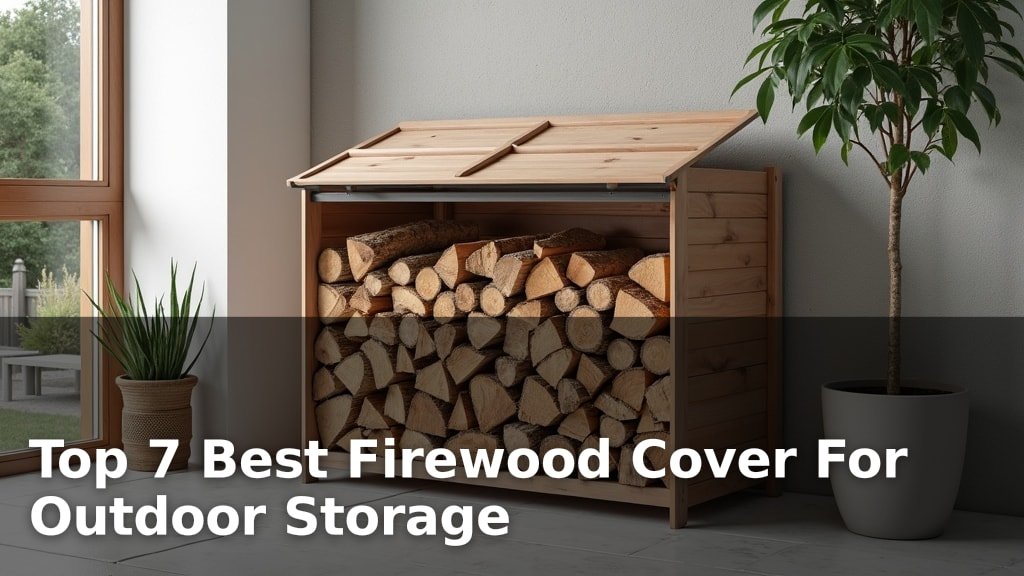
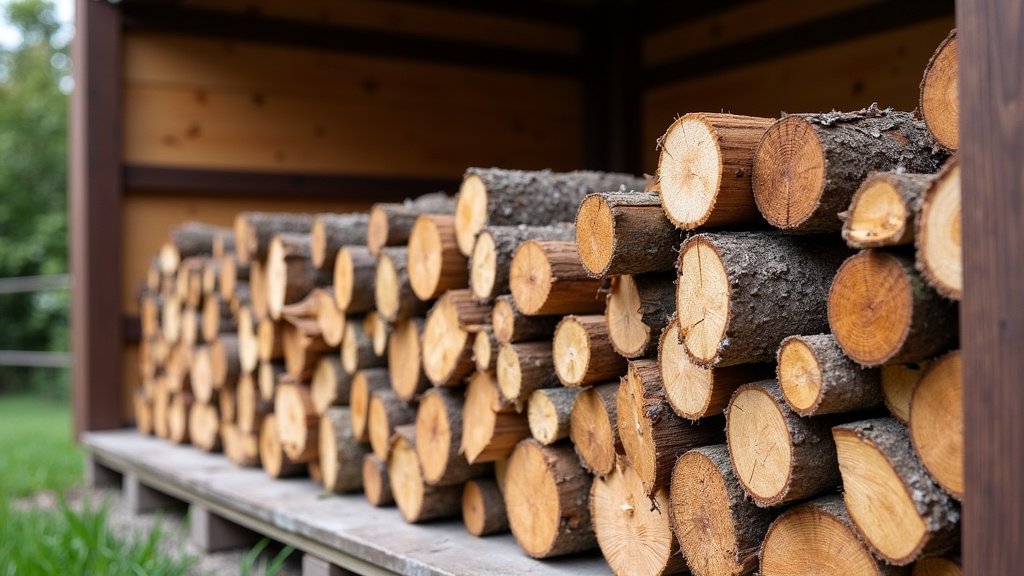
A purpose-built shed or lean-to with an open side is an excellent option for long-term storage. These allow for airflow while keeping the rain out.
The Art of Stacking Firewood for Optimal Drying
How you stack your wood isn’t just about neatness; it’s about maximizing airflow. Proper stacking helps wood dry evenly and prevents mold.
Creating a Stable and Air-Permeable Stack
Think of your woodpile as a drying machine. You need to allow air to flow through it. Don’t stack logs too tightly together. Criss-crossing logs at the ends can create stability while still allowing air movement. Some people create small gaps between layers for even better circulation.
A good stack is like a wall of Lincoln Logs. You build it up with interlocking pieces. This keeps it from falling over and gives space for air.
Stacking Techniques Explained
There are a few popular ways to stack firewood, each with benefits:
| Stacking Method | Description | Pros | Cons |
|---|---|---|---|
| Single Row Stack | A single line of firewood, often against a wall or fence. | Excellent airflow, easy to cover. | Requires more length, can be less stable if not supported. |
| Double Row Stack | Two rows of firewood stacked back-to-back. | More volume in a smaller footprint, good stability. | Reduced airflow to the inner logs, slower drying. |
| Crib or Round Stack | Logs arranged in a circular or square pattern, criss-crossing at the ends. | Very stable, self-supporting, good airflow. | More effort to build, can be harder to cover effectively. |
| Rack Stack | Wood placed within a metal or wooden firewood rack. | Very stable, keeps wood off the ground, often covered. | Limited by rack size, initial cost of the rack. |
For most home users, a single row stack against a wall or fence (but still 20 feet from the house!) or using a dedicated firewood rack offers the best balance of drying and convenience.
Seasoning Your Firewood: The Waiting Game
Proper storage is all about seasoning your wood. Seasoned wood is wood that has dried out sufficiently to burn efficiently. This takes time.
Understanding Moisture Content
Freshly cut wood, called “green wood,” can be 50% water or more. Burning green wood is frustrating. It hisses, smokes a lot, and produces very little heat. It also creates more creosote, a tar-like substance that can build up in your chimney and cause chimney fires (Chimney Safety Institute of America).
Well-seasoned wood has a moisture content of 20% or less. It burns hotter, cleaner, and more efficiently. You get more heat for your effort.
How Long Does Seasoning Take?
The general rule of thumb is 6 to 12 months for most hardwoods like oak or maple. Softer woods like pine or fir might season in 3-6 months. This depends on your climate, how you’ve stacked the wood, and the size of the logs. Our guide on what is the best wood for a wood stove can help you choose the right types for efficient burning.
It’s often best to cut and stack your firewood a full year before you plan to burn it. For example, if you want wood for next winter, start preparing it this spring.
- Cut wood to length (16-18 inches is common).
- Split larger logs into smaller pieces (they dry faster).
- Stack in an open, sunny, elevated, and covered location.
- Wait patiently for mother nature to do her work.
Signs of Well-Seasoned Firewood
How do you know if your wood is ready to burn? Look for these clues:
- Color: The wood will appear duller, often gray or faded.
- Weight: It will feel significantly lighter than when it was green.
- Sound: When two pieces are smacked together, they’ll make a hollow “clunk” sound, not a dull “thud.”
- Cracks: You’ll see cracks or “checks” appearing on the ends of the logs.
- Bark: The bark might be looser or even peeling off.
Some people use a moisture meter for an exact reading, but these visual and auditory cues are usually enough for most homeowners. See how to tell if wood is ready to burn before bringing a load inside.
Maintaining Your Firewood Storage Area
Once your system is set up, a little maintenance goes a long way.
Keeping Pests Away
Regularly check your woodpile for signs of insect activity. While some bugs are natural, you don’t want an infestation that could spread to your home. Keeping the wood off the ground and away from your house is your best defense.
If you bring a few logs inside for the day, give them a quick visual inspection. You don’t want any unwanted guests hitching a ride into your living room.
Rotating Your Stock
Think of your firewood like canned goods – use the oldest first. When you stack new wood, put it behind or separate from the older, seasoned wood. This “first in, first out” approach ensures you’re always burning the driest wood available.
Having two separate storage areas or sections can be helpful for this: one for wood currently seasoning, and one for wood ready to burn.
Firewood Storage Checklist
Ready to get your firewood storage in top shape? Here’s a quick checklist to guide you:
- Location: Is it sunny, breezy, and at least 20 feet from your home?
- Elevation: Is your wood off the ground, preventing moisture absorption?
- Cover: Is the top protected from rain and snow, but the sides left open for airflow?
- Stacking: Is the wood stacked neatly with gaps for air circulation?
- Seasoning Time: Are you allowing 6-12 months for the wood to dry properly?
- Pest Check: Are you regularly inspecting your pile for unwelcome visitors?
Following these steps will help you enjoy efficient, warm fires all season long, without the smoke and struggle of green wood.
Conclusion
You now have a solid plan for storing your firewood effectively. By keeping your wood dry, elevated, and well-ventilated, you’re setting yourself up for successful, satisfying fires. Remember, proper seasoning takes time and attention, but the payoff is worth it.
Take the lessons you’ve learned here and apply them to your own woodpile. Choose the best location, build a smart storage solution, and stack with airflow in mind. You’ll be enjoying cleaner, hotter fires in no time, making your heating season much more enjoyable.
Frequently Asked Questions
Can I store firewood indoors, like in a garage or basement?
While you can bring a small amount of firewood indoors for a day or two before burning, storing large quantities inside is not recommended. It can introduce pests like termites and spiders into your home and poses a fire hazard. Always prioritize outdoor, well-ventilated storage for your main supply.
What’s the ideal size for splitting logs for storage and burning?
Aim for logs that are 16-18 inches long, which fits most standard wood stoves and fireplaces. Splitting larger logs into pieces about 4-6 inches in diameter helps them dry faster and burn more efficiently. Smaller pieces also make fires easier to start and manage.
Does the type of wood affect how long it needs to season?
Yes, denser hardwoods like oak, maple, and hickory generally take longer to season (often 9-12 months or more) due to their higher moisture content and tighter grain. Softer woods such as pine, fir, or aspen dry much quicker, typically within 3-6 months. Always factor wood type into your seasoning timeline.
How can I protect my firewood from snow and extreme cold?
The most important protection is a good cover over the top of your stack, preventing snow from accumulating directly on the wood. Ensure your stack is elevated off the ground to avoid contact with melting snow and ice. Good airflow will continue to help dry the wood, even in colder temperatures.
Is it okay to stack firewood directly on concrete or asphalt?
Stacking firewood directly on concrete or asphalt is better than dirt, but still not ideal. These surfaces can retain moisture and transfer it back into the bottom layer of your wood. It’s always best to have a barrier, like pallets or 2x4s, to provide at least a few inches of airflow and separation from any ground surface.