How to Test Firewood Moisture?
On this page (3 sections)
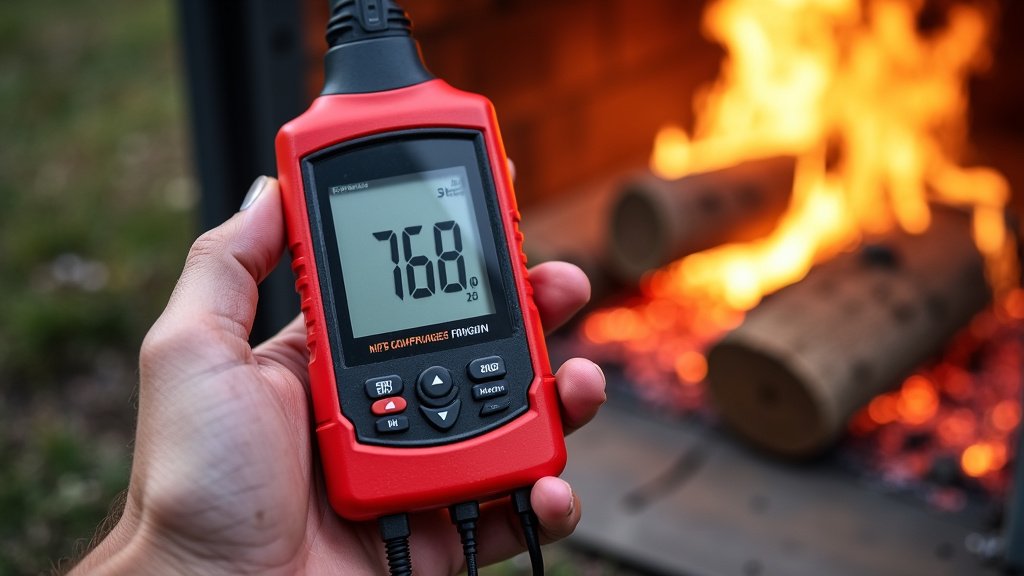
The easiest way to test firewood moisture is by using a moisture meter. These handy devices give you a quick and accurate reading. You want your firewood to have a moisture content between 15% and 20% for the best burn. This ensures a hot, clean fire and less smoke.
Checking your firewood’s moisture is super important. Wet wood, often called “green wood,” burns poorly and creates a lot of creosote. This can be a real hazard for your chimney. We found that properly seasoned wood is more efficient and much safer for your home. It’s an important step for any wood burner.
- Moisture meters are the best way to check firewood.
- Aim for 15-20% moisture content for optimal burning.
- Wet wood causes poor fires and chimney issues.
- Properly seasoned wood burns cleaner and hotter.
Ready to get burning with confidence? Let’s walk through exactly how to test your firewood’s moisture content, step by step.
Getting Accurate Moisture Readings for Firewood
So, you want to make sure your firewood is just right? Great! The goal is to get precise moisture readings. This helps you avoid smoky fires and keep your chimney clean. Let’s look at the best tools and methods for checking your wood.
We found that a good moisture meter is your best friend here. It gives you a number you can trust. No more guessing if your wood is ready to burn. This means safer and more efficient heating for your home.
Understanding Firewood Moisture Content
What exactly is “moisture content” in firewood? It’s simply the amount of water in the wood. This is usually expressed as a percentage of the wood’s dry weight. Think of it like a sponge. A wet sponge has a high moisture content, and a dry one has very little.
For burning, you want a specific range. We aim for 15% to 20% moisture. Wood wetter than 20% is considered “green” or “unseasoned.” It won’t burn well. Wood drier than 15% can burn too fast, like tinder, and might not give you sustained heat.
Getting this balance right means more heat and fewer problems. It also extends the life of your fireplace or stove. The EPA even recommends burning wood below 20% moisture for better air quality.
Choosing the Right Moisture Meter
There are a few types of moisture meters out there. For firewood, we almost always recommend a pin-type meter. These are reliable and easy to use. Let’s break down why.
We found that pin-type meters work by inserting two small pins into the wood. An electrical current passes between them. Water conducts electricity better than wood. The meter measures the resistance and translates it into a moisture percentage. It’s quite clever!
You might also see pinless meters. These glide over the wood surface. While great for things like flooring, they aren’t as accurate for firewood. This is because they only read surface moisture. We need to know what’s happening deep inside the log.
Features to Look For in a Moisture Meter
When buying a moisture meter, keep a few things in mind. You want one that’s easy to read. A clear digital display is a must. Backlit screens are helpful if you’re checking wood in dim light, like a shed.
Look for models with a sturdy design. You’ll be pressing pins into wood, so it needs to hold up. Some meters also have temperature compensation. This can give a slightly more accurate reading, especially in cold weather.
Consider the pin length too. Longer pins can reach deeper into larger logs. This helps get a more representative sample. We found that meters with replaceable pins are also a good idea. Pins can bend or break over time.
Step-by-Step: How to Use a Pin-Type Moisture Meter
Using a moisture meter is straightforward. Follow these steps for the most accurate results. It’s a quick process once you get the hang of it.
First, grab a piece of firewood. It should be representative of your stack. Don’t just pick the driest or wettest piece you see. A good sample is key.
- Prepare the Wood: Split a log open. The moisture meter needs to read the interior of the wood, not just the surface. Surface moisture can be misleading, especially after rain or dew.
- Insert the Pins: Firmly press the meter’s pins into the fresh, split face of the wood. Push them in about a quarter to half an inch. You want good contact.
- Take the Reading: Wait a few seconds for the meter to stabilize. The digital display will show a percentage. This is your moisture content.
- Take Multiple Readings: Don’t just measure one spot. Test several points on the same log. Also, test a few different logs from your pile. Moisture can vary, even within the same stack.
- Average the Results: If your readings vary, take an average. For example, if you get 16%, 18%, and 22%, your average is 18.6%. This gives you a better overall picture.
Remember, consistency is important. Always test the newly split face for the most accurate reading. Don’t test the bark or the very end of a log.
What Your Moisture Readings Mean
Once you have your readings, what do they tell you? This is where you decide if your wood is ready to burn or needs more seasoning.
| Moisture Content Range | What It Means | Action to Take |
|---|---|---|
| Above 25% | Very wet, “green” wood. Will be very difficult to light and burn. Produces excessive smoke and creosote. | Definitely needs extensive seasoning. Store in a dry, well-ventilated area. |
| 20% – 25% | Damp wood. Will burn, but not efficiently. Still produces more smoke and creosote than ideal. | Needs more drying time. Could be used if absolutely necessary, but not recommended for best performance. |
| 15% – 20% | Ideal moisture! This is properly seasoned wood. Burns hot, clean, and efficiently. Minimal smoke and creosote. | Ready to burn! Store properly to maintain this moisture level until use. |
| Below 15% | Very dry wood. Can burn too quickly. Might not produce sustained heat. Less common to find. | Good to burn, but might need to be mixed with slightly wetter wood to slow down the burn rate if you find it burns too fast. |
We found that consistently burning wood in the ideal 15-20% range makes a huge difference. You’ll use less wood, get more heat, and reduce chimney maintenance. It’s a win-win situation for any wood burner.
Other Ways to Check Firewood Moisture (Without a Meter)
What if you don’t have a moisture meter yet? You can still get a general idea of your wood’s dryness. These methods aren’t as precise, but they can guide you.
Many experienced wood burners use these techniques. They are good for a quick check. Think of them as a “rough estimate” rather than a precise measurement.
The “Look and Feel” Test
This is all about using your senses. Properly seasoned wood will have a few tell-tale signs. You can often see and feel the difference.
- Color: Seasoned wood often looks duller or grayer than fresh, green wood. Fresh wood tends to have a brighter, more vibrant color.
- Weight: Pick up a piece. Dry wood feels much lighter than a similar-sized piece of green wood. Water is heavy!
- Cracks: Look for cracks or “checks” on the ends of the logs. These are a good sign the wood has dried and shrunk. Green wood usually has very few or no cracks.
- Sound: Knock two pieces of wood together. Dry wood will make a hollow, resonant “clink” sound. Wet wood will produce a dull thud.
- Smell: Freshly cut wood often has a strong, sappy smell. Seasoned wood will smell more like earthy wood, or sometimes even quite faint.
These clues, when combined, can give you a decent idea. But remember, they won’t give you a precise percentage like a meter will. Many experts still rely on a moisture meter for the final confirmation.
The “Sizzle” Test (for Burning)
This test is for when you’re actually burning the wood. It helps confirm if you’ve got good stuff. Listen closely to your fire.
When you put a piece of wood on the fire, listen for a distinct sizzling sound. If you hear it, that means there’s water evaporating from the wood. This indicates high moisture content. You might even see water bubbling from the ends of the logs.
Properly dry wood will catch fire quickly and burn with a steady flame. There should be little to no sizzling sound. This is a good sign that your wood is seasoned and ready.
The Importance of Seasoning Firewood
Why do we go through all this trouble to check moisture? It all comes back to seasoning. Seasoning is the process of drying wood. It’s crucial for efficient and safe burning.
We found that burning wet wood wastes energy. A significant portion of your fire’s heat goes into boiling off the water in the wood. This means less heat for your home. It’s like trying to heat water in a pot that keeps refilling.
The biggest danger, however, is creosote. Creosote is a tar-like substance that builds up in your chimney. Wet wood produces a lot of it. This buildup can lead to dangerous chimney fires. The Chimney Safety Institute of America (CSIA) frequently warns against burning unseasoned wood due to this risk.
Properly seasoned wood burns cleaner. It produces less smoke and much less creosote. This makes your home heating safer and more environmentally friendly. It also saves you money on chimney cleaning and uses less wood overall.
Maintaining Firewood Moisture
Once your firewood is perfectly seasoned, you want to keep it that way. Proper storage is essential. Don’t let all your hard work go to waste!
Store your firewood off the ground. Use pallets, timbers, or a dedicated firewood rack. This allows air to circulate underneath and prevents moisture from soaking in from the ground.
Keep your wood pile covered on top. A tarp or a dedicated woodshed roof works well. This protects it from rain and snow. But don’t cover the sides too tightly. You still need good airflow to prevent mold and moisture buildup.
We recommend stacking firewood in a single row or in crisscross patterns. This also helps with air circulation. Avoid piling it against your house. This can attract pests and prevent proper drying.
Your Firewood Moisture Checklist
Here’s a quick checklist to make sure your firewood is ready to provide you with a warm, efficient fire:
- Do you own a pin-type moisture meter?
- Have you split logs before testing their interior moisture?
- Are your readings consistently between 15% and 20%?
- Does your wood look and feel dry (cracks, lighter weight, duller color)?
- When burning, is there minimal sizzling and smoke?
- Are you storing your seasoned wood off the ground and covered on top?
If you answered yes to most of these, you’re on your way to great fires. Happy burning!
Conclusion
Testing your firewood’s moisture content is more than just a good idea—it’s essential for a safe, efficient, and enjoyable fire. We’ve shown you that a pin-type moisture meter is your best friend in this process, guiding you to that ideal 15-20% range. While visual cues and sounds can help, a meter provides the undeniable data you need.
By investing a little time and effort in checking and properly storing your firewood, you’ll reduce creosote buildup, minimize smoke, and get the most heat possible from every log. So, grab a meter, test your wood, and start burning smarter this season.
Frequently Asked Questions
How long does firewood typically take to season?
Most firewood needs about 6 to 12 months to properly season. Hardwoods like oak and maple often take closer to a year, while softer woods like pine might be ready in 6-9 months. Proper stacking and airflow significantly speed up the process.
Can I still burn wood that’s over 20% moisture?
You can, but we don’t recommend it. Wood with over 20% moisture will produce more smoke, less heat, and significantly increase creosote buildup in your chimney. This creates a higher risk of a chimney fire. It’s always best to wait for optimal moisture levels.
Does splitting wood help it dry faster?
Absolutely! Splitting logs exposes more surface area to the air and sunlight, allowing moisture to escape much more quickly. Unsplit logs, especially large ones, can take years to dry properly, if at all. Always split your firewood before stacking for seasoning.
Where should I store my firewood for seasoning?
Store your firewood in a sunny, well-ventilated area, elevated off the ground. A woodshed or a dedicated firewood rack with a cover is ideal. Avoid stacking it directly against your house or under dense trees, as this can hinder drying and attract pests.
What’s the difference between “seasoned” and “kiln-dried” firewood?
“Seasoned” firewood is air-dried naturally over time, typically reaching 15-20% moisture content. “Kiln-dried” firewood is dried in a specialized oven, which can dry it much faster and often to a lower, more consistent moisture level, usually below 15%. Both are excellent for burning.