Chimneys & Venting
How to Insulate a Stove Pipe?
Learn how to insulate a stove pipe safely and effectively to improve heating efficiency and prevent hazards. Get expert tips and clear steps.
Chimney, flue, vent, draft, and creosote guides for safer installation, upkeep, and repairs.
Learn how to insulate a stove pipe safely and effectively to improve heating efficiency and prevent hazards. Get expert tips and clear steps.
Find the 7 best stove pipe sealant options for secure joints. Our fresh, hands-on review helps you choose the right product for a safe and efficient stove.

Discover the top 7 best creosote removers for wood stove pipes. Our fresh, hands-on guide helps you find the perfect solution for a cleaner, safer stove.
Learn how to safely install a stove pipe thimble to ensure proper ventilation and fire safety for your wood stove. Get clear, step-by-step guidance.
Discover safe alternatives to a chimney sweep. Learn about DIY methods and when to call a professional to keep your fireplace operating efficiently and safely.
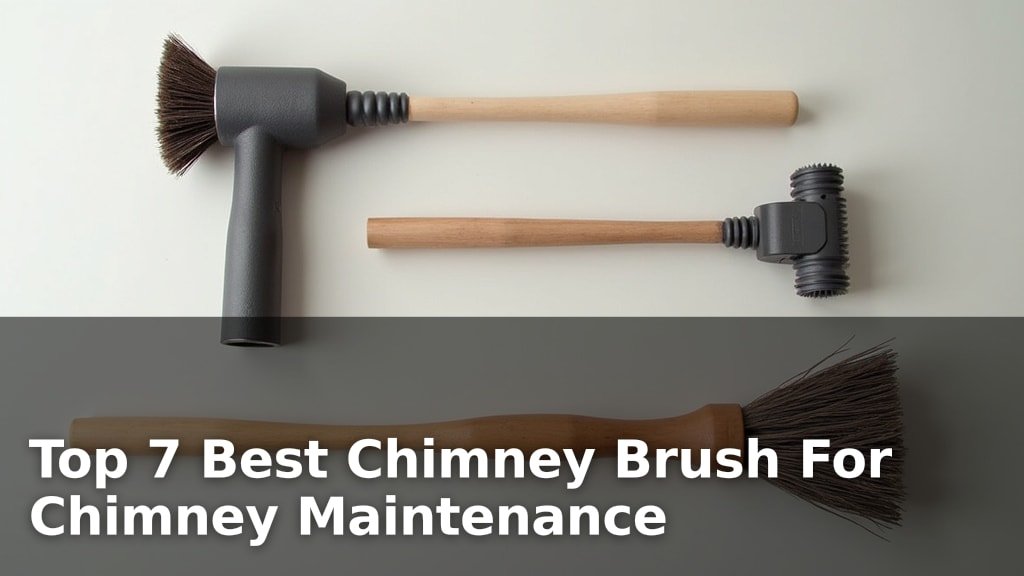
Compare chimney brush options for chimney maintenance, including brush shapes and materials. Learn how to match a brush to your flue and clean it safely.
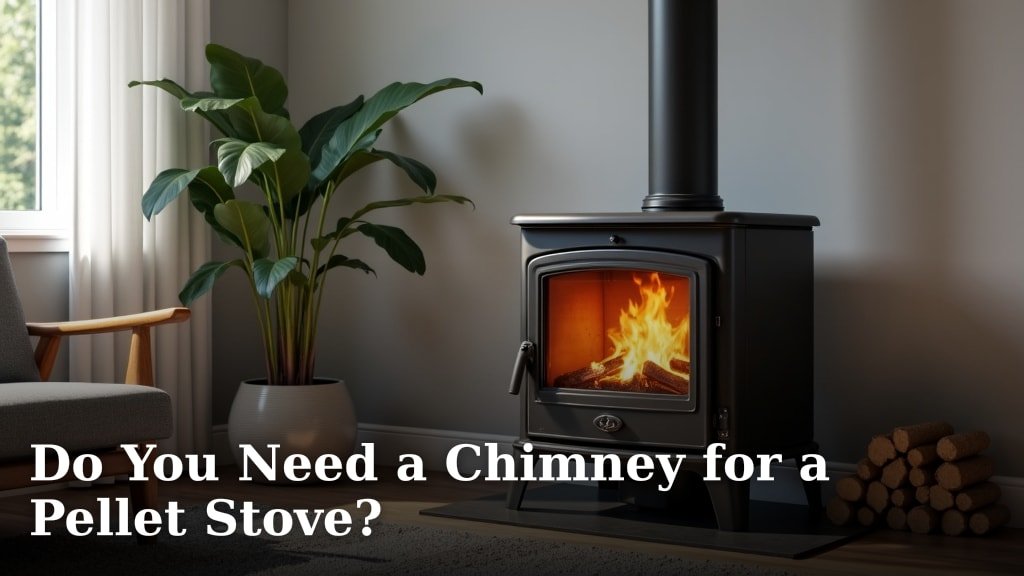
Do you need a chimney for a pellet stove? Learn how pellet stove venting works, what installation requires, and how to plan a safe route outdoors.
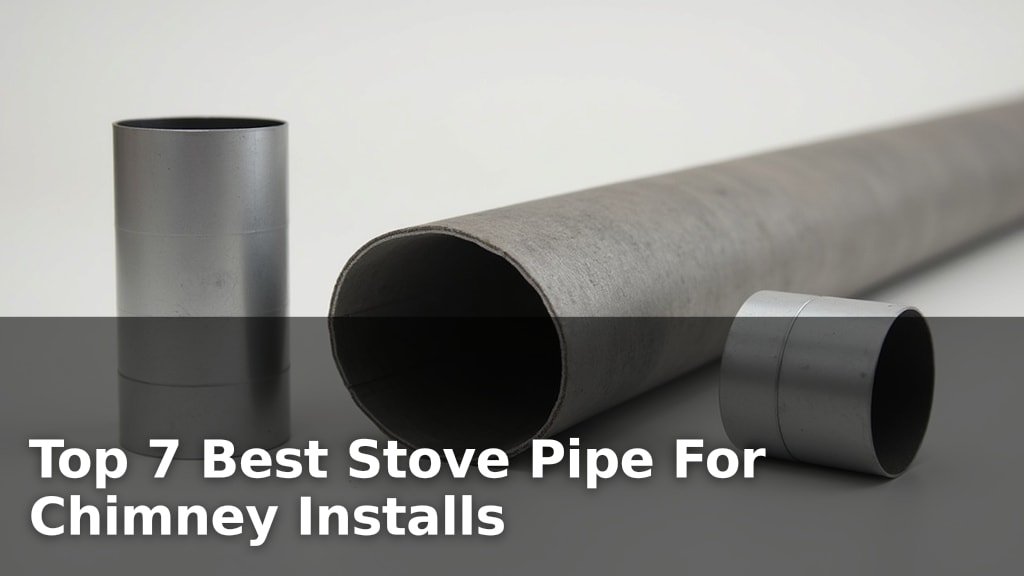
Discover the top 7 best stove pipe for chimney installs. Our fresh, hands-on guide helps you find the perfect fit for your home.
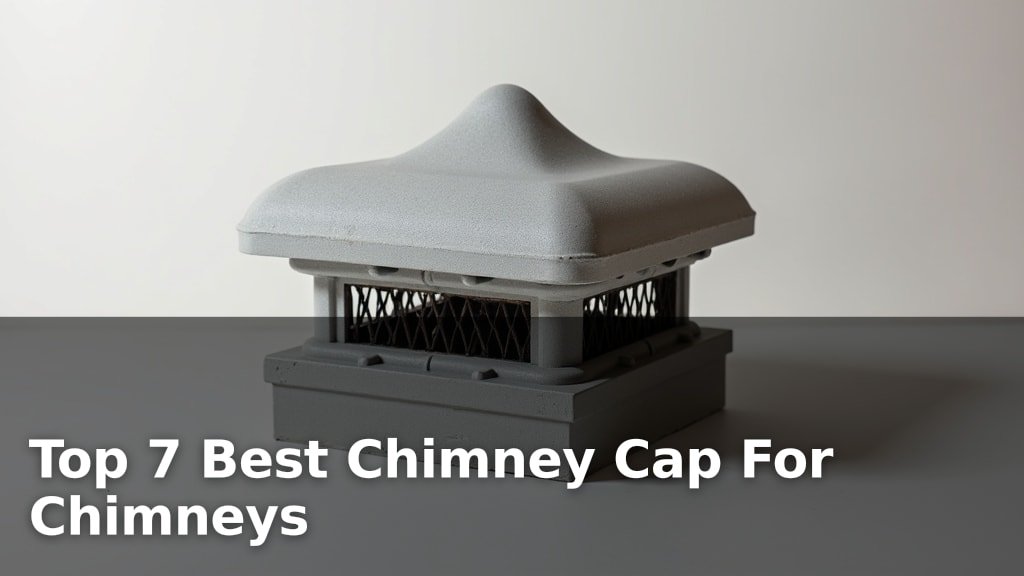
Discover the top 7 best chimney caps for your chimney. Our fresh, hands-on guide helps you find the perfect protective solution.
A wood stove pipe rusting can signal moisture, condensation, or damage to the vent. Learn how to find the cause, prevent further rust, and know when to.
Learn if you can vent a pellet stove through a wall, including important safety considerations and installation guidelines to help you decide.
A chimney liner protects your home from fire and creosote. Learn what a chimney liner is, why it's essential, and how it keeps your fireplace safe.
Learn what a flue damper does, where it sits, and how it controls airflow through a chimney. Find out when to open or close it and how to spot a problem.
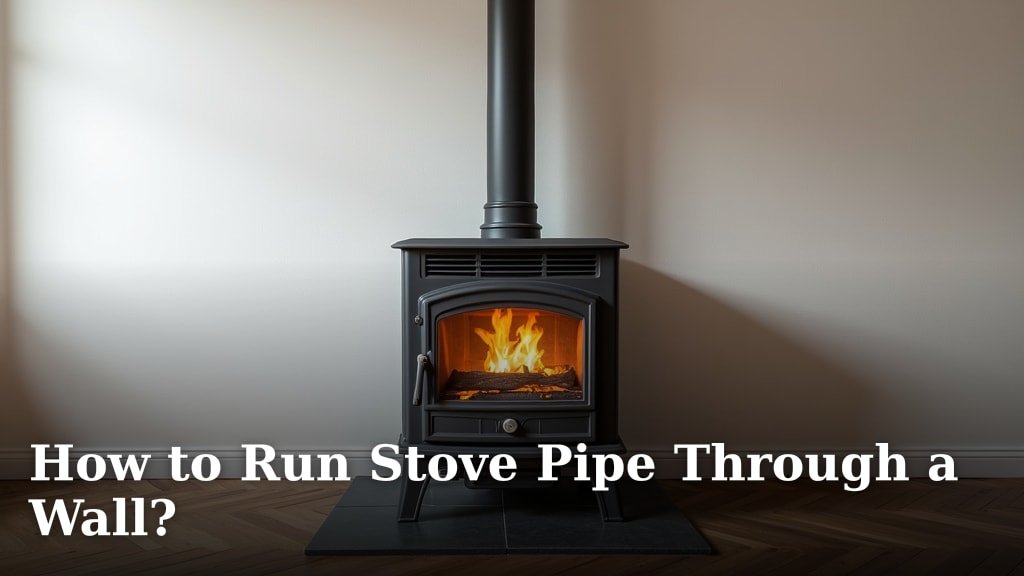
Learn how to safely run stove pipe through a wall. Get expert tips on clearances, materials, and proper installation for a secure setup.
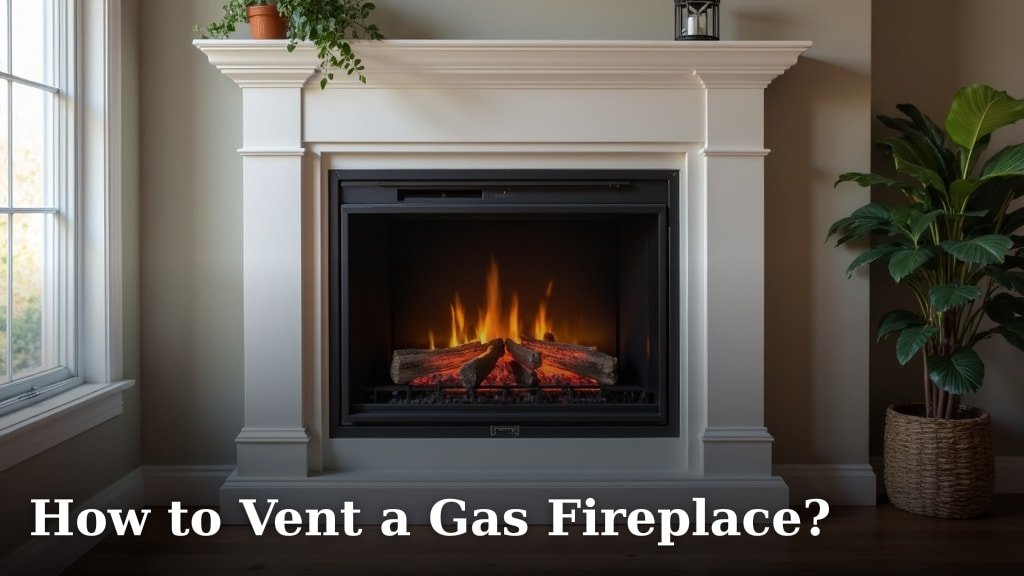
Learn how to vent a gas fireplace safely and effectively. This guide covers the essential steps for proper installation and maintenance.
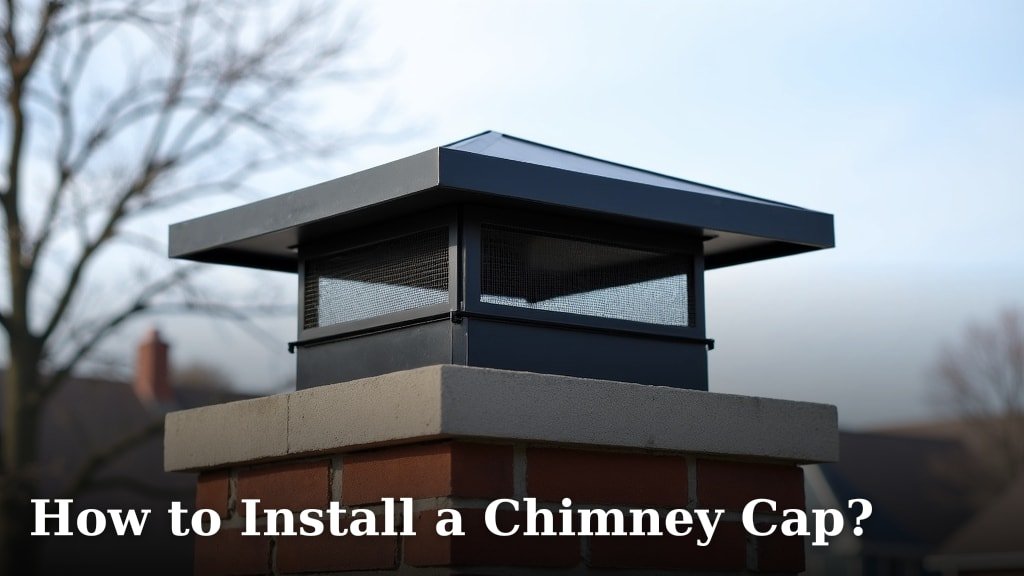
Learn how to install a chimney cap effectively to protect your home from rain, snow, and animals. Get step-by-step guidance for a successful DIY project.
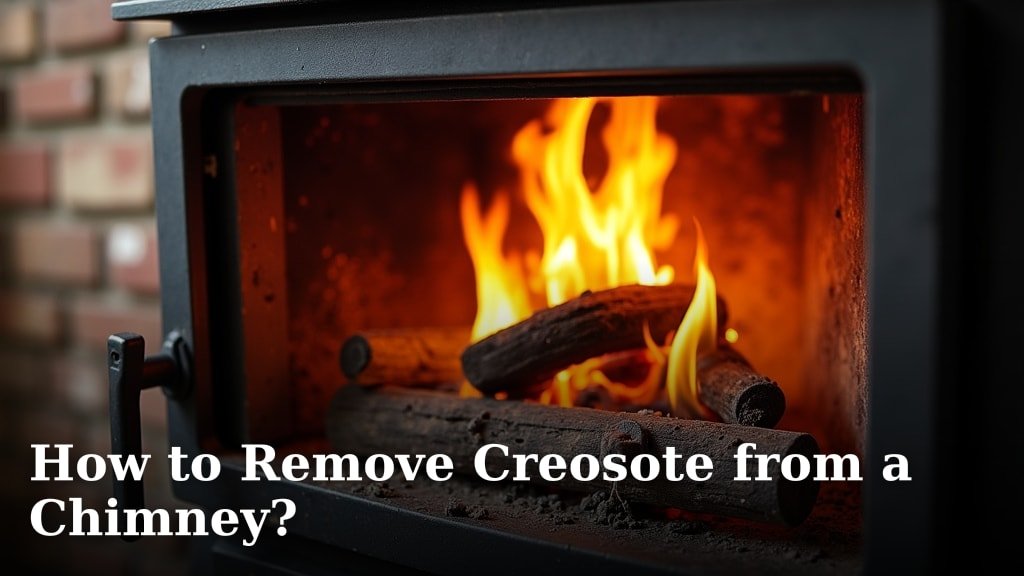
Learn how to remove creosote from your chimney safely and effectively. Discover methods, tools, and precautions to keep your home secure.
Discover if you need to clean your chimney every year. Learn key factors for chimney safety and maintenance to protect your home.
Wood stove chimney installation cost depends on chimney type, height, roof work, and labor. Learn what affects an estimate and which details to discuss with.

To reduce creosote buildup in your chimney, you should burn only seasoned firewood that has been split and dried for at least six months. Keeping your fire

Discover the 7 best creosote removers for chimneys in our fresh, hands-on review. Find the perfect solution to keep your chimney clean and safe.

Find the best chimney brush for your wood stove with our top 7 picks. Fresh, hands-on reviews to help you clean safely and efficiently.

Is your fireplace smoking? Learn how to fix a smoking fireplace with expert tips, identifying common causes and practical solutions for a clear, safe fire.
Do wood stoves need a chimney? Discover the essential venting requirements for safe and efficient operation, ensuring your stove performs optimally.
Discover the average cost of chimney cleaning, factors affecting pricing, and what to expect from a professional service to help you budget wisely.
Uncover the common culprits behind chimney fires, from creosote buildup to poor maintenance. Learn how understanding these causes can protect your home.
Learn how often a chimney should be swept, what affects cleaning frequency, and which signs point to buildup. Get guidance on keeping a fireplace or stove.
Why does your chimney smell like smoke? Discover common causes like creosote buildup, poor drafting, and moisture, and learn how to resolve these issues.
Troubleshoot your wood stove not drafting properly. Discover common causes from chimney issues to air leaks and learn how to restore efficient burning.
Learn what creosote buildup is, how it forms in your chimney, and why understanding this dangerous byproduct is crucial for your home's safety.

Learn how to clean a chimney safely and effectively. This guide covers essential tools, step-by-step instructions, and vital safety tips for a thorough clean.
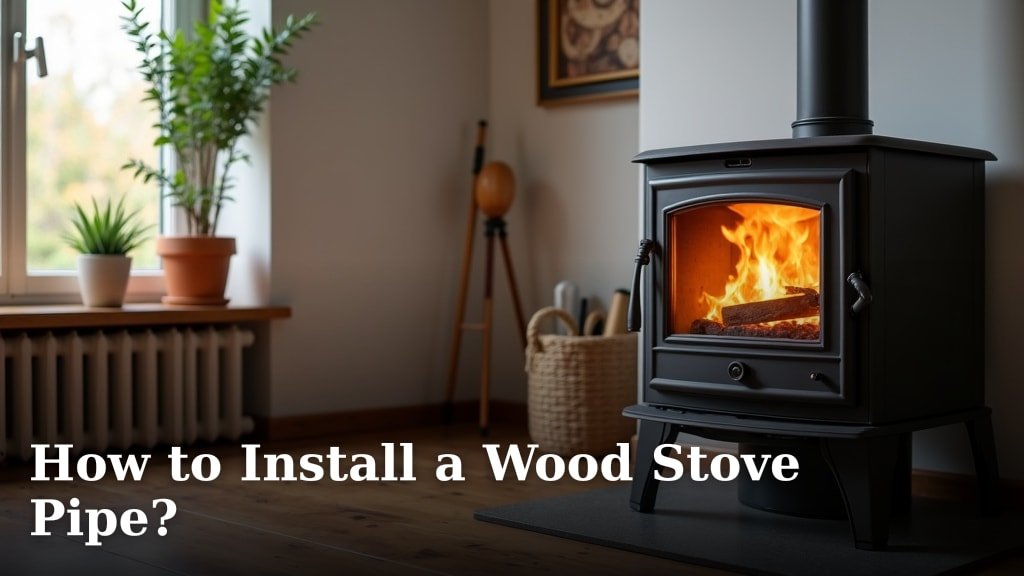
Learn how to install a wood stove pipe safely and efficiently. This guide covers essential steps for a secure and functional setup.
The best chimney cap for high winds features a multi-flue design with aerodynamic construction and secure mounting systems that prevent wind damage and
Direct vent gas fireplaces use a sealed combustion system that draws air from outside and vents exhaust back out, while B-vent fireplaces pull air from inside
Installing a chimney liner typically costs between $2,500 and $7,000 for most homes, depending on the liner type and chimney height.
Installing a chimney sweep access door typically requires cutting a rectangular opening in your chimney, installing the door frame, and sealing it properly
Fireplace venting rules for multi-story homes require separate venting systems for each fireplace, with proper clearances between termination points to
Learn how to install a chimney rain cap, choose a cap that fits, and secure it to the flue. Follow basic safety steps and check that the cap allows proper.
Pour-in chimney liner insulation fills gaps completely and costs less, while blanket insulation provides superior thermal protection but requires more
Installing a chimney crown seal requires cleaning the crown surface, applying sealant to all cracks and joints, and allowing 24-48 hours drying time before
You can install a fireplace without an existing chimney by choosing electric, gas (direct vent or ventless), or ethanol models that don’t require
Yes, you can run a wood stove flue through a wall, but it requires proper installation with a thru-wall chimney system and strict adherence to building codes.
Installing a chimney liner for a gas furnace requires measuring your chimney, choosing the right liner size, and connecting it properly to your furnace vent
Wood stove pipe diameter affects draft efficiency, heat output, and installation requirements. The 6-inch wood stove pipe provides better draft and works with
Most pellet stoves do not need a traditional chimney, but they do require proper ventilation through a direct vent pipe to the outside.
Chimney cap size depends on the flue or crown measurements and cap style. Learn how to measure the opening, choose a fit, and avoid blocking proper airflow.
Learn how to install a chimney fan to address draft issues, from checking compatibility to mounting and wiring. Review safety steps and when to hire a.
You cannot vent a gas fireplace directly through a window because it violates safety codes and creates dangerous carbon monoxide risks.
Double wall stove pipe offers better safety and performance than single wall pipe due to superior insulation and reduced clearance requirements from
Learn how to install a chimney pot, including how to check dimensions, prepare the crown, and secure the pot. Review access and safety needs before starting.
Sealing a chimney register plate requires high-temperature caulk or gasket material around the edges where the plate meets the chimney walls. This prevents
Your chimney must extend at least 3 feet above the highest point where it penetrates your roof, and 2 feet higher than any roof structure within 10 feet
Vented gas logs require a fully functional chimney or flue for installation, while ventless gas logs can be installed in any room without venting requirements.
Connecting a wood stove to an existing chimney requires proper sizing, inspection, and installation of a stainless steel liner with appropriate clearances.
Installing a twin wall flue system requires careful planning, proper tools, and following building regulations to ensure safe operation of your heating
Installing a fireplace insert in masonry chimneys requires connecting the insert to your existing chimney liner and securing it properly inside the firebox
Venting a pellet stove through a wall requires a horizontal vent pipe with proper clearances, a wall thimble, and adequate termination outside your home.
Class A chimney pipes handle temperatures up to 2100°F and are designed for solid fuel appliances like wood stoves, while Class B pipes handle up to 480°F and
Installing a chimney liner for wood stoves requires removing the damper, measuring the chimney, and feeding a flexible stainless steel liner down from the
A fireplace not drafting can send smoke into the room instead of up the chimney. Learn common causes, from a blocked flue to cold air, and steps to improve.
Using dry wood with moisture content below 20% is the most effective way to prevent creosote buildup in your fireplace or wood stove chimney.
To start a fire in a cold chimney without smoke, you need to warm the chimney first by creating an updraft before lighting your main fire.
Install a chimney cap, repair damaged crown mortar, and ensure proper flashing to stop rain from entering your chimney flue effectively.
A chimney crown vs. cap comparison shows where each part sits and what it protects. Learn how to spot cracks, water damage, or a missing cap before.
A chimney balloon is an inflatable device that you insert into your chimney to block cold air drafts and prevent heat loss from your home.
A chimney cricket is a triangular metal structure installed behind your chimney to divert water away from the base and prevent leaks.
Stop chimney downdrafts on windy days by installing a chimney cap, wind-directional cap, or draft-inducing fan to redirect airflow away from your chimney
To get a bird out of your chimney flue safely, turn off your fireplace, open a single exit door, dim the lights, and wait quietly for the bird to fly toward
Waterproofing a masonry chimney involves applying waterproof sealers to prevent water damage and structural issues. You can complete this DIY project in a
To safely remove bird nests from your chimney, wait until nesting season ends (typically September through February), then hire a certified chimney
Basement fireplace draft issues stem from poor air circulation, improper chimney height, and inadequate combustion air supply that creates negative pressure
Chimney fire warning signs include white staining on the outside of your chimney, a strong smell like hot metal, and loud cracking or popping sounds coming
Cleaning a stainless steel flue liner requires turning off your heating system, allowing it to cool completely, and using specialized brushes with mild
You can test your chimney for dangerous leaks using simple methods like visual inspection, smoke tests, and checking for water damage around your fireplace
Creosote logs vs. chimney sweeps: learn what each can do for chimney buildup and why a professional inspection and cleaning may still be needed for safe use.
Learn how to seal leaky chimney flashing by finding the source, choosing a suitable repair, and preparing the area. Know when damaged flashing needs a roofer.
You can stop cold air from coming down your chimney by installing a chimney damper, using a chimney balloon, or adding a chimney cap with proper ventilation.
Clean pellet stove vent pipes every three months or after every two tons of pellets to prevent dangerous blockages and maintain safe operation.
A fireplace smoking indoors may have a blocked flue, weak draft, or damp wood. Learn how to narrow down the cause and what to check before lighting another.
Your chimney damper is open if you can see daylight when looking up the chimney from below, or if you feel cold air coming down.
A chimney cap vs. cowl comparison explains how each protects or improves a chimney. Learn how rain, animals, and draft affect which option your home may need.
Creosote buildup in your chimney creates dangerous fire hazards and releases toxic fumes that can seriously harm your family’s health.
How often to sweep your chimney depends on use, fuel, and buildup. Learn when to schedule an inspection and cleaning, and how regular care can reduce fire.