How to Make Kindling?
On this page (9 sections)
Making kindling yourself is a simple and effective way to ensure you always have fuel for your fire. You can easily prepare dry, flammable material from common household items and yard waste. This process takes very little time and saves you money.
Having good kindling on hand makes starting fires much easier. It’s the initial spark that catches onto larger pieces of wood. Proper kindling helps your fire build quickly and burn efficiently. It’s essential for campfires, wood stoves, and fireplaces.
- Gather dry materials like newspaper, cardboard, or small twigs.
- Shred or cut materials into manageable, finger-sized pieces.
- Ensure everything is completely dry before storing.
- Store kindling in a dry place, away from moisture.
Ready to get your fire going without a fuss? Let’s walk through the simple steps to make your own perfect kindling.
Preparing Your Own Firewood Kindling
Making your own kindling is a smart way to save money and ensure you always have a fire ready to go. You don’t need fancy tools or rare materials. Many common items around your house and yard can be transformed into perfect fire starters. We’ll show you how to gather, prepare, and store them effectively.
What Exactly Is Kindling?
Kindling is the small, dry material that catches the initial flame from a match or lighter. It’s the bridge between your spark and your larger firewood. Think of it as the baby steps for your fire. It needs to be thin and very flammable to catch easily. Without good kindling, getting a fire started can be a frustrating experience. Many experts agree that proper kindling is the most overlooked part of fire building (National Fire Protection Association).
Why Make Your Own Kindling?
Buying pre-made kindling can add up quickly. Plus, you might not always have access to it when you need it. Making it yourself means you control the quality and quantity. You can use materials you already have, which is great for your wallet and the environment. It’s also a satisfying skill to have.
Key Characteristics of Good Kindling
The most important thing about kindling is that it must be bone dry. Even a little bit of moisture will make it difficult to light. It also needs to be in small, manageable pieces. Think pencil-lead thin to pencil-thick. These smaller pieces have more surface area relative to their volume, allowing them to ignite easily and burn long enough to catch larger fuel.
Gathering Your Kindling Materials
You’d be surprised what can become excellent kindling. The key is to find things that are dry and readily available. You can often find a good supply just by looking around your home and yard. Always aim for materials that are lightweight and have a somewhat porous structure.
Household Items That Work Wonders
Many items destined for the trash can become excellent fire starters. Newspaper is a classic for a reason. Its thin pages catch fire quickly. Cardboard, like from cereal boxes or shipping containers, is also fantastic. Just be sure to avoid glossy or waxy cardboard, as it can produce unpleasant fumes. Dryer lint is surprisingly effective, too! It’s incredibly fine and ignites with the slightest spark. Cotton balls soaked in petroleum jelly are another popular choice for a long-burning, reliable starter.
Yard Waste: Nature’s Kindling Supply
Your backyard can be a treasure trove for kindling. Small, dead twigs and branches are perfect. Look for ones that snap easily – this indicates they are dry. Pine cones, especially when dry, catch fire well. Birch bark is also legendary for its flammability, even when slightly damp, due to its natural oils. Just remember to gather fallen materials and avoid damaging living trees.
What to Avoid When Gathering Kindling
Not everything makes good kindling. Avoid anything that is wet, moldy, or treated with chemicals. Pressure-treated lumber, for example, releases toxic fumes when burned. Painted wood can also be problematic. You also want to steer clear of plastics and synthetic materials, which can melt and produce harmful smoke rather than a clean flame.
Preparing Your Kindling for the Fire
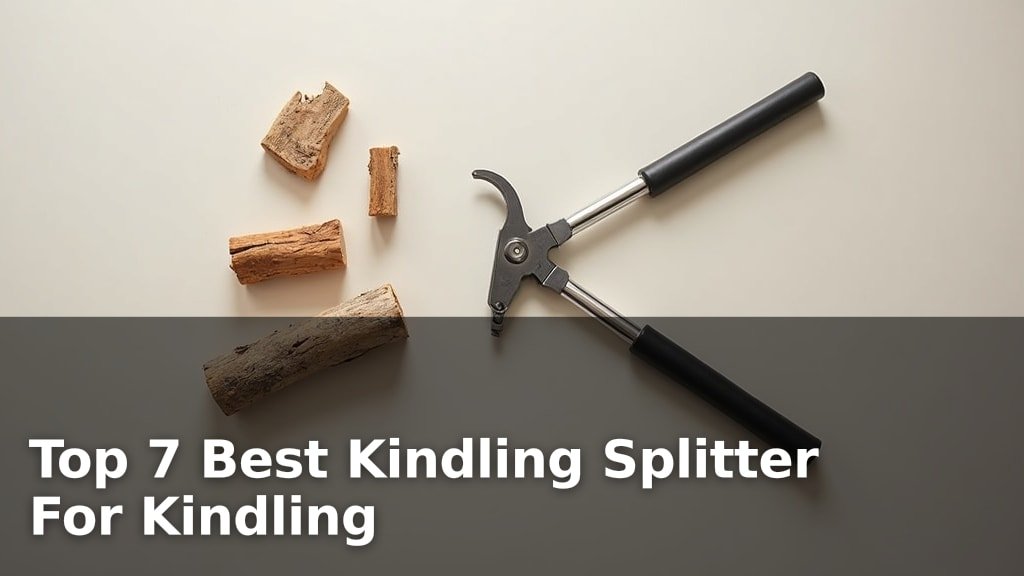
Once you’ve gathered your materials, a little preparation goes a long way. The goal is to make them easy to ignite and to burn efficiently. This usually involves breaking them down into the right sizes and ensuring they are completely dry. A kindling splitter for firewood can help prepare small pieces from twigs and branches.
Shredding and Cutting Techniques
For paper and cardboard, shredding is your best friend. You can tear it into strips or use a paper shredder if you have one. The thinner and more numerous the strips, the better. For twigs and branches, you’ll want to break or cut them into lengths that are roughly the diameter of a pencil, or slightly thinner. You don’t need a chainsaw for this; a good pair of pruners or even just snapping them by hand can work. For cardboard, cutting it into small, irregular pieces can help it catch fire more readily.
The Drying Process: Every Drop Counts
This is arguably the most critical step. If your kindling isn’t dry, it simply won’t light properly. If you’ve gathered wet materials from your yard, spread them out in a sunny, dry spot for a few days. Indoors, you can place them near a heat source, but be cautious. Some people use a food dehydrator on a low setting for small batches of very fine kindling, like cotton balls or dryer lint. For larger amounts, an oven on its lowest setting (around 150-200°F or 65-95°C) can speed up the drying process, but always supervise this carefully and ensure there’s no risk of fire.
Testing for Dryness
How do you know if your kindling is dry enough? A simple test is to try to snap a piece. If it breaks cleanly with a crisp snap, it’s dry. If it bends or feels even slightly pliable, it needs more time to dry. You can also place a small sample in a sealed plastic bag overnight. If you see any condensation inside the bag the next morning, your kindling is still too wet.
Storing Your Homemade Kindling
Proper storage is just as important as proper preparation. You want your hard work to pay off when you need a fire. Keeping your kindling dry and accessible is key.
Protecting Kindling from Moisture
The enemy of kindling is moisture. Store your prepared kindling in a waterproof container. This could be a plastic bin with a lid, a sturdy cardboard box that you’ve sealed, or even a canvas bag. Keep this container off the ground, perhaps on a shelf in your garage, shed, or a dry corner of your basement. Avoid storing it directly on concrete floors, which can draw moisture.
Accessibility for Quick Fires
It’s a good idea to keep a small supply of your best kindling readily available indoors, especially if you use a fireplace or wood stove regularly. A small basket or box near your fire pit or wood stove can be very convenient. Just be sure it’s not too close to the heat source itself. Many fire safety guidelines recommend keeping flammable materials at a safe distance from heat sources (U.S. Fire Administration).
Kindling Checklist: Get Ready to Burn!
Here’s a quick rundown to ensure you’ve got your kindling game sorted:
- Gathered a variety of dry, natural materials.
- Shredded paper and cardboard into thin strips.
- Cut twigs and branches to pencil-like thickness.
- Ensured all materials are completely dry.
- Stored kindling in a sealed, waterproof container.
- Kept a small amount easily accessible indoors.
Different Types of Kindling: A Quick Comparison
While most dry, flammable materials will work, some perform slightly better than others. Here’s a quick look:
| Kindling Type | Pros | Cons |
|---|---|---|
| Newspaper/Paper | Readily available, ignites very easily. | Burns very quickly, can blow away easily. |
| Cardboard | Easy to find, burns longer than paper. | May contain glues/inks, avoid glossy types. |
| Dry Twigs/Small Branches | Natural, consistent burn, readily available in many areas. | Must be thoroughly dry, can be harder to find in urban settings. |
| Pine Cones | Natural, burn well with a pleasant scent. | Can be inconsistent, may spark more than others. |
| Birch Bark | Highly flammable, burns well even if slightly damp. | Requires responsible foraging, can be harder to find. |
| Dryer Lint/Cotton Balls | Extremely fine, ignites with minimal effort. | Burns very fast, best used with a slightly longer-burning starter. |
Having a mix of these can be very helpful. A fast-burning paper starter can quickly ignite a slightly slower-burning twig, creating a sustained flame to catch your main logs.
Conclusion
You’ve learned that making your own kindling is a smart and cost-effective practice. By using common household items and yard waste, you can ensure you always have the perfect fuel to start your fires. Remember, the key is to gather dry materials, prepare them into small, manageable sizes, and store them properly to protect them from moisture. Take a moment today to gather a few items and prepare your first batch. Your future self, enjoying a warm fire with ease, will thank you.
Frequently Asked Questions
How long does homemade kindling last?
Properly stored, your homemade kindling can last for a very long time, often indefinitely. The most important factor is keeping it completely dry. If it remains protected from moisture, it will be ready to use whenever you need it.
Can I use dryer lint as kindling?
Yes, dryer lint is excellent kindling! It’s very fine and ignites easily with a spark. Just be sure it’s completely dry and free from any fabric softener residue that might hinder its burn. It’s best used to quickly catch a flame that will then ignite slightly larger material.
What if my kindling gets wet?
If your kindling gets wet, you’ll need to dry it out again thoroughly before use. Spread it out in a warm, dry place, ideally in the sun. You can also use a low oven setting, but always supervise it closely to prevent any fire hazards.
Is cardboard a good kindling choice?
Cardboard makes great kindling, especially from plain boxes. It burns longer than newspaper and is readily available. Just avoid glossy or waxy cardboard, as these can release unpleasant fumes when burned.
How much kindling do I need to start a fire?
The amount varies depending on the type of fire and your fuel. Generally, you’ll want a handful or two of your smallest, fastest-burning kindling (like shredded paper) to establish an initial flame. Then, gradually add slightly larger pieces as the fire grows.