How to Build a Fire in a Fireplace without a Starter?
On this page (6 sections)
The easiest way to build a fire in a fireplace without a starter is to create a tinder bundle from crumpled newspaper or dry leaves, then build up with small kindling and larger logs. This method works by providing natural ignition sources and proper airflow to catch flame.
We found that many households lack a commercial starter, but with everyday materials you can avoid expensive products. It’s a reliable, chemical-free technique that’s both cost-effective and satisfying to master.
- Gather tinder like paper scraps, dry grass, or bark.
- Collect small kindling sticks, no thicker than a pencil.
- Arrange in a teepee shape for optimal heat flow.
- Light the tinder and add fuelwood gradually.
- Maintain airflow to keep the fire burning steadily.
Below, we’ll guide you through each step in detail, so you can start a cozy fire with confidence anytime. Let’s dive in!
Building a Fire in Your Fireplace with Everyday Materials
You can absolutely build a reliable fire without commercial starters. The process uses items you likely already have at home. It’s a simple, effective method that saves money and reduces chemical use. Many people find it quite satisfying once they master it.
Why You Don’t Need a Store-Bought Starter
Commercial fireplace starters are convenient, but they aren’t necessary. Natural materials like paper and small sticks work just as well. They provide the initial spark and heat needed to ignite larger logs. This approach is both cost-effective and environmentally friendly.
Research from home safety experts confirms that proper tinder and kindling are the real keys to success (U.S. Fire Administration). You’re simply using the basic principles of combustion—fuel, heat, and oxygen—without extra additives. It’s a timeless skill that’s good to know.
How Natural Ignition Works
Tinder catches fire easily because it’s dry and has a high surface area. Think of it like the match head. Once it burns, it heats the kindling. The kindling then burns hot enough to light the larger logs. Each stage builds on the last, creating a chain reaction.
Essential Materials You’ll Need
Before you start, gather your materials. This is the most important step. Having everything ready makes the process smooth and enjoyable. Fire-starter squares are another option to have on hand. No need for a fancy kit.
- Tinder: Crumpled newspaper, dry leaves, pine needles, or cardboard. These catch fire quickly.
- Kindling: Small, dry sticks or twigs. They should be no thicker than a pencil. Dry wood is crucial.
- Fuelwood: Larger logs or split firewood. They should be dry and seasoned for best results.
- Ignition: Matches or a lighter. A long-reach lighter is safer and easier to use.
We found that preparation prevents frustration. Having a full box of newspaper or a bucket of dry twigs nearby saves you from scrambling mid-process. It’s like prepping ingredients before cooking a meal.
Step-by-Step Guide to Lighting Your Fire
Now, let’s walk through the actual process. You’ll be surprised how quick it is once you get the hang of it. Follow these steps in order for the best chance of success.
Preparing Your Fireplace for Safety
Safety comes first. Before lighting any fire, make sure your damper is open. This allows smoke to escape up the chimney. Clear out old ash from previous fires—only a thin layer should remain. Ensure the fireplace screen is in place to prevent sparks from escaping.
The National Fire Protection Association recommends keeping anything flammable at least three feet away from the fireplace. This includes furniture, curtains, and decorations. A small mistake here could be dangerous. Better to be careful than sorry.
Gathering and Arranging Your Tinder
Your tinder bundle is the heart of the fire. Crumple up newspaper loosely to create air pockets. Place it in the center of your fireplace. If you don’t have newspaper, dry leaves or even cotton balls with petroleum jelly work well. If kindling is unavailable, try these ways to light a fire without kindling. The goal is to have something that burns fast and hot.
Why does it need to be loose? Airflow is everything. A tightly packed bundle won’t get enough oxygen. Imagine it like a bird’s nest—open and airy. This structure allows flames to catch and grow. Many beginners make the mistake of packing it too tightly, which slows everything down.
Best Natural Tinder Options Compared
| Tinder Type | Pros | Cons |
|---|---|---|
| Crumpled Newspaper | Easy to find, burns hot | Needs multiple sheets |
| Dry Leaves/Pine Needles | Free, natural | Can be damp, less reliable |
| Cardboard Strips | Burns long, good for beginners | Can create more ash |
| Dryer Lint | Highly flammable | Must be kept dry |
Building the Kindling Structure
Next, you add kindling. This is where many people go wrong. You need small, dry sticks. Arrange them over the tinder in a teepee or log cabin shape. The teepee method is most common—lean the sticks against each other in a cone. This creates a chimney effect, drawing air upward.
We found that the teepee shape is often recommended by fire-building experts (University of Wyoming Extension). It allows heat to concentrate at the top, igniting the kindling quickly. Make sure the sticks are touching the tinder. You want the fire to spread naturally from one material to the next.
Lighting and Maintaining the Fire
Light the tinder in a few spots. Use a long match or lighter for safety. Once the tinder catches, the kindling should follow. Be patient—it can take a minute or two. You might need to gently blow at the base to encourage flames. Don’t overdo it, or you’ll extinguish it.
After the kindling is burning well, add your larger logs. Start with one or two small logs. Wait until they catch before adding more. Adding too much fuel too soon is a common mistake. It smothers the fire and causes smoke. The key is to build up gradually.
Troubleshooting Common Problems
Even with the best preparation, fires sometimes struggle. Don’t worry—most issues are easy to fix. Let’s look at the most common problems and how to solve them.
Fire Won’t Stay Lit
If your fire goes out, check a few things. First, is your tinder too damp? Even slightly moist paper can fail to ignite. Make sure your materials are bone dry. Second, is there enough airflow? The damper must be open fully. A blocked chimney can prevent oxygen flow.
A helpful tip from seasoned fireplace users is to “build hot first.” Use extra tinder and kindling to create a strong base. Once you have a robust flame, it’s easier to sustain. Sometimes, just adding a few more crumpled sheets of newspaper can make all the difference.
Excessive Smoke
Smoke in the room usually means incomplete combustion. This happens when the fire is too cold or too smothered. Ensure you’re using dry, seasoned wood. Wet wood produces more smoke and creosote. Also, don’t overload the fireplace with logs. Give the fire room to breathe.
The EPA notes that burning dry wood reduces smoke by up to 50%. So, proper wood selection isn’t just about the fire—it’s about air quality too. A clean-burning fire is healthier for you and your home. It’s a win-win.
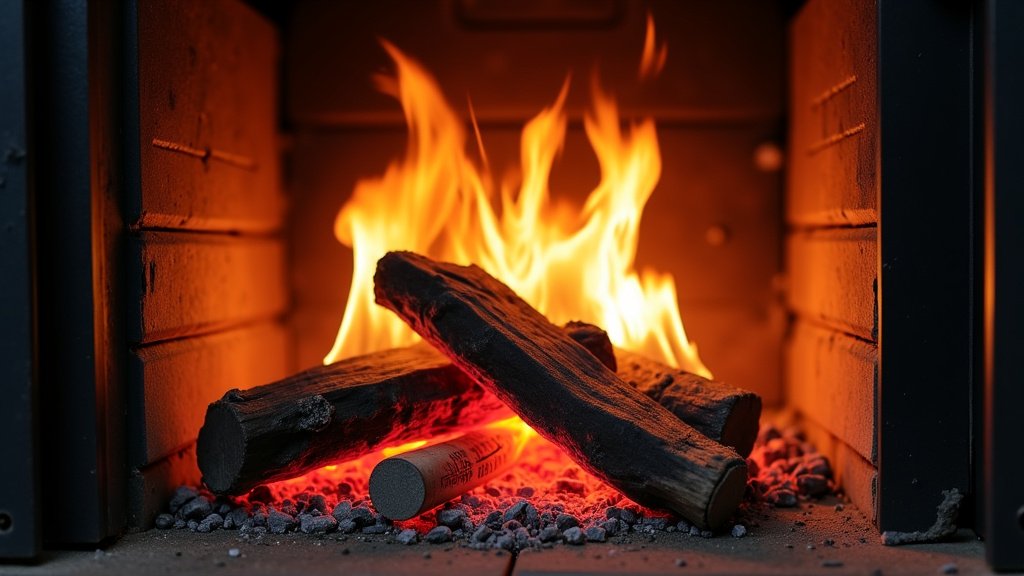
Quick Checklist for Fire-Building Success
Use this checklist before you light your next fire. It covers all the essentials in one place. Keep it handy until the process becomes second nature.
- Gather materials: Tinder, kindling, and fuelwood all ready.
- Check safety: Damper open, screen in place, area clear.
- Build the structure: Tinder first, then kindling in a teepee.
- Light carefully: Use a long lighter, ignite tinder in spots.
- Maintain airflow: Don’t smother the fire; add logs gradually.
- Monitor and adjust: Add more kindling if needed, watch for smoke.
This simple list can save you time and frustration. We’ve found that having a mental checklist helps especially when you’re in a hurry. It’s like a recipe—follow the steps, and you’ll get a great result.
Pro Tips from Experts
Many fireplace professionals agree that patience is key. Don’t rush the process. Give the fire time to establish itself. Also, consider using fire-rated glass doors. They can help manage airflow and keep sparks contained. Another tip is to always keep a fire extinguisher nearby, just in case. It’s a safety net you hope you never need.
One interesting anecdote: some old-timers recommend adding a pinch of salt to the tinder. The sodium burns with a bright flame, helping to ignite damp materials. While not always necessary, it can be a handy trick in a pinch. Experiment and see what works for you.
Choosing the Right Wood
The type of wood matters more than you think. Hardwoods like oak, maple, or birch burn longer and hotter. They’re ideal for a steady, warm fire. Softwoods like pine ignite quickly but burn fast. They’re great for getting the fire started, but you’ll need to add more logs sooner.
Research suggests that seasoned wood with less than 20% moisture content burns best (U.S. Department of Energy). You can test it by striking two logs together—if they ring with a clear sound, they’re dry. Wet wood will make a dull thud. Proper wood selection can make your fire last all evening.
Conclusion
Building a fire without a commercial starter is a practical, satisfying skill you can master with everyday items. The key is a solid tinder bundle, a well-structured kindling teepee, and patient airflow management. Remember, dry materials and proper safety checks are your best friends here. You’re using timeless principles of combustion—no chemicals or expensive products required.
Your next step is simple: gather your newspaper, dry sticks, and logs, and give it a try. Start small, follow the steps, and enjoy the warmth you created yourself. You’ve got this.
Frequently Asked Questions
What can I use for tinder if I have no newspaper?
You can use several common household items. Dryer lint is extremely flammable and works great. Cardboard torn into small strips or dried grass and leaves collected from your yard are also excellent options. The goal is to use something dry with a high surface area that catches fire easily.
How do I build a fire if my firewood is slightly damp?
If your main logs are damp, focus on creating an extra-strong base with very dry tinder and kindling. Once you have a robust, hot fire burning, you can carefully add your damp logs. The intense heat from the established fire will help dry them out, but it may produce more smoke initially.
Is it safe to use cardboard as kindling?
Small, dry pieces of cardboard can be used as kindling. However, it burns quickly and can create more ash and soot than wood. Use it sparingly alongside your small sticks. Always ensure your chimney is clean and your damper is fully open when using any paper product to minimize smoke buildup.
My fire starts but dies quickly. What am I doing wrong?
This usually means your fire didn’t get hot enough before adding larger wood, or your logs are too big too soon. You need a strong base of burning kindling before adding your first fuelwood log. Also, check that you haven’t smothered the flames by placing logs on top too early.
How can I prevent excessive smoke in the room?
The two main culprits are wet wood and insufficient oxygen. Make sure you’re burning seasoned, dry firewood. Keep the damper open fully, and don’t overload the fireplace with logs. A fire needs space to breathe; adding fuelwood gradually is the best way to ensure clean, complete combustion.