Can You Burn Green Wood in a Fireplace?
On this page (7 sections)
No, you generally should not burn green wood in your fireplace. Green wood is wood that has not been properly seasoned, meaning it contains a lot of moisture. Burning it creates plenty of smoke and doesn’t produce much heat.
When you try to burn wet wood, you’ll notice a difference right away. It will crackle and sputter a lot more than dry wood. This is because the fire is working hard to evaporate the water. Research shows this can lead to creosote buildup in your chimney, which is a real fire hazard.
- Burning green wood is a bad idea.
- It’s full of too much moisture.
- You’ll get lots of smoke, little heat.
- It can cause dangerous chimney fires.
- Always burn seasoned wood for a safe, warm fire.
Let’s walk through why burning green wood is generally a no-go and what you should be looking for instead to get the best fire going.
What Happens When You Burn Green Wood?
Burning green wood in your fireplace is a common mistake many people make. You might think any wood will do the job. But green wood is simply not ready for the fire.
Think of it like trying to cook a steak straight from the freezer. It won’t cook evenly, and the results won’t be very tasty. Green wood is similar. It has too much water inside to burn well.
This high moisture content causes a host of problems. The fire struggles to get going. It smokes a lot. And it doesn’t produce much heat. You’ll likely end up with a smoldering, unhappy fire. It’s really a frustrating experience for anyone wanting a warm home.
Understanding “Green” Wood vs. Seasoned Wood
So, what exactly is “green” wood? It’s wood that has been recently cut. It hasn’t had time to dry out properly. Most experts agree that wood needs time to season. This means letting it sit for months, or even over a year, to release its moisture.
Seasoned wood, on the other hand, is dry. The water content has been reduced. This makes it much easier to ignite. It burns hotter and cleaner. You can usually tell seasoned wood by its appearance and sound. It’s often lighter in color and may have cracks at the ends.
When wood is green, it holds a lot of water within its cellular structure. This water has to go somewhere when you try to burn it. The fire expends a huge amount of energy just trying to boil that water away. This leaves less energy for actual combustion, which is what creates heat and light.
The Moisture Content Difference
We found that green wood can have a moisture content of 50% or even higher. That’s a lot of water! Seasoned firewood, by contrast, should ideally be below 20% moisture content. Many guides suggest aiming for 15-20% for optimal burning.
This dramatic difference in moisture levels is the core reason why green wood is so problematic. The fire basically fights against itself to burn.
How to Identify Green Wood
There are a few tell-tale signs. Green wood often feels heavy for its size. It might look a bit darker than seasoned wood. You might even see sap oozing from the bark. When you knock two pieces together, green wood tends to make a dull thud. Dry wood makes a clear, ringing sound.
A moisture meter is the most accurate tool. You can buy one for a reasonable price. Stick the probes into a freshly split piece of wood. A reading above 20-25% generally indicates it’s still too wet to burn efficiently. This simple tool can save you a lot of frustration.
The Problems with Burning Green Wood
You’ve heard it’s not ideal, but let’s break down exactly why you shouldn’t burn green wood. The consequences range from minor annoyances to serious safety concerns.
Reduced Heat Output: A Chilly Fireplace
Your main goal for a fireplace is usually to generate heat. Burning green wood sabotages this. As we mentioned, the fire uses its energy to vaporize water. This means less energy is available to heat your home. You’ll be sitting in front of a smoky, sputtering fire that offers little warmth.
It’s like trying to fill a bucket with a hose that has a huge leak. A lot of the effort is wasted. You won’t get the cozy warmth you’re hoping for on a cold evening. You might even find yourself feeling colder because of the draft from the chimney trying to pull in air for the struggling fire.
Excessive Smoke and Poor Air Quality
Green wood doesn’t combust completely. This incomplete combustion releases a lot more smoke. You’ll notice your fireplace filling with smoke. It can start to drift into your living room. This isn’t just unpleasant; it’s also bad for your air quality.
The smoke contains particulate matter. These tiny particles can irritate your lungs and eyes. Health organizations like the EPA recommend minimizing exposure to wood smoke. Burning green wood is a surefire way to increase indoor air pollution. It can make breathing difficult for anyone sensitive to smoke.
The Dangerous Creosote Buildup
This is perhaps the most critical reason to avoid green wood. The smoke from burning green wood is thick with unburned particles and moisture. This mixture cools as it rises in your chimney. It condenses on the chimney walls.
This sticky, tar-like substance is called creosote. Research and fireplace safety guidelines consistently warn about creosote. It’s highly flammable. Over time, creosote builds up. It can form thick, glazed layers inside your chimney flue.
What is Creosote Exactly?
Creosote is essentially a byproduct of incomplete combustion. It contains volatile organic compounds. When the smoke cools rapidly in the chimney, these compounds don’t burn off. They stick to the cooler surfaces. This creates a tarry residue.
Different types of wood produce different amounts of creosote. But burning wet wood drastically increases the amount produced. It’s a chemical reaction that you don’t want happening in your home.
The Risk of Chimney Fires
A chimney fire occurs when the accumulated creosote ignites. A small spark from your fireplace can travel up the chimney and set the creosote ablaze. These fires burn intensely hot. They can spread rapidly to other parts of your house.
We found that a significant percentage of chimney fires are linked to poor maintenance and burning improper fuel. Burning green wood is a major contributor to this dangerous situation. Regular chimney sweeping is essential, but it’s even better to prevent the problem by burning the right kind of wood.
A chimney fire is terrifying. The sounds can be like a freight train. The heat can crack your chimney liner. It can even cause structural damage to your home. Safety experts strongly advise against any practice that increases creosote buildup. Burning seasoned wood is a key part of preventing chimney fires.
Damage to Your Fireplace and Chimney
Beyond the risk of fire, burning green wood can cause physical damage. The excessive moisture can lead to rot and deterioration in your chimney structure over time. The acidic nature of the smoke can also corrode metal components.
You might also notice more soot. This soot can clog your chimney. It reduces its efficiency and can lead to more smoke backing up into your home. It’s a cycle of problems that starting with green wood creates.
How to Properly Season Your Firewood
If you’re getting your own wood, or even buying it in bulk, understanding seasoning is key. It’s not something you can rush. Patience is your best friend here.
The “Splitting and Stacking” Method
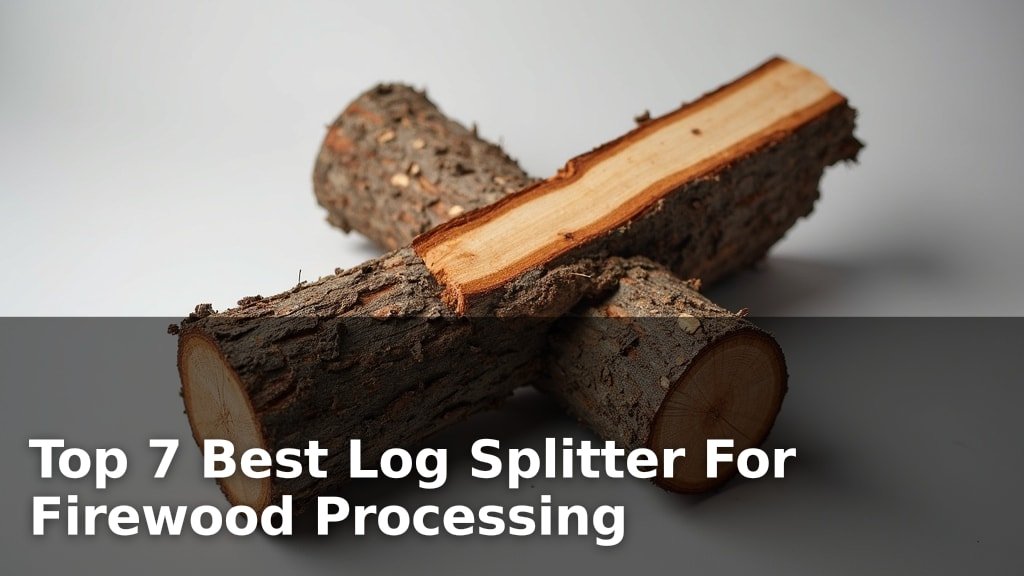
Once logs are cut to size, they need to be split. Splitting exposes the inner wood. This allows moisture to escape more easily. You then need to stack the split wood. Don’t just pile it up. Stack it neatly.
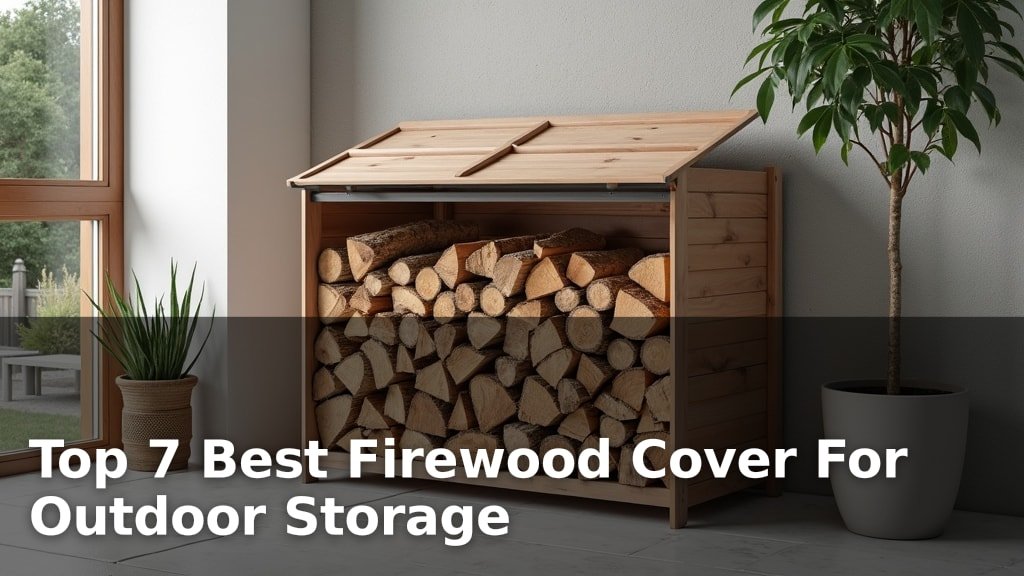
The stack should allow for good air circulation. Elevating the wood off the ground is important. This prevents moisture from being absorbed from the soil. Covering the top of the stack helps keep rain and snow off the wood. But leave the sides open for air to flow through. Many people use a simple tarp or a dedicated wood shed.
How Long Does Seasoning Take?
The drying time depends on several factors. These include the type of wood, the climate, and how it’s stacked. Hardwoods like oak and maple typically take longer to season than softwoods like pine. Many experts suggest a minimum of 6 months. However, 12 to 24 months is often recommended for optimal results.
You should aim for your wood to be seasoned before you need it for the winter. Buying firewood well in advance is a smart move. This gives it time to dry properly.
Quick Checklist for Safe Firewood Use
Want to ensure you’re always burning the best wood? Keep this simple checklist in mind:
- Split your logs: If you buy whole logs, split them for faster drying.
- Stack properly: Allow air to flow freely around the wood.
- Keep it dry: Protect your stacked wood from rain and snow.
- Wait it out: Give your wood at least 6-12 months to season.
- Use a moisture meter: Check the moisture content before burning. Aim for under 20%.
- Inspect your chimney: Get it cleaned and inspected annually by a professional.
Conclusion
You’ve learned that burning green wood in your fireplace is a risky choice. It’s packed with moisture, leading to little heat and excessive smoke. This creates dangerous creosote buildup and significantly increases your risk of a chimney fire. Always prioritize seasoned wood. It burns hotter, cleaner, and safer. Invest in a moisture meter to check your wood before you burn it. This simple step ensures your fires are warm, efficient, and most importantly, safe for your home and family.
Frequently Asked Questions
How do I know if my firewood is dry enough?
The best way to know is by using a wood moisture meter. Stick its probes into a freshly split piece of wood. If the reading is above 20-25%, it’s still too wet. You can also look for signs like wood feeling lighter, having cracks at the ends, and making a ringing sound when tapped.
Can I burn small amounts of green wood without major issues?
While a tiny amount might not immediately cause a massive problem, it’s still not recommended. Even small amounts contribute to creosote buildup and smoke. It’s always best to use properly seasoned wood to maintain a safe and efficient fireplace.
What’s the difference between seasoning and drying firewood?
Seasoning is the process of drying wood naturally over time, typically 6-24 months, allowing moisture to escape. Drying can refer to any method of reducing moisture, but in the context of firewood, “seasoning” implies proper, natural air-drying for optimal burning.
If I buy firewood, how can I be sure it’s seasoned?
When purchasing firewood, ask the seller if it’s seasoned and how long it’s been drying. Reputable sellers will know. You can also ask to test a piece with a moisture meter if possible. Wood that is less than 20% moisture content is considered properly seasoned for burning.
Will burning green wood damage my fireplace over time?
Yes, burning green wood can cause damage. The high moisture content and the resulting acidic smoke can lead to rot in your chimney structure and corrode metal parts. It also contributes to excessive soot buildup, which reduces efficiency and can clog your chimney.