Do You Need to Season Firewood Before Burning?
On this page (6 sections)
Yes, you absolutely need to season firewood before burning it. Burning unseasoned wood can cause smoke issues and a less efficient fire. It’s a simple step that makes a big difference.
Seasoning means letting wood dry out properly, reducing its moisture content. You’ll get a hotter, cleaner burn, which is better for your fireplace and the air. Plus, you’ll avoid a lot of frustration when trying to get your fire started.
- Seasoning wood is essential for a good fire.
- Unseasoned wood smokes more and burns poorly.
- Properly dried wood burns hotter and cleaner.
- It prevents creosote buildup in your chimney.
- Seasoning makes lighting fires much easier.
Let’s find out why seasoning is so important and how you can do it right. We’ll walk you through everything you need to know.
Why Seasoning Firewood is Absolutely Essential
Seasoning firewood isn’t just a suggestion; it’s a critical step for anyone who burns wood. It helps you avoid a host of problems and ensures a much better fire.
You might be wondering what exactly makes seasoned wood so much better. It all comes down to moisture content. Wood, when freshly cut, is full of water.
The Hidden Dangers of Burning Green Wood
Imagine trying to burn a wet sponge. That’s a bit like what happens when you burn green wood. It simply doesn’t want to catch fire easily.
Burning unseasoned wood is not only frustrating but also inefficient. You’ll spend more time coaxing a flame and less time enjoying the warmth.
Excessive Smoke and Creosote Buildup
One of the biggest issues with green wood is the amount of smoke it produces. This isn’t just annoying; it’s a fire hazard.
When unseasoned wood burns, the fire struggles to evaporate all that internal moisture. This process creates a lot of smoke and produces a nasty byproduct called creosote.
Creosote is a tar-like substance that builds up inside your chimney or flue. It’s highly flammable and is a leading cause of chimney fires (Environmental Protection Agency).
Think of it as a sticky, black glue coating the inside of your chimney. The more unseasoned wood you burn, the thicker and more dangerous this layer becomes.
Poor Heat Output and Wasted Fuel
Have you ever noticed your fire hissing and spitting, struggling to put out any real heat? That’s often a sign of wet wood.
A significant portion of the wood’s energy is wasted simply trying to boil off its own internal water. This means less heat radiates into your home.
You end up burning more wood to achieve the same level of warmth. This is both inefficient and costly, as you’ll go through your woodpile faster.
What is Seasoned Firewood, Exactly?
Seasoned firewood is simply wood that has been properly dried. It has a significantly lower moisture content than freshly cut, or “green,” wood.
We found that for most hardwoods, a moisture content of around 20% or less is ideal for burning. If you are considering driftwood, check whether it is safe to burn first. Softwoods can sometimes be a bit lower.
Key Characteristics of Properly Seasoned Wood
How can you tell if your wood is ready to burn? There are several tell-tale signs that indicate good seasoning.
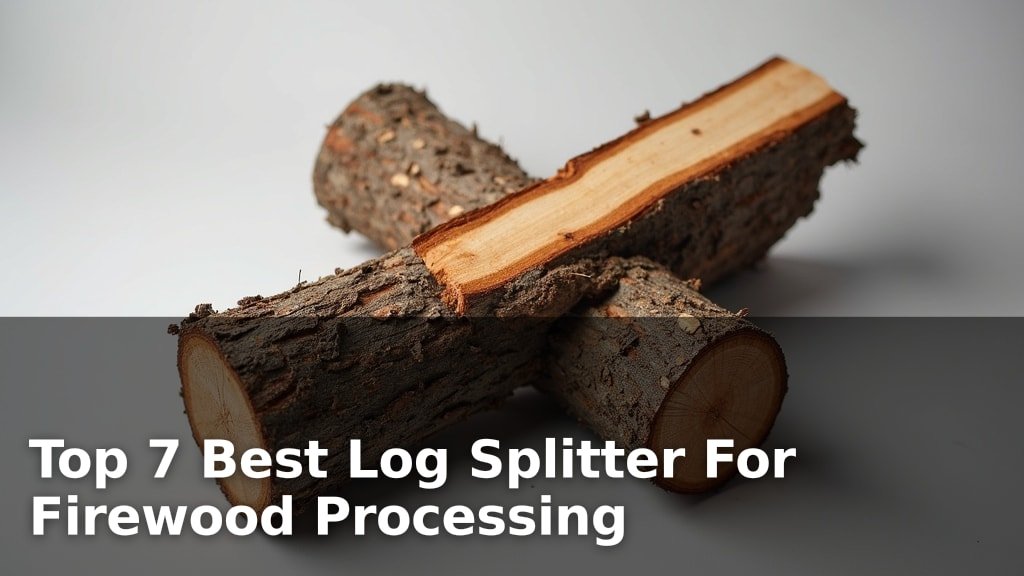
First, look at the ends of the logs. They should show noticeable cracks, sometimes called “checking.” These cracks happen as the wood dries out.
Next, listen to the sound it makes. When you bang two seasoned pieces of wood together, you should hear a clear, hollow ‘clink.’ Unseasoned wood sounds more like a dull thud.
The bark is another good indicator. Seasoned wood often has loose or peeling bark. It will also feel noticeably lighter than a fresh piece of the same size.
Finally, and perhaps most importantly, the color. Seasoned wood will look duller and more faded than the vibrant, fresh look of green wood. It might even have a slightly gray tint.
| Characteristic | Green (Unseasoned) Wood | Seasoned Wood |
|---|---|---|
| Moisture Content | High (30% to 50%+) | Low (15% to 20%) |
| Weight | Heavy | Light |
| End Appearance | Solid, no cracks | Cracked, “checked” |
| Sound (when struck) | Dull thud | Hollow clink |
| Bark | Tight, firmly attached | Loose, peeling |
| Ignition | Difficult, hisses | Easy, catches fire quickly |
| Smoke | Excessive, acrid | Minimal, clean |
| Heat Output | Low, inefficient | High, effective |
How to Properly Season Your Firewood
Seasoning wood isn’t complicated, but it does require patience and the right approach, as explained in this guide to seasoning firewood faster. It’s mainly about providing good air circulation and protection from rain.
The “Four S” Principles of Seasoning
To get your wood perfectly dry, remember the “Four S” principles: Split, Stack, Shelter, and Store.
Split It
Don’t just leave logs whole. Splitting the wood into smaller, manageable pieces is the first and most crucial step. Why?
The moisture in wood primarily escapes from the exposed ends and the split surfaces. By splitting logs, you create more surface area for the water to evaporate.
Smaller pieces dry much faster than large, round logs. Aim for pieces that are a comfortable size for your fireplace or wood stove.
Stack It
How you stack your wood makes a big difference. Don’t just throw it in a pile; that traps moisture.
Stack your wood in neat rows, off the ground if possible. Using pallets or old railroad ties underneath helps prevent ground moisture from wicking into the wood.
Leave gaps between the rows and individual pieces to allow air to flow through. Think of it like a natural drying rack for your wood.
Many experts say to stack wood with the bark side up to shed rain, but also ensure you’re getting plenty of airflow around the sides and ends.
Shelter It
While air circulation is vital, you also need to protect your wood from rain and snow. A simple cover is all it takes.
A woodshed, a lean-to, or even a tarp covering just the top of the stack will work wonders. The goal is to keep the precipitation off while still allowing air to circulate freely around the sides.
Avoid completely enclosing your woodpile. This can trap moisture and actually hinder the drying process, potentially leading to mold or rot.
Store It
Finally, consider where you store your wood. Choose a sunny, breezy location if possible. Sunlight helps warm the wood, encouraging faster evaporation.
The wind carries away evaporated moisture, speeding up the drying process. Avoid damp, shady spots that will slow things down considerably.
And remember, don’t stack your firewood directly against your house. This can create a haven for insects and rodents near your home (Purdue University Extension).
How Long Does Seasoning Take?
This is a common question, and the firewood seasoning time isn’t always exact. It depends on several factors, primarily the type of wood and your local climate.
Generally, most hardwoods like oak, maple, and birch need anywhere from 6 months to 1 year to properly season.
Softer woods such as pine or cedar can often season in a shorter amount of time, sometimes as little as 3-6 months. However, they don’t burn as long or as hot as hardwoods.
If you’re buying wood from a supplier, always ask if it’s seasoned. Don’t just assume it is. It’s perfectly fine to ask for a moisture meter reading.
If you cut your own wood, planning ahead is key. Cut and split your wood in the spring or early summer for use the following winter. This gives it ample time to dry.

The Benefits of Burning Properly Seasoned Wood
Once you start burning seasoned wood, you’ll immediately notice the difference. It’s a game-changer for anyone who relies on a fireplace or wood stove.
Cleaner Burning and Less Maintenance
With seasoned wood, your fires will produce much less smoke. This means a cleaner burn and significantly reduced creosote buildup in your chimney.
Less creosote translates to fewer chimney cleanings and a much lower risk of a dangerous chimney fire. This is a huge benefit for your safety and your wallet.
You’ll also find your fireplace glass stays cleaner, and there will be less lingering smoky smell in your home.
More Heat, Less Work
Seasoned wood burns hotter and more efficiently because the energy isn’t wasted evaporating water. This means you get more warmth from each piece of wood.
Fires are easier to start and maintain. You won’t spend precious time fussing with reluctant logs. They’ll catch fire quickly and sustain a steady, hot flame.
Ultimately, you’ll use less wood to heat your home, saving you money and effort throughout the colder months. Who doesn’t want that?
A Checklist for Seasoned Wood Success
- Split your logs as soon as possible after cutting.
- Stack wood in rows, raised off the ground.
- Ensure ample airflow between pieces and rows.
- Cover the top of the stack to protect from rain.
- Choose a sunny, breezy location for your woodpile.
- Allow 6-12 months for proper drying, depending on wood type.
Conclusion
You now know that seasoning your firewood isn’t just a good idea; it’s essential for a safer, more efficient, and enjoyable fire. Burning properly dried wood means less smoke, less creosote buildup, and more warmth for your home. It saves you money and effort in the long run. By following the simple “Four S” principles – Split, Stack, Shelter, and Store – you can ensure your wood is ready when you need it. So, plan ahead, get that wood seasoned, and get ready to experience the genuine comfort of a perfectly burning fire.
Frequently Asked Questions
Can you burn unseasoned wood in an emergency?
While you technically can, it’s highly discouraged. Unseasoned wood will produce excessive smoke, minimal heat, and can quickly coat your chimney with flammable creosote. It’s much better to have a small stash of seasoned wood for emergencies if possible.
Does all wood season at the same rate?
No, different types of wood have varying densities and moisture levels. Softer woods like pine generally season faster (3-6 months), while dense hardwoods like oak can take a full year or more. Climate also plays a big role in drying times.
What tools do I need to season my own firewood?
To season your own wood effectively, you’ll need a good splitting axe or maul, or a log splitter. A sturdy stacking rack or pallets are helpful for keeping wood off the ground. A tarp or shed roof is also important for providing shelter from rain.
How can I tell if wood bought from a supplier is truly seasoned?
Don’t just take their word for it. Look for the physical signs: cracked ends, loose bark, dull color, and a light weight. If possible, tap two pieces together to hear for a hollow “clink.” You can also ask for a moisture meter reading; it should be 20% or less.
Can wood be over-seasoned?
While wood can get extremely dry, it’s generally not considered “over-seasoned” in a detrimental way for burning. Very dry wood burns very hot and fast. However, if stored improperly for many years, wood can start to decay, which would reduce its heat output.