Is It Safe to Burn Wood Pallets?
On this page (8 sections)
Burning wood pallets can be safe and effective for heating, but only if you’re careful about which pallets you choose. You should never burn pallets treated with chemicals like Methyl Bromide. These can release toxic fumes into your home and the environment.
Many pallets are heat-treated, which is generally considered safe for burning. However, it’s crucial to look for specific markings. Understanding these markings is key to ensuring you’re not burning something that could harm your health or your chimney. We found that many people aren’t aware of these distinctions.
- Not all wood pallets are safe to burn.
- Avoid pallets treated with Methyl Bromide (MB).
- Look for the HT stamp indicating heat treatment.
- Unmarked pallets should be avoided entirely.
- Burning the wrong pallets can release toxic fumes.
We’ve put together some information to help you figure out which pallets are okay to toss into your fireplace or wood stove. Let’s walk through exactly what you need to know about burning wood pallets safely. Let’s walk through exactly what you need to know about burning wood pallets safely.
“`htmlIs It Really Okay to Burn Wood Pallets for Heat?
Burning wood pallets can seem like a great way to get some free fuel. You might be thinking about topping off your fireplace or wood stove with them. Review pallets in a wood stove for stove-specific guidance. But before you toss just any pallet into your fire, we need to talk about safety. Not all pallets are created equal, and some can be downright harmful if burned.
The good news is, many pallets are safe to burn. The key is knowing how to tell the difference. We found that understanding a few simple markings can save you a lot of trouble. Let’s dive into what makes a pallet safe for your hearth.
Understanding Wood Pallet Markings for Safe Burning
The most important thing you need to know is how to identify pallets that have been treated with chemicals. Think of these markings as your safety checklist. Without them, you’re essentially guessing, and that’s not a good idea when it comes to air quality in your home.
The “HT” Stamp: Your Green Light
The stamp you absolutely want to look for is the “HT” stamp. This means the pallet has been heat-treated. Wood is placed in a kiln or oven and heated to a specific temperature for a set amount of time.
This heat treatment process kills any insects, pests, or larvae that might be living in the wood. It also helps prevent mold and fungus. According to the U.S. Department of Agriculture (USDA), heat treatment is a safe and effective method for pest control in wood products.
What Heat Treatment Does
Heat treatment makes the wood more stable and less likely to decay. Importantly for burning, it means the wood hasn’t been treated with harmful chemicals. This is the best kind of pallet to look for if you plan to burn it.
The “MB” Stamp: A Big Red Flag
Now, let’s talk about the stamp you absolutely want to avoid: “MB.” This stands for Methyl Bromide. This is a fumigant used to kill pests. It’s highly effective for pest control but is also a toxic chemical.
When wood treated with Methyl Bromide burns, it releases dangerous fumes into the air. These fumes can be harmful to your health and the environment. Many health organizations, including the Environmental Protection Agency (EPA), list Methyl Bromide as a substance that should be handled with extreme care due to its toxicity.
Why Methyl Bromide is Dangerous
Burning MB-treated pallets can release bromide compounds. These can irritate your lungs and airways. Over time, exposure to these chemicals, even in small amounts, can lead to health problems. It’s simply not worth the risk to your family’s health.
What About Other Stamps?
You might see other stamps on pallets, like “DB” (Debarked) or “HTD” (Heat Treated and Debarked). “DB” just means the bark has been removed, which is fine. “HTD” is also generally safe, as the “HT” is the key indicator.
However, if you see a pallet with no stamps at all, it’s best to steer clear. Why? Because you have no way of knowing how it was treated or what chemicals might have been used. Unmarked pallets are a complete mystery, and you don’t want to take chances with your indoor air quality.
Where to Find Safe Pallets for Burning
So, where can you find these safe, heat-treated pallets? Often, businesses that receive large shipments will have pallets they are happy to get rid of. Here are some common places to check:
- Local businesses: Check with small businesses, garden centers, or hardware stores. They often have excess pallets.
- Construction sites: Sometimes construction companies will have pallets they’re discarding. Always ask permission before taking anything.
- Online marketplaces: Websites like Craigslist or Facebook Marketplace sometimes have people giving away pallets for free.
Always remember to ask permission before taking pallets from any business or site. It’s about being respectful of their property.
Preparing Pallets for Burning Safely
Once you’ve identified safe, heat-treated pallets, there are a few more steps to ensure you’re burning them correctly. It’s not just about the stamp; it’s also about the condition of the wood itself.
Inspect the Pallet’s Condition
Before you even think about breaking down a pallet for burning, give it a good look. Is the wood splintered, rotten, or covered in unknown substances? If you see any signs of spills, chemicals, or excessive dirt, it’s best to discard that pallet.
You want clean, dry wood. Pallets that have been used to transport food or chemicals might have residue that you don’t want burning. Even if it has an “HT” stamp, a visibly contaminated pallet is a no-go.
Disassemble with Care
Pallets are built tough, so taking them apart can be a bit of work. You’ll likely need tools like a pry bar, hammer, and possibly a reciprocating saw. Wear protective gear like gloves and eye protection. Pallet wood can be rough and splintery.
Try to salvage as much usable wood as possible. Remove any nails or screws. Nails can damage your fireplace or stove, and screws can be a hazard if they fly out. This preparation ensures a cleaner burn and protects your equipment.
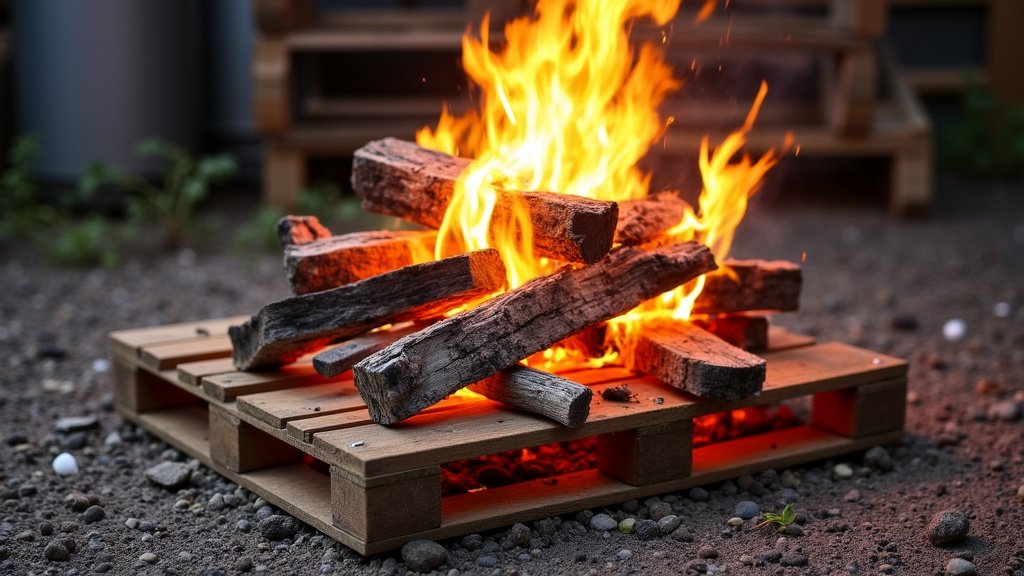
What to Avoid Burning in Your Fireplace or Stove
Beyond the “MB” stamp, there are other things you should never burn. These can create dangerous conditions or toxic smoke.
Pallets Treated with Unknown Chemicals
If a pallet has no markings at all, or if it looks like it might have been painted or stained, it’s best to avoid it. You don’t know what chemicals are in those finishes. They can release toxic fumes when heated.
Pallets with Spills or Contamination
Any pallet that shows signs of having spilled liquids, oils, or other unknown substances on it should not be burned. These contaminants can produce harmful smoke and soot. Some spills can even be flammable and create a fire hazard.
Painted or Stained Pallets
While some pallet finishes might seem harmless, they often contain chemicals that are not meant to be burned. These can include lead-based paints or volatile organic compounds (VOCs). The fumes from burning painted wood can be particularly toxic.
Safety Checklist for Burning Wood Pallets
Here’s a quick rundown to help you decide if a pallet is safe to burn:
- Check for the “HT” stamp: This is your primary indicator of heat treatment.
- Avoid “MB” stamped pallets: These are treated with Methyl Bromide and are toxic.
- Inspect for contamination: Look for spills, dirt, or unknown substances.
- Skip unmarked pallets: If there’s no stamp, you don’t know its history.
- Be wary of paint or stains: These can release harmful fumes.
- Prioritize clean, dry wood: This ensures a better and safer burn.
Following these simple steps will help you safely enjoy the warmth of a fire using wood pallets, without risking your health or your home.
“`Conclusion
Burning wood pallets can be a smart way to heat your home, but your safety comes first. You’ve learned that not all pallets are safe to burn. The key is knowing how to identify them. Always look for the “HT” stamp, which means heat-treated and generally safe. Steer clear of any pallets with an “MB” stamp or those that are unmarked or contaminated. By following these simple checks, you can confidently use salvaged pallets for firewood. Your next step is to inspect any pallet you consider using, ensuring it has the “HT” mark and is free from spills or unknown substances before you bring it home.
Frequently Asked Questions
Can I burn any pallet I find?
No, you absolutely cannot burn just any pallet you find. Check our guide to burning paper in a wood stove for another common fuel question. It’s essential to only burn pallets that are clearly marked as heat-treated. Burning unmarked or chemically treated pallets can release toxic fumes into your home and the environment, posing serious health risks.
What does the “HT” stamp on a pallet mean?
The “HT” stamp on a pallet stands for heat-treated. This means the wood has been heated in a kiln to kill pests and prevent mold. Heat-treated pallets are generally considered safe to burn, as they haven’t been treated with harmful chemicals.
What should I do if a pallet has no stamp?
If a pallet has no stamp or any other markings, it’s best to avoid burning it. Without a stamp, you have no way of knowing how it was treated or if it carries any hazardous chemicals. You don’t want to take chances with your indoor air quality.
Are painted or stained pallets safe to burn?
You should avoid burning painted or stained pallets. The finishes can contain chemicals like lead or VOCs that release toxic fumes when burned. Even if the pallet has an “HT” stamp, any paint or stain makes it unsafe for your fireplace or wood stove.
Where can I legally and safely get wood pallets for burning?
You can often find safe pallets from local businesses like garden centers or hardware stores that discard excess ones. Construction sites may also have them, but always ask permission first. Online marketplaces like Craigslist are another source, but remember to confirm pallet markings before taking them.