Is It Safe to Burn Treated Wood?
On this page (9 sections)
- Why You Shouldn’t Be Burning Treated Wood
- Understanding Wood Treatments and Their Dangers
- Health Risks Associated with Burning Treated Wood
- Identifying Treated Wood: How Can You Tell?
- Safer Alternatives for Disposing of Treated Wood
- What About Different Types of Treated Wood?
- A Simple Checklist for Safe Wood Disposal
- Conclusion
- Frequently Asked Questions
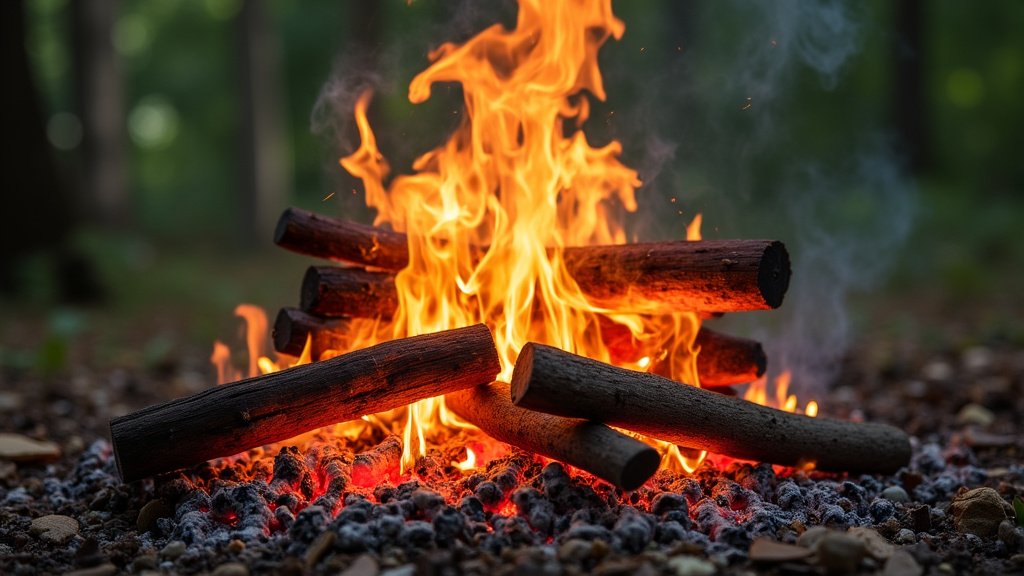
No, it’s generally not safe to burn treated wood, especially in your home fireplace or outdoor fire pit. The chemicals used to treat wood, like preservatives and fire retardants, can release toxic fumes when burned. These fumes can be harmful to your health and the environment.
When you burn treated lumber, you risk inhaling dangerous substances that were designed to protect the wood from decay and insects. For another fireplace fuel question, see whether coffee-ground logs are safe to burn. Many experts advise against burning it because the combustion process can create carcinogenic compounds. You might think it’s just wood, but the treatment process makes a big difference in what happens when it burns.
- Treated wood contains chemicals that are toxic when burned.
- Burning it can release harmful fumes into the air.
- These fumes can pose serious health risks.
- It’s best to dispose of treated wood properly, not by burning.
Let’s walk through exactly why burning treated wood is a bad idea and what safer alternatives exist.
Why You Shouldn’t Be Burning Treated Wood
So, you’ve got some old lumber lying around, and you’re thinking about tossing it into your fireplace or a backyard bonfire. It seems like a perfectly good way to get rid of it, right? Well, we need to talk about the chemicals hiding inside that wood.
Treated wood is specially designed to resist rot, insects, and decay. This makes it great for outdoor projects like decks, fences, and playgrounds. But the very things that protect it from nature can cause problems when you try to burn it. It’s a bit like wearing a superhero costume that gives you powers, but then the costume itself starts to cause a rash. Let’s break down why.
Understanding Wood Treatments and Their Dangers
Wood is treated with various chemicals to make it last longer. Think of it as giving the wood a protective shield. Common treatments include pressure treating, which forces chemicals deep into the wood fibers.
Common Chemicals Found in Treated Wood
You might be surprised by what’s in that wood. For many years, the most common treatment involved chromated copper arsenate (CCA). This contained arsenic, a known carcinogen. While CCA is less common now, especially for residential use, you might still encounter older wood treated with it.
More modern treatments often use alkaline copper quaternary (ACQ) or copper azole (CA). These are generally considered safer than CCA. However, they still contain copper and other chemicals. Burning these can still release harmful substances.
The Chemical Reaction: What Happens When Treated Wood Burns?
When you burn regular wood, you get ash, smoke, and carbon dioxide. It’s a relatively natural process. But treated wood is different. When heated, the chemicals within the wood break down. This breakdown releases toxic fumes into the air.
These fumes can include heavy metals like arsenic, chromium, and copper. They can also release dioxins and furans, which are highly toxic. These are not the kind of pleasant smoky scents you want in your backyard. Many environmental agencies strongly advise against burning treated wood.
Health Risks Associated with Burning Treated Wood
Let’s be direct: breathing in the smoke from burning treated wood is bad for your health. The toxic compounds released can affect your body in several ways. You might not see the immediate damage, but it can build up over time.
Inhalation Dangers
The primary risk comes from inhaling the smoke. These fumes can irritate your lungs and respiratory system. Symptoms can range from coughing and shortness of breath to more severe reactions. People with asthma or other breathing conditions are particularly vulnerable.
Long-term exposure to these airborne toxins is a serious concern. Research has linked exposure to some of the chemicals found in treated wood smoke to an increased risk of certain cancers. The U.S. Environmental Protection Agency (EPA) lists arsenic as a known human carcinogen. It’s not something you want circulating in the air you breathe.
Environmental Impact
Burning treated wood doesn’t just harm you; it harms the environment too. The toxic chemicals released can contaminate the soil and water. Think about the ash left behind. If it contains heavy metals, it can leach into the ground. This can affect local ecosystems and even find its way into your vegetable garden.
The air pollution from burning treated wood contributes to a broader problem. It adds harmful particulates and chemicals to the atmosphere. This can impact air quality for your entire neighborhood, not just your immediate surroundings. It’s a chain reaction of negative effects.
Identifying Treated Wood: How Can You Tell?
Sometimes, it’s not obvious if wood has been treated. However, there are a few clues you can look for. Similar caution applies when deciding whether driftwood is safe to burn. If you’re unsure, it’s always safest to assume it might be treated and avoid burning it.
Visual and Physical Clues
Treated wood often has a greenish tint, especially when it’s new. However, this color can fade over time, making it harder to identify. You might also notice small incision marks or “incising” on the surface. These are small cuts made to help the treatment chemicals penetrate deeper into the wood.
Sometimes, treated wood might have stamps or labels indicating the type of treatment used. For salvaged pallet fuel, read pallet burning safety before deciding what to use. If you’re salvaging wood from a construction site or an old deck, look for any markings. If the wood feels unusually heavy or has a distinct chemical smell (even when dry), that could also be a sign.
Common Applications of Treated Wood
Where is treated wood typically used? You’ll often find it in outdoor structures like:
- Decking boards and railings
- Fence posts and pickets
- Playground equipment supports
- Lumber used for retaining walls
- Structural elements in outdoor construction
If the wood came from any of these applications, it’s highly likely to be treated. It’s tempting to reuse materials, but with treated wood, the risk often outweighs the reward when it comes to burning.
Safer Alternatives for Disposing of Treated Wood
So, if you can’t burn it, what do you do with treated wood? Fortunately, there are responsible ways to get rid of it. Proper disposal methods protect both your health and the environment.
Municipal Waste and Recycling Programs
Your local waste management services are often the best resource. Many municipalities have specific guidelines for disposing of treated wood. Sometimes, you can simply place it with your regular bulky waste pickup, provided it’s cut into manageable sizes.
Some areas offer special recycling programs for construction and demolition debris. These programs often have facilities equipped to handle treated wood safely. Check with your local government or waste disposal company to find out what options are available in your community. They can guide you on proper sorting and disposal.
Donating or Repurposing Responsibly
If the wood is still in good condition, consider donating it. Contractors, community projects, or even friends who need lumber for non-critical outdoor projects might be able to use it. Just be sure to let them know it’s treated wood so they can use it appropriately.
Repurposing treated wood into smaller items is also an option, but again, be mindful. Avoid using it for anything that will come into direct contact with food, like raised garden beds for vegetables, or for indoor projects where fumes could become trapped. Always err on the side of caution.
What About Different Types of Treated Wood?
You might wonder if all treated wood is equally dangerous to burn. While newer treatments are less toxic than older ones, the general advice remains the same: don’t burn it. For the same question about pallets, read whether pallet wood is suitable for a stove.
CCA vs. Newer Treatments (ACQ, CA, etc.)
As mentioned, Chromated Copper Arsenate (CCA) treated wood is the most concerning due to its arsenic content. Burning CCA-treated wood releases arsenic fumes, which are highly carcinogenic. The EPA has banned or restricted CCA for most residential uses precisely because of these health risks (EPA).
Alkaline Copper Quaternary (ACQ) and Copper Azole (CA) are now more common. They still contain copper, which can be released as copper oxide fumes when burned. While generally considered less toxic than arsenic, these fumes can still be harmful to your respiratory system and the environment. There’s no widespread scientific consensus that burning these newer treated woods is safe.
Pressure-Treated vs. Surface-Treated Wood
Pressure-treated wood has chemicals forced deep into its fibers, making it more resistant. Surface-treated wood has chemicals applied only to the exterior. Even surface treatments can release harmful substances when heated. The key takeaway is that any added chemical treatment introduces risks when burned.
Think of it like adding a potent cleaner to a pot you’re cooking in versus just wiping down the counter. The cleaner that seeps into the porous surface will likely vaporize and mix with your food. Wood treatment chemicals are designed to bond with the wood, but burning them changes their chemical structure into something hazardous.
A Simple Checklist for Safe Wood Disposal
To keep things clear and actionable, here’s a quick rundown:
- Identify your wood: Look for greenish tints, incision marks, or stamps.
- Know its history: Was it used for decks, fences, or playgrounds? Likely treated.
- When in doubt, don’t burn: If you’re not 100% sure, err on the side of caution.
- Contact your local waste authority: Ask about proper disposal options for treated wood.
- Consider donation or responsible reuse: If it’s usable, give it a second life appropriately.
- Never burn indoors: Especially avoid burning treated wood in fireplaces or wood stoves.
By following these guidelines, you can make sure you’re keeping your home, your family, and the environment safe. It might take a little extra effort, but it’s worth it!
Conclusion
You’ve learned that burning treated wood is a risky choice for your health and the environment. The chemicals that protect wood from decay can release toxic fumes when burned, including heavy metals and carcinogens. While newer treatments are less concerning than older ones like CCA, the general rule remains: avoid burning treated wood.
For safe disposal, always check with your local waste management services or consider responsible repurposing. Prioritize your well-being and the planet by choosing proper disposal methods for treated lumber.
Frequently Asked Questions
What happens if I accidentally burn a small amount of treated wood?
If you’ve accidentally burned a small amount, ensure the area is well-ventilated. Avoid inhaling the smoke directly and clean up any residual ash carefully, treating it as potentially hazardous. It’s best to avoid the situation entirely by identifying and properly disposing of treated wood beforehand.
Can I burn wood that was painted or stained, even if it wasn’t treated?
Burning painted or stained wood can also release harmful chemicals. The finishes themselves can produce toxic fumes when heated. It’s generally safer to avoid burning any wood that has had chemicals applied to it, whether it’s treated, painted, or stained.
Is there any safe way to burn treated wood?
No, there is no known safe way to burn treated wood, especially in residential settings like fireplaces or fire pits. Learn whether paper is safe to burn in a wood stove, too. The combustion process releases dangerous toxins regardless of how you burn it. Proper disposal is always the recommended and safe approach.
Will my fireplace or wood stove be damaged by burning treated wood?
Burning treated wood can potentially damage your fireplace or wood stove. Owners of older units can also review antique stove safety concerns. The chemicals can leave corrosive residues and deposits inside the chimney and firebox, which may require specialized cleaning and could lead to reduced efficiency or even structural issues over time.
What should I do if I suspect my neighbor is burning treated wood?
If you suspect your neighbor is burning treated wood and are concerned about air quality, you can contact your local fire department or environmental agency. They can provide guidance or investigate potential air quality violations to ensure public safety.