How to Store Firewood Outside?
On this page (6 sections)
Yes, you absolutely can and should store firewood outside. Proper outdoor firewood storage protects your wood from pests and the elements, ensuring it’s dry, seasoned, and ready to burn. Keeping your wood off the ground is key to preventing rot and mold. This helps your fire burn hotter and cleaner.
Storing your firewood correctly is more than just piling it up. It’s about creating the right conditions so your wood seasoning process works effectively. You want to protect it from excessive moisture and allow air to circulate freely. This helps prevent the wood from becoming a home for bugs or developing mold.
- Stack wood off the ground.
- Keep it covered, but not sealed.
- Ensure good airflow.
- Choose a sunny, breezy spot if possible.
- Split wood before stacking.
Below, we’ll walk you through exactly how to store your firewood outside so you have a great fire all season long.
Storing Your Firewood Outdoors for Optimal Burning
You’ve got the firewood, and you’re ready for cozy nights. But where do you put all that wood? Storing your firewood outside is usually the best option. It lets the wood dry properly. This process is called seasoning. Seasoned wood burns much better. It produces more heat and less smoke. Storing it outside also keeps pests away from your home. Let’s get your wood ready for the fire. Learn why seasoned wood burns much better and how to identify it.
The Fundamentals of Outdoor Firewood Storage
Why Stacking Off the Ground is Non-Negotiable
Think of your firewood like a delicate plant. It needs good drainage. Leaving wood directly on the soil invites trouble. The ground is often damp. This moisture can seep into the bottom logs. They become a breeding ground for mold and fungi. Many experts recommend keeping wood at least 4-6 inches off the ground. This gap allows air to flow underneath. It prevents moisture from wicking up into your woodpile.
You can use simple materials to achieve this lift. Pallets are a popular choice. They are often free and readily available. Old concrete blocks work well too. Even sturdy branches can serve as a base in a pinch. The key is to create a barrier. This barrier separates your wood from the wet earth. It’s a simple step that makes a big difference in wood quality.
Allowing Air to Circulate: The Breathable Approach
Firewood needs to breathe. You wouldn’t stuff yourself into a sealed closet, would you? Your wood feels the same way. Good airflow helps the wood dry out naturally. It also prevents mold and mildew from taking hold. When stacking, don’t pack the logs too tightly. Leave small gaps between them. This allows air to move through the entire pile.
When you stack your wood, aim for neat rows. Think of it like building a wall. Alternate the direction of the logs if you can. This creates natural air pockets. A loose, airy stack seasons faster. It also makes it easier to grab a log when you need one. You don’t want to be wrestling with a dense, sticky pile on a cold evening.
Protection from the Elements: Cover Wisely
While airflow is vital, your wood still needs some protection. The rain and snow can soak your wood. This slows down the drying process significantly. You need a cover, but not a suffocating one. A simple tarp or a dedicated wood shed works well. The goal is to keep the rain and snow off the top and sides.
Crucially, never seal your woodpile completely. A sealed pile traps moisture. It essentially creates a sauna for mold. Leave the sides open. You want to allow air to circulate freely. Many people use a tarp and tie it down. Make sure it’s not so tight that it prevents airflow. A small overhang is better than a completely sealed wrap.
Choosing the Ideal Location for Your Woodpile
Sunlight and Breeze: Nature’s Drying Aids
If you have the option, pick a spot that gets plenty of sunshine. Sunlight helps to dry out the wood more quickly. A breezy location is also beneficial. The wind carries away moisture. It helps the wood season faster. Think about south-facing areas if possible. These often get the most sun.
Avoid shady spots or areas surrounded by dense vegetation. These places tend to stay damp. They can also harbor more pests. A location that gets good exposure to the elements, but with a way to manage excess moisture, is perfect. You want your wood to dry, not get waterlogged.
Proximity to Your Home: Convenience vs. Safety
It’s tempting to stack wood right next to your house. This makes it easy to bring inside. However, many fire safety experts advise against this. Storing wood too close to your home can be a fire hazard. It also provides a direct highway for pests. Ants, termites, and rodents can easily travel from the woodpile into your house.
Aim for a location that is a reasonable distance from your home. About 10-20 feet is often recommended. This distance provides a safety buffer. It also makes it harder for bugs to make the journey indoors. Consider how you will transport the wood. Will you use a cart? Is there a clear path?
Drainage is Key: No Puddles Allowed
Your chosen spot should have good drainage. You don’t want your woodpile sitting in a puddle after a rainstorm. If your yard tends to hold water, consider creating a raised platform. This is where those pallets or concrete blocks come in handy again. Even a slight slope can help water run away from your wood.
Observe your yard after it rains. Where does water collect? Avoid these low-lying areas for your wood storage. Good drainage is as important as keeping the wood off the ground. It’s all part of preventing rot and decay. You want your firewood to be dry and ready for use, not soggy and unusable.
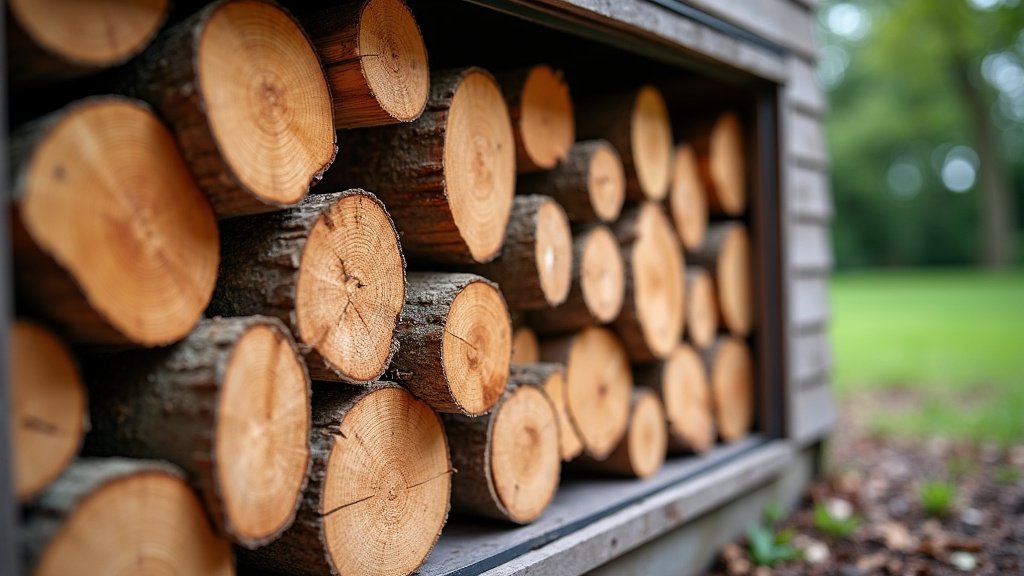
Preparing Your Firewood for Storage
Splitting: The Secret to Faster Seasoning
Do you have large, un-split logs? Splitting them before storing is a game-changer. Large rounds take much longer to dry out. The moisture is trapped deep within the wood. Splitting exposes more surface area. This allows air and sun to reach the inner parts of the wood.
Research and found that split wood can season up to twice as fast as rounds. You don’t need to split every piece perfectly. Some larger pieces are fine. But the majority should be split into manageable sizes for your stove or fireplace. This makes them easier to stack, handle, and burn.
Stacking Methods: What Works Best?
There are a few popular ways to stack firewood. The simplest is the simple lean-to. You stack logs against a wall or fence. Another common method is the crisscross stack. You lay logs perpendicular to each other. This creates a strong, stable structure. It also allows for good airflow.
For longer-term storage or larger amounts, consider a wood rack. These are commercially available. They are designed to keep wood off the ground and allow for airflow. You can also build your own. Many designs use posts and beams. Whatever method you choose, ensure it’s stable. You don’t want your woodpile to collapse.
Here’s a quick rundown for efficient stacking:
- Start with a solid, level base.
- Stack logs neatly, leaving small gaps for air.
- Ensure the stack is stable and won’t tip.
- Cover the top and sides, but keep the front open.
- Position the stack for maximum sun and breeze.
- Keep it at least 10-20 feet from your home.
| Key Element | Why It Matters | How to Achieve It |
|---|---|---|
| Elevated Base | Prevents ground moisture wicking, rot, and pests. | Use pallets, concrete blocks, or sturdy lumber. |
| Air Circulation | Aids drying, prevents mold and mildew. | Stack loosely with gaps; avoid dense packing. |
| Partial Cover | Protects from rain and snow without trapping moisture. | Use a tarp or roof, leaving sides open. |
| Sunny & Breezy Location | Speeds up the seasoning process naturally. | Choose an open, south-facing spot if possible. |
| Safe Distance from Home | Reduces fire risk and pest migration. | Maintain 10-20 feet separation. |
| Split Wood | Dramatically reduces drying time. | Split logs into manageable sizes before stacking. |
How Long Does Firewood Take to Season?
The seasoning time for firewood can vary. It depends on the type of wood, the climate, and how well it’s stored. Generally, it takes about 6 to 12 months for wood to season properly. Hardwoods like oak and maple might take longer than softwoods like pine or fir.
You’ll know your wood is seasoned when it’s lighter in weight. It will also have cracks or splits on the ends. The bark might be loose. When you knock two pieces together, they should make a hollow, clacking sound. Wet wood makes a dull thud. Properly seasoned wood is essential for a clean, efficient burn. Many sources suggest checking for a moisture content of 15-20% using a moisture meter. You’ll know your wood is seasoned when it’s lighter and has cracks on the ends.
Conclusion
You’ve learned that storing firewood outside isn’t just convenient; it’s essential for a great fire. By keeping your wood off the ground, ensuring good airflow, and protecting it from excess moisture, you allow it to season properly. This means less smoke, more heat, and a cleaner burn. Remember to choose a sunny, breezy spot at a safe distance from your home. Ready to get started? Your next step is to gather your materials and set up your ideal outdoor wood storage solution.
Frequently Asked Questions
What’s the best way to stack firewood outside?
Stack your wood neatly in rows, leaving small gaps between logs for airflow. A crisscross pattern or using a wood rack helps create a stable, breathable pile. Always start with a solid, level base to keep the wood elevated.
Can I just pile firewood anywhere outside?
No, you shouldn’t just pile firewood anywhere. It’s best to choose a location that gets plenty of sun and a breeze. Ensure the spot has good drainage and is a safe distance from your home to prevent fire hazards and pests.
How high off the ground should my firewood be?
Experts recommend keeping your firewood at least 4-6 inches off the ground. This prevents moisture from the earth from soaking into the bottom logs, which helps avoid rot and mold.
Is it okay to use a plastic tarp to cover my woodpile?
A tarp can work, but you must use it wisely. Cover the top and sides to protect from rain and snow, but always leave the front and sides open for air circulation. Never completely seal your woodpile, as this traps moisture.
How do I know if my firewood is seasoned and ready to burn?
Seasoned firewood will be lighter in weight and often have cracks on the ends. When you knock two pieces together, they should make a hollow, clacking sound, not a dull thud. Many people also use a moisture meter to ensure the content is 15-20%.