What Is the Best Wood for a Wood Stove?
On this page (3 sections)
The best wood for a wood stove is typically seasoned hardwood like oak, maple, or ash, because these woods offer a long, hot, and efficient burn. Your choice of wood makes a huge difference in how well your stove performs and how much heat you get.
You want wood that has been dried properly, usually for 6-12 months, and has a low moisture content. Wet or “green” wood burns poorly, creates more smoke, and can damage your chimney over time. We found that denser woods provide the most heat output.
- Hardwoods burn hotter and longer.
- Seasoned wood is critical for efficiency.
- Moisture content should be low.
- Avoid softwoods for primary heating.
- Different woods have different heat outputs.
Ready to discover which wood will give you the warmest, most efficient fire? Let’s dive into the details so you can make the best choice for your home.
Selecting the Right Wood for Your Wood Stove
You want wood that burns hot, clean, and efficiently. Our research shows that seasoned hardwoods are your best bet.
Understanding Wood Types: Hardwood vs. Softwood
When you’re heating your home with a wood stove, not all wood is created equal. The biggest distinction you’ll encounter is between hardwoods and softwoods.
Hardwoods: The Premium Choice
Hardwoods come from deciduous trees. These are trees that shed their leaves in the fall. Think of trees like oak, maple, ash, and birch. We found that hardwoods are denser and heavier than softwoods.
Because they are so dense, hardwoods contain more energy per log. This means they burn longer and produce more heat. You won’t need to refuel your stove as often.
Hardwoods also create a more consistent flame. They produce a bed of long-lasting coals. This helps your stove maintain a steady temperature in your home.
Softwoods: When to Use Them (and When Not To)
Softwoods come from coniferous trees. These are the needle-producing, cone-bearing trees like pine, spruce, and fir. We found softwoods are generally lighter and less dense.
They ignite very quickly and burn hot initially. This makes them great for kindling or getting a fire started fast. They can also be good for a quick, bright fire in milder weather.
However, softwoods burn out quickly. You’ll need to add logs much more often. They also tend to produce more sap and resin. This creates more creosote buildup in your chimney. We’ve learned that too much creosote can be a fire hazard (National Fire Protection Association).
The Critical Role of “Seasoning” Wood
You’ll often hear the term “seasoned wood.” What exactly does that mean? It refers to wood that has been properly dried.
Trees are full of water when they are cut. That water needs to evaporate before the wood is ready to burn. This drying process is called seasoning.
Why Moisture Content Matters So Much
Burning wet or “green” wood is a common mistake. It’s like trying to cook with a damp match. The fire has to burn off all that water first. This wastes a lot of energy and heat.
We found that green wood burns poorly. It creates a lot of smoke and hissing sounds. It makes less heat and leaves behind more residue. This includes tar and creosote in your chimney. Both can be dangerous and messy.
Properly seasoned wood has a low moisture content. We aim for 15-20% moisture. This allows the wood to burn hotter and cleaner. It also produces less smoke and ash.
You can check moisture with a wood moisture meter. These are inexpensive and very helpful tools. You can also listen for a hollow sound when two pieces are clapped together. You should see cracks on the end grain, too.
How Long Does Wood Need to Season?
The seasoning process varies. It depends on the wood type and local climate. Generally, most wood needs 6-12 months to fully season. Some very dense hardwoods might need even longer. You should split the wood before you stack it. Smaller pieces dry much faster.
Top Hardwood Choices for Your Wood Stove
Based on our research, some hardwoods stand out. These provide the best heat output and burn quality. We’ve listed them here for you.
- Oak: A superb choice. Oak is very dense and burns for a long time. It produces excellent heat. Red oak and white oak are both fantastic.
- Maple: Another excellent hardwood. Sugar maple and black maple are very dense. They offer high heat output and a steady, long burn.
- Ash: Burns very well and produces good heat. It’s often easier to split than some other hardwoods.
- Birch: While slightly less dense than oak or maple, birch burns hot. It catches fire easily because of its papery bark. It’s a solid choice for consistent heat.
- Hickory: Extremely dense and high heat producer. Burns for a very long time. It can be a bit harder to split, but it’s worth the effort.
- Cherry: Moderate density, but burns cleanly. It gives off a pleasant aroma. It’s a good all-around burning wood.
Worst Woods to Burn in Your Wood Stove
Just as there are best choices, there are also woods you should avoid. Burning these can be inefficient or even harmful.
- Green (unseasoned) wood: As we discussed, this is inefficient and creates creosote.
- Poplar and Aspen: These are very light softwoods. They burn extremely fast and produce little heat. You’ll constantly be feeding your stove.
- Pine, Spruce, Fir (unprocessed): While good for kindling, burning large amounts directly in your stove creates a lot of soot and creosote due to high resin content.
- Driftwood: It often contains salt. Burning saltwater-soaked wood releases corrosive chemicals. These can damage your stove and chimney.
- Treated or Painted Wood: Never burn wood that has been painted, stained, or chemically treated. It releases toxic fumes. These fumes are dangerous to breathe. They can also damage your stove. This includes scraps from construction sites or old furniture.
- Wet/Rotten Wood: Wood that is starting to decompose won’t burn well. It produces little heat and lots of smoke, similar to green wood.
Comparing Heat Output: BTU Values
BTU stands for British Thermal Unit. It’s a measure of energy. For wood, BTUs tell you how much heat a certain volume of wood will produce. Higher BTUs mean more heat output per cord.
We’ve put together a table to show you some common wood types and their approximate BTU values. Remember these are for well-seasoned wood.
| Wood Type | Approx. BTUs per Cord | Burn Characteristics |
|---|---|---|
| Oak (Red/White) | 24-28 Million | Long, hot, steady burn; excellent coals. |
| Hickory | 25-28 Million | Very hot, very long burn; hard to split. |
| Maple (Sugar/Black) | 25-27 Million | High heat, good coals, steady flame. |
| Ash | 23-25 Million | Good heat, relatively easy to split. |
| Birch (Yellow) | 20-22 Million | Hot, quick to ignite, good for moderate temps. |
| Cherry | 18-20 Million | Moderate heat, pleasant aroma, clean burn. |
| Elm | 18-20 Million | Moderate heat, can be difficult to split. |
| Pine (various) | 13-17 Million | Fast burn, good for kindling, higher creosote. |
| Poplar/Aspen | 12-14 Million | Very low heat, quick burn, best avoided. |
Buying vs. Cutting Your Own Wood
You have a couple of options when it comes to getting your wood. You can buy it from a supplier, or you can cut and process it yourself.
Purchasing Firewood
When buying, always ask about the moisture content. The best suppliers will sell seasoned wood. Don’t be afraid to ask for a demonstration with a moisture meter if you’re unsure.
Be aware of how wood is sold. It’s usually by the cord or fractions of a cord. Make sure you understand the dimensions of a cord (4x4x8 feet). Sometimes people sell “face cords” or “ricks” which are smaller. Always verify what you’re actually getting.
We recommend finding a local, reputable supplier. Good word-of-mouth is a great sign. You want someone who understands proper seasoning.
Harvesting Your Own Firewood
Cutting your own wood can save money. It also provides good exercise. However, it requires proper safety gear and tools (chainsaw, splitter, axe). You also need a place to store the wood while it seasons.
Make sure you have permission to cut trees. Also, identify tree types correctly. You want to focus on dead or fallen hardwoods first. Remember, you’ll need to cut, split, and stack the wood for seasoning. This takes time and effort.
Storing Your Firewood Properly
Proper storage is just as important as choosing the right wood. You want to maintain that low moisture content you worked so hard to achieve.
Here’s a quick checklist for optimal wood storage:
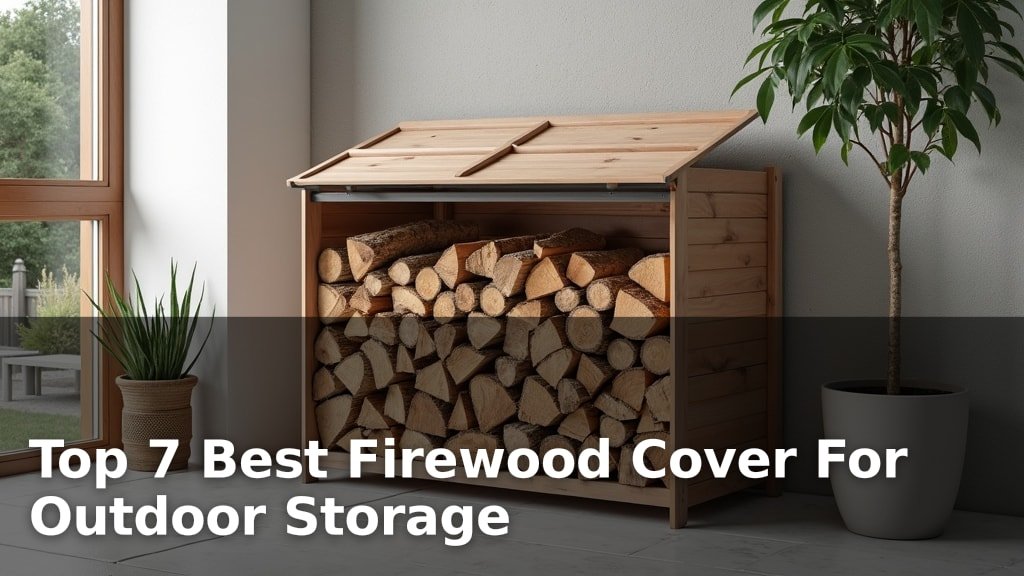
- Elevate your wood: Keep it off the ground to prevent moisture wicking up. Pallets or some type of rack work well.
- Cover the top: Protect your wood from rain and snow. A tarp or a dedicated wood shed roof is ideal.
- Allow for airflow: Don’t completely enclose your wood. Air circulation is vital for continued drying and to prevent mold growth. Leave the sides open.
- Stack neatly: A well-stacked pile is more stable and allows for better airflow.
- Store away from your home: This helps prevent insect infestations near your house.
Final Thoughts on Choosing Your Wood
The best wood for your stove is seasoned hardwood. It burns efficiently, produces great heat, and helps maintain your stove and chimney. While softwoods have their place for kindling, they aren’t ideal for primary heat.
Taking the time to source or prepare good firewood will pay off. You’ll enjoy a warmer home and fewer maintenance headaches. Your wood stove will thank you for it!
Conclusion
Selecting the right wood makes all the difference for your wood stove. Focus on well-seasoned hardwoods like oak, maple, or ash. These woods deliver consistent heat and burn cleanly. This keeps your home warm and your chimney safer.
Always prioritize low moisture content in your firewood. It prevents creosote buildup and improves efficiency. Investing time in sourcing or preparing quality wood will greatly enhance your wood-burning experience. Your efforts will result in a more enjoyable and efficient heating season.
Now, go forth and build brilliant, long-lasting fires in your wood stove!
Frequently Asked Questions
How can I tell if wood is seasoned without a moisture meter?
You can often tell by looking and listening. Seasoned wood will have visible cracks on the end grain. When you clap two pieces together, it should make a clear, hollow sound. Green wood, in contrast, will sound dull or thud-like.
Is it okay to mix different types of wood in my stove?
Yes, you can absolutely mix them. Many people use softwoods like pine to start a fire quickly. Then they add denser hardwoods for a longer, more sustained burn. Just avoid burning woods that create excessive smoke or creosote with your primary fuel.
Can I burn wood that has moss or lichen on it?
Generally, yes, as long as the wood itself is properly seasoned and dry. Moss and lichen don’t significantly impact the burn quality or safety. They will simply burn away with the wood. Focus on the moisture content of the wood.
How much firewood do I need for a winter?
This depends heavily on your climate, stove efficiency, and home insulation. A typical household heating with wood might use anywhere from 3 to 7 cords per winter. It’s best to track your usage for a season to get an accurate estimate for your needs.
Why does my seasoned wood sometimes still hiss in the stove?
A slight hiss can still occur even with seasoned wood. This might be due to small pockets of sap or resin within the wood that vaporize as they heat up. It’s usually not a concern if the wood has been properly dried to a low moisture content.