How to Stack Firewood?
On this page (9 sections)
- Building Your Best Firewood Stack
- Why Proper Stacking Matters So Much
- The Best Location for Your Woodpile
- Building the Foundation: Getting Off the Ground
- Stacking Techniques for Optimal Airflow
- The Importance of Covering Your Woodpile
- A Quick Checklist for Perfect Stacking
- Conclusion
- Frequently Asked Questions
Stacking firewood correctly is key to getting the best burn and protecting your wood. You need to ensure your wood gets plenty of air to dry properly. A well-stacked pile also keeps pests away and looks neat.
Good stacking prevents rot and moisture damage. This means your firewood will be ready to burn when you need it most. Proper stacking also makes it easier and safer to access your woodpile. Many experts say it’s a simple process with big rewards.
- Stack wood off the ground.
- Allow for airflow on all sides.
- Cover the top, not the sides.
- Use sturdy, level supports.
- Choose a sunny, breezy location.
Ready to learn how to make your woodpile the envy of the neighborhood? Let’s walk through exactly how to stack your firewood so it burns efficiently and lasts longer.
Building Your Best Firewood Stack
Properly stacking your firewood is a straightforward process with big benefits. It ensures your wood dries thoroughly and stays protected. This makes starting and maintaining a fire much easier and more enjoyable.
Why Proper Stacking Matters So Much
Think of stacking your firewood like preparing a good meal. If you don’t chop the vegetables right or store them properly, the meal won’t turn out as well. The same applies to your wood. Good stacking is the first step to a great fire.
Ensuring Wood Dries Correctly (Seasoning)
The main goal of stacking is to help your firewood season. Seasoning is the process of drying out the wood. Green wood, fresh from the tree, has a lot of moisture. This moisture needs to escape for the wood to burn well. If wood isn’t stacked properly, it can take a very long time to dry, or worse, it might never dry completely. Wet wood is hard to light and produces a lot of smoke. It also burns inefficiently, meaning you’ll use more wood to get the same amount of heat.
Preventing Rot and Pests
A well-stacked pile keeps wood off the damp ground. This is essential for preventing rot. When wood sits directly on soil, it absorbs moisture. This dampness creates a perfect breeding ground for mold and fungi. Pests like mice, snakes, and insects also love dark, damp, close-packed woodpiles. They can burrow into the wood or make nests. Proper stacking, with good airflow, makes your woodpile less inviting to unwanted visitors. Many experts recommend keeping woodpiles away from your home to further reduce pest issues (CDC).
Maximizing Storage Space and Accessibility
A neat, organized stack can actually save you space. When wood is piled haphazardly, it can spread out and take up more room than necessary. A structured stack is also easier to work with. You can grab the wood you need without disturbing the entire pile. This is especially helpful during the cold months when you don’t want to spend extra time wrestling with your woodpile.
The Best Location for Your Woodpile
Where you choose to stack your firewood can make a big difference. Think about sunlight, wind, and drainage. These elements all play a role in how well your wood seasons.
Sunlight and Airflow are Key
Ideally, your woodpile should be in a spot that gets plenty of sunlight. Sun helps to dry out the wood faster. It also warms the wood, which can help it burn more efficiently. Equally important is airflow. A spot that catches a good breeze will help wick away moisture. Avoid areas that are too sheltered or enclosed, as this can trap humidity. We found that a sunny, breezy location significantly reduces seasoning time.
Consider Drainage
It’s also wise to choose a spot that drains well. You don’t want your woodpile sitting in a puddle after a rainstorm. Standing water will soak the bottom logs, leading to rot and decay. If your yard tends to hold water, you might need to create a slightly elevated area for your stack. This can be as simple as adding a layer of gravel or some old pallets.
Keep it Away from Structures
For safety and pest prevention, it’s best to keep your firewood stack a good distance from your home, shed, or any wooden structures. This reduces the risk of fire spreading if something were to go wrong. It also makes it harder for pests to travel from the woodpile into your home.
Building the Foundation: Getting Off the Ground
This is perhaps the most critical rule of stacking firewood. Never, ever stack your wood directly on the ground. Your foundation is the base of your entire operation.
Why Ground Contact is Bad
As we mentioned, direct contact with soil invites moisture. This moisture will be absorbed by the bottom logs, regardless of how well the rest of the pile is stacked. This leads to rot, mold, and a general dampness that hinders seasoning. Many forestry experts stress this point to prevent wood decay (U.S. Forest Service).
Creating a Sturdy Base
You need a stable, raised platform for your wood. Here are a few common and effective methods:
- Pallets: Old wooden pallets are a fantastic and often free way to elevate your wood. Ensure they are in good condition and not falling apart. Lay them flat on your chosen spot.
- Concrete Blocks: Two or three concrete blocks, spaced evenly, can create a solid foundation. Make sure they are level with each other.
- Wooden Sleepers or Beams: Sturdy lumber, like 4x4s or 6x6s, can also work. Lay them parallel to each other to create a base.
The key is to ensure whatever you use is level and strong enough to support the weight of a large woodpile.
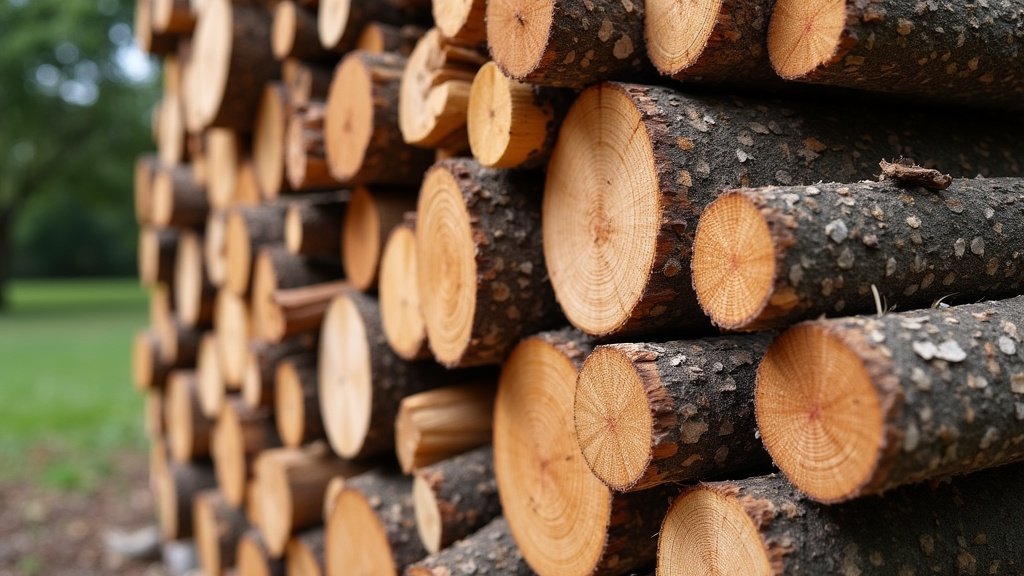
Stacking Techniques for Optimal Airflow
Once you have your base, it’s time to start stacking. The goal here is to allow air to flow freely through the entire pile.
The “Bucking” Method (Lean-To Style)
This is a very common and effective method for smaller to medium-sized piles. You’ll essentially be creating a wall of wood.
- Start by placing logs horizontally on your raised foundation.
- Lean the next layer of logs against the first layer. Angle them slightly so they rest against each other, creating a sort of lattice.
- Continue adding layers, ensuring each log has some space around it. Don’t pack them too tightly.
- This method naturally creates gaps for air to circulate.
The “Criss-Cross” Method
Some people prefer a criss-cross pattern, especially for larger, more permanent stacks. This method involves alternating the direction of the logs in each layer.
- Place one layer of logs running front to back.
- The next layer will run side to side, perpendicular to the layer below.
- This creates a more stable, interlocking structure.
- Ensure there are still small gaps between individual logs for air movement.
Spacing is Your Friend
No matter which method you choose, remember that gaps are good. A dense, tightly packed pile will not season properly. Leave small spaces between logs. This allows air to circulate and moisture to escape. Think of it like breathing room for your firewood.
The Importance of Covering Your Woodpile
When it comes to covering your firewood, less is often more. You need to protect the wood from rain and snow, but not at the expense of airflow.
Cover the Top, Not the Sides
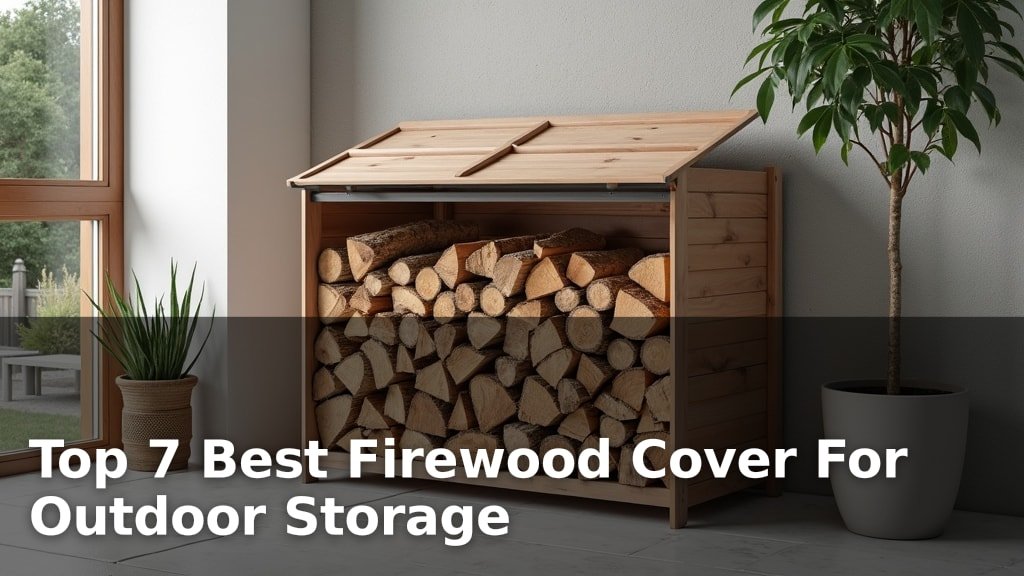
The most crucial part to cover is the very top of the stack. This prevents precipitation from soaking down into the wood. You can use a dedicated firewood cover, a sheet of corrugated metal, or even thick plastic sheeting. Make sure the cover extends slightly over the sides to catch runoff.
Avoid Wrapping the Entire Pile
Resist the urge to wrap the entire woodpile in plastic. This traps moisture and prevents airflow. It can actually do more harm than good, leading to mold and rot. Your wood needs to breathe. The sides of the stack should remain open to the elements for drying. We found that side-to-side ventilation is key for effective seasoning.
Securing Your Cover
Make sure your cover is secured properly. Wind can easily blow away a loose tarp. You can use bungee cords, ropes, or place heavy objects on top of the cover to keep it in place. You want the top protected, but the sides clear.
A Quick Checklist for Perfect Stacking
Here’s a simple rundown to ensure you’re on the right track:
- Location, location, location: Choose a sunny, breezy spot with good drainage.
- Get off the ground: Use pallets, blocks, or beams to create a solid, raised base.
- Allow for air: Stack logs with small gaps for airflow on all sides.
- Top cover only: Protect the top of the pile from rain and snow, but keep the sides open.
- Stack neatly: Organize your wood for stability and easy access.
Conclusion
You’ve learned how to stack your firewood for the best results. A properly stacked pile means drier wood and a better burn. You know to keep it off the ground and allow plenty of air. Covering just the top is key to letting your wood season effectively. Remember, good stacking saves you effort later and ensures you’re always ready for a cozy fire. Your next step is to apply these techniques to your current woodpile or when you prepare your next load. You’ll be enjoying hotter fires and less smoke in no time!
Frequently Asked Questions
How long does firewood need to season?
Firewood typically needs to season for at least six to twelve months. This timeframe can vary depending on the type of wood, your climate, and how well you’ve stacked it. Properly stacked wood with good airflow will season much faster.
Can I stack firewood against my house?
It’s generally best to avoid stacking firewood directly against your house. Doing so can attract pests like rodents and insects, and it can also pose a fire hazard. Keep your woodpile a reasonable distance away for safety and peace of mind.
What’s the best way to cover a firewood stack?
The most effective way to cover your firewood is to only cover the top. Use a tarp or sheet of metal that extends slightly over the sides to protect from rain and snow. Leave the sides of the stack completely open to allow for good air circulation.
Is it okay if my firewood stack gets wet sometimes?
A little bit of occasional moisture on the sides of your stack is usually fine, as long as there’s good airflow to help it dry out. However, you want to prevent the top layers from becoming saturated, and avoid ground moisture wicking up into the bottom logs.
Can I use any old wood for my base?
When choosing materials for your raised base, ensure they are sturdy and sound. Old pallets, concrete blocks, or solid lumber like 4x4s work well. Avoid using rotten or weak wood, as it won’t be able to support the weight of your firewood and could lead to collapse.