Do Wood Stoves Need a Chimney?
On this page (3 sections)
Yes, wood stoves need a chimney to operate safely and effectively. Pellet stove venting has different requirements; learn pellet stove chimney requirements. The chimney provides a way for smoke and harmful gases to escape your home.
Without a proper chimney system, you risk serious health hazards from carbon monoxide poisoning. It also ensures your stove drafts correctly, leading to efficient burning and less creosote buildup.
- Wood stoves always require a chimney.
- Chimneys vent smoke and dangerous gases.
- Proper venting prevents carbon monoxide.
- Good draft means better burning efficiency.
Let’s explore why a chimney is so important for your wood stove and what options you have.
Why Your Wood Stove Absolutely Needs a Chimney
You might be wondering if there’s any way around installing a chimney for your wood stove. The simple answer, as we found in our research, is no, there isn’t. A chimney is not just a suggestion; it’s a fundamental and non-negotiable component for safe and efficient wood stove operation.
Think of it like this: your car needs an exhaust pipe. Without it, all those harmful fumes would build up inside the car, right? A chimney does the same job for your wood stove, but for your home. It’s about safety first, always.
The Critical Role of Ventilation
Ventilation is key when you’re burning anything indoors, especially wood. When wood burns, it creates smoke, particulates, and several gases. Many of these, like carbon monoxide, are invisible and odorless but can be deadly.
A properly installed chimney acts as a dedicated exhaust system. It creates a natural draft that pulls these byproducts of combustion up and out of your living space. This keeps your air clean and your family safe.
Preventing Carbon Monoxide Poisoning
This is perhaps the most vital function of a chimney. Carbon monoxide (CO) is often called the “silent killer” because you can’t see, smell, or taste it. When CO levels build up in an enclosed space, it replaces oxygen in your blood. This can lead to serious health issues, unconsciousness, and even death (CDC).
Your chimney ensures that almost all of the CO produced by your wood stove is channeled safely outdoors. Without it, you’d be risking a very dangerous situation. Always have working carbon monoxide detectors in your home, even with a chimney.
Managing Creosote Buildup
Creosote is a highly flammable substance that forms when wood smoke cools and condenses. It can build up on the inside of your chimney flue. A properly drafting chimney helps to keep flue temperatures higher, reducing creosote formation.
When creosote does build up, it creates a serious fire hazard. Many chimney fires are caused by ignited creosote. A chimney brush can help with regular cleaning, but a good chimney helps minimize the problem to begin with.
Understanding How a Chimney Works with Your Stove
It’s not just about getting smoke out; it’s also about getting air in. Your wood stove needs air to burn efficiently. This airflow dynamic is often called “draft.”
A well-designed chimney creates a natural upward draft. Hot air and gases from the fire rise, pulling fresh air into the firebox through your stove’s vents. This constant exchange feeds the fire and carries away smoke.
The Science of Draft
Have you ever noticed how smoke always goes up? This is due to the principle of buoyancy. Hot air is lighter than cold air. Inside your chimney, the hot exhaust gases are much warmer than the air outside.
This temperature difference creates a pressure difference. The warmer, lighter gases rise, creating a vacuum that pulls more air and smoke from the stove. This continuous cycle is what we call a strong draft. Without a tall enough or properly constructed chimney, this draft won’t happen effectively.
Types of Chimneys for Wood Stoves
When you’re thinking about a wood stove, you’ll generally encounter two main types of chimney systems:
- Masonry Chimneys: These are built from bricks, stone, or concrete blocks. They often have a clay tile liner inside. They’re traditional and look beautiful.
- Factory-Built (or Prefabricated) Metal Chimneys: These are engineered systems made of stainless steel. They are insulated and designed specifically for wood stove use. They’re often easier to install in homes without an existing masonry chimney.
Both types, when installed correctly, do the job of safely venting your wood stove. The choice often comes down to your home’s structure, budget, and aesthetic preferences.
Masonry Chimney Considerations
If you have an existing masonry chimney, it might be possible to use it for your wood stove. However, it will almost certainly need to be inspected and likely relined. Many older masonry chimneys are not suitable for modern wood stoves without significant upgrades.
A stainless steel liner is typically inserted into the existing flue. This ensures a smooth, consistent pathway for smoke and helps maintain proper draft. It also protects the masonry from corrosive creosote.
Factory-Built Chimney Systems
These systems are very popular, especially in new installations or when an existing masonry chimney isn’t viable. They come in various stove pipe diameters and lengths and are designed to be installed through ceilings and roofs. They must be UL-listed (Underwriters Laboratories) and installed according to the manufacturer’s instructions and local building codes.
They are often double-wall or triple-wall insulated to keep the exterior cool and the interior hot, promoting good draft and reducing creosote buildup. We found that most homeowners choose these for their relative ease of installation and excellent safety record when correctly installed.
What Happens If You Don’t Have a Chimney?
Operating a wood stove without a proper chimney system is not just inefficient; it’s incredibly dangerous and may violate local rules in most places. Here’s a quick look at the consequences:
| Issue | Description |
|---|---|
| Smoke Backdraft | Smoke will pour into your home instead of going outside. |
| Carbon Monoxide Risk | Invisible, odorless, deadly gas builds up inside your house. |
| House Fire Hazard | Sparks and hot gases can ignite nearby walls or roofing materials. |
| Inefficient Burning | Lack of proper draft leads to a smoldering fire, wasting wood. |
| Illegal Installation | Violates building codes and likely voids home insurance. |
As you can see, there are no positive outcomes from trying to bypass the chimney requirement. It’s simply not worth the risk to your health, safety, and property.
Key Considerations for Your Wood Stove Chimney
Choosing and installing a chimney is one part of planning a wood stove installation, and it isn’t something to take lightly. It requires careful planning and often professional help. Here are some essential points to keep in mind:
- Height: Your chimney needs to be tall enough to create a good draft and clear your roofline properly (usually 3 feet above the roof, and 2 feet higher than any part of the roof within 10 feet horizontally).
- Diameter: The flue diameter must match your stove’s flue collar size. Too large or too small can hurt performance and safety.
- Clearances: Strict clearance to combustible materials (wood framing, insulation, etc.) is required. This is critical for fire prevention.
- Materials: Use only chimney components rated for wood stove use (e.g., “Class A” or “HT” rated for high temperature).
- Installation: Building codes are very specific about chimney installation. We strongly recommend using a certified professional.
- Maintenance: Regular cleaning and inspection by a certified chimney sweep are essential for ongoing safety.
These factors directly impact how safely and effectively your wood stove operates. Cutting corners here can lead to serious problems down the road.
Conclusion
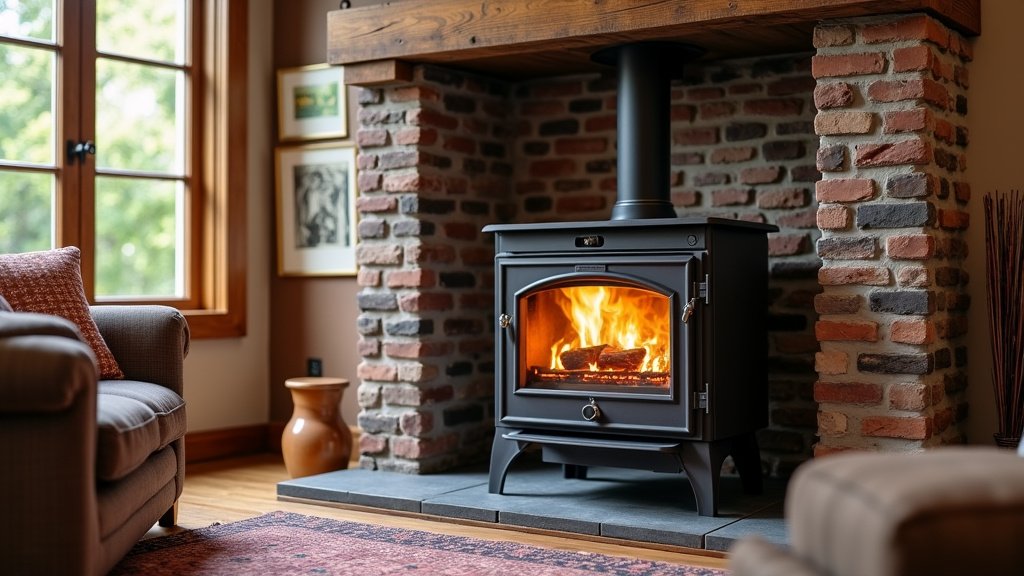
As we’ve thoroughly explored, a wood stove without a chimney is simply not an option. Your research and our findings confirm that a properly installed and maintained chimney is fundamental for safe operation. It protects your home from fire, your family from dangerous gases, and ensures your stove burns effectively.
Never compromise on this critical component. Whether you choose a traditional masonry system or a modern factory-built one, always prioritize professional installation and regular maintenance. Your safety and the efficiency of your wood stove depend on it. Make sure your wood stove setup meets all local codes and keeps your home warm and secure.
Frequently Asked Questions
Can I use a wood stove without a chimney if I have good ventilation?
No, you cannot. Good room ventilation is not a substitute for a chimney. A chimney creates a direct, dedicated pathway for smoke and harmful gases to exit your home, preventing them from entering your living space.
Is it ever okay to vent a wood stove directly out a wall?
Directly venting a wood stove through a wall without a proper vertical chimney section is not safe or permissible. You need a vertical rise to create the necessary draft and ensure exhaust gases clear your home effectively and safely.
What are the signs that my chimney isn’t drafting properly?
Signs of poor draft include smoke entering your room when you open the stove door, difficulty starting or maintaining a fire, and excessive creosote buildup. You might also notice a smoky smell in your home.
How often should a wood stove chimney be cleaned and inspected?
You should have your wood stove chimney inspected and cleaned at least once a year by a certified chimney sweep. If you burn frequently, especially unseasoned wood, you may need more frequent cleanings.
Can a wood stove share a chimney flue with another appliance?
Generally, it is not recommended or permitted for a wood stove to share a chimney flue with another heating appliance. Each appliance should have its own dedicated flue to prevent exhaust gases from backing up or interfering with draft.