Can You Run a Wood Stove Flue Through a Wall?
On this page (9 sections)
Yes, you can run a wood stove flue through a wall, but it requires proper installation with a thru-wall chimney system and strict adherence to building codes.
Running a wood stove flue through a wall involves installing double-wall or triple-wall insulated pipe with proper clearances and fire-resistant materials to ensure safety.
What Is a Thru-Wall Wood Stove Installation?
A thru-wall installation means your wood stove’s flue pipe exits through an exterior wall instead of going up through the roof. Think of it like a side door instead of using the main entrance.
This setup works well when you can’t install a traditional vertical chimney. Maybe you’re in a basement, have structural obstacles above, or want to avoid cutting through multiple floors.
How Does a Thru-Wall System Work?
The system uses specialized double-wall or triple-wall pipe that goes from your stove through the wall. Once outside, the pipe turns upward and extends above your roofline.
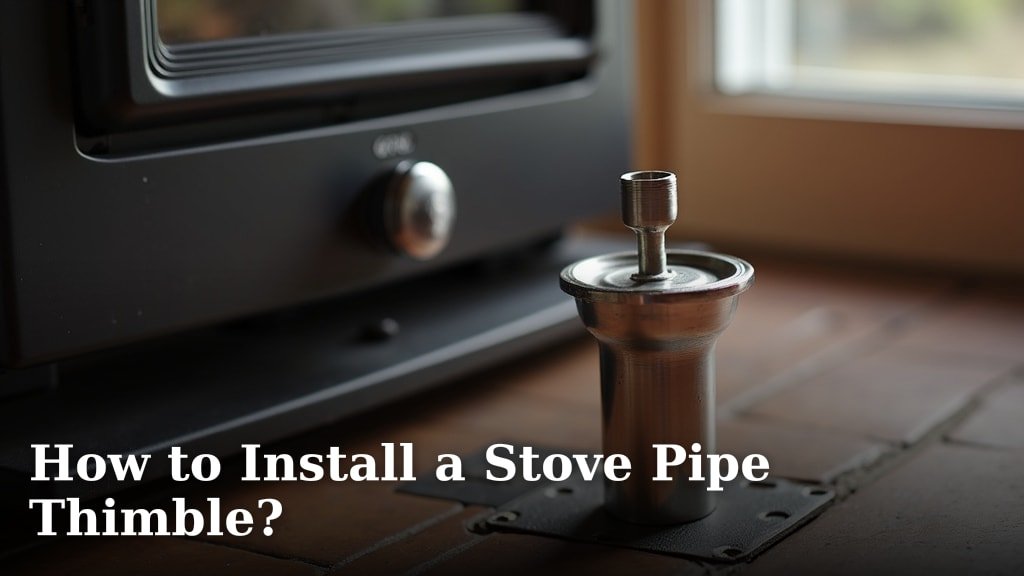
You’ll need a thimble where the pipe passes through the wall. This protects the wall materials from heat and provides proper spacing.
Safety Requirements for Wall-Mounted Flues
Safety comes first when running any flue through a wall. The materials around your pipe get extremely hot during operation.
Required Clearances from Combustible Materials
Most codes require at least 18 inches of clearance between your flue pipe and any combustible materials. This includes wood framing, insulation, and siding.
Some newer triple-wall systems allow closer clearances, but you must check your specific pipe manufacturer’s requirements.
Wall Protection Materials
You’ll need non-combustible materials around the penetration point. Common options include:
- Fire-resistant drywall or cement board
- Metal heat shields
- Masonry materials like brick or stone
- Specialized wall thimbles designed for your pipe size
Proper Pipe Types and Installation
Never use single-wall stove pipe through a wall. You need double-wall or triple-wall insulated chimney pipe rated for your application.
The pipe must be continuous through the wall without joints inside the wall cavity. Joints create potential failure points and code violations.
Building Code Requirements
Every area has different building codes, but most follow similar safety principles. I found that most jurisdictions require permits for wood stove installations.
Common Code Requirements
Research shows that typical requirements include:
- Minimum 3 feet above the penetration point
- At least 2 feet higher than any roof within 10 feet
- Proper cap and spark arrestor
- Professional inspection before use
When You Need Professional Help
Most codes require professional installation or inspection. Some areas allow homeowner installation with proper permits and inspections.
Don’t guess about your local requirements. Contact your building department before starting any work.
Types of Through-Wall Chimney Systems
You have several options for through-wall installations. Each has different benefits and costs.
Double-Wall Insulated Systems
These double-wall systems have an inner liner surrounded by insulation and an outer wall. They’re less expensive than triple-wall but require larger clearances.
Double-wall systems work well for most residential installations. They provide good performance at a reasonable price point.
Triple-Wall Systems
Triple-wall systems offer better insulation and allow smaller clearances. They cost more but give you more flexibility in tight spaces.
Some triple-wall systems allow as little as 2-inch clearance to combustibles, making installation easier in confined areas.
Air-Cooled vs. Solid Pack Insulation
Air-cooled systems use air space for insulation. Solid pack systems use mineral wool or other insulating materials.
Solid pack systems usually perform better but cost more. Your choice depends on your budget and clearance requirements.
Installation Process Overview
Installing a thru-wall system involves several steps. Each step must meet code requirements for safety.
Planning Your Route
Start by planning where the stove pipe will exit your wall. You want the shortest, straightest path possible.
Check for electrical wires, plumbing, or other utilities in the wall. You don’t want any surprises when cutting.
Measuring and Marking
Measure carefully from inside to outside. Mark your hole location on both sides of the wall.
Double-check your measurements. Cutting the wrong size hole means big repair work.
Cutting the Wall Opening
Cut your opening slightly larger than your thimble size. Most thimbles need about a 1/2-inch clearance all around.
Use proper tools for your wall type. Masonry needs different cutting tools than wood frame construction.
Installing the Thimble
The thimble protects your wall and provides proper spacing for the pipe. It must fit snugly and seal against weather.
Follow the manufacturer’s instructions exactly. Poor thimble installation creates fire hazards and air leaks.
Common Installation Mistakes
I’ve researched common problems with thru-wall installations. Learning about these helps you avoid costly mistakes.
Insufficient Clearances
The biggest mistake is not maintaining proper clearances. Heat buildup can start fires or damage your home.
Always measure clearances carefully and err on the side of caution. Extra space is better than a fire.
Wrong Pipe Types
Using single-wall stove pipe through walls is dangerous and violates codes. Only use properly rated chimney pipe.
Don’t mix different manufacturer’s components. Each system is designed to work as a complete unit.
Poor Sealing
Gaps around thimbles let cold air in and hot air out. This reduces efficiency and can cause condensation problems. A flue damper also helps control airflow when the stove is not in use.
Use appropriate sealants rated for high temperatures. Standard caulk won’t work for this application.
Maintenance and Safety Tips
Once installed, your thru-wall system needs regular maintenance. Neglect leads to safety problems and poor performance.
Annual Inspection Schedule
Inspect your system at least once per year before heating season. Look for damage, blockages, or deterioration.
Check both inside and outside components. Weather can damage exterior parts you don’t see from inside.
| Component | What to Check | Warning Signs |
|---|---|---|
| Thimble | Cracks, gaps, loose fit | Heat stains on wall, air leaks |
| Exterior Pipe | Rust, dents, loose joints | White staining, separated sections |
| Cap | Screen condition, bird nests | Blocked openings, missing parts |
Professional Cleaning
Have your system professionally cleaned annually. Creosote buildup creates fire hazards and reduces efficiency.
Thru-wall systems can be harder to clean than vertical chimneys. Professional cleaners have the right tools and experience.
Cost Considerations
Thru-wall installations usually cost less than full chimney systems but more than simple vertical installations.
Material Costs
Expect to pay more for the specialized thimble and exterior chimney components. Quality systems start around $500 for materials.
Triple-wall systems cost 30-50% more than double-wall but may save money on clearance requirements.
Installation Costs
Professional installation typically runs $1,000-2,500 depending on complexity. This includes permits and inspections in most areas.
DIY installation saves labor costs but you still need permits and inspections. Factor these costs into your decision.
Conclusion
Running a wood stove flue through a wall is definitely possible with the right system and installation. The key is using proper materials, maintaining required clearances, and following local building codes.
Don’t cut corners on safety. Use only rated chimney pipe, install proper thimbles, and get required inspections. The small extra cost for doing it right protects your family and property.
When in doubt, consult professionals. A qualified installer can evaluate your specific situation and recommend the best approach for your needs and budget.
Can you use regular stove pipe through a wall?
No, you cannot use regular single-wall stove pipe through a wall. You must use double-wall or triple-wall insulated chimney pipe designed for wall penetrations. Regular stove pipe gets too hot and creates serious fire hazards when passing through combustible wall materials.
How far should a thru-wall chimney extend above the roof?
A thru-wall chimney must extend at least 3 feet above the point where it exits the wall and be 2 feet higher than any roof surface within 10 feet. This prevents downdrafts and ensures proper draft for your wood stove.
Do you need a permit for a thru-wall wood stove installation?
Yes, most jurisdictions require building permits for thru-wall wood stove installations. You’ll also need inspections before operation. Contact your local building department to understand specific requirements and permit costs in your area.
What happens if you don’t maintain proper clearances?
Insufficient clearances can cause wall materials to overheat and ignite, leading to house fires. Heat buildup can also damage wiring, insulation, and structural components. Always follow manufacturer specifications and local codes for minimum clearance distances.
Can a thru-wall installation work in a basement?
Yes, thru-wall installations work well in basements where vertical chimney installation is difficult. You’ll need adequate clearances and proper exterior height above ground level. The system must still extend above your roofline according to code requirements.