Do You Need a Chimney for a Pellet Stove?
On this page (6 sections)
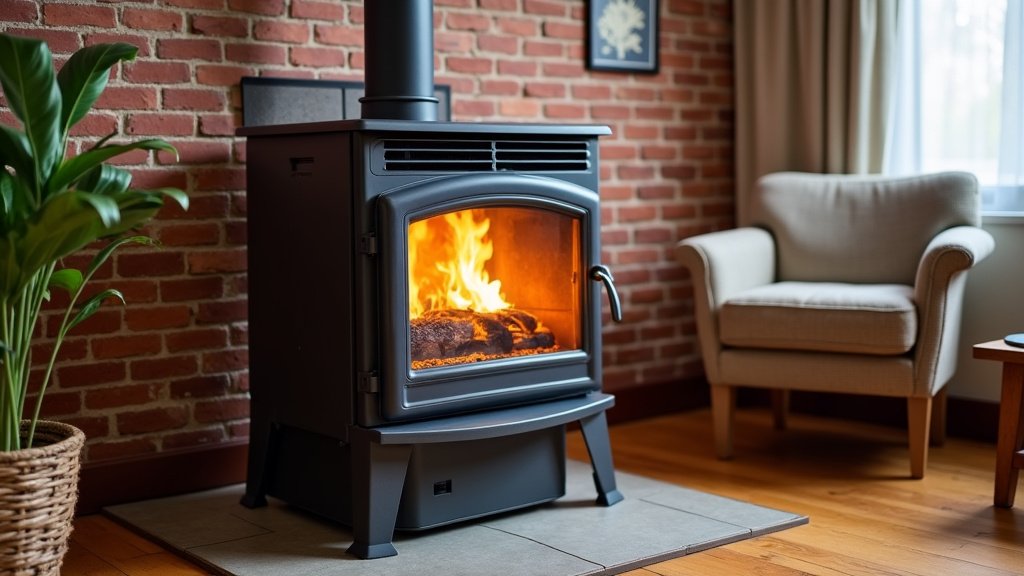
Yes, you generally need a chimney or a proper vent system for a pellet stove. While pellet stoves produce less smoke than wood stoves, they still create combustion byproducts that must be safely expelled. A well-designed vent ensures these fumes, like carbon monoxide, don’t enter your home and that your stove operates efficiently.
Thinking about installing a pellet stove? It’s a smart move for efficient heating! But before you get cozy, let’s talk about how these stoves vent their exhaust. Most building codes and manufacturer instructions require a specific type of vent, not just a hole in the wall. This helps maintain safe indoor air quality and prevents potential fire hazards.
- Pellet stoves need a vent to release combustion byproducts.
- This vent protects your home from harmful gases like carbon monoxide.
- Most installations require a specific type of vent, often a dedicated chimney or wall vent.
- Always check manufacturer instructions and local building codes.
So, let’s dive into the details of why a chimney is important for your pellet stove and what your venting options really are.
Do You Need a Vent for Your Pellet Stove? It’s More Than Just Smoke
So, you’re thinking about a pellet stove for cozy, efficient heat. Great choice! But as you picture yourself warming up, you might be wondering about the exhaust. Do you really need a chimney or a special vent? The short answer is a resounding yes. Pellet stoves, while cleaner than traditional wood burners, still produce byproducts that need a safe exit route. Think of it like your car – it needs an exhaust pipe to send fumes away from the cabin, right? Your pellet stove needs a similar system.
We’ve researched the requirements, and it’s clear: proper venting isn’t optional. It’s a safety requirement and an efficiency booster. Without it, you risk dangerous gases like carbon monoxide entering your home. Plus, your stove just won’t run as well. We’ll walk you through why this is so important and what your options look like.
Why Your Pellet Stove Isn’t a Vent-Free Appliance
It’s easy to think because pellet stoves burn so cleanly, they might not need a big exhaust. They don’t produce the roaring flames and heavy smoke of a wood fire. However, combustion is still happening inside. Even a small amount of incomplete combustion can create harmful gases. Research from the Environmental Protection Agency (EPA) confirms that all fuel-burning appliances produce exhaust.
These exhaust gases include carbon monoxide (CO). This is a colorless, odorless gas that can be deadly. It happens when fuels don’t burn completely. Pellet stoves aim for high efficiency, but perfect combustion isn’t always achieved, especially during startup or shutdown. So, letting these gases build up in your home is a serious health risk. We found that most health organizations, including the CDC, warn strongly about carbon monoxide dangers in homes with fuel-burning appliances.
The Science of Pellet Stove Exhaust
Pellet stoves work by burning compressed wood or biomass pellets. This process creates heat, but also releases gases. These gases are primarily water vapor, carbon dioxide, and some unburned particles. While much less than a wood stove, there are still byproducts you don’t want lingering indoors. The heat generated from burning also needs to be managed. Venting helps carry away heat that isn’t directly contributing to warming your room.
Think about it: where does the air go after it helps the fire burn? It has to leave. A good vent system creates a draft. This draft pulls fresh air into the stove for the fire to use. Then, it pushes the exhaust gases out. This continuous flow is essential for performance and safety. We found that the efficiency of a pellet stove is directly tied to its ability to draw in combustion air and expel exhaust effectively.
Understanding Manufacturer Requirements and Building Codes
Every pellet stove manufacturer provides specific installation and venting instructions. These aren’t just suggestions; they are requirements for the stove to operate safely and as intended. Ignoring these can void your warranty. Building codes also dictate how these appliances must be vented in your home. These codes are put in place by local authorities to ensure public safety. They are based on extensive research and testing.
Why are these codes so strict? Because they protect you and your family. They address fire safety and air quality. We’ve seen that codes typically require specific clearances from combustible materials and a certain type of vent pipe. For instance, many codes mandate the use of Type-H vent pipe or a dedicated masonry chimney. This is different from the vent you might use for a gas furnace. It’s designed to handle higher temperatures and potentially corrosive byproducts.
Common Pellet Stove Venting Options Explained
When we talk about venting a pellet stove, you have a few primary choices. Each has its own set of installation rules and considerations. It’s not a one-size-fits-all situation. The best option for you will depend on your home’s layout and local building requirements. We’ll break down the most common methods.
Direct Vent Systems: The Modern Approach
Direct vent systems are a very popular choice for pellet stoves. They are designed to be efficient and safe for most homes. These systems use a special type of vent pipe that runs directly outside. Often, this pipe goes through an exterior wall. The pipe itself is usually a double-wall construction. This means there’s an inner pipe for exhaust and an outer pipe for fresh air intake.
One of the biggest advantages of direct venting is that it doesn’t rely on the inside air of your home for combustion. It pulls air directly from the outside. This prevents your home from losing heated air. It also means the exhaust is completely sealed from your living space. This is a huge safety plus. We found that many experts recommend direct vent systems for their efficiency and safety features, especially in newer, tightly sealed homes.
Through the Wall Venting
This is the most common type of direct vent installation. The vent pipe penetrates an exterior wall. For details on this setup, see our guide to pellet stove wall venting. It terminates with a specialized vent cap that prevents rain and pests from entering. The length and number of bends in the vent pipe are critical. Manufacturers provide strict limits on these to ensure proper draft. We always advise checking your stove’s manual for these specific requirements.
Through the Roof Venting
While less common for direct vent pellet stoves compared to through-the-wall, it is possible. This method involves running the direct vent pipe up through the ceiling and out the roof. This can be a good option if exterior wall penetrations aren’t feasible or desirable. However, it often involves more complex installation and sealing around the roof penetrations to prevent leaks. This is especially important to prevent moisture damage.
Masonry Chimneys: The Traditional Route
Can you vent a pellet stove into an existing masonry chimney? Yes, in many cases, but with important modifications. Simply using a standard chimney built for a wood stove isn’t usually sufficient on its own. These chimneys can be too large and not properly insulated for the cooler exhaust of a pellet stove. This can lead to condensation and creosote buildup, which is a fire hazard.
To use a masonry chimney, you almost always need to install a stainless steel liner. This liner runs from the top of the chimney all the way down. It creates a sealed, properly sized passage for the exhaust gases. It also protects the masonry from corrosive byproducts. The size of the liner needs to be matched to your specific pellet stove model. Manufacturer guidelines and local codes will specify the correct diameter and material. We’ve seen many installations where this liner is the key to safely and effectively using an existing chimney.
Pros and Cons of Different Venting Methods
Choosing the right venting method involves weighing a few factors. Here’s a quick look at what we found:
| Venting Method | Pros | Cons |
|---|---|---|
| Direct Vent (Through Wall) | Efficient, doesn’t use indoor air, safe, easy installation in many cases, doesn’t require a full chimney. | Requires exterior wall access, vent pipe visible on exterior, specific placement limitations. |
| Masonry Chimney with Liner | Utilizes existing structure, can offer a cleaner aesthetic, good draft potential. | Requires liner installation (added cost), potential for condensation if not properly installed, chimney must be in good repair. |
Essential Considerations for Pellet Stove Venting
Regardless of which venting system you choose, several factors are universally important. These are the details that ensure your pellet stove operates safely and effectively for years to come. Don’t overlook these steps, as they are vital for peace of mind.
Proper Pipe Material and Size
The type of vent pipe is critical. For direct vent systems, you’ll typically use a double-wall, insulated pipe specifically designed for pellet stoves. This is often referred to as Type-H or Class A venting. It’s designed to withstand the temperatures and combustion byproducts of pellet stoves. Using the wrong type of pipe, like flexible dryer vent hose, is extremely dangerous and a major fire risk. Always use the pipe recommended by your stove manufacturer.
The diameter of the vent pipe is also crucial. It needs to match your stove’s exhaust outlet size. Too small, and you restrict airflow, leading to poor performance and potential CO buildup. Too large, and the draft might not be strong enough to expel the exhaust effectively. We found that manufacturers provide clear charts or specifications for the correct pipe diameter based on the stove model and vent length.
Vent Termination Location
Where your vent pipe ends on the outside of your house matters. Building codes dictate the minimum distances from windows, doors, and air intakes. This is to prevent exhaust fumes from being drawn back into your home. For roof terminations, there are also height requirements above the roof line. These ensure that wind doesn’t push smoke back down the vent.
For wall terminations, the vent cap should be positioned so that it’s protected from direct rain and snow. It should also be easily accessible for inspection and cleaning. Always follow the national and local codes for vent termination. You can usually find these on your city or county building department’s website. We recommend reviewing these before you finalize your installation plan.
Clearances and Support
Maintaining proper clearances between the vent pipe and any combustible materials (like wood framing or insulation) is non-negotiable. These clearances are specified by the vent pipe manufacturer and often by building codes. They are there to prevent fires. The vent pipe must also be properly supported along its entire length. This prevents sagging or disconnection, which could lead to leaks or poor venting. Support brackets are typically required at regular intervals.
Regular Inspection and Cleaning
Even with the best installation, your pellet stove vent system needs care. We found that manufacturers recommend annual inspections and cleaning of the vent pipe and chimney liner. We found that manufacturers recommend annual inspections and cleaning of the vent pipe and chimney liner. This is to remove any ash, soot, or potential blockages. A blocked vent is a serious safety hazard. A qualified chimney sweep or stove technician can perform this service. They can also check for any signs of damage or wear.
Your Pellet Stove Venting Checklist
Before you finalize your pellet stove installation, run through this quick checklist:
- Have you chosen the correct vent pipe material and diameter specified by the manufacturer?
- Are you following all manufacturer instructions for vent length and bends?
- Have you confirmed the vent termination location meets all local building codes and clearances?
- Is the vent pipe properly supported and sealed against air leaks?
- Do you have a plan for annual inspection and cleaning of the vent system?
- Have you checked with your local building department about required permits for installation?
Conclusion
You’ve learned that a chimney or dedicated vent system is essential for your pellet stove. It’s not just about smoke; it’s about safely expelling harmful gases like carbon monoxide and ensuring your stove runs efficiently. From understanding the science of combustion byproducts to exploring direct vent and masonry chimney options, the key is a proper, code-compliant installation. Always prioritize manufacturer guidelines and local building codes for your safety. Your next step? Consult your stove’s manual and your local building department to plan your safe and effective venting solution.
Frequently Asked Questions
Can I vent my pellet stove through a window?
No, you should never vent a pellet stove through a window. This is unsafe and not permitted by building codes or manufacturers. Window venting doesn’t create a proper seal, allows conditioned air to escape, and poses a serious risk of carbon monoxide entering your home. Always use a dedicated vent system designed for your stove.
What is the difference between Type-H and Type-L vent pipe?
Type-H (often called Class A) is a heavy-duty, double-wall insulated pipe designed for solid fuel appliances like pellet stoves, capable of higher temperatures. Type-L is typically used for gas appliances and is not rated for the higher temperatures or potential creosote from solid fuel. Always use Type-H or the specific venting recommended by your pellet stove manufacturer.
Do I need a permit to install a pellet stove vent?
In most areas, yes, you will need a permit to install a pellet stove and its venting system. Local building departments require permits to ensure the installation meets safety codes and standards. It’s best to contact your local building department early in the planning process to understand requirements and avoid potential issues.
Can a pellet stove vent be shared with another appliance?
Generally, no. Pellet stove venting systems should not be shared with other appliances, such as furnaces or water heaters. Each appliance has specific venting requirements, and sharing a vent can lead to improper exhaust removal, reduced efficiency, and dangerous conditions like carbon monoxide buildup.
How often should my pellet stove vent be cleaned?
We found that most manufacturers recommend inspecting and cleaning your pellet stove vent system annually. This cleaning removes ash, soot, and any potential blockages that could hinder performance or create a fire hazard. A professional chimney sweep or stove technician can perform this important pellet stove maintenance.