How to Run Stove Pipe Through a Wall?
On this page (6 sections)
Yes, you can absolutely run stove pipe through a wall, but it requires careful planning and the right fire-rated materials. Failing to do so can lead to serious fire hazards. This process involves installing a special wall thimble designed to protect combustible materials from the heat of the stove pipe. It’s a common setup for wood stoves and pellet stoves, but safety is always the top priority. For a pellet stove, see our guide to venting through a wall safely.
When running stove pipe through a wall, you’re essentially creating a safe passage for exhaust fumes. This isn’t just about aesthetics; it’s a critical safety step. We found that using a certified double-wall pipe within the wall transition is also a best practice. For the full installation sequence, see our guide to a twin wall flue system. This helps maintain safe clearances from surrounding wood framing and other building materials. Proper installation ensures your stove vents effectively and safely into the outdoors.
- Choose the right wall thimble for your stove pipe size.
- Always use double-wall stove pipe for the section passing through the wall.
- Maintain the correct clearance to combustible materials.
- Ensure the thimble is properly secured to the wall framing.
- Consult your stove and pipe manufacturer’s instructions.
Ready to get your stove pipe safely through that wall? Let’s walk through the steps to ensure a secure and compliant installation.
Safely Venting Your Stove Pipe Through a Wall
Running stove pipe through a wall can seem daunting, but with the right approach, it’s a manageable project. The main goal is to prevent heat from reaching combustible materials like wood framing. This is where specialized components come into play. We found that understanding these parts is key to a safe installation.
Understanding Wall Thimbles
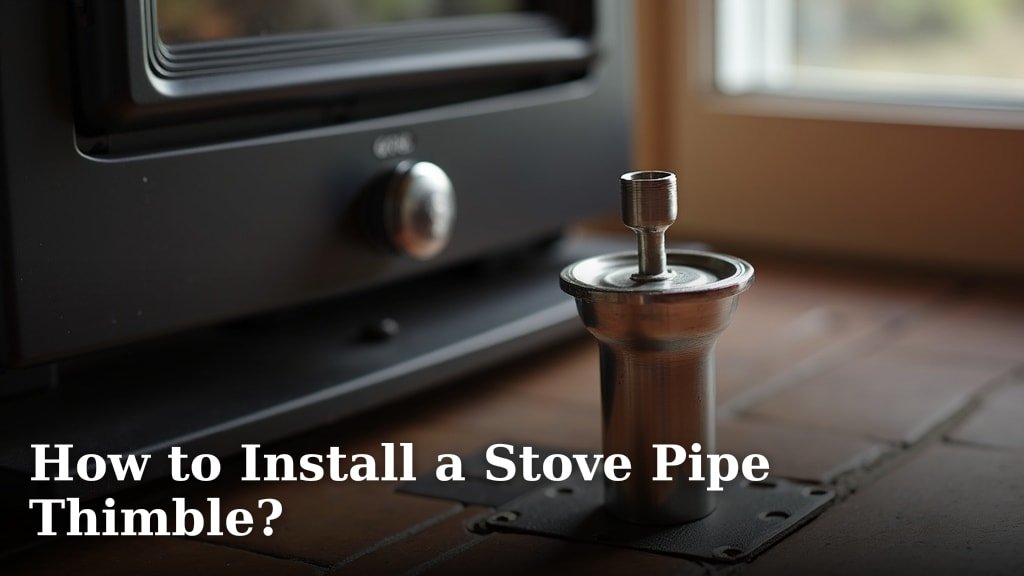
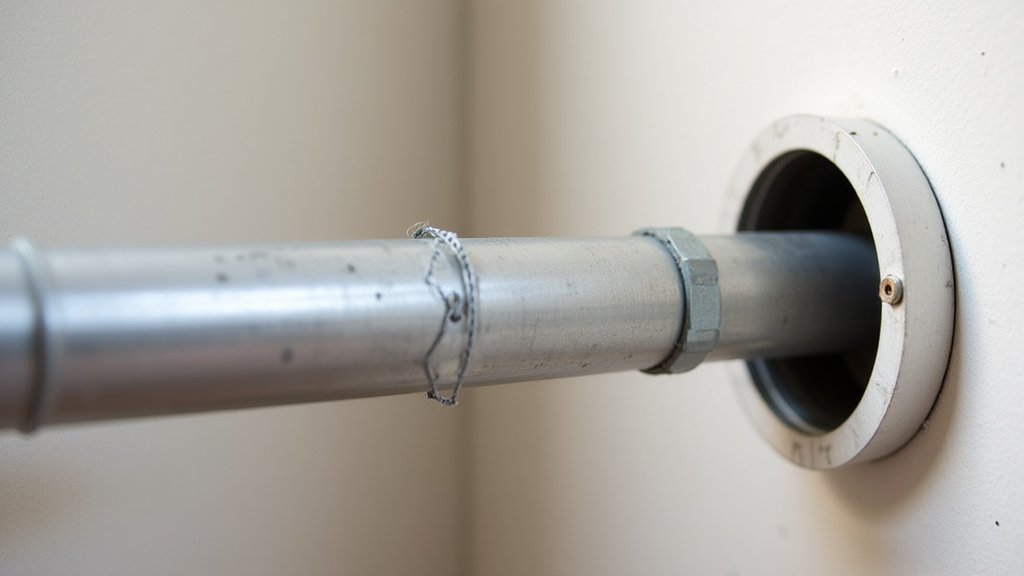
A wall thimble is the essential piece that makes running stove pipe through a wall safe. For the steps, follow our guide to installing a stove pipe thimble. Think of it as a fire-rated sleeve. It’s designed to pass the stove pipe through the wall while maintaining a safe distance from any flammable materials. Without a proper thimble, the heat from the stove pipe could easily ignite your wall structure.
What is a Wall Thimble?
A wall thimble acts as a barrier. It’s typically made of metal, often stainless steel or galvanized steel. The thimble is designed to withstand high temperatures. It creates a clear airspace or uses non-combustible insulation to keep the heat contained within the pipe itself. Many building codes require a specific type and size of wall thimble for safety.
Types of Wall Thimbles
There are a few common types of wall thimbles you might encounter. Some are designed for single-wall pipe, while others are specifically for the double-wall pipe that’s often recommended for wall penetrations. We found that the type of stove pipe you’re using will dictate which thimble you need.
- Adjustable Thimbles: These are great because they can adapt to different wall thicknesses. They often have telescoping sections.
- Fixed-Length Thimbles: These come in specific lengths and are ideal when you know your exact wall thickness.
- Insulated Thimbles: Some thimbles include ceramic insulation for added protection. This is often required for certain wall types or closer clearances.
Choosing the Right Thimble
Selecting the correct thimble is your first major step. You need to match the diameter of your stove pipe. The thimble’s opening must be large enough for the pipe to pass through comfortably. More importantly, the thimble itself must be rated for the type of stove and pipe you are installing. Always check your stove and pipe manufacturer’s manual. They will specify the exact requirements.
Double-Wall vs. Single-Wall Stove Pipe
When running stove pipe through a wall, the type of pipe you use is critical for safety. Double-wall pipe is almost always the preferred choice for this section of the installation.
The Benefits of Double-Wall Pipe
Double-wall stove pipe has an air gap or insulation between two layers of metal. This significantly reduces the exterior temperature of the pipe. This is vital for keeping the heat away from your wall structure and any framing. Many safety standards recommend or require double-wall pipe for wall penetrations because it offers superior protection.
When Single-Wall Might Be Used (and Why It’s Risky)
Single-wall pipe gets very hot on the outside. While it’s fine for the section of pipe directly connected to your stove in an open area, it’s generally not recommended for passing through walls. Using single-wall pipe through a wall would require a much larger, more complex, and often bulkier wall penetration system. It’s simpler and safer to use double-wall pipe.
Installation Steps for Running Stove Pipe Through a Wall
Now that you understand the components, let’s look at the process. Safety and precision are key here. We found that taking your time prevents costly mistakes and ensures a safe setup.
Step 1: Locate and Mark the Opening
First, decide exactly where you want the stove pipe to exit your home. Consider the best location for venting outdoors. You’ll need to account for the stove’s placement indoors. Use a stud finder to locate wall studs and any existing wiring or plumbing. You want to avoid cutting into these. Mark the center point where your thimble will go.
Step 2: Prepare the Wall Opening
Once you’ve found a clear spot, you’ll need to cut an opening in the wall. The size of this hole will depend on the wall thimble you purchased. Most thimbles have specific instructions for the size of the opening required. Trace the thimble’s outline onto the wall. Carefully cut along this line using a drywall saw or a reciprocating saw.
Cutting Through Different Wall Materials
ConclusionYou’ve learned that running stove pipe through a wall is achievable with the right precautions. The key is using a properly rated wall thimble and opting for double-wall stove pipe for the wall penetration. Always remember to maintain safe clearances from combustible materials and consult your manufacturer’s instructions. Following these steps ensures your stove vents safely and efficiently, protecting your home from fire hazards. Before you cut, double-check your measurements and local building codes. Your next step is to gather your materials and plan your precise opening location.
Frequently Asked Questions
Do I need a special kit to run stove pipe through a wall?
Yes, you absolutely need a specialized kit. This typically includes a wall thimble designed to create a safe passage and maintain proper clearances. You cannot simply cut a hole and push the pipe through.
What is the minimum clearance required for stove pipe through a wall?
Minimum clearances vary depending on the type of stove pipe and the wall thimble used. We found that double-wall pipe requires less clearance than single-wall. Always check the manufacturer’s specifications for your specific components and consult local building codes.
Can I use single-wall stove pipe through a wall?
It is strongly discouraged and often against code to use single-wall stove pipe through a wall. Single-wall pipe gets extremely hot on the exterior surface. Using it would require a much larger, more complex, and potentially unsafe penetration system.
How do I secure the wall thimble in place?
Wall thimbles are typically secured directly to the wall framing. This might involve screws or bolts through mounting flanges on the thimble itself. Ensure the thimble is flush and stable against the interior wall surface before proceeding with pipe installation.
What if my wall is thicker than standard?
If your wall is thicker than the standard thimble accommodates, you’ll need an adjustable wall thimble or an extension kit. These components are designed to bridge thicker walls safely. Always verify the maximum wall thickness your chosen thimble can handle.