What Can You Use Instead of a Chimney Sweep?
On this page (7 sections)
- Alternatives to a Professional Chimney Sweep: What You Can (and Can’t) Do
- DIY Chimney Cleaning: What’s Safe and What’s Not?
- The Role of Regular Professional Inspections
- A Comparison of DIY vs. Professional Chimney Care
- Checklist: Is Your Chimney Ready for Winter (or Summer)?
- Conclusion
- Frequently Asked Questions
You might be wondering if you can skip the chimney sweep. While some DIY methods can help with light cleaning, they are not a substitute for professional sweeping. A chimney sweep removes creosote, a highly flammable buildup, that poses a serious fire risk. Trying to clean it yourself without the right tools and knowledge can be dangerous.
The primary purpose of a chimney sweep is safety. They ensure your fireplace and chimney system are free from blockages and dangerous soot deposits. This regular maintenance is essential for preventing chimney fires and carbon monoxide poisoning. You should plan for professional inspections and cleaning **at least once a year**.
- Professional chimney sweeps are crucial for safety.
- They remove dangerous creosote buildup.
- DIY methods are not sufficient for complete cleaning.
- Annual professional inspections are recommended.
- Skipping a sweep can lead to chimney fires.
Let’s talk about what you can do and what you absolutely need a professional for when it comes to your chimney. We’ll cover the important differences so you can make the safest choice for your home.
You’re probably wondering if there are any quick fixes or DIY tricks to keep your chimney in shape without calling in the professionals. It’s a common question! While some basic tidying might seem tempting, it’s really important to understand what a professional chimney sweep does and why it’s so hard to replicate that job yourself.
Alternatives to a Professional Chimney Sweep: What You Can (and Can’t) Do
Let’s be clear: there’s no magic bullet or substitute for a professional chimney sweep when it comes to safety and thorough cleaning. Think of it like this: you can dust your furniture, but you can’t deep clean your carpets with just a feather duster. Similarly, some home maintenance is best left to the experts.
Understanding the Risks of Creosote Buildup
The main reason for chimney sweeping is to remove creosote. This is a tar-like substance that builds up from burning wood. It’s highly flammable. When your chimney isn’t cleaned properly, this creosote can ignite. This can lead to a dangerous chimney fire. It can spread to your home’s structure. Many fire departments respond to chimney fires each year. These fires are often preventable with regular cleaning.
Why DIY Isn’t a True Replacement
You might find videos online showing ways to clean a chimney yourself. These often involve long brushes or special chemicals. However, these methods usually only tackle the surface-level soot. They don’t get to the hard, glazed creosote. This is the most dangerous type. Professionals have specialized tools. An exterior chimney sweep access door can make the chimney easier to reach for service. These include rotary brushes, powerful vacuums, and even cameras to inspect the inside. They can see where the problems are. They can remove them completely. Trying to do this without the right equipment can be ineffective and dangerous.
The Limits of Chemical Cleaners
Some products called creosote logs claim to reduce creosote when burned in your fireplace. These are often called “creosote logs” or “chimney cleaners.” While they might help loosen some of the lighter creosote deposits, they are not a substitute for mechanical cleaning. The EPA notes that these products are generally less effective than manual sweeping. They can create a false sense of security. You might think your chimney is clean when it’s still a fire hazard. These chemicals don’t remove the hardened, glazed creosote. That’s the stuff that really poses a **serious risk of fire**.
Basic Maintenance vs. Professional Cleaning
What can you do? You can perform some basic maintenance between professional cleanings. This might include sweeping out loose ash from the firebox. You can also check for obvious blockages like large nests. However, this is like wiping down your kitchen counters. It doesn’t replace the deep clean a professional provides. They are trained to identify structural issues. They can spot early signs of wear and tear. These are things you might easily miss.
DIY Chimney Cleaning: What’s Safe and What’s Not?
Let’s talk about what you can safely do yourself. And more importantly, what you absolutely should not attempt without professional help. Safety is always the number one priority.
Safe DIY Tasks for Homeowners
Here are a few things you can handle:
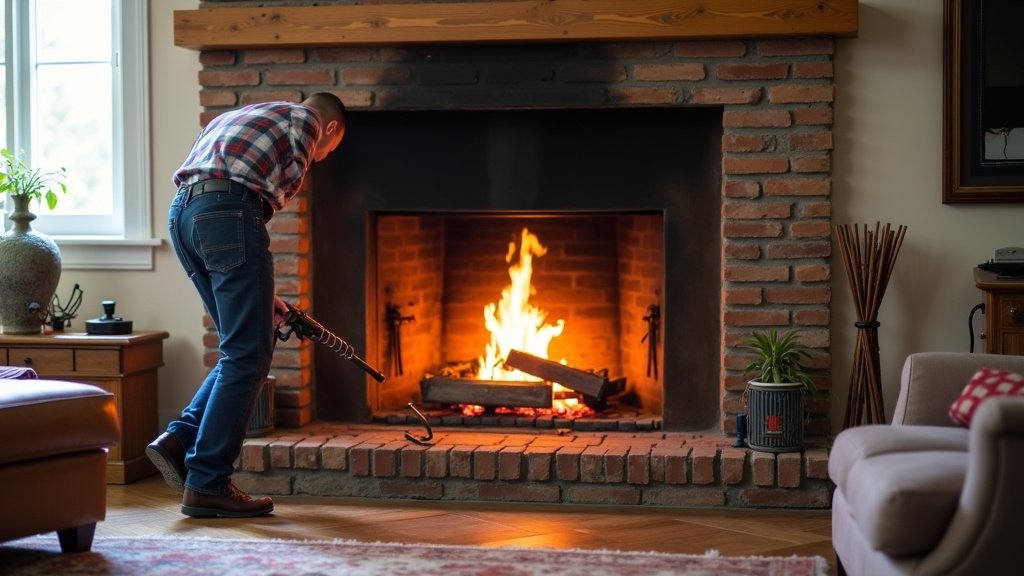
- Ash Removal: Carefully remove cooled ash from the firebox. Use a metal shovel and bucket. Store ashes in a metal container with a lid, away from your house, for several days. This prevents any lingering embers from causing a fire.
- Visual Inspection (Exterior): From the ground, look at the visible parts of your chimney. Check for any obvious damage like loose bricks or missing mortar. Look for anything unusual.
- Checking for Blockages (Carefully): You can look up into the flue opening from your fireplace. See if there are any obvious obstructions like a bird’s nest. If you see something, don’t try to force it out.
When to Absolutely Call a Professional
There are many tasks that are simply too risky for the average homeowner. These include:
- Removing Creosote: This is the big one. Removing hardened creosote requires specialized tools and knowledge. It’s a dirty and potentially dangerous job. Professionals have the right brushes and safety gear.
- Inspecting the Flue Liner: The flue liner is critical. It protects your home from heat and flames. Damage here is serious. Professionals use specialized tools, including cameras, to inspect it thoroughly. You cannot do this yourself.
- Cleaning the Damper and Smoke Chamber: These areas are often hard to reach. They accumulate soot and creosote. Professional cleaning ensures they are free of blockages. This allows for proper draft.
- Dealing with Animal Nests: While you might spot a nest, safely removing it is often more complicated. Professionals can handle this and check for any damage the animals might have caused.
The Role of Regular Professional Inspections
Think of professional chimney inspections like your annual dental check-up. You might brush your teeth daily, but a dentist has the tools and expertise to find issues you can’t. The Chimney Safety Institute of America (CSIA) recommends annual chimney inspections for all chimneys. This is true even if you don’t use your fireplace often.
What a Professional Inspection Entails
During a professional inspection, a certified chimney sweep will:
- Check for creosote and soot buildup.
- Inspect the entire chimney structure, inside and out.
- Look for any cracks or damage in the flue liner.
- Ensure the damper is working correctly.
- Check the chimney cap and flashing for damage.
- Make sure there are no blockages from nests or debris.
They will provide a report on the condition of your chimney. They will recommend any necessary repairs or cleaning. This detailed assessment is vital for preventing fires and ensuring safety.
Understanding Chimney Inspection Levels
The CSIA outlines different levels of chimney inspections:
Level 1: This is for routine annual inspections. It’s for chimneys in good condition that you use regularly. It involves a visual inspection of accessible areas.
Level 2: This is recommended when you make changes to your system. Examples include installing a new appliance or if you suspect a problem. It includes a visual inspection plus the use of video equipment to view areas not normally visible.
Level 3: This is for situations where a serious problem is suspected. It involves removing accessible parts of the system to inspect concealed areas. This is rare but necessary for safety.
Most homeowners will need a Level 1 inspection annually. This ensures basic safety. If you’re unsure, ask your chimney sweep about the best level for your home. They can assess your situation.
A Comparison of DIY vs. Professional Chimney Care
To make things really clear, let’s look at what each approach offers:
| Feature | DIY (Basic Tasks) | Professional Chimney Sweep |
|---|---|---|
| Primary Goal | Light tidying, basic ash removal | Comprehensive safety inspection & thorough cleaning |
| Creosote Removal | None (especially hardened creosote) | Complete removal of all types of creosote |
| Inspection Depth | Visual exterior, basic interior check | Detailed inspection of flue liner, structure, and components (often with video) |
| Tools Used | Shovel, metal bucket, broom | Rotary brushes, powerful vacuums, inspection cameras, specialized tools |
| Safety Expertise | Limited; homeowner risk | Certified professionals; homeowner safety ensured |
| Risk of Fire/Damage | Higher if cleaning is attempted and incomplete | Significantly reduced through proper maintenance |
| Cost | Minimal (cost of tools) | Professional service fee |
Checklist: Is Your Chimney Ready for Winter (or Summer)?
Here’s a quick checklist to help you think about your chimney’s needs:
- Have you had your chimney inspected professionally in the last year?
- Can you see any obvious damage to the outside of your chimney?
- Do you know what creosote looks like and how dangerous it is?
- Are you comfortable performing only basic, safe maintenance tasks yourself?
- Do you understand that DIY cleaning is not a substitute for professional sweeping?
- Is your chimney sweep certified and insured? (You should always ask!)
If you’re not confident answering “yes” to these, it’s a good sign you should schedule a professional cleaning and inspection. It’s an investment in your home’s safety and your peace of mind. Remember, prevention is always better than dealing with a costly and dangerous problem later on.
Conclusion
When it comes to your chimney, there’s no true substitute for a professional sweep. While you can manage basic tasks like ash removal, these don’t replace the thorough cleaning and safety inspection a professional provides. They have the specialized tools and expertise to tackle dangerous creosote buildup and identify hidden issues. Prioritizing annual professional inspections and cleanings is the smartest way to protect your home and family from fire hazards and carbon monoxide. Don’t gamble with your safety; schedule your chimney’s professional check-up today.
Frequently Asked Questions
Can I just burn special logs to clean my chimney?
While “creosote logs” or chemical cleaners can help loosen some light deposits, they are not effective against hardened creosote. The EPA notes they are much less effective than mechanical cleaning. Relying on these alone can create a false sense of security, leaving your chimney a fire hazard.
How often do I really need a professional chimney sweep?
The Chimney Safety Institute of America (CSIA) recommends annual inspections for all chimneys, even those used infrequently. If you use your fireplace regularly, a cleaning is usually recommended at the same time. This ensures ongoing safety and prevents dangerous buildup.
What if I only use my fireplace a few times a year?
Even light use can cause creosote to form. You should still get an annual inspection. A professional can check for any potential issues, like animal nests or structural damage, that could arise even without frequent use.
Is there any way to clean creosote myself without professional tools?
No, attempting to remove hardened creosote yourself without the right equipment is unsafe and ineffective. Professionals use specialized rotary brushes and vacuums designed for this purpose. Trying to force it can damage your chimney liner or lead to incomplete cleaning, which is still a fire risk.
What’s the difference between a visual inspection and a professional cleaning?
A basic visual inspection might catch obvious external damage. A professional cleaning and inspection involves a deep dive, using tools to remove dangerous creosote and soot. They also use cameras to check the flue liner for hidden cracks or damage that you’d never see otherwise.