Why Is My Wood Stove Pipe Rusting?
On this page (8 sections)
Your wood stove pipe is rusting because of condensation and creosote buildup. When you burn wood, moisture and byproducts escape up the chimney. If these don’t get hot enough, they can cool and turn into liquid. This liquid then sits on your pipe, causing rust. We found this is the most common culprit.
You might also see rust forming due to improper installation or external moisture. If the pipe isn’t sealed correctly, rain or snow can get inside. Even high humidity in your home can play a part. These factors combine to create a damp environment perfect for rust to form on your stove pipe.
- Condensation and creosote are the main reasons.
- Burning wood creates moisture that can cool.
- Improper installation can let in outside water.
- High home humidity can also contribute.
- Regular maintenance helps prevent rust.
Let’s take a closer look at why this happens and what you can do to stop it before it becomes a bigger problem.
Understanding Why Your Wood Stove Pipe is Showing Rust
Seeing rust on your wood stove pipe can be a bit alarming, right? It’s a common issue many homeowners face. Fortunately, understanding the root causes makes tackling it much easier. We’ve researched this extensively, and the main culprits usually boil down to how your stove operates and its environment.
The Role of Condensation and Creosote
This is where most rust issues begin. Your wood stove pipe is essentially a chimney for smoke and byproducts. When you burn wood, hot gases and moisture rise. If these gases cool down too quickly before they leave the pipe, they turn back into liquid. This is called condensation.
How Condensation Forms
Several factors contribute to this cooling. A common one is a cold chimney. If your chimney hasn’t been used recently, or if it’s a chilly day, the pipe’s interior can be cold. This cold surface acts like a cold drink glass on a humid day, causing moisture in the smoke to condense.
Another factor is “smoldering” fires. Burning wood at a low temperature, or with not enough air, produces more moisture and less heat. This inefficient burn means the flue gases don’t get hot enough to travel all the way up and out. They linger, cool, and create that nasty condensation.
We found that not letting your stove get up to temperature quickly is a major contributor. A slow, cool start to a fire is a rust developer’s best friend. Think of it like this: you want your pipe to act like a quick waterslide, not a slow, dripping faucet.
The Creosote Connection
Creosote is another byproduct of burning wood. It’s a sticky, tar-like substance that forms when unburned wood particles mix with the moisture in the smoke. It coats the inside of your stove pipe.
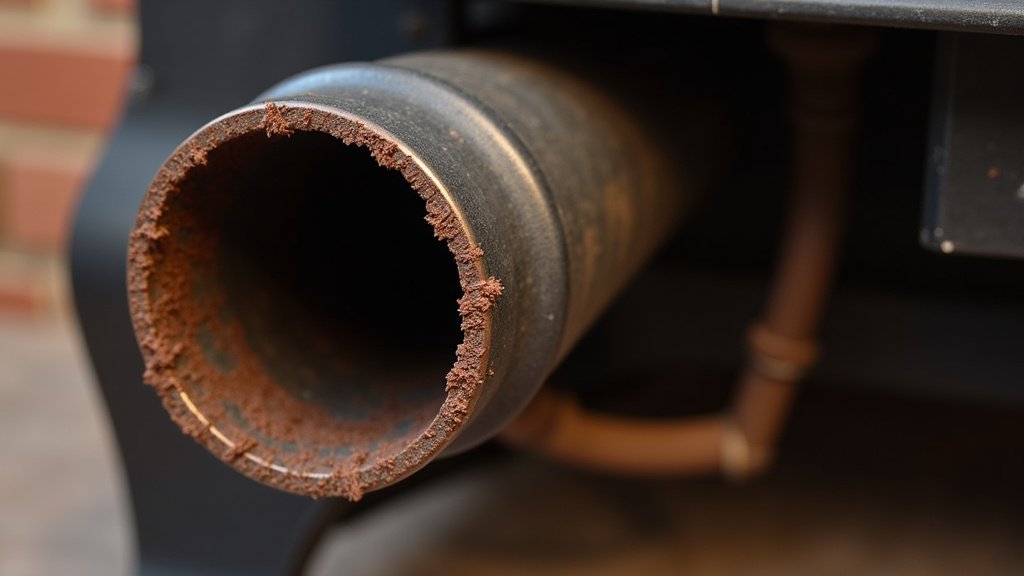
This creosote layer isn’t just a fire hazard; it’s also a moisture magnet. It acts like a sponge, absorbing any condensation that forms. This means the corrosive liquid sits on your pipe for longer periods, accelerating the rusting process.
We’ve seen that creosote buildup can create a sort of miniature ecosystem within your pipe. The longer it stays, the more it traps moisture, and the more your metal pipe is exposed to its damaging effects. Regular cleaning of creosote is therefore essential for pipe health.
The Science Behind the Rust
When water (from condensation) and creosote sit on the metal surface of your stove pipe, a chemical reaction occurs. Iron (from the steel pipe) reacts with oxygen and water to form iron oxide, which is what we call rust. This process is essentially oxidization.
This is the same process that causes an old nail left out in the rain to rust. The key is the prolonged contact between moisture, air, and the metal. The creosote often exacerbates this by holding the moisture right against the pipe surface.
Installation and External Moisture Issues
While condensation is a primary internal cause, problems with how the pipe was installed or external factors can also lead to rust. These issues allow water from the outside to get into places it shouldn’t.
Improper Sealing and Gaps
Your stove pipe needs to be properly sealed at all joints and connections with a suitable stove pipe joint sealant. If there are gaps or if the sealant has failed, it creates an entryway for water. This could be rain, snowmelt, or even just general humidity.
Think about the sections of pipe connecting to each other and to the wall or ceiling. If these connections aren’t airtight and watertight, trouble can start. We found that often, homeowners might not realize a small gap exists until it’s too late.
This is particularly true for pipes that pass through exterior walls or the roof. These areas are exposed to the elements. A leaky flashing or a poorly sealed pipe exit can allow water to drip directly onto or into your pipe system.
External Elements Causing Corrosion
Beyond direct leaks, external conditions can also contribute. High humidity in your home can increase condensation on the outside of the pipe, especially if it runs through cooler areas like an unheated basement or garage. This external moisture can lead to surface rust.
Rain and snow are obvious culprits if they can get in. But even just the general dampness of an outdoor or semi-outdoor installation can affect the pipe. Many experts say that keeping the exterior of your stove pipe as dry as possible is key to preventing surface rust.
Material Quality and Pipe Age
Not all stove pipes are created equal, and age plays a role too. The type of metal used and how long you’ve had the pipe can influence its susceptibility to rust.
The Impact of Pipe Material
Most single-wall stove pipes are made from steel. Some might have a coating, like porcelain or enamel, which offers some protection. However, if this coating gets scratched or chipped, the underlying metal is exposed and can start to rust.
Double-wall stove pipes generally offer better protection against condensation. Their design helps keep the inner wall hotter, reducing the chance of moisture forming. We found that homeowners often upgrade to double-wall pipe to combat these very issues.
Age and Wear and Tear
Like anything, metal pipes age and wear down. Over time, the protective coatings can degrade, and the metal itself can become more vulnerable to corrosion. A pipe that’s ten or fifteen years old might be more prone to rust than a brand-new one.
We’ve seen that if your pipe is quite old, it might be time to consider a replacement, especially if rust is becoming a persistent problem. It’s better to invest in a new pipe than to risk a safety hazard or a larger repair down the line. Review stove pipes for chimney installs when comparing replacements.
Quick Checklist: Preventing Rust on Your Stove Pipe
Want to keep that rust at bay? Here’s a quick rundown of what you can do:
- Ensure your wood stove heats up quickly and burns efficiently.
- Get your chimney inspected and cleaned regularly (at least annually).
- Check all pipe connections for leaks and ensure they are properly sealed.
- Protect your exterior pipe sections from direct rain and snow.
- Monitor for creosote buildup and address it promptly.
- Consider upgrading to insulated double-wall pipe if condensation is a major issue.
When to Call a Professional
If you’re seeing extensive rust, suspect leaks, or are unsure about the condition of your chimney system, it’s always best to call a qualified chimney sweep or stove professional. They have the tools and expertise to diagnose the problem accurately and recommend the right solution.
They can also perform thorough inspections and cleanings that are difficult for a homeowner to do. We found that professional advice can save you a lot of hassle and potential expense in the long run.
Conclusion
You’ve learned that rust on your wood stove pipe is a common issue, usually caused by condensation and creosote buildup from inefficient fires. We’ve also seen how improper installation and external moisture can invite rust. The good news is that by understanding these causes, you can take steps to prevent them. Regular cleaning, ensuring a hot and efficient burn, and checking your pipe’s seals are your best defenses. Prioritizing maintenance will keep your system safe and rust-free.
Frequently Asked Questions
How often should I clean my wood stove pipe to prevent rust?
We recommend having your chimney and stove pipe inspected and cleaned at least once a year. This helps remove creosote buildup, which is a major contributor to rust. Frequent use might require more frequent cleanings, so keep an eye on your system.
Can I paint my wood stove pipe to stop rust?
While some high-heat stove paints can offer a temporary barrier against surface rust, they typically don’t solve the underlying problem of condensation or creosote. We found that addressing the cause of moisture is more effective than just covering up the rust.
What’s the difference between surface rust and deep rust on my stove pipe?
Surface rust is usually a cosmetic issue on the exterior. Deep rust, however, means the metal is being eaten away from the inside, often due to prolonged exposure to condensation and creosote. Deep rust can compromise the pipe’s integrity and is a safety concern.
Is it normal to see a little bit of condensation inside my wood stove pipe?
A small amount of condensation, especially right after starting a cold fire, might be normal. However, if you’re seeing consistent moisture or liquid pooling regularly, it indicates an issue with your burn or flue temperature that needs to be addressed.
How can I make sure my wood stove burns efficiently to prevent rust?
To ensure an efficient burn, use dry, seasoned wood and make sure your stove gets enough air. Avoid smoldering fires by allowing the stove to get hot quickly and maintain a good temperature. This helps the flue gases travel up and out without cooling down too much.