Why Is My Fire Pit Rusting?
On this page (3 sections)
Your fire pit is rusting because it is made of
Rust happens when moisture, like rain or humidity, comes into contact with the metal. Over time, this
- Rust is a natural process for metal fire pits.
- Moisture and oxygen cause rust formation.
- Even good quality fire pits can rust.
- Proper care can slow down rusting.
Below, we’ll walk you through exactly why your fire pit might be rusting and what you can do about it. Let’s get started.
The Truth About Your Fire Pit’s Rust
Rust formation on your fire pit is a
Understanding Oxidation: The Science Behind Rust
Oxidation is the fancy word for what’s happening. Think of it like this: your fire pit’s metal, usually iron or steel, is
The Role of Iron and Steel
Most fire pits are made from iron or steel. These metals contain iron. When iron comes into contact with oxygen and water, it
Moisture: The Rust Accelerator
You might wonder why rust appears more quickly in damp conditions. Water, or even just high humidity,
Common Factors That Encourage Rusting
Several everyday situations can make your fire pit more prone to rust. It’s not always about rain.
Exposure to the Elements
Leaving your fire pit uncovered
Humidity Levels
Even if it doesn’t rain,
Chemicals and Salt
Are you near a swimming pool? Pool chemicals or even
Lack of Proper Maintenance
Ignoring your fire pit after use is a big factor. Ash and unburnt wood left inside can
Does Rust Mean My Fire Pit Is Ruined?
Not necessarily! A little surface rust is
When Rust Becomes a Problem
Deep rust can
You can usually tell if the rust is serious. Does it chip away easily, revealing solid metal underneath? That’s typically surface rust. Does it look like it’s
Different Fire Pit Materials and Their Rust Resistance
Not all fire pit materials rust at the same rate. Some are designed to
| Material Type | Rust Resistance | Notes |
|---|---|---|
| Cast Iron | Low | Very prone to rust if not seasoned/maintained. |
| Steel (Standard) | Moderate | Will rust without protective coatings or care. |
| Corten Steel (Weathering Steel) | High (controlled rust) | Forms a stable, protective rust layer (patina). |
| Stainless Steel | Very High | Highly resistant, but not entirely rust-proof. |
| Copper | Very High (patina) | Develops a green-blue patina, not red rust. |
Corten Steel: The “Good” Rust
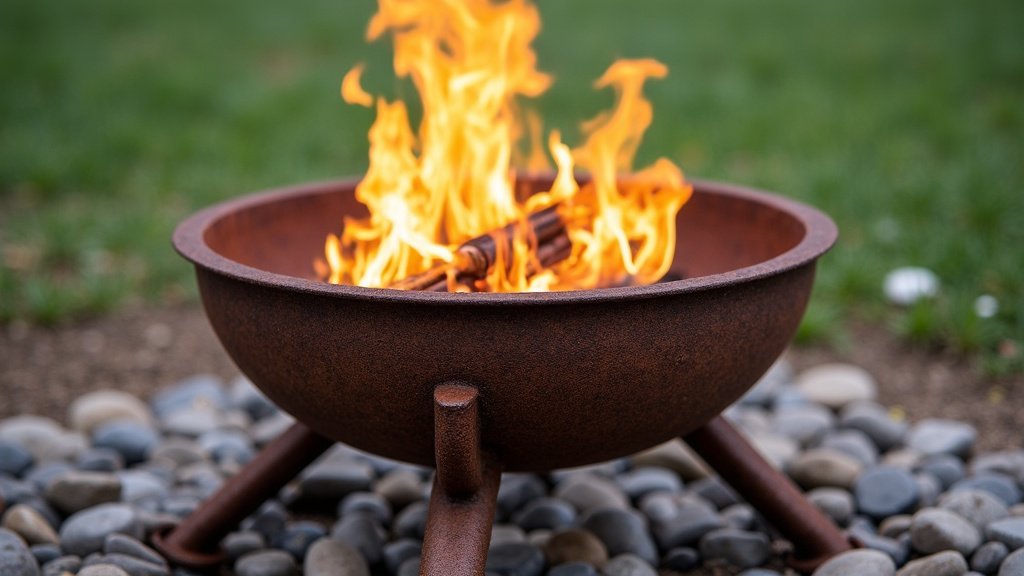
You might have heard of Corten steel fire pits. This material is designed to rust, but in a
Stainless Steel: The Rust Champion (Mostly)
Stainless steel is your best bet if you want to avoid rust almost entirely. It contains chromium, which
Proactive Steps to Prevent and Minimize Rust
You don’t have to just accept rust as an inevitable fate for your fire pit. There are many things you can do to
Use a Protective Cover
This is arguably the
Store It Properly
If your fire pit is portable, consider
Clean Regularly
After each use, let the fire pit cool completely. Then,
Here’s a quick checklist for routine care:
- Remove ash after every use.
- Wipe down surfaces to remove residue.
- Ensure the fire pit is dry before covering.
- Apply a protective coating periodically.
- Inspect for early signs of rust regularly.
Apply Protective Coatings
For standard steel or cast iron fire pits, a high-temperature spray paint or a
Elevate Your Fire Pit
If your fire pit sits directly on damp ground, moisture can wick up. Placing it on
Dealing with Existing Rust
So, you’ve got some rust. Don’t panic!
Rust Removal Techniques
For light rust, a
After removing the rust,
When to Consider Replacement
Sometimes, the rust is too extensive. If the fire pit has
Conclusion
Rust on your fire pit is a normal occurrence, but it doesn’t have to ruin your outdoor enjoyment. We’ve seen that understanding why it happens and what materials resist it best puts you in control. By consistently protecting your fire pit from moisture and performing regular cleaning, you can significantly slow down the rusting process.
Even if rust has started, don’t despair. Surface rust is treatable, allowing you to restore your fire pit’s look and extend its lifespan. Take these simple steps to care for your fire pit, and you’ll keep those cozy flames burning for many seasons to come.
Frequently Asked Questions
Is it safe to use a fire pit with rust?
Light surface rust usually won’t affect safety. However, if you see deep rust that causes holes, cracks, or structural weakening, it’s safer to replace your fire pit. Compromised metal can lead to collapse or dangerous hot spots.
Can I paint over a rusty fire pit?
Yes, but you should remove loose rust first. After cleaning the surface, use a high-temperature, rust-inhibiting primer and then a high-temperature paint designed for grills or fire pits. This provides a protective barrier and improves its appearance.
How often should I cover my fire pit?
You should cover your fire pit every time it’s not in use, especially overnight or when rain is expected. Constant exposure to the elements is the main cause of rust. A good cover is your first line of defense.
Does storing my fire pit on grass cause more rust?
Storing your fire pit directly on grass can contribute to rust. The ground can stay damp, and moisture can wick up onto the metal. Elevating your fire pit or placing it on a dry, hard surface helps prevent this.
Will a stainless steel fire pit ever rust?
While highly rust-resistant due to its chromium content, stainless steel is not 100% rust-proof. Under extreme conditions, like prolonged exposure to harsh chemicals or saltwater, it can still develop “tea staining” or pitting. However, it’s far less prone to rust than standard steel.