What Is the Best Backup Heat Source for Power Outages?
On this page (3 sections)
The best backup heat source for power outages depends on your specific needs, but propane or natural gas heaters and wood stoves offer excellent reliability. These options provide consistent warmth, especially during extended blackouts. We found that each has unique benefits for different home setups.
When the electricity goes out, staying warm becomes a priority. You want a heating solution that is both safe and effective. Many experts say it’s smart to have a plan B for winter storms or unexpected grid failures. Thinking ahead helps keep your family comfortable and your pipes from freezing.
- Propane and natural gas heaters are reliable.
- Wood stoves offer consistent, off-grid heat.
- Safety is key for any backup heat source.
- Consider fuel availability and storage.
- Different homes need different solutions.
Let’s walk through the top options for backup heating during a power outage. We’ll help you find the perfect fit for your home and peace of mind.
Reliable Heat Sources When the Power Goes Out
When the lights go out, your ability to stay warm becomes a top concern. We found that the best backup heat sources are those that don’t rely on electricity at all, or only minimally. Think about what will keep your family safe and comfortable when the grid is down for hours or even days.
Propane and Natural Gas Heaters
Many homeowners turn to propane or natural gas heaters as a reliable option. These systems can provide a lot of heat and are relatively easy to use. A winter storm heating plan can help you prepare fuel and safety supplies in advance. The key is having a consistent fuel supply.
Vent-Free Propane Heaters
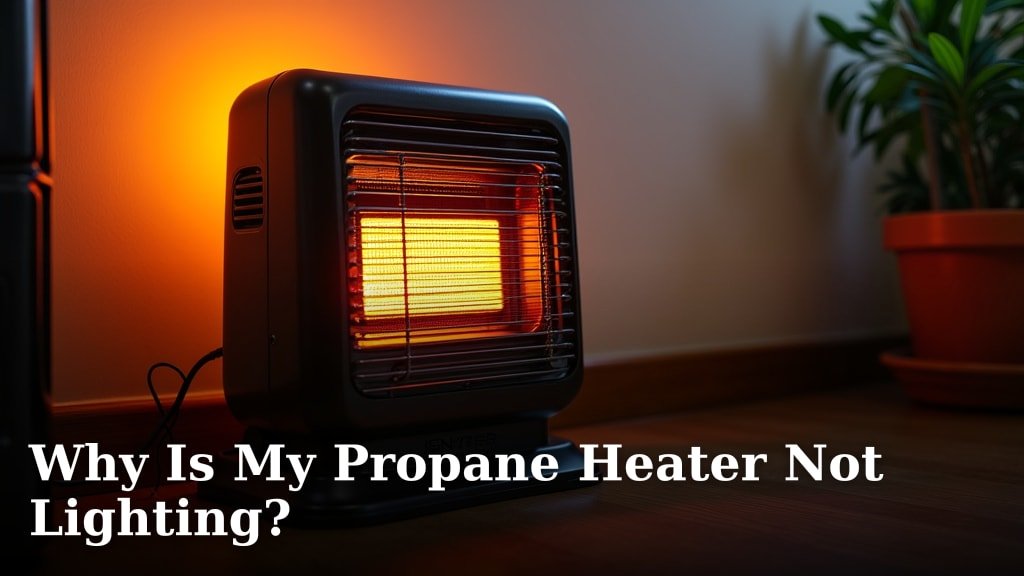
Vent-free propane heaters are very popular for backup use. They burn propane and don’t need a chimney or vent to the outside. This makes them easy to install and move. You just connect them to a propane tank.
- They are highly efficient, meaning most of the heat stays in your home.
- These heaters usually have an oxygen depletion sensor for safety, which turns them off if oxygen levels get too low.
- You’ll need good ventilation, like cracking a window, to prevent carbon monoxide buildup. The CDC always advises caution with any unvented fuel-burning appliance.
Natural Gas Fireplaces and Stoves
If your home already has a natural gas line, a natural gas fireplace or stove is a great choice. These often work even without electricity. They provide a steady, clean heat source without the need for fuel storage like propane tanks.
- They connect directly to your home’s gas line, so fuel never runs out (unless there’s a wider gas supply issue).
- Many models have a pilot light that can be lit manually during an outage.
- These usually need proper venting, just like your regular furnace.
Wood Stoves and Fireplaces
For many, the classic wood stove is the ultimate off-grid heating solution. There’s something comforting about a crackling fire when everything else is dark. They are a time-tested way to keep warm.
Modern Wood Stoves
Today’s wood stoves are far more efficient than older models. They burn wood more completely, producing more heat and less smoke. This means less wood consumption and a cleaner burn.
- They provide radiant heat that warms objects and people directly.
- You can often cook on top of a wood stove, which is a huge bonus during a long outage.
- Fuel (wood) needs to be stocked and kept dry, which requires space.
Traditional Fireplaces
If you have a traditional open fireplace, it can certainly provide some warmth. However, they are generally less efficient than wood stoves. Much of the heat can escape up the chimney.
- They offer a cozy ambiance and some supplemental heat.
- Consider adding a glass door or a fireplace insert to improve efficiency.
- Be mindful of creosote buildup in the chimney; regular cleaning is essential for safety.
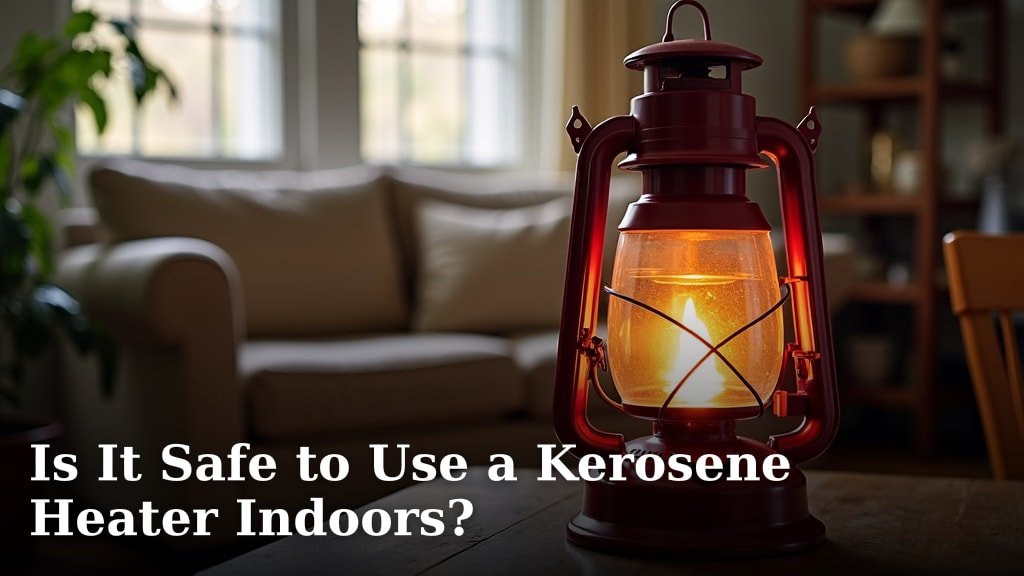
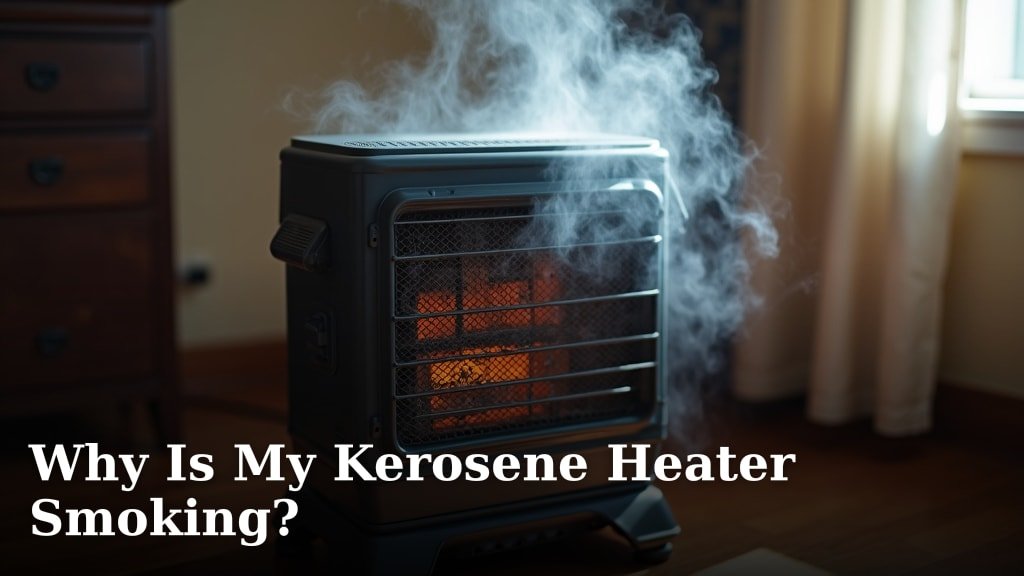
Portable Kerosene and Propane Heaters
For a more portable solution, kerosene or small propane heaters can be lifesavers. These are good for heating a single room or a smaller space quickly. They are excellent for emergency situations.
- Kerosene heaters provide intense heat and are very efficient. They require good ventilation to prevent fumes from building up.
- Small propane heaters (like Mr. Heater Buddy) are popular for their portability and ease of use. They use small propane canisters or can be adapted for larger tanks.
- Always use these in a well-ventilated area to avoid carbon monoxide poisoning (National Institutes of Health).
Comparing Backup Heat Sources
Deciding between options can be tricky. We put together a quick comparison to help you weigh the pros and cons of each type. If you rely on pellets, see how to run a pellet stove during an outage. Think about your home, your budget, and how often you experience outages.
| Heat Source | Pros | Cons |
|---|---|---|
| Vent-Free Propane | High efficiency, easy install, portable options. | Requires ventilation, propane storage, CO risk. |
| Natural Gas Fireplace | Continuous fuel, clean burn, no storage needed. | Requires gas line, professional installation, not portable. |
| Wood Stove | Complete independence, cooking ability, intense heat. | Wood storage needed, messy, chimney maintenance. |
| Kerosene Heater | Highly portable, quick heat, relatively inexpensive. | Requires ventilation, kerosene odor, fuel storage. |
Safety First: Essential Considerations
No matter which backup heat source you choose, safety must be your absolute priority. A warm home is useless if it’s not safe. We found that most accidents occur from improper use or lack of ventilation.
Carbon Monoxide Detectors
This is non-negotiable. Every home using a combustion-based heat source needs working carbon monoxide (CO) detectors. CO is an odorless, colorless gas that can be deadly. Test them regularly.
- Place detectors on every level of your home and near sleeping areas.
- Check batteries every six months, just like smoke detectors.
Ventilation is Key
For any heater that burns fuel, proper ventilation is critical. Even vent-free heaters require some airflow. Cracking a window slightly can make a big difference in air quality and safety.
Clearances and Fire Hazards
Keep anything flammable away from heaters. This includes curtains, furniture, paper, and even clothes. Always follow the manufacturer’s recommendations for safe distances. For wood stoves, this is especially important.
Fuel Storage and Availability
What good is a heater if you can’t fuel it? Think about how you’ll store fuel and if it will be available when you need it most. Power outages often happen during bad weather, making trips to the store difficult.
- Propane: Store tanks outdoors, away from your home. Make sure they are easily accessible even in snow.
- Wood: Keep firewood seasoned and dry. Store it in a shed or covered area, away from the house to prevent pests. Understanding if you can burn wet wood in a wood stove is crucial for efficiency and safety.
- Kerosene: Store in approved containers, in a cool, well-ventilated area, away from living spaces.
Cost and Installation
The initial cost can vary widely, from a few hundred dollars for a portable heater to several thousand for a professionally installed wood stove or natural gas unit. Factor in installation fees and ongoing fuel costs.
Your Emergency Heat Checklist
To help you prepare, here’s a quick checklist. Having these items ready can make a big difference when an outage strikes. Planning ahead truly pays off.
- Working carbon monoxide detectors with fresh batteries.
- A sufficient supply of your chosen fuel (wood, propane, kerosene).
- A way to manually light pilot lights if needed (long matches or a lighter).
- A fire extinguisher within easy reach.
- Manufacturer’s instructions for your heater, stored in a safe place.
- A plan for ventilation when operating unvented heaters.

Conclusion
Choosing the best backup heat source for power outages means balancing safety, reliability, and your home’s specific needs. We found that options like propane heaters and wood stoves offer robust solutions when the grid fails. Prioritize safety by installing CO detectors and ensuring proper ventilation. Think about fuel storage and ease of use during an emergency.
Your preparedness today directly impacts your comfort tomorrow. Take the time to evaluate your options and make a plan. You’ll be glad you did when the next winter storm rolls in.
Frequently Asked Questions
Can I use a propane or kerosene heater inside my house safely?
Yes, but with extreme caution and proper ventilation. Always crack a window or door to allow fresh air in and prevent carbon monoxide buildup. Make sure you have working carbon monoxide detectors installed throughout your home.
How much wood do I need to store for a week-long power outage?
This varies based on your stove’s efficiency and your home’s insulation. A good estimate for a modern wood stove in a moderately sized home might be half a cord to a full cord of seasoned wood for a week of primary heating. It’s always better to have more than you think you’ll need.
What is the safest way to store propane tanks?
Propane tanks should always be stored outdoors, in a well-ventilated area, away from direct sunlight and any ignition sources. Keep them on a solid, level surface and away from building openings like windows or doors. Never store them inside your home or garage.
Do natural gas fireplaces work without electricity?
Many natural gas fireplaces and stoves are designed to operate without electricity, using a standing pilot light that can be lit manually. However, models with electronic ignition or blowers will not work unless they have a battery backup or a manual override feature. Check your specific model’s instructions.
Are electric space heaters good for power outages?
No, electric space heaters require electricity to operate, making them ineffective during a power outage. They are not a suitable backup heating solution when the grid goes down. Focus on non-electric or minimal-electric heating options instead.