Why Is My Kerosene Heater Smoking?
On this page (7 sections)
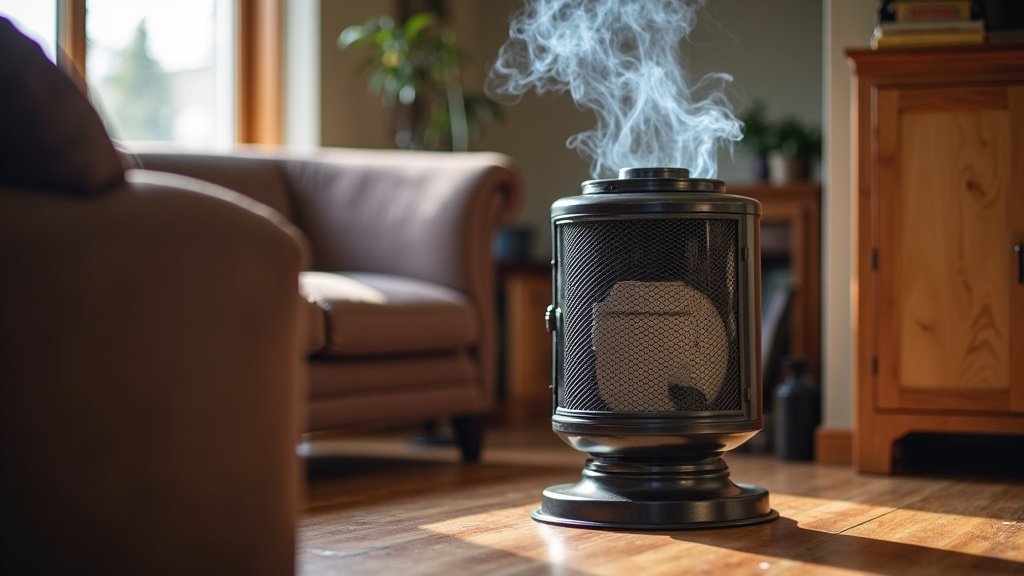
Your kerosene heater is smoking because of improper fuel, a dirty wick, or uneven burning. These common issues can lead to that smoky, unpleasant smell. Addressing these can get your heater working cleanly again.
A smoking kerosene heater isn’t just annoying; it can also be a sign of inefficiency or even a safety concern. Similar symptoms can occur with a smoking wood stove. We found that regular maintenance is the key to preventing smoke. Let’s figure out what’s causing that smoke and how to fix it.
- Smoking means fuel isn’t burning right.
- Check your fuel type and wick condition.
- A dirty wick or clogged burner can cause smoke.
- Make sure your heater is on a level surface.
- Regular cleaning and proper fuel are essential.
Let’s walk through the common culprits and how to get your kerosene heater burning bright and smoke-free again.
Troubleshooting Your Smoking Kerosene Heater
A kerosene heater smoking is a common problem, but it usually points to a fixable issue. You want cozy warmth, not a smoky haze filling your room. Let’s get to the bottom of why your heater might be acting up and how you can fix it.
The good news is, most smoking issues are related to maintenance or fuel. We found that a little bit of attention can make a big difference. Think of it like tending a campfire; a few adjustments can make it burn much cleaner.
Fuel Quality and Type Matters
The most frequent cause of a smoky kerosene heater is using the wrong kind of fuel. Kerosene heaters are designed for a specific type of fuel. Using anything else is a recipe for smoke and soot.
What Kind of Fuel Should You Use?
Only use high-quality, pure kerosene. This is often labeled as K-1 grade kerosene. This type of fuel burns cleaner and hotter than other options. It has fewer impurities that can cause smoking.
Avoid using gasoline, diesel fuel, or even lamp oil. These fuels are not designed for your heater. They can cause dangerous fumes, excessive smoke, and even damage your appliance. We’ve seen many instances where using the wrong fuel leads to significant problems.
When Was the Fuel Stored?
Even pure kerosene can degrade over time. Old kerosene can become contaminated with water or other debris. This can lead to incomplete combustion and smoke. Experts recommend using kerosene within one year of purchase. If your fuel has been sitting around for a long time, it might be time to replace it.
Storing kerosene in an airtight container is important. This prevents moisture from getting in and impurities from settling. If you notice your fuel looks cloudy or has sediment at the bottom, it’s best to discard it safely and buy fresh. Many guidelines point to clean, fresh fuel as a primary factor for clean burning (National Propane Gas Association).
Checking Your Fuel Level
While not the most common cause of smoke, a very low fuel level can sometimes affect performance. When the fuel is low, the wick might not be submerged properly, leading to an uneven burn. Ensure your heater has enough fuel to keep the wick saturated.
The Wick: Your Heater’s Breathing System
The wick is a critical component. It draws fuel up to the burner where it’s ignited. If the wick isn’t in good condition, you’re going to have smoke.
Is the Wick Dirty or Carbonized?
Over time, the wick can become covered in a black, carbonized layer. This is the result of soot and burnt fuel deposits. A dirty wick cannot properly absorb fuel. This leads to an uneven flame and, you guessed it, smoke. You might notice the flame is uneven or flickering a lot.
Research shows that a clean wick is essential for efficient combustion. If you see this carbon buildup, the wick needs to be cleaned or replaced. Many manufacturers suggest cleaning the wick periodically.
How to Clean or Replace Your Wick
Cleaning a wick usually involves letting it soak in a cleaning solution or gently scraping off the carbon. However, many experts recommend replacing the wick every heating season or when it shows signs of wear. A new wick is relatively inexpensive and can drastically improve your heater’s performance.
Always ensure the heater is completely cool and unplugged (if electric start) before attempting to clean or replace the wick. Follow your heater’s manual precisely. Improper wick installation can lead to new smoking issues.
Proper Wick Adjustment
The height of the wick is crucial for a clean burn. If the wick is set too high, it can cause the fuel to burn incompletely, producing smoke and soot. If it’s too low, you won’t get enough heat. Most heaters have an adjustment mechanism.
After cleaning or replacing the wick, you’ll need to adjust its height. Light the heater and let it burn for a few minutes. Then, carefully lower the wick until the flame becomes a steady, even blue with a small yellow tip. It should look like a nice, gentle flame, not a roaring fire or a weak sputter.
Ensuring Even Burning and Proper Placement
Where and how you place your heater can also impact how it burns. Evenness is key to preventing smoke.
Is Your Heater Level?
Kerosene heaters need to sit on a flat, level surface. If the heater is tilted, the fuel may not distribute evenly to the wick. This can cause one side of the wick to burn hotter or differently than the other, leading to uneven combustion and smoke. Always check if your heater is wobbling.
We’ve found that even a slight tilt can cause issues. Use a level if you’re unsure. Placing your heater on a sturdy, level mat or a perfectly flat floor is essential for optimal performance and safety.
Airflow and Ventilation
Kerosene heaters need adequate airflow to burn efficiently. Proper ventilation is also central to indoor kerosene heater safety. They consume oxygen and produce carbon dioxide. Ensuring good ventilation prevents the heater from struggling for air, which can lead to incomplete combustion and smoke.
While you want to keep your space warm, never operate a kerosene heater in a completely sealed room. Read more about using kerosene heaters indoors. A slightly open window or door is usually sufficient. The U.S. Fire Administration advises ensuring proper ventilation when using fuel-burning appliances (U.S. Fire Administration).
Poor airflow can also be caused by debris clogging the burner assembly. We recommend inspecting the burner area for any dust or obstructions during your regular maintenance.
Maintenance: The Key to a Smoke-Free Heater
Regular maintenance is your best friend when it comes to preventing a smoking kerosene heater. It’s much easier to fix a small issue than deal with a smoky mess.
Think of it like changing the oil in your car. It keeps everything running smoothly and prevents bigger problems down the road. A little effort can save you a lot of headaches (and smoky air).
A Quick Maintenance Checklist
Here’s a simple checklist to keep your heater running cleanly:
- Check Fuel: Always use fresh, K-1 grade kerosene.
- Inspect Wick: Look for carbon buildup or wear. Clean or replace as needed.
- Clean Burner: Ensure the burner area is free of dust and debris.
- Level Surface: Make sure the heater is sitting perfectly flat.
- Ventilate: Ensure adequate airflow in the room.
- Store Properly: Keep kerosene in an airtight container away from heat.
By regularly going through these steps, you’ll significantly reduce the chances of your kerosene heater producing smoke. It ensures efficiency, safety, and that pleasant warmth you’re looking for.
Conclusion
Your smoking kerosene heater likely stems from a few common issues. You’ve learned that the quality of your fuel, the condition of your wick, and ensuring your heater is level and properly ventilated are key. These factors directly impact how cleanly your heater burns. By regularly checking your fuel, cleaning or replacing the wick, and confirming your heater is on a stable surface, you can eliminate smoke. Make a commitment to this simple maintenance routine for a warmer, safer, and smoke-free home this season.
Frequently Asked Questions
How often should I clean or replace my kerosene heater wick?
We recommend inspecting your wick at the start of each heating season. If you notice significant carbon buildup or if the wick appears worn, it’s time to clean or replace it. Many manufacturers suggest replacing the wick at least once a year for optimal performance.
Can I use regular lamp oil in my kerosene heater?
No, we strongly advise against using regular lamp oil. Kerosene heaters require pure, K-1 grade kerosene. Lamp oil often contains different additives and impurities that can cause excessive smoke, soot, and potentially damage your heater.
My heater still smokes after I replaced the wick. What else could it be?
If a new wick doesn’t solve the smoking issue, re-check your fuel. Ensure it’s fresh, K-1 grade kerosene and not old or contaminated. Also, confirm that the wick is adjusted to the correct height and that the heater is sitting perfectly level on a flat surface.
What’s the safest way to store leftover kerosene?
Always store kerosene in an airtight, approved container in a cool, dry place away from any heat sources or open flames. This prevents moisture absorption and contamination, which can lead to fuel degradation and smoking when you use it later.
Is a little bit of smoke from a kerosene heater normal?
While a perfectly clean-burning heater should produce very little visible smoke, a small amount of vapor during startup or shutdown might occur. However, continuous or heavy smoke during normal operation is a clear sign that something is wrong, usually related to fuel quality, wick condition, or improper adjustment.