Why Is My Propane Heater Not Lighting?
On this page (9 sections)
- Troubleshooting Your Propane Heater’s Ignition Problems
- Checking the Propane Supply: The Most Obvious First Step
- The Pilot Light: A Common Culprit
- Understanding the Thermocouple’s Role
- Ignition System Issues: Spark and Gas Flow
- Other Potential Problems to Consider
- Quick Checklist for Your Propane Heater Not Lighting
- Conclusion
- Frequently Asked Questions
When your propane heater won’t light, it’s usually due to a few common issues. The most frequent culprits are a blocked pilot light opening, a faulty thermocouple, or an empty propane tank. We’ve found these are the top reasons many people face this frustrating problem on chilly days. Don’t worry, though; most of these are fixable with a little troubleshooting.
It’s never fun when your heating goes out unexpectedly. This problem can stem from several sources, from simple gas flow interruptions to issues with the igniter system. Understanding these potential causes helps you narrow down the possibilities quickly. We want to help you get your heater working again so you can stay warm and comfortable.
- Pilot light is blocked or dirty.
- Thermocouple needs cleaning or replacing.
- Propane tank is empty or not connected properly.
- Igniter or gas valve might be malfunctioning.
- There could be an air leak in the gas line.
Let’s walk through the most common reasons your propane heater might be refusing to light and what you can do about it.
Troubleshooting Your Propane Heater’s Ignition Problems
It’s a frustrating moment when you need your propane heater to kick on, and it just… doesn’t. You hear the click, or maybe you don’t, but that comforting warmth never arrives. We’ve all been there, wondering what went wrong. Thankfully, most propane heater ignition issues are surprisingly simple to fix. We’re going to guide you through the most common reasons your heater might be refusing to light.
Checking the Propane Supply: The Most Obvious First Step
Before you dive into complex diagnostics, let’s cover the basics. Is there actually any propane in the tank? It sounds silly, but it’s the number one reason heaters don’t light. People often forget to check the fuel level, especially if they don’t use the heater very often.
Is Your Propane Tank Empty?
Many propane tanks have a built-in gauge that shows the fuel level. If yours doesn’t, you might need to lift the tank to gauge its weight. A full tank feels considerably heavier than an empty one. If you suspect it’s empty, it’s time to swap it out for a full one. Many local hardware stores and propane distributors offer exchange services.
Is the Propane Tank Properly Connected?
Sometimes, the tank is full, but the connection to the heater is loose. The gas can’t flow if the connection isn’t secure. Make sure the regulator is screwed on tightly to the tank valve. You should feel a firm connection. If you hear a hissing sound, you might have a leak, and you should shut off the gas immediately and tighten the connection. Some regulators have an indicator that shows if gas is flowing properly.
Is the Gas Valve Open?
Even with a full tank and a good connection, the gas supply valve on the tank itself needs to be open. This valve is usually a large handle or knob on top of the tank. Turn it counter-clockwise to open it slowly. If you’re not sure, consult your heater’s manual. For safety reasons, always open propane tank valves slowly.
The Pilot Light: A Common Culprit
Many propane heaters use a pilot light system. This is a small, continuous flame that ignites the main burner when you turn up the thermostat. If this tiny flame isn’t lit or is too weak, your main burner won’t ignite. We’ve found that pilot light issues are extremely common.
Blocked or Dirty Pilot Opening
Over time, dust, debris, or even soot can build up around the pilot light opening. This blockage can prevent the gas from reaching the pilot light or stop it from staying lit. You’ll need to clean this area carefully. First, turn off the gas supply at the tank and at the heater’s control valve. Then, use a soft brush or a can of compressed air to gently clear away any obstructions. Be very delicate; you don’t want to damage the igniter components.
Pilot Light Not Staying Lit
If you can get the pilot light to ignite but it goes out as soon as you release the button or turn the knob, you might have a problem with the thermocouple. This is a safety device designed to shut off the gas if the pilot light goes out. We’ll discuss this more in the next section.
Understanding the Thermocouple’s Role
The thermocouple is a small, rod-like sensor positioned directly in the pilot light flame. Its job is to detect the heat from the pilot light. When it senses heat, it sends a small electrical signal that keeps the main gas valve open. If the pilot light goes out, the thermocouple cools, and the signal stops, shutting off the gas for safety. Many experts state that a faulty thermocouple is a frequent reason for pilot lights going out.
Diagnosing a Faulty Thermocouple
If your pilot light won’t stay lit, the thermocouple is often the issue. It might be dirty, bent out of position, or simply worn out. First, ensure it’s properly positioned in the pilot flame. If it’s bent, you can gently try to reposition it so it sits directly in the flame. If that doesn’t work, it might need cleaning. You can carefully clean the tip of the thermocouple with fine-grit sandpaper or steel wool to remove any corrosion or buildup. If cleaning and repositioning don’t help, the thermocouple likely needs to be replaced. This is usually a straightforward DIY task, but always ensure the gas is off before you start.
Thermocouple Lifespan and Replacement
Thermocouples are generally durable, but they don’t last forever. They can last for years, but environmental factors and usage can shorten their life. Replacement parts are usually inexpensive. When buying a new thermocouple, ensure it’s compatible with your specific heater model. Check your owner’s manual for the correct part number and installation instructions. We found that replacing a thermocouple can revive many ailing propane heaters.
Ignition System Issues: Spark and Gas Flow
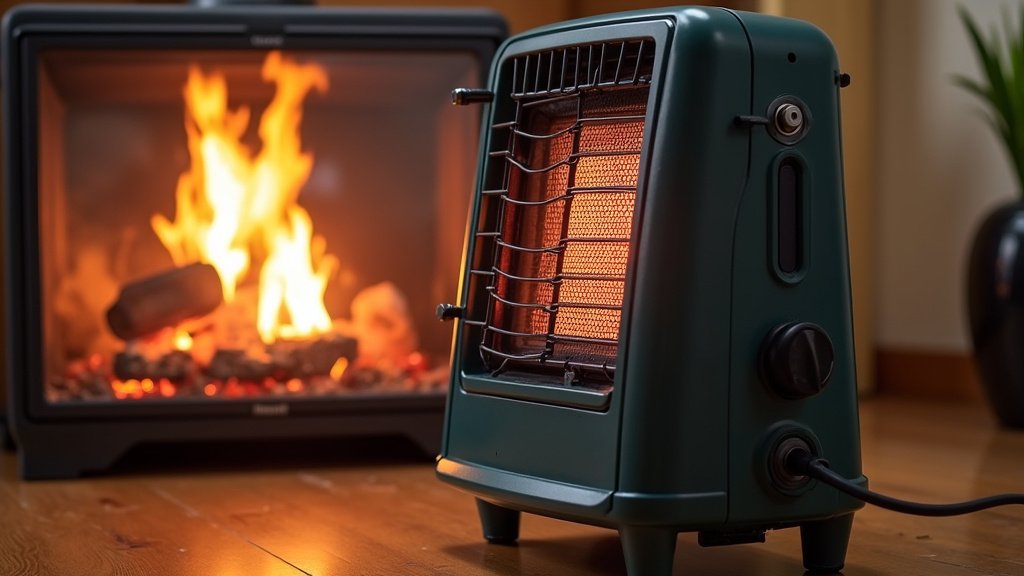
Modern propane heaters often have electronic igniters instead of a traditional pilot light. These igniters create a spark to light the gas. If your heater has one of these and it’s not working, here’s what to look for.
The Electronic Igniter: Sparking but Not Lighting
If you hear your igniter clicking but the burner doesn’t light, the spark might not be reaching the gas. A gas fireplace can have a similar clicking but no-light issue. The igniter electrode could be dirty or misaligned. Similar to cleaning a pilot opening, you’ll need to turn off the gas and use a soft brush or compressed air to clean around the igniter tip. Ensure the electrode is correctly positioned. If the igniter is clicking loudly, it’s likely functioning, but the fuel isn’t getting there or isn’t being ignited properly.
The Gas Valve: A Gatekeeper for Fuel
The gas valve controls the flow of propane to the burner. If this valve is faulty or stuck, it won’t open to allow gas through, even when the igniter is trying to spark. Sometimes, the valve might be stuck due to debris or internal wear. This is a more complex issue, and often, replacing a gas valve requires professional assistance. If you suspect a valve issue, it’s best to contact a qualified technician.
Air in the Gas Line
If you’ve recently run out of propane or just replaced a tank, there might be air trapped in the gas line. This air needs to be purged before the propane can reach the burner and ignite. The purging process usually involves turning on the gas supply slowly and then attempting to light the pilot or igniter multiple times. You might hear a sputtering sound as the air is pushed out. Your heater’s manual will have specific instructions on how to purge air from the lines. Many users report that a few attempts at lighting after a tank change clears this issue.
How to Purge Air Safely
Always follow the manufacturer’s instructions for purging air. Generally, you’ll open the propane tank valve slowly, then turn the heater’s control knob to the “pilot” or “ignite” position. You might need to hold the igniter button down or turn the knob for a minute or two. If it doesn’t light, turn the knob back to “off,” wait a few minutes, and try again. Repeat this process a few times until the pilot or burner ignites and stays lit. Never attempt to force the process if you’re unsure.
Other Potential Problems to Consider
While the above covers the most common reasons, a few other factors could be at play when your propane heater won’t light.
Ventilation Blockages
Propane heaters need proper ventilation to operate safely and efficiently. If the vents are blocked by snow, debris, or anything else, the heater may not ignite or may shut off immediately. Check that all vents are clear. Many heaters have a safety shut-off if they detect poor ventilation.
Electrical Issues (for electronic ignition models)
If your heater relies on electronic ignition, it needs a power source. This could be batteries or a direct electrical connection. If the batteries are dead or the electrical connection is faulty, the igniter won’t work. Check battery levels or ensure the power cord is securely plugged in and the outlet is working.
Thermostat Malfunctions
In some cases, the thermostat controlling the heater might be malfunctioning. If the thermostat isn’t sending the “on” signal, the heater won’t attempt to ignite. While less common, it’s a possibility if all other checks fail. Testing or replacing a thermostat might require professional help.
Safety Shut-Offs Activated
Propane heaters have numerous safety features. If any of these sensors detect an anomaly—like overheating, excessive pressure, or poor ventilation—they will shut the unit down. Sometimes, a safety shut-off can be tripped and may require a manual reset. Consult your owner’s manual for specific reset procedures for your model.
Quick Checklist for Your Propane Heater Not Lighting
Facing a cold room and a stubborn heater can be stressful. Here’s a quick checklist to help you troubleshoot:
- Confirm Propane Supply: Is the tank full? Is it connected securely?
- Check Pilot Light: Is it lit? Is it a strong blue flame?
- Inspect Thermocouple: Is it positioned correctly in the pilot flame? Is it clean?
- Test Igniter: If electronic, is it sparking? Is the spark near the gas source?
- Verify Gas Valve: Is the valve on the tank fully open?
- Ensure Clear Vents: Are the heater’s vents unobstructed?
By systematically going through these steps, you can often pinpoint the reason your propane heater isn’t lighting and get it back to warming your home. Remember, if you’re ever uncomfortable or unsure, it’s always best to call a qualified service professional.
Conclusion
It’s never fun when your propane heater decides not to light, but you’ve now got a solid plan to tackle the issue. We’ve walked through the most common culprits, from a simple empty tank to a more technical thermocouple problem. Remember, checking the propane supply and ensuring connections are secure are always your first steps. Then, you can move on to cleaning pilot openings or inspecting safety sensors. By systematically troubleshooting, you can often get your heater working again quickly. If you ever feel unsure or the problem persists, don’t hesitate to call a qualified professional to ensure your safety and comfort.
Frequently Asked Questions
My propane heater pilot light won’t stay lit, what should I do?
This usually points to a problem with the thermocouple. Ensure it’s properly positioned in the pilot flame and that it’s clean. If those steps don’t help, the thermocouple likely needs to be replaced, which is often a simple DIY fix.
How often should I check my propane tank level?
You should check your propane tank level before each heating season and monitor it regularly if you use the heater frequently. Running out of propane can introduce air into the lines, requiring a purging process to relight your heater.
What does it mean if I hear the igniter clicking but no flame?
This typically means the igniter is working, but the gas isn’t reaching the spark. Check if your propane tank valve is fully open and that there’s propane in the tank. You might also need to clean the igniter electrode itself to ensure a proper spark.
Can a dirty pilot light opening really stop my heater from lighting?
Yes, absolutely. Dust, soot, or debris can easily clog the small opening for the pilot light. This blockage prevents the gas from flowing correctly, making it impossible for the pilot light to ignite or stay lit.
When should I call a professional for my propane heater?
You should call a professional if you’ve tried basic troubleshooting and the heater still won’t light, or if you suspect a gas leak (like a strong, persistent hissing sound). Issues with the gas valve or internal components also warrant professional attention for safety.