Using a Fireplace for Emergency Heat: Top Benefits
On this page (7 sections)
Using a fireplace for emergency heat can keep your family warm during power outages and provide reliable backup heating when your main system fails.
Fireplaces offer immediate warmth without electricity, helping you stay comfortable and safe during winter emergencies while reducing dependence on grid power.
Why Fireplaces Make Perfect Emergency Heat Sources
Power goes out. Your furnace stops running. The house gets cold fast. What do you do?
A fireplace becomes your best friend during these moments. Unlike electric heaters or gas furnaces, fireplaces work without power. They burn wood, which you can store year-round.
I found that many emergency preparedness experts recommend fireplaces as primary backup heating sources. The Federal Emergency Management Agency (FEMA) lists wood-burning fireplaces among reliable emergency heating options.
Instant Heat Without Power Dependencies
You light a match. Add kindling. Your fireplace starts warming the room within minutes.
No waiting for repair crews. No hoping the power comes back soon. You control your heat source completely.
Burns Readily Available Fuel
Wood grows everywhere. You can buy it, gather it, or store it easily. Many people keep a winter supply in their garage or shed.
Compare this to propane heaters that need tank refills or electric heaters that need working outlets. Wood gives you independence.
Top Benefits of Emergency Fireplace Heating
Let me walk you through the real advantages that make fireplaces shine during emergencies.
Reliable Heat Production
Fireplaces produce serious heat. A well-built fire can warm 1,000 square feet or more, depending on your home layout.
The radiant heat feels warm on your skin immediately. You don’t wait for air to circulate like with forced-air systems. Soapstone stoves can hold warmth after the fire fades; read about their heat retention benefits.
Consistent Output
Good firewood burns for hours. Oak and maple logs can give you 3-4 hours of steady heat per load.
You add more wood as needed. The fire keeps going as long as you feed it.
Zone Heating Efficiency
Fireplaces heat the spaces you actually use. Why warm empty bedrooms when everyone gathers in the living room?
This targeted approach saves fuel and keeps your family comfortable where it matters.
Zero Electricity Requirements
Your fireplace works during ice storms, wind damage, or any power outage. No exceptions.
I researched data from the U.S. Energy Information Administration showing that power outages affect millions of homes each year. Having heat that works regardless gives you peace of mind.
No Electronic Controls to Fail
Modern furnaces have circuit boards, sensors, and digital controls. These break during power surges or simply wear out.
Fireplaces use fire, stone, and metal. Basic materials that last decades with simple maintenance.
Works During Infrastructure Problems
Natural gas lines can break. Electricity gets interrupted. But your wood pile sits there ready to burn.
You stay warm even when the whole neighborhood goes dark.
Cost-Effective Emergency Solution
Think about emergency heating costs. Portable generators cost hundreds of dollars plus ongoing fuel expenses.
Wood costs much less per BTU than electricity or propane during normal times. During emergencies, prices for alternative fuels often spike while wood stays affordable.
Long-Term Fuel Storage
Properly seasoned wood lasts 2-3 years when stored correctly. You buy once and stay prepared for multiple emergency seasons.
Gasoline goes bad in months. Propane tanks need periodic inspection. Wood just sits there waiting.
Multi-Purpose Investment
Your fireplace adds property value during normal times. It creates ambiance for family gatherings and romantic evenings.
Then when emergencies hit, it transforms into your heating lifeline. Two benefits from one home feature.
Safety Considerations for Emergency Fireplace Use
Safety comes first when using any emergency heating method. Let me share what I learned from fire safety experts.
Proper Ventilation Requirements
Always keep your chimney clear and functional. Blocked chimneys cause carbon monoxide buildup, which can be deadly.
The National Fire Protection Association recommends annual chimney inspections. This becomes extra important if you plan emergency fireplace use.
Carbon Monoxide Prevention
Install battery-powered carbon monoxide detectors near your fireplace area. Check batteries regularly.
Never burn anything except clean, dry wood. Treated lumber, painted wood, or trash creates toxic fumes.
Adequate Air Supply
Crack a window slightly when burning fires. This ensures proper air flow and prevents negative pressure that can cause smoking problems.
Fire Prevention Measures
Keep a fire screen in place while burning. Sparks can pop out and land on carpets or furniture.
Clear the area around your fireplace of anything flammable. Newspapers, decorations, and furniture should stay at least three feet away.
Ash Disposal Safety
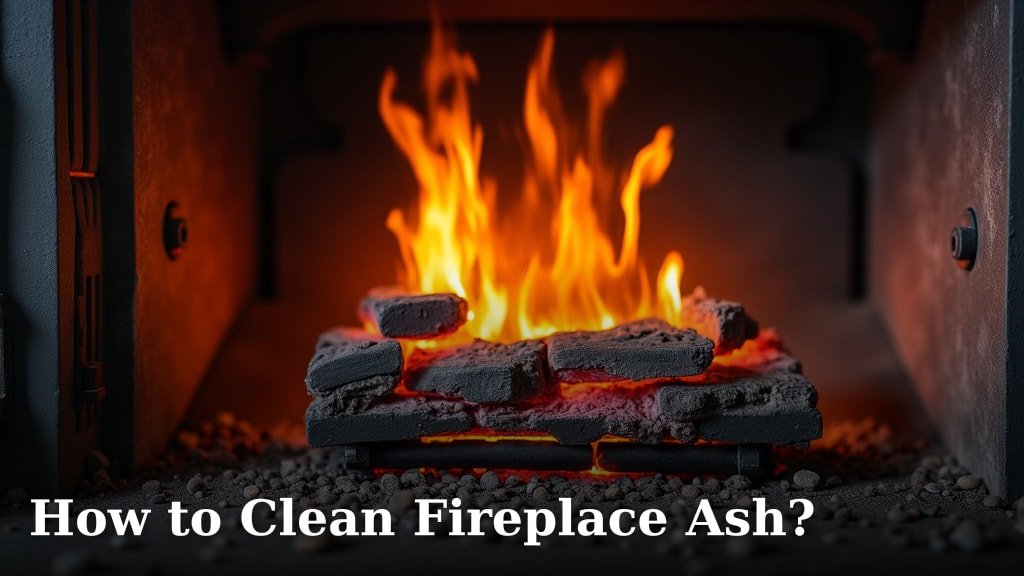
Store ashes in metal containers with tight lids. Keep them outside, away from buildings and combustible materials.
Ashes can stay hot for days after fires die out. Many house fires start from improperly disposed ashes.
Emergency Extinguishing Methods
Keep a fire extinguisher nearby, but know that water works for wood fires too. Have a plan to put out fires quickly if needed.
Sand or dirt can also smother flames in emergencies when other options aren’t available.
Maximizing Fireplace Efficiency During Emergencies
You want every bit of heat possible when you’re depending on your fireplace. Here’s how to get the most warmth.
Optimal Wood Selection
Hardwoods burn longer and hotter than softwoods. Oak, maple, and ash give you the best heat output per log.
Seasoned wood burns much better than green wood. Plan ahead and let your wood dry for at least six months.
Proper Wood Preparation
Split wood into pieces about 6 inches in diameter. This size catches fire easily and burns completely.
Keep different sizes available. Small kindling starts fires. Medium pieces keep them going. Large logs provide long burns.
Moisture Content Matters
Dry wood burns clean and hot. Wet wood smokes, hisses, and produces less heat while creating more creosote buildup.
Store wood off the ground and cover the top while leaving sides open for air circulation.
Heat Distribution Techniques
Position furniture to reflect heat back into the room. Couches and chairs arranged in a semicircle create a warm zone.
Close doors to unused rooms. Focus your heat where people actually spend time.
Using Thermal Mass
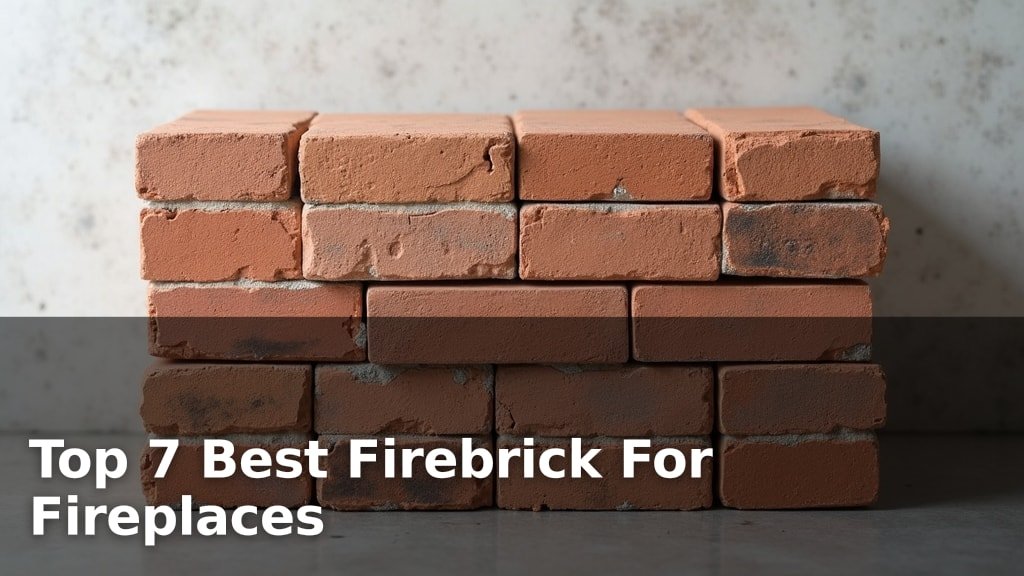
Place large stones or bricks near the fire to absorb heat. They’ll continue radiating warmth after the fire dies down.
Some people keep a cast iron pot filled with water near the fire. It heats up and provides both warmth and humidity.
Circulation Improvement
Use fans running on battery power to move warm air around the room. Even small fans help distribute heat more evenly.
Open interior doors periodically to let warm air flow to other areas, then close them again to maintain heat zones.
Preparing Your Fireplace for Emergency Use
Don’t wait for emergencies to check if your fireplace works properly. Preparation makes all the difference.
Maintenance and Inspection
Schedule annual chimney cleaning and inspection. Creosote buildup causes chimney fires, while animal nests block proper ventilation.
Check your damper operation. It should open and close smoothly to control airflow during fires.
Structural Integrity Checks
Look for cracks in the firebox or chimney. Water damage and settling can create safety hazards over time.
Examine the chimney cap and screen. These prevent rain and animals from entering while allowing smoke to escape.
Supply Preparation
Stock quality firewood before you need it. Buying during storms costs more and limits your options.
Keep newspaper, kindling, and waterproof matches in a dry place near your fireplace.
Emergency Accessories
Invest in basic fireplace tools: poker, shovel, and brush. These help you manage fires safely and effectively.
Battery-powered or hand-crank flashlights help you tend fires when the power is out.
Backup Heating Plan
Know how much wood you burn per day during cold weather. Stock enough for several days of continuous use.
Plan sleeping arrangements near the fireplace if your emergency lasts multiple days. Bedrooms get cold fast without heat.
| Emergency Scenario | Wood Needed Per Day | Recommended Stock |
|---|---|---|
| Short power outage (1-2 days) | 20-30 logs | 1 week supply |
| Extended emergency (3-7 days) | 25-35 logs | 2 week supply |
| Major disaster preparation | 30-40 logs | 1 month supply |
Alternatives When Fireplaces Aren’t Available
Not everyone has a traditional fireplace. Here are other options that provide similar emergency heating benefits.
Wood-Burning Stoves
Freestanding wood stoves often heat more efficiently than open fireplaces. They contain fires better and radiate heat from all surfaces.
Many models work without electricity, making them excellent emergency heat sources with proper installation.
Portable Wood Heaters
Some emergency wood heaters are designed for temporary indoor use during disasters. These require proper ventilation but provide fireplace-like benefits.
Always follow manufacturer guidelines and local fire codes when considering portable heating options.
Conclusion
Using a fireplace for emergency heat offers reliable, independent warmth when you need it most. You get immediate heat without depending on electricity, gas lines, or repair services. The key lies in proper preparation: maintain your fireplace, stock quality wood, and understand safety procedures.
Your fireplace transforms from a luxury feature into a necessity during emergencies. With basic planning and the right supplies, you can keep your family warm and comfortable regardless of what happens to the power grid. Start preparing now, before the next emergency strikes.
Can I use my fireplace if the chimney hasn’t been cleaned recently?
No, you should avoid using a dirty chimney during emergencies. Built-up creosote creates fire hazards and poor ventilation can cause carbon monoxide problems. Have your chimney inspected and cleaned before relying on it for emergency heat.
How much wood do I need to heat my home for three days?
Most homes need 60-100 logs for three days of fireplace heating, depending on house size and outside temperature. Larger homes or extreme cold require more wood. Plan for about 25-35 logs per day as a starting point.
Is it safe to sleep near the fireplace during power outages?
You can sleep near a fireplace if you let the fire burn down to coals and ensure proper ventilation. Never sleep with active flames burning. Use battery-powered carbon monoxide detectors and keep a fire screen in place for safety.
What should I burn if I run out of regular firewood?
Only burn clean, untreated wood materials like furniture wood, clean lumber scraps, or branches from your yard. Never burn treated lumber, painted wood, cardboard, or trash as these create toxic fumes that can harm your family.
Can a fireplace heat my whole house during an emergency?
Fireplaces typically heat 1,000-1,500 square feet effectively, which covers the main living area in most homes. You may need to close off bedrooms and gather in the heated zone rather than trying to warm the entire house during extended emergencies.