What Is a Hearth Pad Made Of?
On this page (7 sections)
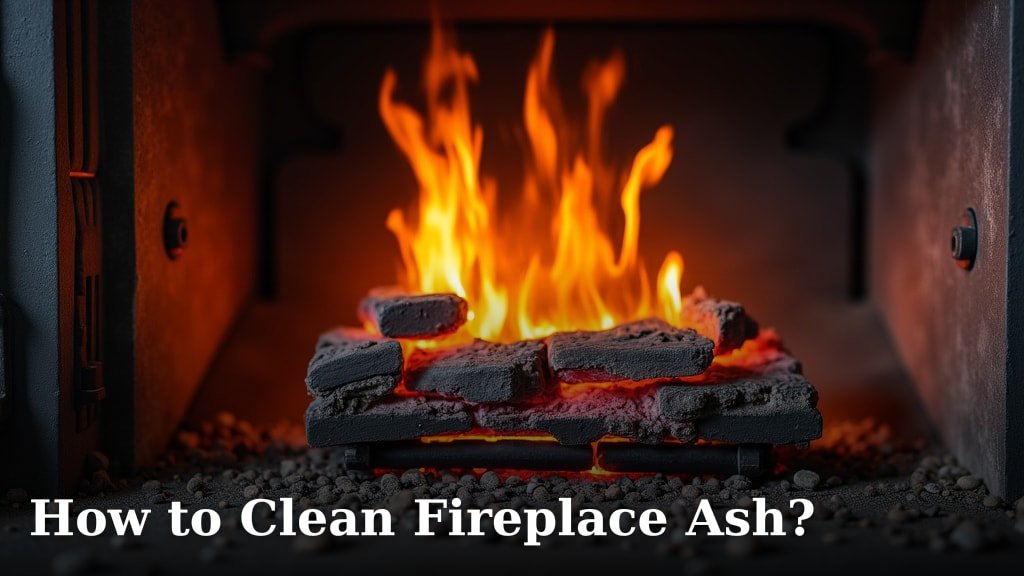
A hearth pad is typically made from non-combustible materials like cement board, stone, tile, or metal. Its main job is to protect your floors from the heat and embers of a wood stove or fireplace. This barrier ensures your home stays safe and sound. For an electric unit, check whether it needs a hearth pad.
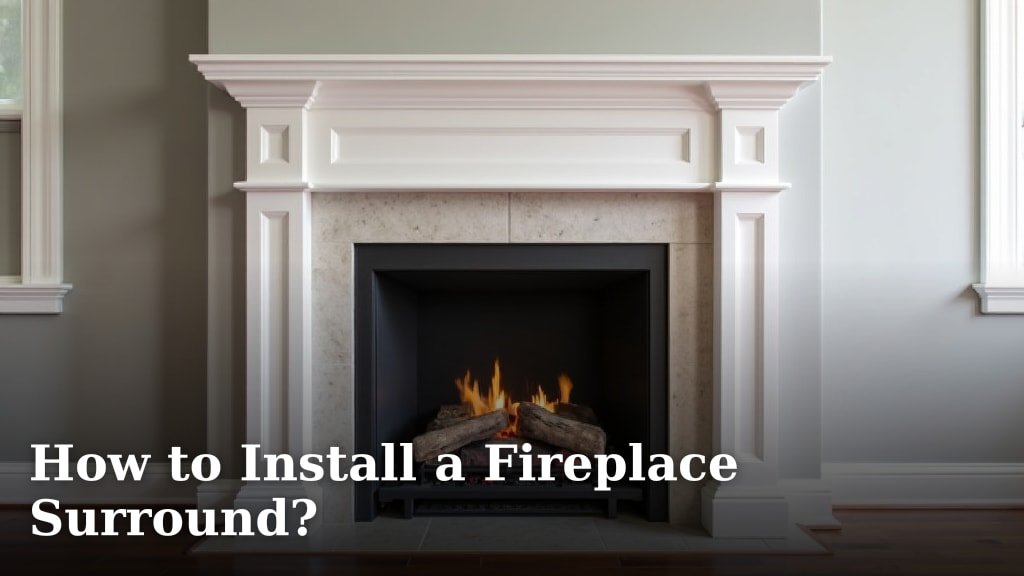
You’ll find hearth pads are designed to meet strict safety codes. They create a necessary shield between your heating appliance and your flooring. Many homeowners choose materials that also add a touch of decorative style to their space. It’s a smart blend of safety and aesthetics.
- Hearth pads use fireproof materials.
- They protect floors from heat and sparks.
- Common materials include cement board, stone, and tile.
- Safety codes guide their construction.
- They can also enhance your room’s look.
Ready to learn more about what makes a hearth pad so effective? We’ll break down the common materials and why they’re chosen, so you can feel confident in your home’s safety.
Here is the main body content for your blog post:Understanding What Hearth Pads Are Made From
A hearth pad acts as your fireplace or wood stove’s personal bodyguard for your floor. Its primary job is to prevent fires and protect your home. We’ve found that when people think about hearth pads, they often wonder about the materials used. This is a smart question because the material directly impacts its safety and effectiveness.
The key is using materials that won’t catch fire. They must withstand high temperatures without breaking down or becoming a hazard themselves. Safety codes are very strict about this. We’ll break down the common materials you’ll find and why they’re chosen.
The Core of Hearth Pad Construction: Non-Combustible Materials
At its heart, a hearth pad is all about fire resistance. For outdoor installations, compare hearth pads for outdoor use. You’re looking for materials that can handle the intense heat radiating from a fire. They also need to resist any stray sparks or embers that might escape. This is why you’ll never see wood or plastic as the main component of a hearth pad.
Cement Board: A Versatile Foundation
Cement board is a popular choice for hearth pads. It’s essentially a sheet made from cement and reinforcing fibers. Think of it like a very strong, fireproof drywall. It’s durable and stable under heat.
Why is it so good? For starters, cement is naturally non-combustible. This means it won’t burn. It also doesn’t rot or degrade when exposed to moisture, which can sometimes happen. This makes it a reliable material for years to come.
Many manufacturers use cement board as a base layer. It provides a solid, heat-resistant platform. Then, they might add decorative finishes on top. This combination gives you both safety and style. It’s a workhorse material that meets tough standards.
Stone and Tile: Natural Beauty and Protection
Stone and tile are perhaps the most visually appealing options. They can make your hearth area a real focal point. Materials like natural stone (granite, slate, marble) and ceramic or porcelain tile are excellent choices.
Natural Stone’s Enduring Appeal
Natural stone is beautiful and incredibly durable. It’s formed over millions of years under intense pressure and heat. This history makes it perfectly suited to handle the heat from your fireplace. Many types of stone, like granite and slate, are naturally fire-resistant.
When choosing stone, consider its density. Denser stones tend to be more resistant to cracking from heat. They also resist moisture absorption. This is important for longevity. You’ll find slabs or smaller tiles can be used. Both offer excellent protection.
Tile: A World of Options
Ceramic and porcelain tiles are also fantastic options. They are made from clay fired at very high temperatures. This process makes them hard, dense, and non-combustible. They can handle radiant heat very well.
The advantage of tile is the sheer variety. You can find almost any color, pattern, or texture imaginable. This allows you to perfectly match your home’s decor. Even though they look delicate, porcelain tiles, in particular, are extremely tough. They are rated for very high temperatures. When installed correctly with heat-resistant grout and adhesive, they create a bulletproof barrier.
Metal: Modern Strength and Durability
Metal is another material that people often associate with strength and heat resistance. You might see hearth pads made from steel or even decorative metals like copper or bronze.
Steel: The Classic Choice
Steel is a strong, non-combustible material. It’s often used in commercial settings due to its durability. For home use, steel hearth pads can be simple and functional. They often have a minimalist look. We found that steel is excellent at reflecting radiant heat away from your floor.
Steel hearth pads are usually designed with a small air gap underneath. This gap allows air to circulate, which helps dissipate heat. This design feature adds an extra layer of protection. It’s a practical and effective solution for many homes.
Decorative Metals: A Stylish Statement
While less common as a primary material for large pads, decorative metals can be used. Think of brass, copper, or bronze accents. These can be incorporated into tile designs or used for smaller, freestanding hearth screens. They add a touch of elegance and warmth. However, their primary role is often decorative, with a non-combustible base material underneath.
Understanding Safety Standards and Hearth Pad Construction
It’s not just about what materials you use; it’s also about how they are put together. Safety standards are in place to ensure your home is protected. These codes dictate the size, thickness, and materials of hearth pads.
The Role of R-Value and Thermal Resistance
You might hear about the R-value of a hearth pad. While R-value is typically associated with insulation in walls, the concept is similar for hearth pads. It measures how well a material resists heat flow. A higher R-value means better heat resistance. Fire codes often specify a minimum R-value or thermal resistance level.
Different materials have different thermal resistance properties. For example, a thick slab of stone might have a high R-value. A layered system of cement board and tile can also achieve the necessary resistance. The goal is to keep the heat from reaching your combustible flooring.
Adhering to Building Codes
Building codes are serious business when it comes to fire safety. Local building codes, as well as national standards like those from the National Fire Protection Association (NFPA), will often dictate hearth pad requirements. These codes specify:
- The minimum size of the hearth pad extending in front of and to the sides of the stove or fireplace opening.
- The minimum thickness or thermal resistance (R-value) required.
- The types of materials that are acceptable.
These regulations are there for your protection. They ensure that the hearth pad you choose or build will effectively prevent heat from damaging your subfloor or surrounding structures. Always check your local codes before installing a new heating appliance or hearth pad.
The Layered Approach to Hearth Pad Design
Many hearth pads aren’t made from a single piece of material. They often involve a combination of layers. This layered approach allows for optimal safety and performance. It’s like building a superhero suit for your floor.
The Base Layer: Cement Board or Similar
As we mentioned, cement board is a common base. It’s usually the layer closest to your subfloor. It provides a stable, non-combustible foundation. It might be a quarter-inch or half-inch thick, depending on the requirements.
The Insulation Layer (Sometimes Included)
In some cases, especially with very hot appliances or less insulating top layers, an additional insulation layer might be incorporated. This could be a layer of ceramic fiber blanket or specialized fire-resistant insulation. This layer adds another buffer against extreme heat.
The Decorative Surface: Tile, Stone, or Metal
This is the layer you see! It’s the tile, stone, or metal that provides the aesthetic appeal. This top layer must also be non-combustible and able to withstand direct heat. It’s applied over the base and any insulation layers using heat-resistant adhesives.
Putting It All Together: A Comparison
Let’s look at how different combinations stack up:
| Common Hearth Pad Construction | Materials Used | Key Benefits | Considerations |
|---|---|---|---|
| Tile over Cement Board | Ceramic/Porcelain Tile, Cement Board, Heat-Resistant Thin-set | Wide decorative options, durable, meets code requirements. | Proper installation is key. Can be slippery if not textured. |
| Natural Stone Slab | Granite, Slate, Marble Slab | Elegant look, highly durable, natural fire resistance. | Can be expensive, heavy, and require sealing. |
| Metal Pad | Steel, sometimes with decorative inlay | Modern look, durable, good heat reflection. | Can scratch, limited design flexibility compared to tile/stone. |
| Multi-Layered System | Cement Board, Insulation, Tile/Stone | Maximum thermal protection, customizability. | Can be thicker, requires expert installation. |
Beyond Materials: Ensuring Your Hearth Pad is Safe
Choosing the right materials is step one. But proper hearth pad installation and maintenance are just as important. Even the best materials won’t protect your home if they aren’t installed correctly.
- Professional Installation: We found that for peace of mind, many homeowners opt for professional installation. This ensures that the hearth pad meets all safety codes and is securely attached.
- Regular Inspection: Periodically check your hearth pad for any signs of cracking, warping, or damage. Early detection can prevent bigger problems.
- Clearance: Ensure there are no combustible materials stored on or too close to the hearth pad. This includes rugs, decorations, or firewood.
So, when you’re looking at hearth pads, remember they are a critical safety feature. The materials used are specifically chosen for their ability to withstand heat and prevent fires. From sturdy cement board to beautiful stone and tile, the options are designed to keep your home safe while adding style to your living space. Always prioritize safety and consult local building codes to make sure you’re making the best choice for your home.
Conclusion
You’ve learned that hearth pads are essential for fire safety. Their construction relies on non-combustible materials like cement board, stone, and tile. These materials are chosen for their ability to withstand intense heat and prevent fires. You also now understand how they meet strict safety codes and can enhance your home’s aesthetic. The next step is to assess your specific needs and local regulations to choose the right hearth pad. Always prioritize safety for your home and family.
Frequently Asked Questions
Can I use regular tile on a hearth pad?
You can use ceramic or porcelain tiles, but they must be rated for high temperatures. Ensure they are installed with heat-resistant adhesive and grout. Regular decorative tiles might crack or discolor under intense heat from a fire.
Is cement board a safe material for a hearth pad?
Yes, cement board is an excellent and safe material. It’s made from cement and reinforcing fibers, making it naturally non-combustible and stable under heat. It’s often used as a strong base layer for hearth pads.
How thick does a hearth pad need to be?
The required thickness depends on local building codes and the type of heating appliance. Codes specify minimum thermal resistance or R-value, which influences the necessary thickness and material composition. Always check your local fire and building regulations.
Do metal hearth pads need ventilation underneath?
Many metal hearth pads, especially steel ones, are designed with a small air gap underneath. This gap allows for air circulation, which helps dissipate heat effectively. It adds an important layer of thermal protection for your floor.
Are there any special maintenance requirements for hearth pads?
Generally, hearth pads require minimal maintenance. You should periodically inspect them for any signs of damage, like cracks or warping. Keep the area around the hearth pad clear of any combustible materials to ensure optimal safety.