How to Install a Hearth Pad?
On this page (8 sections)
Installing a hearth pad is a straightforward DIY project if you follow the correct steps. You can successfully install a hearth pad by carefully measuring, preparing the subfloor, and securing the pad according to manufacturer instructions. This ensures a safe and code-compliant setup for your wood stove or fireplace insert. For electric models, see whether you need a hearth pad.
A hearth pad protects your home from the intense heat and stray embers produced by heating appliances. If you plan to cook over an open hearth, see how to install a fireplace crane. For budgeting, compare typical hearth pad costs before choosing materials. It’s a vital safety feature that many building codes require. Choosing the right material and ensuring it’s properly installed is key to both safety and aesthetics. We’ll guide you through the process to make sure you get it right.
- Understand local building codes for hearth pads.
- Measure your appliance and desired hearth size accurately.
- Prepare the subfloor for a level and stable base.
- Secure the hearth pad firmly in place.
- Double-check all installations for safety.
Ready to get started? Let’s walk through exactly how to install your new hearth pad, step by step, to create a beautiful and safe focal point in your home.
Putting Your Hearth Pad in Place
Installing a hearth pad is a practical DIY project that enhances the safety of your home. It acts as a protective barrier against heat and embers. This guide will walk you through each step. We’ll help you ensure your pad is installed correctly and looks great.
Understanding Hearth Pad Requirements and Materials
Before you begin, it’s important to know what makes a hearth pad effective. It’s not just a decorative piece; it’s a critical safety component. We found that building codes often specify the size, thickness, and material. These regulations are there to prevent fires.
Local Building Codes: Your First Checklist Item
Your local building department or fire marshal is the best source of information for hearth pad requirements. What’s acceptable in one town might not be in another. Many communities have specific rules about clearances from combustible materials and the minimum R-value (thermal resistance) for the pad.
We recommend checking these codes before you buy your materials. This can save you time and money. You can usually find this information on your city or county’s website. Some homeowners also find it helpful to call the building department directly.
Choosing the Right Hearth Pad Material
Hearth pads come in a variety of materials. Each has its own look and protective qualities. Common options include stone, tile, brick, and specialized non-combustible boards.
Stone and Tile: These are popular for their aesthetic appeal. Natural stone like granite or slate, or ceramic tiles, can offer excellent heat resistance. See how to replace fireplace hearth tiles if yours need repair. However, ensure they are rated for high heat applications. Grout between tiles also needs to be heat-resistant.
Brick: A classic choice, brick offers a rustic look and good thermal protection. Fire bricks are specifically designed for high temperatures. Laying brick can be a bit more involved than placing tiles.
Non-Combustible Boards: Materials like cement board or specialized heat-resistant panels are often used as a base. They might be covered with other decorative materials or used as a simpler, functional pad. We found these can be a cost-effective solution.
Always check the manufacturer’s specifications for the material you choose. Ensure it meets the thermal resistance requirements set by your local codes.
Measuring and Planning Your Hearth Pad Installation
Getting the measurements right is key to a safe and code-compliant installation. A pad that’s too small won’t offer enough protection. A pad that’s too large might create tripping hazards or look out of place.
Determine the Required Size
Most codes specify minimum clearances around your appliance. These clearances are measured from the appliance’s sides, back, and front. You’ll need to measure your stove or fireplace insert carefully.
Measure the width and depth of your appliance. Then, consult your local building codes or the appliance manufacturer’s manual for the required distances to combustible surfaces. The hearth pad must extend beyond these minimum clearances. Many experts suggest adding a few extra inches for added safety and a more balanced look.
For example, if your stove is 40 inches wide and requires 18 inches of clearance on each side and 16 inches in front, your pad needs to be at least 40 + 18 + 18 = 76 inches wide and 40 (appliance depth) + 16 = 56 inches deep. However, always defer to the strictest requirements you find in your local codes or appliance manual.
Calculate Hearth Pad Dimensions
Your hearth pad dimensions will be based on these clearance requirements. Add the appliance width and the required clearances on both sides. This gives you the minimum width of your pad. Add the appliance depth and the required clearance in front. This gives you the minimum depth of your pad.
Consider the shape. Most hearth pads are rectangular, but some situations might call for a custom shape. You’ll also need to factor in the thickness of the pad material itself. This thickness often contributes to the overall R-value.
Preparing Your Subfloor for the Hearth Pad
A solid, level subfloor is essential for a stable hearth pad. You don’t want your pad shifting or cracking. Most hearth pads are installed over a wooden subfloor, but the preparation steps are similar for concrete.
Ensure a Level Surface
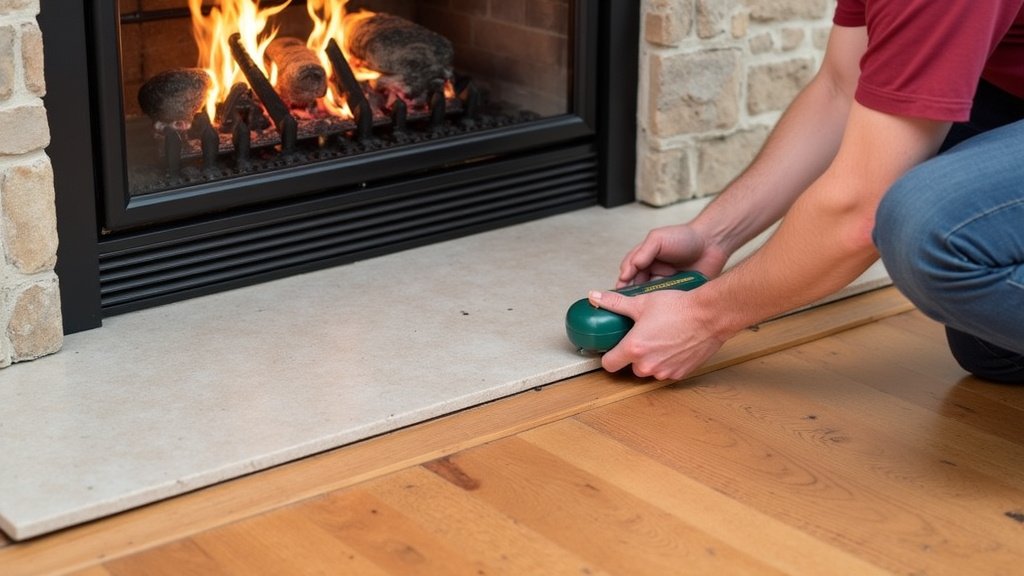
The first step is to check if your subfloor is level. You can use a long level or a laser level for this. If the subfloor is uneven, you’ll need to level it out. This might involve sanding down high spots or adding a leveling compound to low areas. We found that a smooth, flat surface prevents uneven stress on the pad.
Protecting Your Existing Subfloor (If Necessary)
Depending on your local codes and the type of hearth pad you’re installing, you might need an additional layer of protection under the pad. This is especially true if you are installing directly over a wooden subfloor.
Many installations require a layer of non-combustible material, such as cement board or specialized thermal insulation board, directly on the subfloor. This acts as a **fire barrier** and a stable base. Check the manufacturer’s instructions for your specific hearth pad. They will usually specify what, if anything, needs to go underneath.
If you’re installing cement board, you’ll typically use a thin-set mortar or appropriate screws to secure it to the subfloor. Ensure the seams of the cement board are butted tightly together. For concrete subfloors, you can often install the hearth pad directly, but ensure it’s clean and free of any grease or debris.
Installing the Hearth Pad
Now comes the exciting part – placing your hearth pad! The installation method will vary slightly depending on the type of pad you have.
Method 1: Laying Tiles or Stone
If your hearth pad is made of individual tiles or stone pieces, you’ll generally follow standard tiling procedures. Start by laying out your pattern without adhesive to ensure it fits correctly and looks good.
Once you’re satisfied with the layout, apply a suitable tile adhesive or thin-set mortar to the subfloor. Work in small sections so the adhesive doesn’t dry out. Carefully place each tile or stone piece, pressing it firmly into the adhesive. Use spacers to maintain consistent grout lines.
After the adhesive has cured (check the product instructions for drying times), you’ll grout the joints. Use a heat-resistant grout specifically designed for hearths or fireplaces. Clean off any excess grout with a damp sponge. Allow the grout to cure fully before proceeding.
Method 2: Installing a Pre-Assembled Pad or Panel
Some hearth pads come as a single unit or in larger panels. These are often easier and quicker to install.
For pre-assembled pads, you might simply place it onto the prepared subfloor. Ensure it sits level and flush. Some manufacturers recommend using a high-temperature adhesive or mechanical fasteners to secure the pad permanently. Always follow the manufacturer’s specific installation guidelines.
If you are installing panels that will be tiled over, follow the instructions for laying tile as described above. The panels themselves provide the necessary non-combustible base.
Method 3: For Manufactured Fireplace Inserts and Stoves
Many modern wood stoves and fireplace inserts come with their own specific hearth pad requirements or even integrated hearths. Always refer to the appliance manufacturer’s installation manual. They will detail the exact type of base required and any specific clearances. Sometimes, the appliance itself may have legs that are designed to sit directly on a non-combustible floor without a separate pad, provided that floor meets the necessary thermal resistance ratings.
Securing the Hearth Pad and Final Checks
Securing the hearth pad is your final step before placing your appliance. This ensures it remains stable and safe over time.
Fastening the Pad (If Required)
Depending on the material and manufacturer’s instructions, you might need to fasten the pad to the subfloor. This is often done with specialized screws designed for heat resistance or with high-temperature construction adhesive.
If using screws, ensure they are countersunk so they don’t create a tripping hazard. If using adhesive, follow the manufacturer’s instructions for application and curing time. A securely anchored pad prevents movement and potential damage.
Final Inspection Checklist
Before you bring your stove or fireplace insert into the room, take a moment to review your work. A quick inspection can catch potential issues.
- Is the pad completely level?
- Are there any visible cracks or damage to the pad or grout?
- Is the pad securely fastened (if fasteners were required)?
- Does the pad extend sufficiently beyond the intended appliance footprint?
- Are all clearances to combustible materials met?
Double-checking these points ensures you’ve met all safety requirements. It also guarantees your hearth pad will perform as intended for years to come.
Conclusion
You’ve now got a solid understanding of how to install your hearth pad. We covered everything from checking local codes to preparing your subfloor and securing the pad. Remember, a properly installed hearth pad is your first line of defense against fire hazards from your heating appliance. It’s a project you can do yourself that offers real peace of mind. Take your time with the final inspection checklist. Your diligence ensures a safe and beautiful focal point for your home.
Frequently Asked Questions
How do I know if my current hearth pad is safe?
You should check if your existing hearth pad meets current local building codes. Look for any cracks, chips, or signs of heat damage. If you’re unsure, it’s always best to consult your local building department or a qualified installer.
Can I install a hearth pad directly over a concrete floor?
Yes, in many cases, you can install a hearth pad directly over a clean, dry concrete floor. Ensure there are no cracks or unevenness. Some manufacturers may still recommend a thin layer of non-combustible material for added protection.
What type of grout should I use for tile or stone hearth pads?
You must use a heat-resistant grout specifically designed for high-temperature applications like hearths and fireplaces. Standard grout may crack or crumble when exposed to intense heat.
Do I need a hearth pad if my wood stove has legs?
Even if your wood stove has legs, you likely still need a hearth pad. The legs may elevate the stove, but the pad protects the floor from radiant heat and stray embers. Always check your appliance’s manual and local codes for specific requirements.
How thick does a hearth pad need to be?
The required thickness of a hearth pad is typically determined by local building codes and the material’s R-value (thermal resistance). Codes will often specify minimum thickness or total R-value ratings. Consult your local authority for precise requirements.