Do You Need a Hearth Pad for an Electric Fireplace?
On this page (9 sections)
- Protecting Your Floors: Hearth Pads for Electric Fireplaces
- Understanding Electric Fireplace Heat and Flooring
- What is a Hearth Pad?
- When a Hearth Pad is Highly Recommended
- Hearth Pads as a Decorative Element
- Installation and Placement Considerations
- Key Takeaways for Your Electric Fireplace Hearth Pad Decision
- Conclusion
- Frequently Asked Questions
Generally, you do not need a hearth pad for an electric fireplace, but it’s a smart safety measure to consider. While electric fireplaces don’t produce real flames or intense heat like wood-burning ones, the housing and surrounding areas can still get warm. Using a hearth pad provides an extra layer of protection for your flooring.
Many homeowners wonder if their flooring is safe around an electric fireplace. While most manufacturers design electric fireplaces to be safe for direct contact with most floor types, a hearth pad offers added peace of mind. It can prevent potential discoloration or damage from consistent, low-level heat. Think of it as a stylish insurance policy for your beautiful floors. Choosing the correct hearth rug size is important for safety and floor protection.
- Electric fireplaces generally don’t require a hearth pad for operation.
- A hearth pad acts as a protective barrier for your flooring.
- It can prevent heat damage or discoloration over time.
- Consult your fireplace manual for specific manufacturer recommendations.
- Hearth pads come in many styles to match your decor.
Below, we’ll break down exactly why a hearth pad might be a good idea for your electric fireplace and what to look for.
Protecting Your Floors: Hearth Pads for Electric Fireplaces
Do you really need a hearth pad for your electric fireplace? It’s a question many homeowners ponder. The short answer is: usually not for the fireplace to work. But it’s a smart safety choice you might want to make. Think of it like wearing a seatbelt – not always required by law for every trip, but always a good idea. We’ll help you understand why.
Understanding Electric Fireplace Heat and Flooring
Electric fireplaces are different from their wood-burning cousins. They don’t create real flames. This means they produce less intense heat. The heat they do emit is typically circulated warmth. This is often from a fan blowing air over a heating element. It’s designed to warm your room, not scorch your floors.
Many manufacturers design their electric fireplaces to be safe for direct contact with various flooring types. This includes carpet, laminate, tile, and hardwood. The units themselves are built with safety standards in mind. They usually have insulation to keep the outer surfaces from getting too hot. You can often find this information in your fireplace’s user manual. A heat-circulating fireplace offers better heat distribution and energy efficiency.
How Electric Fireplaces Generate Heat
Most electric fireplaces use a resistance heating element. This is similar to what’s in a toaster or a space heater. Electricity passes through a wire, and the wire gets hot. A fan then blows air across this hot element. This warm air is pushed into your room. The heat output is usually measured in BTUs (British Thermal Units).
The temperature of the fireplace housing can vary. Some units get slightly warm to the touch. Others remain relatively cool. It depends on the model and the manufacturer’s design. The heat output is controllable. You can often adjust the thermostat or fan speed. This helps manage the warmth in your space.
Potential Flooring Concerns
While electric fireplaces are generally safe, prolonged exposure to even low heat can affect some flooring. Certain materials can be more sensitive than others. For instance, some vinyl or laminate floors might discolor over time. This can happen if they are constantly exposed to warm air. Even natural wood floors can potentially dry out or warp slightly.
It’s not usually about extreme heat damage. It’s more about gradual, cumulative effects. Think of it like leaving a sensitive item in a sunny window. The sun isn’t burning hot, but over time, it can fade colors. The same principle can apply to your flooring near a consistently used electric fireplace.
What is a Hearth Pad?
A hearth pad is a decorative covering. It sits on the floor beneath your fireplace. Traditionally, wood stove hearth requirements applied to wood-burning fireplaces. They were made of non-combustible materials like stone or brick. This was to catch sparks and embers. It also protected the floor from intense heat.
For electric fireplaces, a hearth pad serves a slightly different purpose. It acts as a protective buffer zone. It creates a barrier between the fireplace and your flooring. This barrier can help diffuse any low-level heat. It also catches dust or debris that might fall from the unit.
Materials Used in Hearth Pads
Hearth pads come in a variety of materials. You’ll find options made from stone, tile, metal, and even tempered glass. Some are designed to look like traditional hearths. Others are more modern and minimalist. The material choice often depends on your home’s decor and the style of your fireplace.
When selecting a hearth pad, consider its heat resistance. While electric fireplaces aren’t as hot as wood stoves, you still want a pad that can handle warmth. Most pads designed for electric fireplaces are suitable. However, checking the product specifications is always wise. Ensure it meets safety standards for heat diffusion.
When a Hearth Pad is Highly Recommended
Even though direct contact is often safe, certain situations make a hearth pad a very good idea. If your electric fireplace has a powerful fan or a higher heat setting, a pad offers extra security. It’s especially beneficial for flooring types known to be sensitive to heat.
Consider the age and type of your flooring. Older flooring might be more susceptible to damage. If you have expensive or delicate flooring, like certain types of hardwood or high-pile carpets, a hearth pad is a wise investment. It helps preserve the look and integrity of your floors for years to come.
Sensitive Flooring Types
Some flooring materials are more prone to heat-related issues. Laminate and vinyl flooring are often cited. These synthetic materials can sometimes warp or discolor under consistent warmth. Even though the heat from an electric fireplace is mild, over months or years, it can add up.
Carpet is another area where caution is advised. While the fireplace itself might not sit directly on the carpet, the heat vents can blow warm air downwards. This could potentially affect the carpet fibers over time. A hearth pad provides a non-heat-conducting surface. It prevents the warm air from directly impacting the carpet pile underneath.
High-Heat Setting or Powerful Fans
If your electric fireplace model boasts a high heat output or a very strong fan, a hearth pad becomes more important. These units are designed to warm larger spaces quickly. The increased airflow might carry more warmth towards the floor. A hearth pad can help dissipate this heat more evenly.
It acts like a small thermal shield. It absorbs some of the radiated warmth. It also helps to distribute any direct airflow. This reduces the concentrated heat exposure on any single spot of your flooring. Always check your fireplace manual for its specific heat distribution patterns.
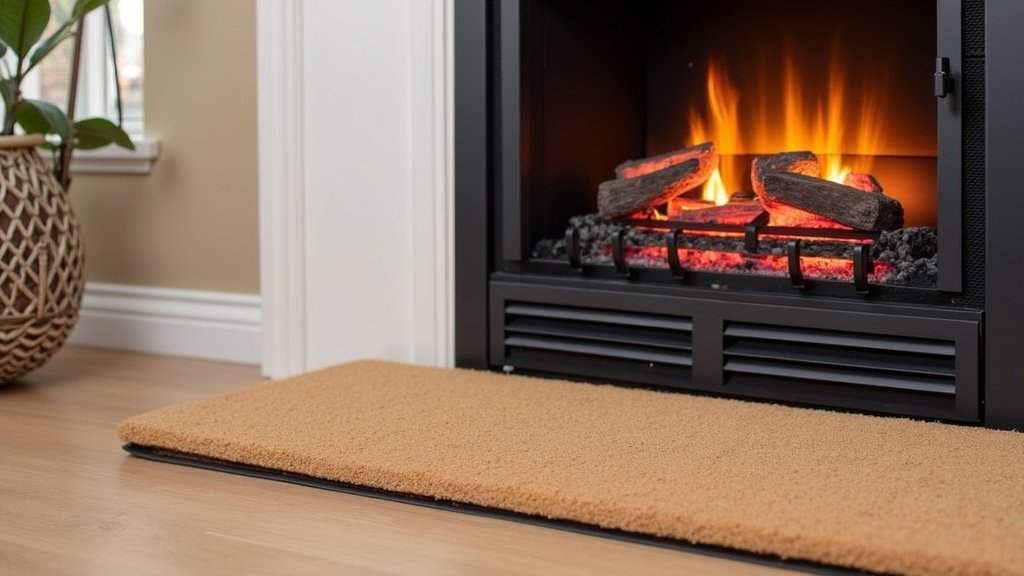
Hearth Pads as a Decorative Element
Beyond safety, hearth pads can also be a stylish addition to your room. They come in countless designs, colors, and materials. You can choose a hearth pad that complements your existing decor. It can tie the fireplace area together as a cohesive design feature.
Imagine a sleek, modern glass hearth pad under a contemporary electric fireplace. Or perhaps a rustic stone pad for a more traditional look. A hearth pad can turn the area around your electric fireplace into a focal point. It adds a finished, intentional look to your space.
Matching Your Home’s Style
When selecting a hearth pad, think about your room’s overall aesthetic. Do you prefer a minimalist look? A simple, clear glass pad might be perfect. Are you going for a farmhouse vibe? A distressed wood-look or stone pad could work well.
Many manufacturers offer matching accessories. This includes mantelpieces and surrounds. Choosing a hearth pad that coordinates with these can create a harmonious fireplace unit. It’s a small detail that can make a big difference in your room’s design.
Installation and Placement Considerations
Placing a hearth pad is usually quite simple. Most are designed to lie flat on the floor. Some might have a slight lip to help keep them in place. For portable electric fireplaces, you can simply position the unit on top of the pad.
Ensure the pad is the correct size. It should extend at least a few inches beyond the base of your fireplace. This provides adequate coverage. Check your fireplace’s manual for any specific placement recommendations. Some units may require a certain amount of clearance around the vents.
Ensuring Proper Fit and Stability
A stable hearth pad is key. You don’t want it shifting or wobbling. If your flooring is uneven, you might need to use a thin, non-slip mat underneath the hearth pad. This ensures it stays put. This is especially important if you have children or pets who might bump into it.
Double-check that the fireplace unit is securely placed on the pad. Ensure it’s not leaning or unstable. This is a general safety tip for any appliance. A stable setup prevents accidents and ensures the fireplace operates as intended.
Key Takeaways for Your Electric Fireplace Hearth Pad Decision
Deciding whether to use a hearth pad for your electric fireplace boils down to a few factors. It’s about safety, flooring type, and aesthetics. While not always a strict requirement, it offers an extra layer of protection and style.
Here’s a quick recap to help you decide:
- Check Your Manual: Always consult your electric fireplace’s user manual first. It will provide manufacturer recommendations.
- Assess Your Flooring: Consider the material and condition of your floors. Sensitive materials benefit most from a pad.
- Evaluate Heat Settings: If your fireplace has high heat settings or powerful fans, a pad is a smart addition.
- Prioritize Safety: A hearth pad adds a safety margin, especially for peace of mind.
- Consider Style: Hearth pads can enhance your room’s decor. Choose one that fits your aesthetic.
Making the Final Choice
Ultimately, the decision is yours. If you have durable, heat-resistant flooring and a lower-heat model fireplace, you might be perfectly fine without one. However, for most people, a hearth pad is an affordable and effective way to safeguard their flooring. It also contributes to the overall look of their fireplace setup.
Think about the investment you’ve made in your flooring and your electric fireplace. A hearth pad is a small price to pay for added protection and a polished appearance. It’s a practical choice that aligns with good home maintenance practices.
Conclusion
So, do you need a hearth pad for your electric fireplace? While it’s not always a strict requirement for operation, our research shows it’s a smart safety and flooring protection measure. Electric fireplaces produce less heat than traditional ones, but prolonged warmth can still affect sensitive flooring materials over time. A hearth pad acts as a stylish barrier, safeguarding your floors from potential discoloration or damage. It also adds a polished look to your fireplace setup. For peace of mind and to preserve your floors, consider adding a hearth pad, especially if you have sensitive flooring or a fireplace with higher heat settings. Your next step is to check your fireplace manual for specific recommendations, then browse hearth pad styles that match your home’s decor.
Frequently Asked Questions
Will my electric fireplace damage my carpet?
Your electric fireplace likely won’t cause immediate damage to carpet. However, the warm air blown downwards can potentially affect carpet fibers with consistent use over many months or years. A hearth pad creates a barrier, preventing direct heat exposure and protecting your carpet.
Are hearth pads necessary for laminate or vinyl floors?
Laminate and vinyl floors can be more sensitive to prolonged warmth and may warp or discolor over time. While your electric fireplace might not get extremely hot, a hearth pad is highly recommended for these flooring types to offer an extra layer of protection.
Can I use a hearth pad that doesn’t match my fireplace exactly?
Absolutely! Hearth pads come in many styles and materials, like glass, stone, or tile. You can choose a pad that complements your room’s decor, even if it doesn’t match your fireplace unit precisely. It can serve as a decorative element that ties the space together.
How large should a hearth pad be for an electric fireplace?
A good rule of thumb is to ensure the hearth pad extends at least a few inches beyond the base of your electric fireplace on all sides. This provides adequate coverage and ensures any potential heat or debris is caught by the pad.
Do I need a hearth pad if my electric fireplace has a thermostat?
Even with a thermostat, the fireplace housing and the air vents can still emit warmth. If you have sensitive flooring, are concerned about long-term effects, or simply want extra peace of mind, a hearth pad remains a good investment regardless of your fireplace’s thermostat feature.