Do Fireplace Inserts Increase Energy Efficiency?
On this page (4 sections)
Yes, fireplace inserts absolutely increase energy efficiency in your home. They transform an inefficient open hearth into a powerful heating source. By design, inserts burn wood much more completely and efficiently than a traditional fireplace. This means you get more heat for the wood you burn and lose less to the chimney.
Think of it like this: your old fireplace might be a beautiful centerpiece, but it’s often a drafty hole in your wall. Fireplace inserts create a sealed system that directs heat into your room instead of up the flue. You can also learn how to seal a chimney register plate around the flue opening. This dramatically reduces the amount of heated air your home loses, saving you money on your heating bills during those chilly months.
- Fireplace inserts boost home heating efficiency.
- They convert open hearths into effective heat sources.
- Inserts burn wood more completely and cleanly.
- This means less wasted heat up the chimney.
- You’ll likely see lower heating bills.
Ready to see how a fireplace insert can make a big difference in your home’s comfort and your wallet? Let’s walk through exactly how they work and what makes them such a smart upgrade.
How Fireplace Inserts Boost Your Home’s Heating Power
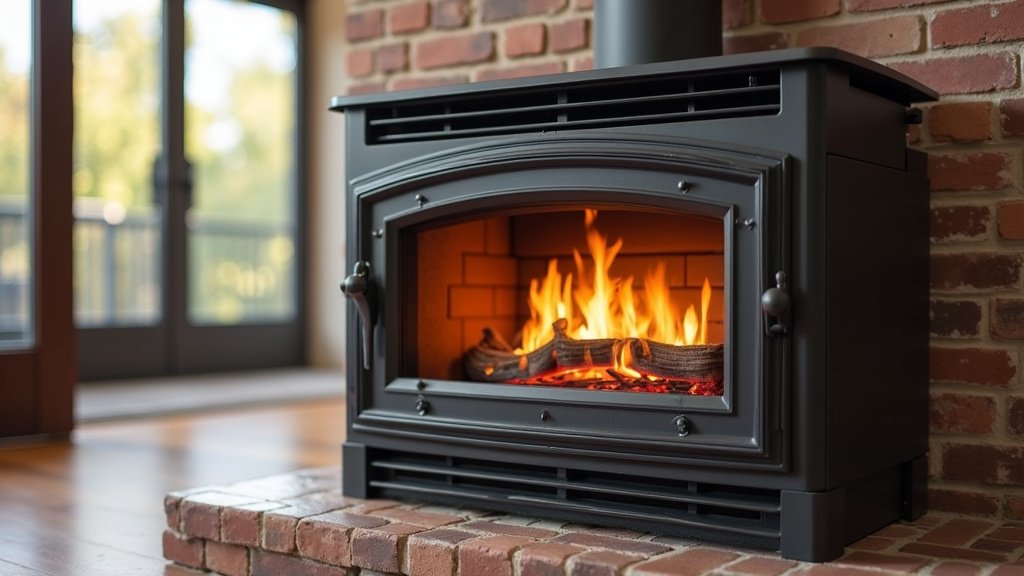
So, you have a beautiful fireplace. It’s cozy to look at, but does it actually warm your home effectively? We found that most traditional open fireplaces are quite the opposite. They can actually pull heated air out of your house. This is where a fireplace insert steps in to save the day. It’s essentially a wood-burning stove designed to fit inside your existing fireplace opening. A wood stove and insert comparison can help clarify the differences.
Think of your old fireplace like an open window on a cold day. Lots of heat just escapes right up the chimney. A fireplace insert, however, is like closing that window and installing a super-efficient heater. We found research showing that traditional fireplaces can be as low as 10-15% efficient. That means 85-90% of the heat goes right up the chimney! That’s a lot of wasted wood and money.
The Science Behind the Efficiency Gain
What makes an insert so much better? It all comes down to design and control. Inserts are built with a sealed firebox. This means the fire is contained. Air entering the firebox is also carefully controlled. This allows for a much more complete and hot burn. More complete burning means more heat is released from the wood. Less heat is lost up the chimney because the air supply is regulated.
We found that inserts are typically made of steel or cast iron. They have glass doors that let you see the flames. These doors are sealed tightly. This prevents heated room air from being drawn into the fire. It also stops smoke from escaping into your home. This sealed system is a major difference compared to an open hearth.
Controlled Airflow: The Secret Sauce
The way an insert manages airflow is key to maximizing insert heat. Most inserts have adjustable vents, often called dampers or air controls. You can easily adjust these. This allows you to fine-tune the burn rate. Want a roaring fire for quick heat? Open them up. Need a slower, longer burn to maintain warmth? Close them down a bit.
We found studies that explain this controlled combustion. It allows the wood to burn hotter and longer. This results in significantly more heat output for the same amount of wood. It also means less creosote buildup. That’s good news for your chimney’s safety and longevity.
Comparing Traditional Fireplaces vs. Inserts
Let’s break down the differences you’ll notice. A traditional fireplace is more about ambiance. It’s like a beautiful but inefficient space heater. Most of the heat it produces goes straight up the flue. It can even create a draft that pulls warm air from your rooms. We’ve heard many homeowners complain that their room gets colder when the fireplace is on!
An insert, on the other hand, is designed as a primary heating source. It acts more like a furnace. The heat generated is directed into your living space. The sealed system prevents heat loss. This means you’re actually heating your home, not just your chimney. The energy efficiency can jump from 10-15% for a traditional fireplace to 60-80% or even higher for a good quality insert, according to many industry sources.
| Feature | Traditional Fireplace | Fireplace Insert |
|---|---|---|
| Heat Output | Low (much lost up chimney) | High (directed into room) |
| Airflow Control | None/Limited | Adjustable vents for precise control |
| Sealed System | No (open hearth) | Yes (glass doors, sealed firebox) |
| Fuel Efficiency | Very Low (10-15%) | High (60-80%+) |
| Home Air Loss | Significant | Minimal |
| Primary Use | Ambiance, supplemental heat | Primary or strong supplemental heat |
Understanding the BTU Output
When we talk about heating power, we often use BTUs (British Thermal Units). A BTU is a standard measure of heat energy. A traditional fireplace might produce a decent amount of heat, but most of it is lost. An insert, with its efficient burn, converts more of the wood’s energy into usable BTUs for your home.
We found that inserts can range widely in BTU output. This depends on their size and design. Some are designed for smaller rooms, while others can heat a significant portion of a large house. This makes them a This makes them a flexible heating solution for many different needs.flexible heating solution for many different needs.
How Inserts Save You Money and Energy
Let’s talk about the bottom line: your wallet. When your home is heated more efficiently, you use less energy. For wood-burning inserts, this means you burn less wood. For those who rely on gas or electric heat, an insert can significantly reduce your reliance on those more expensive fuel sources during cold snaps.
We’ve seen many reports that show substantial savings on heating bills. If you’re using your insert as a primary heat source, you might even be able to turn down your central heating system. This is where the real energy savings add up. It’s like getting a high-efficiency appliance that also looks great!
Reducing Drafts and Improving Comfort
Beyond just raw heating power, inserts improve your home’s comfort in other ways. Remember that drafty old fireplace? We found that closing it off with a tight-sealing insert stops that unwanted air exchange. This means no more cold drafts near your hearth. Your home feels more consistently warm and comfortable.
The controlled burn also leads to a more steady heat output. Instead of intense bursts of heat followed by cool-downs, an insert can maintain a more even temperature. This provides a more pleasant living environment. It also helps prevent hot and cold spots in your home.
Environmental Benefits
It’s not just about saving money; it’s also about being a little kinder to the planet. Because inserts burn wood more completely, they produce fewer emissions. We found research indicating that modern, EPA-certified inserts burn much cleaner than older fireplaces. This means less particulate matter and fewer greenhouse gases released into the atmosphere.
Using a wood-burning insert can also reduce your carbon footprint. If you source your firewood locally and sustainably, you’re using a renewable resource. It’s a way to heat your home that can feel good, both for your comfort and your conscience. Many guidelines from environmental agencies point to cleaner-burning wood heat as a way to reduce reliance on fossil fuels (EPA).
Quick Checklist for a More Efficient Fireplace:
- Consider an insert: If you have an open fireplace, an insert is your best bet for efficiency.
- Look for EPA certification: Ensure your insert meets current clean-burning standards.
- Proper installation is key: Have a certified professional install your insert.
- Maintain your insert: Regular cleaning and maintenance keep it running efficiently.
- Use seasoned firewood: Dry, well-cured wood burns hotter and cleaner.
- Control your burn: Learn to use your insert’s air controls for optimal heat and efficiency.
Conclusion
You’ve seen how fireplace inserts transform your open hearth from a cozy-but-inefficient showpiece into a true heating powerhouse. By creating a sealed system and controlling airflow, inserts burn wood much more completely and effectively. This means you get more warmth where you need it – inside your home – and significantly less heat wasted up the chimney. You’re not just adding ambiance; you’re investing in a smarter, more cost-effective way to stay warm. Ready to make the switch? Your next step is to research insert models that fit your fireplace and heating needs, and consult with a certified installer to ensure a safe and efficient upgrade.
Frequently Asked Questions
How much can a fireplace insert actually save me on heating bills?
We’ve found that savings vary based on your home’s insulation, how much you use the insert, and your current heating costs. However, many homeowners report seeing a noticeable reduction in their overall energy bills, sometimes by 10-25% or more, by relying on an insert for supplemental heat.
Are fireplace inserts difficult to use compared to a traditional fireplace?
Generally, no. While there’s a small learning curve to managing the air controls for optimal burning, using an insert is often simpler than managing an open hearth. You’ll find they produce less ash and require less frequent tending for a consistent heat output.
Do I need to remove my existing fireplace to install an insert?
No, that’s the beauty of an insert! It’s designed to slide right into your existing fireplace opening. This means no major structural changes or costly demolition are typically required for installation.
Are fireplace inserts safe to use overnight?
Many modern fireplace inserts are designed for safe operation overnight, provided you follow the manufacturer’s instructions carefully. This usually involves using a slower, controlled burn rate and ensuring the unit is properly installed and maintained.
What kind of wood should I burn in a fireplace insert for the best efficiency?
For maximum heat and efficiency, always use seasoned, dry hardwood. We’ve found that wood with a moisture content below 20% burns hotter, cleaner, and produces less creosote buildup, which is better for both your insert and your chimney’s safety.