What Is the Best Fireplace Insert for Reducing Energy Bills?
On this page (9 sections)
- Choosing the Right Fireplace Insert for Lower Energy Bills
- Understanding Fireplace Inserts: How They Save Energy
- Wood-Burning Fireplace Inserts: The Cozy, Efficient Choice
- Gas Fireplace Inserts: Convenience and Consistent Heat
- Comparing Wood vs. Gas for Energy Savings: A Quick Look
- Boosting Efficiency: Beyond the Insert Type
- Quick Checklist for Your Fireplace Insert Decision
- Conclusion
- Frequently Asked Questions
When you’re looking to reduce your energy bills, the best fireplace insert often comes down to a wood-burning stove insert or a gas fireplace insert. Both can make your existing fireplace much more efficient than a standard open hearth. They work by creating a sealed system that heats your home effectively. This saves you money on heating costs.
Choosing the right insert means considering how you’ll use it and what fuels are readily available and affordable in your area. Many homeowners find that either option provides a significant boost in home heating efficiency. Research indicates that upgrading an old fireplace with a modern insert can reduce heat loss by up to 90%.
- Wood-burning inserts offer a cozy ambiance and use readily available fuel.
- Gas inserts provide convenience and consistent heat with minimal effort. Understand the costs associated with installing a gas fireplace.
- Both types dramatically improve energy efficiency over open fireplaces.
- Your choice depends on fuel availability, cost, and personal preference.
- Consider professional installation for optimal safety and performance.
Let’s walk through the pros and cons of each type to help you find the perfect fit for your home and your wallet.
Choosing the Right Fireplace Insert for Lower Energy Bills
So, you want to save money on heating. That’s a smart goal! Many homeowners look to their fireplaces for help. An open fireplace is charming, but it’s not very good at heating your home. In fact, it can actually pull warm air out of your house. That’s where a fireplace insert comes in. It turns your old, inefficient fireplace into a powerful heater. We’ll help you figure out which type of insert is the best for reducing energy bills.
Understanding Fireplace Inserts: How They Save Energy
Think of your fireplace like a sieve for heat. An open fire burns wood, sending most of the heat up the chimney. It also sucks warm air from your living room right up that chimney. This means your furnace has to work harder and longer to keep your home warm. A fireplace insert is essentially a sealed stove that fits inside your existing fireplace.
The Sealed System Advantage
This sealed system is the key to energy savings. Instead of letting heat escape, the insert captures it. It then circulates that warm air back into your room. This process is much more efficient. Research shows that a well-installed insert can reduce heat loss from your home by up to 90% compared to an open hearth (National Association of Home Builders).
Two Main Types: Wood vs. Gas
When looking for the best fireplace insert for reducing energy bills, you’ll primarily see two main types: wood-burning and gas. Each has its own set of advantages and disadvantages regarding cost, convenience, and environmental impact. Your choice will depend on what’s most important to you and what works best in your area.
Wood-Burning Fireplace Inserts: The Cozy, Efficient Choice
Wood-burning inserts are a popular choice for good reason. They offer that classic, comforting fire ambiance. Plus, wood can be a relatively inexpensive fuel source, especially if you have access to it yourself. They are designed to burn wood much more cleanly and efficiently than an open fireplace.
Pros of Wood-Burning Inserts
- Ambiance: There’s nothing quite like the look and sound of a real wood fire. It creates a warm, inviting atmosphere in your home.
- Fuel Cost: If you can source your own firewood, the cost per BTU (British Thermal unit) can be very low. Even buying seasoned firewood can be cheaper than gas or electricity in many regions.
- Renewable Fuel: Wood is a renewable resource, which appeals to many environmentally conscious homeowners.
- Off-Grid Heating: In the event of power outages, a wood-burning insert can keep your home warm and cozy without electricity.
Cons of Wood-Burning Inserts
- Labor Intensive: You need to chop, stack, season, and load the wood. This takes time and physical effort.
- Storage Space: You’ll need a dry place to store a significant amount of firewood.
- Ash Removal: Cleaning out the ash is a regular chore that you’ll need to handle.
- Emissions: While much cleaner than open fireplaces, wood stoves still produce emissions. Newer EPA-certified models are far better than older ones.
- Variable Heat Output: The heat output can fluctuate depending on the type of wood and how it burns.
Efficiency Ratings for Wood Inserts
Modern wood-burning inserts are highly efficient. Look for models that are EPA-certified. These stoves have strict emission standards. We found that many EPA-certified inserts can reach efficiencies of 70% to 80% or even higher. This means a much larger percentage of the heat from the wood stays in your home, not up the chimney.
Gas Fireplace Inserts: Convenience and Consistent Heat
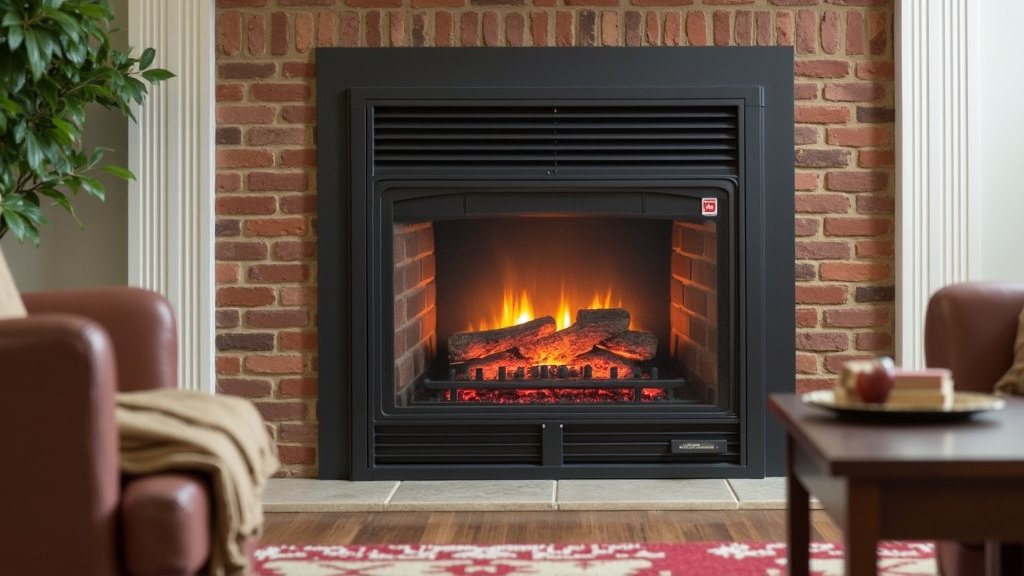
Gas fireplace inserts offer a different kind of convenience. They run on natural gas or propane. You can turn them on and off with the flip of a switch or even a remote control. This makes them incredibly easy to use for supplemental heating.
Pros of Gas Inserts
- Ease of Use: Instant heat at the touch of a button. No chopping, stacking, or ash to deal with.
- Clean Burning: Gas burns much cleaner than wood, producing fewer emissions. Many models have realistic-looking logs for a natural appearance.
- Consistent Heat: You can set a thermostat for consistent room temperature. This makes them great for maintaining comfort.
- Thermostat Control: Many models come with programmable thermostats. This allows for precise temperature control and energy savings.
- Lower Maintenance: Generally, gas inserts require less maintenance than wood-burning units.
Cons of Gas Inserts
- Fuel Cost: Natural gas prices can fluctuate. Propane is often more expensive than natural gas. You’ll need to check local rates to see if it’s cost-effective for your area.
- Requires Gas Line: If you don’t have a natural gas line, you’ll need a propane tank. This requires refills and dedicated outdoor space.
- Less Ambiance: While realistic, the flame and heat from a gas fire aren’t the same as a real wood fire for some people.
- Electricity Dependence: Some models require electricity to operate fans or ignition systems. This means they might not work during a power outage unless you have backup power.
- Efficiency: While much better than open fireplaces, some gas inserts might have slightly lower peak efficiencies than the best wood-burning models. We found that typical efficiencies range from 60% to 80%.
Vent-Free vs. Vented Gas Inserts
Gas inserts come in two main venting types: vented and vent-free. Vented inserts are safer and generally more efficient. They vent combustion byproducts outdoors through a chimney or dedicated vent pipe. Vent-free inserts are easier to install as they don’t need venting. However, they do release combustion byproducts into your home’s air. Many health organizations recommend vented options for better indoor air quality (Environmental Protection Agency).
Comparing Wood vs. Gas for Energy Savings: A Quick Look
Deciding between wood and gas often comes down to fuel cost and convenience. Here’s a simple comparison:
| Feature | Wood-Burning Insert | Gas Insert |
|---|---|---|
| Initial Cost | Can be higher | Can be higher |
| Fuel Cost | Potentially very low (if self-sourced) | Depends on local gas/propane rates |
| Installation Complexity | Moderate to high | Moderate to high (venting required) |
| Daily Operation | Requires effort (loading, tending) | Very easy (flip switch/remote) |
| Maintenance | More (ash removal, chimney sweeping) | Less (annual inspection often recommended) |
| Ambiance | Excellent – traditional fire | Good – realistic flames |
| Energy Efficiency | 70-80%+ for EPA models | 60-80% for vented models |
Factors Affecting Your Decision
When thinking about which is best for reducing energy bills, consider these points:
- Local Fuel Prices: What’s cheaper in your area – firewood or natural gas/propane? This is often the biggest deciding factor.
- Your Lifestyle: Do you have the time and physical ability to handle wood? Or do you prefer effortless, instant heat?
- Environmental Concerns: Both types have environmental impacts. Modern wood stoves are cleaner, and gas is often considered cleaner than burning wood, but propane production has its own issues.
- Home’s Heating Needs: Are you looking for primary heat or just supplemental warmth? A gas insert might be better for consistent, controlled heat. Wood offers intense heat when you want it.
Boosting Efficiency: Beyond the Insert Type
No matter which type of insert you choose, proper installation and maintenance are key. This ensures you get the most bang for your buck and the safest operation.
Professional Installation is Key
We strongly recommend professional installation for any fireplace insert. A certified installer will ensure your insert is fitted correctly. They will check that the hearth is suitable and that all connections are secure. Proper venting is critical for safety and efficiency. An improperly installed insert can be dangerous and won’t heat your home effectively.
Regular Maintenance for Optimal Performance
Think of maintenance like an oil change for your car. It keeps things running smoothly. For wood inserts, this means regular chimney sweeping to prevent creosote buildup. For gas inserts, an annual inspection by a qualified technician is a good idea to check for leaks and ensure proper operation.
Using Your Insert Wisely
Even the most efficient insert won’t save you money if not used correctly. Consider using your insert to heat the main living area of your home during the coldest parts of the day. Then, let your central heating system take over at a lower temperature. This can drastically cut down on your furnace usage. You can even close vents in rooms you aren’t using to focus heat where you need it most. Consider using your insert for zone heating to further reduce furnace usage.
Quick Checklist for Your Fireplace Insert Decision
Before you buy, run through this quick checklist:
- Calculate Fuel Costs: Compare the price per unit of heat for wood vs. gas in your area.
- Assess Your Time Commitment: How much effort are you willing to put into heating your home?
- Check Local Regulations: Are there any restrictions on wood-burning appliances in your community?
- Inspect Your Existing Fireplace: Is it structurally sound enough to accommodate an insert?
- Get Multiple Quotes: Compare prices for the insert and professional installation from different reputable dealers.
- Read Reviews: See what other homeowners say about specific models and brands.
By carefully considering these points, you’ll be well on your way to choosing the fireplace insert that best suits your needs and helps you cut down on those energy bills.
Conclusion
Choosing the best fireplace insert to slash your energy bills involves weighing the cozy charm of wood against the effortless convenience of gas. You’ve seen how both can dramatically boost your home’s heating efficiency, turning your old fireplace into a money-saving asset. We found that wood-burning inserts offer lower fuel costs if you have access to wood, while gas inserts provide unmatched ease of use and consistent warmth. Your ideal choice hinges on local fuel prices, your lifestyle, and what kind of ambiance you desire. Take the next step by assessing your local fuel costs and honestly evaluating your willingness for fireplace upkeep.
Frequently Asked Questions
Are fireplace inserts really more energy-efficient than a regular fireplace?
Yes, absolutely. Research shows that a fireplace insert can reduce heat loss by up to 90% compared to an open hearth. Inserts create a sealed system that directs heat into your room instead of letting it escape up the chimney.
Which fuel type is cheaper to run for a fireplace insert: wood or gas?
This often depends on your location. If you have access to free or low-cost firewood, wood inserts can be cheaper. However, if natural gas prices are low in your area, a gas insert might be more cost-effective for daily use, especially when considering the convenience factor.
How much maintenance do wood-burning vs. gas fireplace inserts require?
Wood-burning inserts require more regular upkeep, including ash removal and annual chimney sweeping to prevent creosote buildup. Gas inserts generally require less maintenance, typically needing an annual inspection by a qualified technician to ensure safety and proper function.
Can a fireplace insert heat my entire home, or is it just for supplemental heat?
While some high-efficiency inserts can provide significant heat, they are often best used for supplemental heating. They can effectively warm your main living areas, allowing you to lower your central heating thermostat and save on overall energy costs, rather than completely replacing your primary heating system.
Is professional installation really necessary for a fireplace insert?
Yes, professional installation is highly recommended. A certified installer ensures the insert is safely and correctly fitted into your fireplace, that venting is properly established, and that it meets all safety codes. This guarantees optimal performance and prevents potential hazards.