What Is the Difference Between a Wood Stove and a Fireplace Insert?
On this page (7 sections)
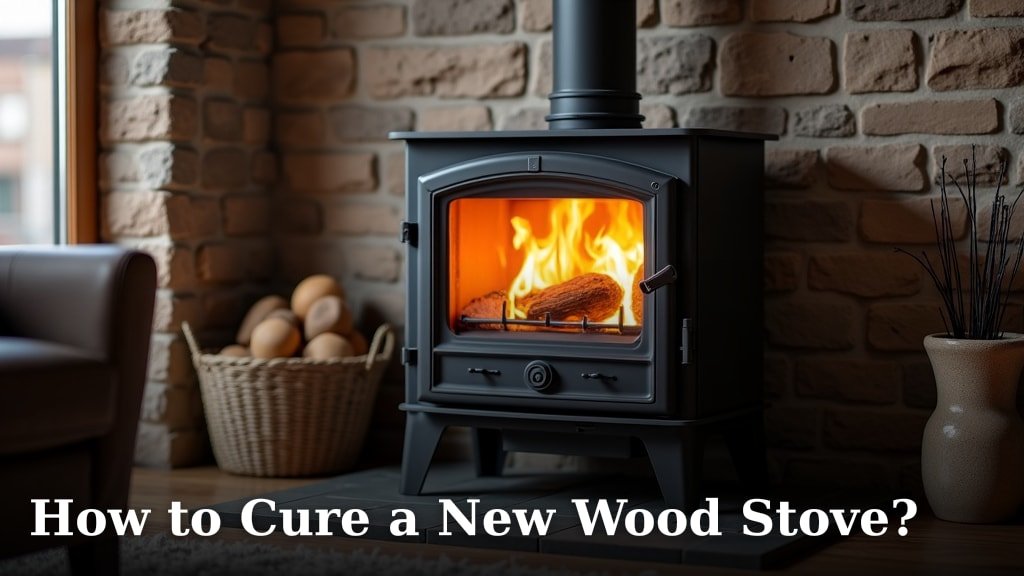
The primary difference between a wood stove and a fireplace insert is their design and installation. A wood stove is a freestanding unit that radiates heat from all sides. A fireplace insert fits into an existing masonry fireplace, transforming it into a more efficient heater.
You often see wood stoves in larger, open spaces where heat distribution matters. For another wood-heating comparison, see the differences between a wood stove and masonry heater. Inserts, on the other hand, are perfect for upgrading an old, inefficient fireplace. Both burn wood, but they distribute heat differently and have distinct venting needs. We found that choosing between them depends on your home’s existing structure and your heating goals.
- Wood stoves are freestanding units.
- Inserts fit inside existing fireplaces.
- Both use wood for heat.
- Inserts offer much better heating efficiency for old fireplaces.
- Your home’s setup dictates which is best.
Are you wondering which option is right for your home? Let’s walk through the key distinctions and benefits of each, helping you make the best choice.
Understanding the Heating Differences Between Wood Stoves and Inserts
The core distinction in heating lies in how these two appliances are built and installed. Your home’s layout and existing fireplace will often guide your choice.
How a Wood Stove Heats Your Home
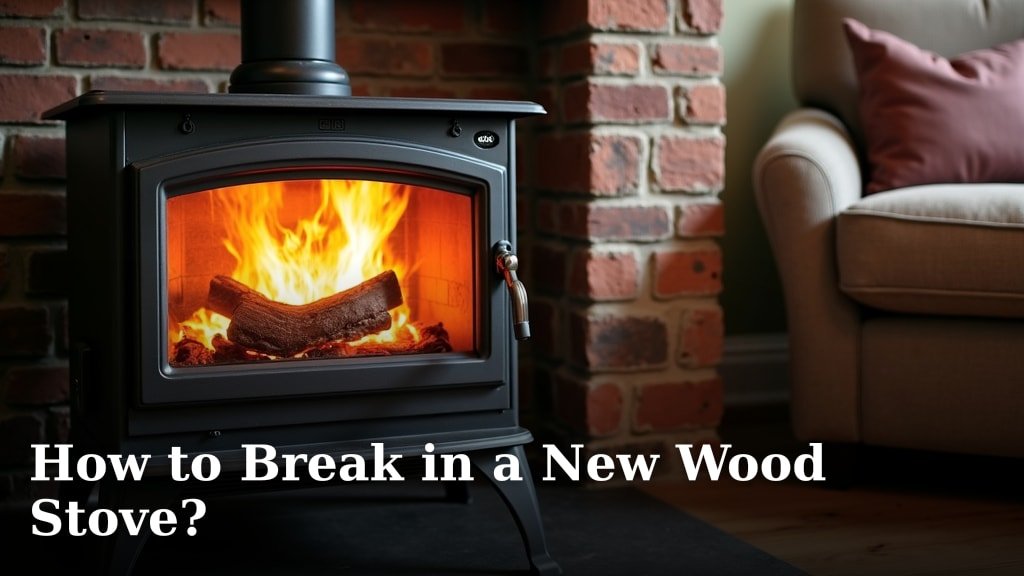
Imagine a standalone heater radiating warmth in all directions. That’s essentially a wood stove. It sits out in the open, allowing its entire surface to heat up and release warmth directly into your living space.
- Radiant Heat: The stove’s metal body gets hot and radiates heat evenly.
- Convective Heat: Air around the stove heats, rises, and circulates throughout the room.
- Placement Matters: Because it radiates freely, placement in an open area is key for best heat distribution.
We found that wood stoves excel in large, open-concept rooms. They are designed to be a prominent heat source. You’ll often feel the warmth from a wood stove from a good distance away.
How a Fireplace Insert Heats More Efficiently
A fireplace insert is different. It’s a closed-combustion unit that slides right into your existing masonry fireplace opening. It transforms an old, inefficient fireplace into a much better heater.
- Improved Efficiency: Older masonry fireplaces pull a lot of heated room air up the chimney. Inserts capture much more heat.
- Built-in Blower: Most inserts come with a blower fan. This fan circulates warm air from around the firebox and pushes it into your room.
- Reduced Drafts: The sealed design of an insert prevents heat loss and stops cold air from entering your home through the chimney.
Many experts confirm that inserts reduce energy waste significantly compared to traditional fireplaces (Energy.gov). If you have an old fireplace you want to use for heat, an insert is a popular upgrade.
Installation and Structural Considerations
Installing a wood stove versus a fireplace insert involves different levels of complexity and preparation. Your home’s current structure plays a big role.
Wood Stove Installation Requirements
Installing a wood stove means creating a new setup. You’ll need a suitable location, a sturdy hearth pad, and a proper chimney system.
- Location Selection: You need enough clearance from walls and combustible materials.
- Hearth Pad: A non-combustible pad is essential under the stove. This protects your flooring.
- Ventilation System: A dedicated chimney or stovepipe system must be installed. This usually goes straight up through the ceiling and roof.
- No Existing Fireplace Needed: You don’t need a fireplace to install a wood stove.
The installation steps can be quite involved, often requiring professional help to ensure safety and proper drafting. We found that local building codes have strict rules for wood stove installations. Always check with your local authorities.
Fireplace Insert Installation Requirements
Fireplace inserts, by contrast, are designed to fit into an existing masonry fireplace. This can simplify some aspects of installation, but it still requires careful planning.
- Existing Fireplace: You must have a sound, existing masonry fireplace. The opening must be the right size.
- Chimney Liner: A stainless steel chimney liner is almost always required. This liner runs from the top of the insert to the top of your chimney. It ensures proper drafting and safety (Chimney Safety Institute of America).
- Sealing the Opening: The area around the insert must be sealed to prevent room air from entering the chimney void.
Installing an insert is about adapting an existing structure. While it utilizes your current fireplace, the chimney liner requirement is critical for safety and performance.
Efficiency and Performance Metrics
When you’re trying to heat your home, efficiency matters. Both wood stoves and inserts offer much better efficiency than traditional open fireplaces.
Understanding Wood Stove Efficiency
Modern wood stoves are far more efficient than older models. They use advanced combustion technology to burn wood more completely.
- High Efficiency Ratings: Many newer wood stoves are 70-80% efficient, or even higher.
- EPA Certification: Look for EPA-certified models. These meet stringent emission standards and offer better fuel efficiency.
- Longer Burn Times: Efficient stoves burn wood slowly, providing heat for hours.
We found that a well-operated, high-efficiency wood stove can significantly reduce your heating bills, especially in winter. They make the most of every log you burn.
Understanding Fireplace Insert Efficiency
Fireplace inserts are specifically designed to improve the dismal efficiency of open fireplaces. They seal off the firebox, controlling airflow and promoting better combustion.
- Transformative Improvement: An open fireplace can be as low as 10-20% efficient. An insert can boost this to 60-80% or more.
- Controlled Combustion: The sealed unit allows for precise control of air going to the fire, leading to a more complete burn.
- Heat Distribution: The blower fan found in most inserts helps push warm air into your living space, preventing it from just going up the chimney.
If you love the ambiance of a fire but need real heat, an insert is a practical solution. It turns a decorative feature into an effective heat source.
Aesthetic and Visual Impact
Beyond heating, how these appliances look in your home is often a big deciding factor. Do you want a prominent centerpiece or a more integrated look?
The Look of a Wood Stove
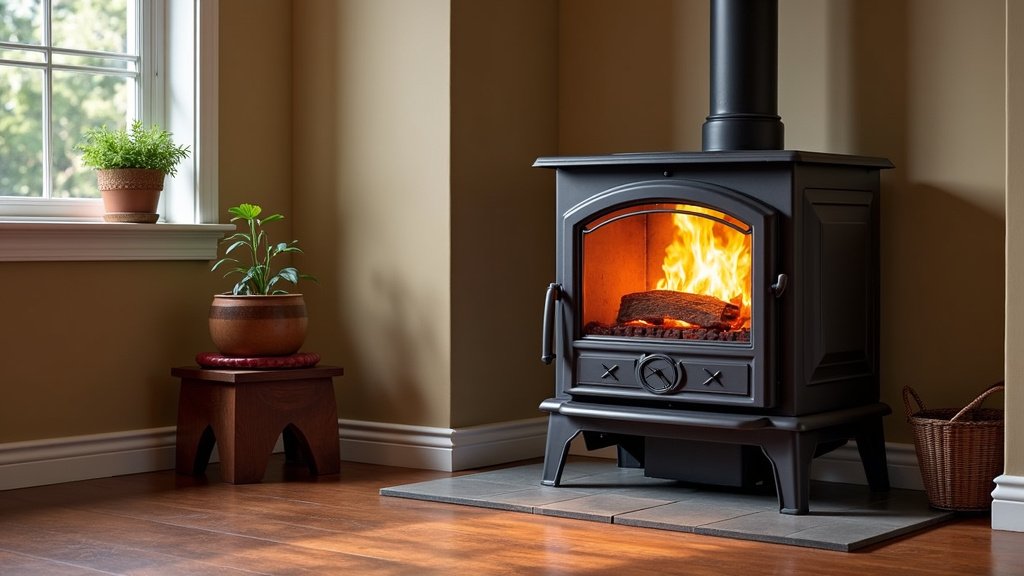
Wood stoves are standalone appliances, making them a focal point in any room. They come in various styles and finishes.
- Prominent Feature: A wood stove stands out. It’s often chosen for its rustic charm or modern sleekness.
- Variety of Styles: You can find traditional cast iron, contemporary steel models, and different color finishes.
- Visible Flames: Many models have large glass doors, allowing you to watch the fire.
Choosing a wood stove means you’re embracing it as a visible piece of furniture in your home. It can really define the character of a room.
The Look of a Fireplace Insert
Inserts integrate more seamlessly into your existing fireplace structure. They offer an updated, cleaner look for your hearth.
- Integrated Appearance: An insert fits within the fireplace opening, maintaining the traditional fireplace feel.
- Updated Hearth: It can give your old, tired fireplace a modern facelift.
- Maintain Mantelpiece: You can keep your existing mantel and hearth surround.
With an insert, you are enhancing an existing feature rather than adding a new one. It’s about blending modern efficiency with traditional aesthetics.
Comparing Wood Stoves and Fireplace Inserts
To help you see the key differences at a glance, here’s a quick comparison of wood stoves and fireplace inserts:
| Feature | Wood Stove | Fireplace Insert |
|---|---|---|
| Installation | Freestanding; new chimney often required | Fits into existing masonry fireplace; chimney liner usually needed |
| Heat Distribution | Radiates heat from all sides; excellent for open spaces | Designed for existing fireplace; often includes a blower for forced air |
| Efficiency (Modern) | Typically 70-80%+ | Typically 60-80%+ (significant upgrade from open fireplace) |
| Aesthetics | Prominent focal point; variety of styles | Integrated into existing fireplace; updates traditional look |
| Cost | Can range widely based on model and installation complexity | Often similar to wood stove, plus cost of liner and installation |
| Maintenance | Regular cleaning and chimney sweeping | Regular cleaning and chimney liner inspection/sweeping |
Choosing Between a Wood Stove and an Insert Checklist
Not sure which is right for you? Ask yourself these questions:
- Do you have an existing masonry fireplace you want to use and improve?
- Do you want a freestanding unit that can be placed almost anywhere?
- Is maximum heating efficiency your top priority?
- Do you like the look of a traditional hearth, or a more prominent appliance?
- Are you prepared for a new chimney installation, or just a liner?
- What is your budget for the unit and installation costs?
Your answers will guide you toward the best choice for your home and lifestyle. We found that understanding your specific needs is the first step.
Conclusion
Choosing between a wood stove and a fireplace insert truly depends on your specific home and heating goals. A wood stove offers powerful, radiant heat and can become a visual centerpiece. An insert, however, transforms an inefficient fireplace into a real heat source, blending modern efficiency with your existing aesthetic.
We found that understanding how each unit heats, installs, and looks in your space is key. Weigh your priorities when it comes to efficiency, installation ease, and visual impact. With this information, you can confidently select the perfect wood-burning appliance for your home.
Frequently Asked Questions
Is a wood stove or an insert better for zone heating?
Both are excellent for zone heating. We found that a wood stove, being freestanding, often distributes heat broadly in open-concept areas. An insert excels at bringing concentrated heat to the room where your fireplace currently is.
Can I install a fireplace insert into any existing fireplace?
Not always. Your existing fireplace must be a masonry unit in good condition. It also needs to have the correct dimensions to accommodate the insert. Always have a professional assess your fireplace first.
Are wood stoves and inserts environmentally friendly?
Modern, EPA-certified wood stoves and inserts are designed to be much more environmentally friendly than older models. They burn wood more completely, which reduces smoke and particulate emissions. Proper operation is also important for minimized impact.
Do I need a professional for installation, or can I DIY it?
We strongly recommend professional installation for both wood stoves and fireplace inserts. This ensures safety, proper drafting, and compliance with local building codes. Improper installation can be a fire hazard.
How much maintenance do wood stoves and inserts require?
Both require regular maintenance. You’ll need to clean out ash, check door gaskets, and have your chimney or liner professionally inspected and swept annually. Proper maintenance ensures safe and efficient operation.