What Is the Best Heater for a Garage?
On this page (6 sections)
The best heater for a garage often depends on your specific needs, but for most people, a forced-air propane or natural gas heater offers quick, powerful, and efficient warmth. These heaters are strong contenders for keeping your workspace comfortable in colder weather.
Choosing the right garage heater means thinking about things like your garage size and how you plan to use it. Do you need heat all the time, or just for quick jobs? We found that fuel type, heat output, and installation are major factors to consider. Your perfect
Finding the Right Heating Solution for Your Garage
The best way to heat a garage depends on how much heat you need, what kind of fuel is available, and your budget for installation and running costs. You have some great options, each with its own pros and cons.
When you’re thinking about heating your garage, it’s not a one-size-fits-all answer. Your perfect heater will match your specific situation. Are you fixing cars, doing woodworking, or just using it for storage?
Understanding Garage Heater Types and Fuel Sources
Let’s break down the main types of heaters you’ll encounter for garages. Each one uses a different fuel source and delivers heat in its own way. Knowing these differences will help you make a smart choice.
Forced-Air Heaters: The Quick Warm-Up
Forced-air heaters are a popular choice for garages. They work by heating air and then blowing it out with a fan. This means your space warms up pretty quickly. We found these to be especially good for garages where you need heat on demand, rather than constant warmth.
- Propane Garage Heaters: These are very versatile because propane comes in tanks. You don’t need a natural gas line. This makes them ideal for detached garages or areas without plumbed gas. However, you’ll need to refill or swap tanks regularly, which adds a bit of chore to your heating.
- Natural Gas Garage Heaters: If you have a natural gas line to your home, a natural gas heater is often very convenient and cost-effective. You get a constant supply of fuel, so you don’t worry about refills. Installation can be more complex, requiring a gas line extension, but the running costs are typically lower than propane.
Both propane and natural gas forced-air heaters are powerful. They can heat large spaces efficiently. We often see these recommended for serious DIYers or those who spend many hours in their garage.
Electric Garage Heaters: Simple and Clean
Electric heaters are perhaps the simplest to install. You just plug them in, or hardwire them if they’re larger units. They don’t produce any fumes, so ventilation isn’t as much of a concern as with gas heaters. This makes them a clean and safe option for many.
- Portable Electric Heaters: These are great for small garages or if you just need to warm up a very focused area. They are inexpensive to buy but can be expensive to run if you’re trying to heat a whole garage for an extended time. Think of them for a quick blast of warmth.
- Hardwired Electric Heaters: For more consistent heat, hardwired electric heaters offer more power. They usually need a dedicated circuit, so an electrician might be needed for installation. They offer good heat for medium-sized garages and are quiet.
While easy to install, the cost of electricity can add up fast. We found that for larger garages or continuous use, electricity might not be the most budget-friendly fuel source.
Radiant Heaters: Warmth Like the Sun
Radiant heaters work differently. They emit infrared radiation, which directly heats objects and people, not the air. Imagine standing in the sun on a cold day – that’s radiant heat. This can feel very comfortable and is efficient in drafty areas.
- Propane/Natural Gas Radiant Heaters: These units are often mounted overhead and provide broad radiant heat. They are very efficient because they don’t waste energy heating air that might escape. We found these to be an excellent choice for garages with high ceilings.
- Electric Infrared Heaters: Similar to their gas counterparts but powered by electricity. They are also good for direct, spot heating. You can feel the warmth even if the air around you is cold.
Radiant heaters can be a good choice if you’re working in a specific spot in your garage. They create a “warm zone” around you. This can save energy compared to heating the entire air volume of a large space. Many experts say they offer a very comfortable type of heat.
Key Considerations When Choosing Your Garage Heater
Beyond the heater type, there are several crucial factors that will guide your decision. Thinking through these points will ensure you pick a heater that truly meets your needs and budget.
What’s Your Garage Size and Insulation?
The size of your garage is perhaps the most important factor. A small, uninsulated garage will need a different heater than a large, well-insulated one. We often use BTU (British Thermal Units) to measure heating power. A general rule of thumb is 10 BTUs per square foot for a garage with average insulation.
For example, if your garage is 400 square feet, you’d likely need a heater of around 4,000 BTUs. But if it’s poorly insulated or you live in a very cold climate, you might need more. Good insulation means you’ll use less energy to maintain a comfortable temperature.
How Will You Use Your Garage?
Your usage patterns heavily influence the best heater. Is your garage a serious workshop where you spend hours each day? Or is it just for occasional projects?
- Constant Use: If you’re in the garage often, you’ll want an efficient heater with lower running costs, like a natural gas or a well-sized radiant heater. You’ll likely want it to heat the whole space.
- Occasional Use: For a quick project here and there, a portable electric or propane forced-air unit might be perfect. You turn it on, warm up fast, do your work, and turn it off. No need to heat the space constantly.
- Storage Only: If you just need to keep pipes from freezing, a very small, low-powered electric heater on a thermostat might be enough. You don’t need comfort, just freeze protection (CDC).
Ventilation Requirements and Safety
Safety is paramount, especially when dealing with combustion heaters. Any heater that burns fuel (propane, natural gas) produces exhaust gases, including carbon monoxide. Proper ventilation is not optional; it’s essential. You need to vent these gases outside.
Electric heaters don’t produce these exhaust gases, making them simpler in terms of ventilation. However, you still need to ensure adequate wiring and circuit protection to prevent electrical fires. Always read the manufacturer’s instructions carefully for any heater you choose.
Installation Complexity and Costs
Some heaters are DIY-friendly, others require professional help. For a propane unit, follow a guide to installing a garage propane heater. This adds to your overall cost.
- Portable Electric: Plug-and-play, usually no installation cost.
- Hardwired Electric: May need an electrician to add a dedicated circuit, increasing upfront cost.
- Propane Forced-Air: If tank-fed, you just need to hook up the tank and vent it. Permanent tank installation might require permits.
- Natural Gas Forced-Air/Radiant: Almost always requires a licensed professional to run gas lines and ensure safe venting. This can be the most expensive installation.
Consider the total cost of ownership: the purchase price, installation, and ongoing fuel costs. Cheap to buy doesn’t always mean cheap to run.
Making Your Final Heater Decision: A Checklist
To help you narrow down your options, here’s a quick checklist of questions to ask yourself. Go through each point to understand your specific needs better. This will guide you to the perfect garage heater.
- Do you have access to natural gas, or will you rely on propane tanks or electricity?
- How large is your garage in square feet?
- How well insulated is your garage? (Poor, average, good?)
- How cold does it get where you live?
- How often will you be using the heater and for how long?
- What’s your budget for buying the heater, installation, and ongoing fuel?
By answering these questions, you’ll gain clarity on the most suitable heater type and size for your space. We found that taking this structured approach often leads to more satisfying long-term results.
Comparing Common Garage Heater Options
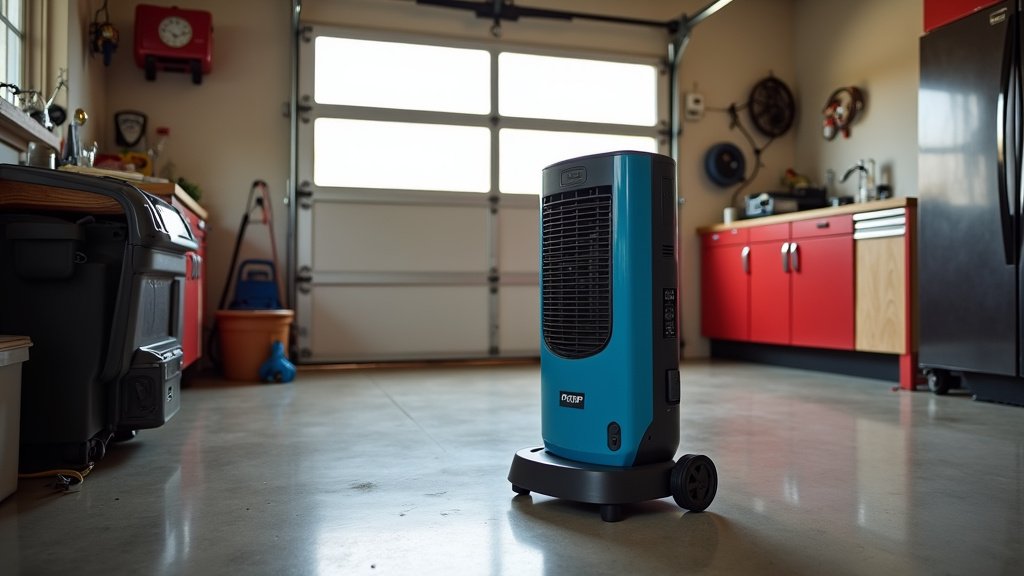
To give you a clearer picture, let’s compare some of the most common heater types side-by-side. This table highlights their typical characteristics. Remember, specific models will vary, but this gives you a general overview.
| Heater Type | Pros | Cons | Best For |
|---|---|---|---|
| Forced-Air (Propane) | Portable options, powerful heat, quick warm-up. | Requires tank refills, proper ventilation needed. | Detached garages, areas without natural gas, frequent but not constant use. |
| Forced-Air (Natural Gas) | Continuous fuel supply, lower running costs, powerful heat. | Professional installation likely, requires gas line. | Attached garages with gas line, constant workshop use. |
| Electric (Portable) | Inexpensive to buy, no fumes, highly portable. | Expensive to run for large spaces, limited power. | Small garages, spot heating, occasional projects. |
| Electric (Hardwired) | Clean, quiet, consistent heat, no fumes. | Higher running costs than gas, may need electrical upgrade. | Medium-sized garages, good insulation, quiet operation desired. |
| Radiant Heater (Gas/Electric) | Heats objects directly, efficient in drafty areas, comfortable. | Doesn’t heat air, can have focused heat, not whole space. | High ceilings, spot heating, very drafty garages. |
Conclusion
Choosing the best garage heater comes down to matching your needs with the right technology. We found that considering fuel type, garage size, usage, and insulation is essential. For most, a forced-air propane or natural gas heater offers excellent performance and quick warmth.
Electric and radiant heaters also shine in specific situations, like smaller garages or for targeted warmth. Review your requirements carefully and use our checklist. You’ll then be ready to select a heater that keeps your garage comfortable and functional.
Frequently Asked Questions
How many BTUs do I need for my garage?
A good starting point is 10 BTUs per square foot for a moderately insulated garage. For example, a 400 sq. ft. garage would need around 4,000 BTUs. If your garage lacks insulation or you live in a very cold climate, you might need more.
Can I use an indoor space heater in my garage?
We generally advise against using most indoor space heaters in a garage for primary heating. Garages often have poorer insulation and require more powerful, purpose-built heaters. Indoor heaters may struggle to warm the space effectively and can be expensive to run continuously.
Are propane garage heaters safe to use?
Yes, propane heaters are safe when used correctly and with proper ventilation. Always ensure adequate airflow to prevent carbon monoxide buildup. Install a carbon monoxide detector and follow all manufacturer’s instructions for venting and clearances.
What is the cheapest way to heat a garage?
The “cheapest” method depends on your usage patterns. For occasional short-term use, a portable electric heater might be inexpensive to buy. However, for continuous heating, natural gas or a well-insulated garage with an efficient radiant heater typically offers lower running costs over time.
How important is garage insulation for heating?
Insulation is extremely important. A well-insulated garage will retain heat much better, allowing a smaller, less powerful heater to work effectively. Good insulation significantly reduces energy consumption and your heating bills. Consider improving insulation before investing in a large heater.