How to Install a Propane Heater in a Garage?
On this page (5 sections)
The easiest way to install a propane heater in a garage is to first confirm it’s legal and safe by checking local building codes and securing any necessary permits. This involves choosing a unit with proper safety features like an oxygen depletion sensor and following the manufacturer’s instructions for placement and venting.
Your garage workshop doesn’t have to be an icebox all winter. A propane heater can turn your frigid space into a cozy, functional area for projects or parking. However, we found that rushing this job is the biggest mistake homeowners make, leading to safety hazards and poor performance.
- Check local codes: Many areas require permits for this type of installation.
- Prioritize safety: You must have proper ventilation and a carbon monoxide detector nearby.
- Choose the right unit: Look for a garage-rated heater with essential safety features.
- Plan the location: Ensure clearances from walls, ceilings, and flammable materials.
- Follow the manual: Detailed installation steps will be specific to your chosen model.
Below, we walk through the essential steps and safety checks for getting your new heater installed and running safely this season.
How to Set Up a Propane Heater in Your Garage
Here’s the direct answer: You must prioritize safety by checking local codes, ensuring proper ventilation, and choosing a heater with built-in safety features. Follow the manufacturer’s instructions step-by-step for placement and venting.
Start with Legal and Safety Checks
Before you even touch a tool, confirm your project is allowed. Many towns require permits for installing gas appliances in garages. We found that skipping this step can lead to fines or even void your homeowner’s insurance. It’s a hassle, but a quick call to your local building department saves major headaches later.
Why does this matter so much? Propane heaters produce carbon monoxide, an invisible, odorless gas. The CDC notes that CO poisoning sends over 100,000 Americans to the ER each year. A permit process ensures an official review of your safety plan.
Permits and Building Codes
Contact your city or county office. Ask specifically about permits for “solid fuel or gas appliance installation in an accessory structure.” They’ll tell you if an inspection is needed. This step is non-negotiable for a safe setup.
Why It Matters
Codes aren’t just red tape. They exist to prevent fires and carbon monoxide poisoning. Proper clearances from walls and ceilings, for example, are mandated to reduce fire risk. Following them protects your family and property.
Choosing the Right Propane Heater for Your Garage
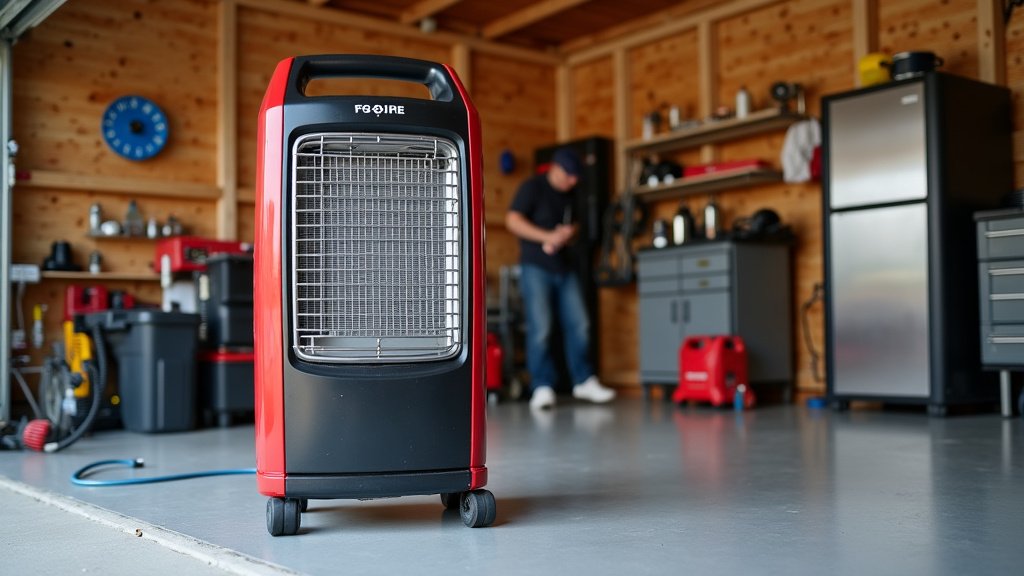
Not all heaters are created equal. A standard indoor propane heater is dangerous in a garage because it lacks crucial safety features. You need a unit specifically rated for garages or outdoor spaces.
Look for these key features on the box or in the manual:
- Oxygen Depletion Sensor (ODS): This automatically shuts the heater off if oxygen levels drop too low.
- Tip-Over Switch: It cuts the gas if the unit gets knocked over.
- High-Temperature Limit Switch: Prevents overheating.
Safety Features to Look For
The ODS is your best friend. It’s a simple sensor that monitors air quality. Many experts say a garage heater without an ODS is an accident waiting to happen (Mayo Clinic). This feature is often the first thing safety inspectors check.
Size and BTU Rating
You need enough power to heat your space. Calculate your garage’s square footage. A general rule is you need about 20-25 BTUs per square foot for a moderately insulated garage. For a 500-square-foot garage, that’s a 10,000 to 12,500 BTU heater.
Preparing Your Garage Space
Preparation prevents poor performance. Clear the area where the heater will sit. Think of it like setting up a campsite—you need a safe, clean zone away from flammable materials.
Clear the Area and Plan Placement
Remove anything that can burn: gasoline cans, paper, solvents, or old rags. We found that garages often become storage for these items. Move them at least 10 feet away from the heater. This creates a critical safety buffer.
Now, choose the heater’s spot. It needs to be on a stable, level surface. Never place it on a workbench where it could fall. Wall-mounted units must be secured to studs, not just drywall.
Distance from Flammables
Check the manual for required clearances. Typically, you need 3 feet of space on all sides and above. This isn’t a suggestion. Heat radiates, and too-close proximity can ignite nearby objects over time.
Ventilation Setup
Garages are enclosed spaces. You must provide a way for fresh air to enter. Crack open a window or door. For larger heaters, consider installing a ventilation fan. Carbon monoxide detectors are a must, but they don’t replace the need for airflow.
Tools and Materials You’ll Need
Gather everything before you start. This avoids last-minute runs to the hardware store.
| Item | Purpose |
|---|---|
| Propane heater (garage-rated) | The main heating unit |
| Propane tank and regulator | Fuel source and pressure control |
| Mounting hardware (if wall-mount) | Securely attaching to wall |
| Thread sealant tape | For leak-proof gas connections |
| Carbon monoxide detector | Life-saving safety monitor |
| Drill and level | For precise installation |
Installation Steps Explained
Now for the main event. Take your time with each step. Rushing is how mistakes happen.
Mounting or Placing the Heater
For a free-standing unit, simply place it in the prepared spot. For a wall-mounted heater, locate the wall studs with a stud finder. This is crucial for support. Use the provided bracket and heavy-duty screws to secure it.
Wall-Mount vs. Free-Standing
Wall-mounted units save floor space but require more precise installation. Free-standing models offer flexibility. Your choice depends on your garage layout and storage needs.
Securing the Unit
Give it a gentle shake after mounting. It shouldn’t move at all. A secure heater won’t tip over. This simple check takes five seconds but prevents future accidents.
Connecting the Propane Line
This part requires focus. Turn off the propane tank valve. Attach the regulator to the tank, then connect the hose from the regulator to the heater inlet. Use thread sealant tape on all gas connections to prevent leaks.
Using
Conclusion
Installing a propane heater in your garage is a smart way to reclaim your workspace from the cold. We found that the key to a successful project lies in preparation, not just in connecting pipes. Always start with your local building department to confirm permits are needed. Choose a heater with essential safety features like an oxygen depletion sensor. Finally, respect clearances and ensure proper ventilation every time you run it. Your next step is to make that quick call to your city office. Once you have the green light, gather your tools and follow the manufacturer’s guide step-by-step for a safe, warm garage this winter.
Frequently Asked Questions
Can I install a propane heater in an attached garage?
You must check your local building codes first. Some areas prohibit or have strict rules for gas appliances in attached garages due to carbon monoxide risks. Even if allowed, ensure the heater is properly vented and never use it if the garage connects directly to your home without a sealed door.
How often should I have my propane heater serviced?
Most manufacturers recommend professional inspection and servicing once a year. A technician will check the gas connections, burner, and safety sensors. Regular maintenance prevents malfunctions and ensures the heater operates safely and efficiently throughout the heating season.
Is it safe to use a portable indoor propane heater in my garage?
No, it is not safe. Indoor-only heaters lack critical safety features like an oxygen depletion sensor and are not designed for the potential flammable vapors in a garage. Always use a heater specifically rated and designed for garage or outdoor use.
Should I turn off the propane tank when the heater is not in use?
Yes, it is a best practice. Always shut off the valve at the propane tank when the heater is off for extended periods or if you leave your home. This adds an important layer of safety by preventing potential gas leaks.
My garage has poor ventilation. Can I still install a propane heater?
Improper ventilation makes installation unsafe. You must provide adequate airflow for combustion and to prevent carbon monoxide buildup. Consider installing a wall-mounted exhaust fan or plan to open a window or door each time you operate the heater.