Propane Heater vs Electric Heater: Which Should You Choose? (November 2026)
Choose propane for portable heat where electricity is unavailable, and electric for indoor room heating without fuel tanks. Your space, power access, ventilation needs and heating habits determine which type fits.
On this page (7 sections)
- Propane heater vs electric heater: which should you choose?
- How do fuel supply and installation differ?
- Which heating style feels more practical?
- Which type gives you better temperature control?
- What safety and ventilation should you consider?
- Which heater fits a patio, garage or room?
- Which heater should you pick?
Choose propane for portable heat where electricity is unavailable, and electric for indoor room heating without fuel tanks. The propane heater vs electric heater choice depends on where you need warmth, how you'll power the heater and what setup the space allows.
Propane models use stored fuel and can work where an outlet isn't practical. Electric space heaters need an appropriate outlet, but they avoid propane cylinders and combustion in the room.
The models below show the range: a portable radiant propane heater, an outdoor patio heater and 2 indoor electric heaters. Their stated coverage and intended uses differ, so compare each model's manual before deciding where to use it.


Propane heater vs electric heater: which should you choose?
Choose an electric heater for an indoor room with reliable power; choose propane when portability and fuel access matter more. The right choice starts with the location, since indoor and outdoor approvals vary by model.
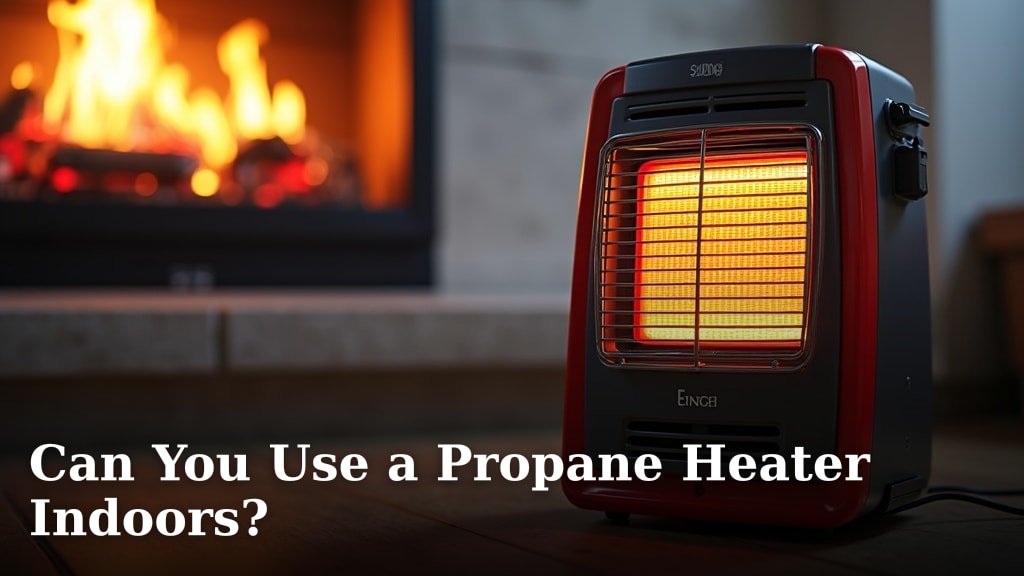
The Mr. Heater Portable Buddy is designed for indoor and outdoor use and runs on a 1 lb propane cylinder.
The Amazon Basics patio heater is for outdoor use and requires a separate 20 lb tank.
The DREO electric heaters are also designed for indoor use. They plug into an outlet and provide forced air, while the Mr.
Heater uses radiant heat.
If you need help comparing propane models by budget, see our guide to the Best Propane Heater Under 200 dollars. It can help narrow the fuel-powered options before you weigh them against electric heat.
What matters most in the comparison?
Start with these practical questions:
- Where will the heater operate? Confirm the model's approved indoor or outdoor use.
- What power source is available? Electric needs a suitable outlet; propane needs a compatible fuel supply.
- How will the heat reach you? Radiant heat warms nearby people and objects, while forced air moves warmed air around the room.
- What setup can you maintain? Propane requires fuel handling and the manual's ventilation rules. Electric requires safe outlet use and cord placement.
Don't compare BTU and watt figures as if they were the same unit. They describe heat output in different units, and alone they don't show how comfortable a room will feel.
How do fuel supply and installation differ?
Electric heaters need an outlet, while propane heaters need the correct cylinder or tank and a safe place to operate. That difference can decide the purchase before output or features do.
The DREO Space Heater and DREO 25 Inch Electric Space Heater each use 1,500 W. Plan the outlet and cord path so the heater can sit according to its manual without stretching a cord across a walkway.
The Mr. Heater uses propane and includes two heat settings.
It runs about 5.4 hours on low and 2.4 hours on high with a 1 lb cylinder, so frequent use may mean keeping replacement fuel available.
The patio model has a larger fuel requirement. It uses a 20 lb liquid propane tank, which is not included, and its wheels help you maneuver the heater into place outdoors.
A propane connection doesn't make a heater safe for every setting. Use only approved accessories, follow the exact model's manual and keep outdoor-only units outside.
Which heating style feels more practical?
Radiant propane heat suits nearby warmth, while electric forced air can circulate warmth through an indoor area. Room shape, distance and how you spend time in the space affect which style feels useful.
The Mr. Heater uses radiant heat and offers 4,000 or 9,000 BTU/hr settings.
This can suit a person or small group gathered near the heater, where direct warmth is the goal.
The DREO Space Heater uses forced air and is listed for spaces up to 200 square feet. The 25-inch DREO combines forced air and convection, with stated coverage from 100 to 270 square feet.
These coverage figures are not guarantees for every room. Insulation, ceiling height, drafts and outdoor conditions affect the warmth you feel, so use them as model-specific guidance rather than a promise.
A fan can help move warm air across a room. If you prefer propane and want that style, compare options in our best propane heater with blower guide.
Which type gives you better temperature control?
Electric models in this comparison offer thermostat settings, while the propane options use simpler heat controls. Think about whether you want a target room temperature or a manual setting.
The DREO Space Heater thermostat adjusts from 41°F to 95°F in 1°F increments. The 25-inch DREO has the same temperature range and adjusts automatically in ECO mode.
The Mr. Heater has 2 temperature settings, low and high.
The patio heater uses an adjustable temperature knob, which lets you control its output outdoors.
A thermostat can reduce the need to keep adjusting heat by hand, but it doesn't guarantee a particular room temperature. Room conditions and heater placement still matter.
For more propane models with this feature, see our guide to the best propane heater with thermostat. Check that the model's intended use matches your room before focusing on controls.
What safety and ventilation should you consider?
Follow the heater's manual for approved location, clearances, ventilation and power or fuel setup. Safety features on one model don't replace the instructions or make another model suitable for the same space.
The Mr. Heater includes an emergency low oxygen safety system.
It is designed and approved for indoor and outdoor use, but you should still follow the manufacturer's directions for ventilation and clearances.
The Amazon Basics patio heater has a tilt safety auto-shutoff valve and is for outdoor use. Keep it outdoors, use the specified tank and secure the tank as directed.
The electric DREO models include tip-over and overheat protection. Those features don't remove the need to keep the heater on a stable surface and maintain the clearances in its manual.
For any propane model, use only approved accessories and the specified fuel connection. Our guide on whether you can use a propane heater indoors explains why the model's approval and ventilation instructions matter.
Which heater fits a patio, garage or room?
Use an outdoor-rated patio heater outdoors, and choose an indoor model only for a location its manufacturer approves. A garage is not automatically an outdoor space or a safe indoor setting for every heater.
The Amazon Basics heater is designed for patios and other outdoor settings, with a 9 ft heating radius. It's a tall, freestanding unit with a water box to weigh down the base and a chain to secure the tank.
The Mr. Heater is a portable choice for indoor or outdoor use, subject to its manual's directions.
Its approximate coverage is 225 square feet, and its radiant output is intended to warm nearby areas.
For an indoor room with an outlet, either DREO model may fit based on its stated coverage and controls. The compact DREO is specified for up to 200 square feet, while the taller model gives a 100–270 square foot range.
If you are shopping specifically for a garage, review our best propane heater for garages guide and the garage propane heater safety advice. Confirm the exact model's indoor approval and required ventilation before use.
Which heater should you pick?
Pick electric for indoor rooms with suitable power and a thermostat; pick propane when you need fuel-powered portability or outdoor patio warmth. Match the heater's stated use to the actual space, then follow its manual for setup and operation.
Choose the Mr. Heater if you want a portable propane unit with radiant heat and approved indoor and outdoor use.
Choose the Amazon Basics model for an outdoor patio where its 20 lb tank and tall form fit the setup.
Choose the DREO Space Heater for an indoor space within its stated coverage and thermostat range. The 25-inch DREO suits buyers who want oscillation and a wider stated coverage range.
For an electric option with thermostat control in a compact form, {{product B0C6FCKQML | Its 1,500 W output, 41–95°F thermostat and indoor coverage up to 200 square feet suit a room with a nearby outlet.}} For a larger stated coverage range and oscillation, {{product B0CCJGKY4M | Its 70° oscillation and 100–270 square foot coverage range suit an indoor room where moving air across a wider area helps.}}
For portable propane warmth, {{product B002G51BZU | Its 2 radiant heat settings and 1 lb cylinder format suit portable use where the model's approved setting is available.}} For outdoor patio use, {{product B010VFKZEO | Its 46,000 BTU output and 9 ft radius suit an open outdoor seating area with room for a 20 lb tank.}}
Compare the fuel supply, setup and intended location before choosing. Those factors make the propane heater vs electric heater decision clearer than output numbers alone.
Frequently asked questions
Is a propane heater better than an electric heater?
A propane heater can suit outdoor areas or places without a convenient outlet, while an electric heater fits indoor rooms with reliable power. Compare the exact heater's permitted use, fuel needs, heat output and safety instructions.
Neither type is automatically better for every room.
Can you use a propane heater indoors?
Only use a propane heater indoors if its manufacturer explicitly approves that use, and follow the manual's ventilation and clearance directions. Models made only for outdoor use, such as the Amazon Basics patio heater here, should stay outside.
Review our guide to using a propane heater indoors before choosing.
Does an electric heater need ventilation?
An electric space heater does not burn propane, so it doesn't create combustion exhaust in the room. It still needs the clearances and electrical setup in its manual, and you should keep it away from items that could block airflow or contact hot surfaces.
Which heater is easier to move?
A small electric heater can be easy to carry between rooms if its cord reaches a suitable outlet. A portable propane heater avoids the need for a nearby outlet, but you also need to handle and replace its fuel cylinder.
Check weight, size and manual instructions for the exact model.
Can a propane heater warm a garage?
Some propane heaters are intended for certain indoor settings, but garage use depends on the specific model, ventilation, clearances and the garage's conditions. Never assume an outdoor patio heater is suitable for an enclosed garage.
Read our propane heater garage safety guide first.