Is It Safe to Use a Propane Heater in a Garage?
On this page (3 sections)
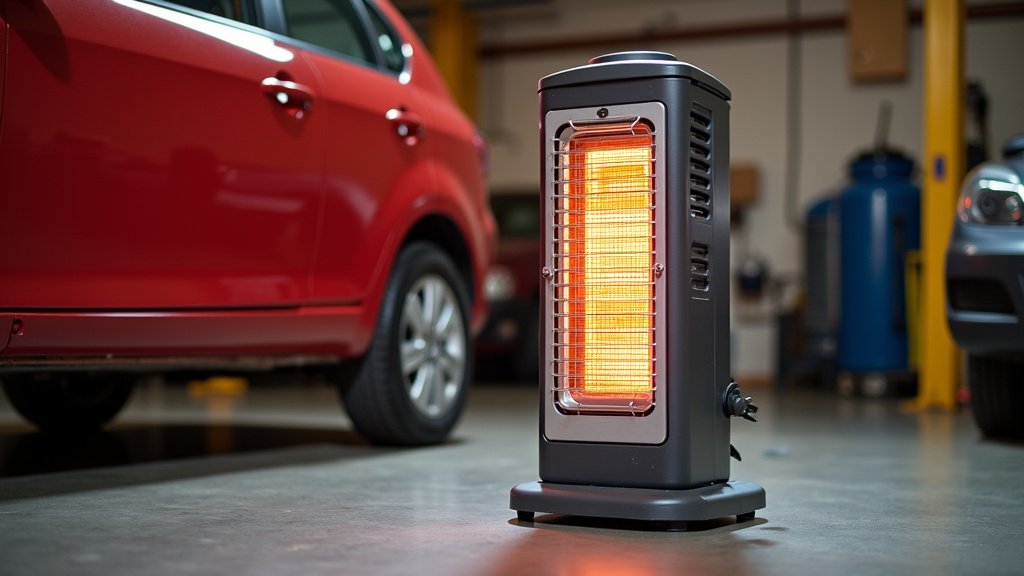
Yes, it can be safe to use a propane heater in a garage, but only if you take specific precautions and use the right type of heater. We found that safety largely depends on proper ventilation and heater features. Never use a propane heater not designed for indoor use.
You might be looking for a way to stay warm while working on projects. Propane heaters offer a great source of portable heat. For a worksite, compare propane heaters for job sites and follow their safety instructions. However, they also come with risks like carbon monoxide poisoning and fire hazards if not used correctly. Understanding these risks is key to keeping your garage safe.
- Proper ventilation is absolutely essential.
- Choose heaters with safety features like oxygen depletion sensors.
- Never leave the heater unattended.
- Store propane tanks safely outside the garage.
Let’s dive into all the details you need to know to heat your garage safely and efficiently. We’ll help you make informed choices.
Is Using a Propane Heater in Your Garage Safe?
Yes, using a propane heater in your garage can be safe, but it absolutely depends on following strict safety guidelines and choosing the right equipment. Your safety is our top priority when heating your workspace.
Understanding the Dangers of Propane Heaters
Propane heaters are convenient, but they carry distinct risks. We need to be aware of these dangers before even thinking about plugging one in.
Carbon Monoxide Poisoning: The Silent Killer
Carbon monoxide (CO) is odorless and invisible. It’s produced when propane doesn’t burn completely. Inhaling CO can be deadly (CDC).
Symptoms often mimic the flu. You might feel dizzy, nauseous, or get a headache. Unfortunately, you won’t smell or see the danger.
This is why proper ventilation and CO detectors are so important. They are your first line of defense against this serious threat.
Fire Hazards and Explosions
Propane is a highly flammable gas. Leaks, even small ones, can lead to fires or explosions. This risk is especially high in enclosed spaces like garages.
Anything that sparks can ignite propane fumes. Think about your car, power tools, or even static electricity. Keeping clear of flammables is a must.
Overheating can also be a problem. Heaters need clearance from walls and other objects. Blocked vents or improper placement can cause trouble.
Oxygen Depletion
Burning propane consumes oxygen from the air. In a sealed garage, this can quickly deplete oxygen levels. Low oxygen can cause headaches, confusion, and even loss of consciousness.
This is where safety features like Oxygen Depletion Sensors (ODS) come in. They shut off the heater if oxygen levels drop too low. We always recommend heaters with this crucial feature.
Choosing the Right Propane Heater for Your Garage
Not all propane heaters are created equal. For garage use, you need a heater specifically designed for indoor or enclosed spaces.
Vent-Free vs. Vented Heaters
This is a big distinction. Vent-free heaters burn propane and release exhaust directly into the room. They are the most common type for garages.
These heaters require significant ventilation. We’re talking about open doors or windows, not just a small crack. They always need an ODS.
Vented heaters, on the other hand, have a flue or chimney. They expel combustion byproducts outside. These are generally safer for continuous indoor use but are less common for portable garage heating.
Key Safety Features to Look For
When you’re shopping for a garage heater, keep an eye out for these essential features. They can truly be lifesavers.
- Oxygen Depletion Sensor (ODS): This is non-negotiable. It automatically shuts off the heater if oxygen levels fall.
- Tip-Over Switch: If the heater accidentally gets knocked over, this switch turns it off. A very useful safety net.
- Overheat Protection: This feature prevents the heater from getting too hot. It helps avoid damage and potential fires.
- Automatic Shut-Off: Some heaters will turn off after a set period. This prevents them from running indefinitely.
Proper Ventilation: Your Most Important Safety Step
We cannot stress this enough: ventilation is king when using a propane heater in your garage. You are introducing exhaust into a semi-enclosed space.
How Much Ventilation Do You Need?
For most vent-free propane heaters, manufacturers recommend opening a window and a garage door. This creates a cross-breeze.
Think of it as creating a chimney effect. Warm air (with CO and water vapor) rises and exits through one opening. Fresh air comes in through another.
A good rule of thumb is at least one square foot of opening for every 4,000 BTUs of heater output. So, for a 20,000 BTU heater, you’d need about 5 square feet of opening.
Even with good ventilation, don’t seal yourself in. Keep those openings clear. You’re creating an airflow that sweeps away harmful gases.
Operating Your Propane Heater Safely
Once you have the right heater and understand ventilation, how do you actually use it without worry?
Placement Matters
Position your heater on a stable, level surface. This prevents accidental tipping. Keep it away from high-traffic areas where it might be bumped.
Maintain proper clearance from all combustible materials. This means walls, boxes, paint cans, and especially gasoline. Read your heater’s manual for exact distances, but generally, at least 3 feet of clear space in all directions is a good starting point.
Never Leave It Unattended
Think of your heater like a lit candle. You wouldn’t leave a candle burning and walk away, right? The same goes for your propane heater.
If you need to step away from the garage, even for a moment, turn off the heater. This simple habit can prevent many accidents.
Regular Maintenance and Inspection
Keep your heater clean. Dust and debris can block air intakes or vents, leading to overheating. Regularly check hoses and connections for leaks.
A simple leak test involves mixing dish soap and water. Apply the solution to connections; if you see bubbles, you have a leak. This should be done frequently.
Storing Propane Tanks Safely
The propane tank itself is a key part of your safety picture. You don’t want to store it indoors, especially not in the garage.
Outdoor Storage is Best
Always store propane tanks outdoors. They should be in a shaded, well-ventilated area, away from direct sunlight or heat sources. This reduces the risk of pressure buildup.
Keep them upright and on a solid surface. Never store them near ignition sources like grills, pilot lights, or electrical outlets.
Connecting and Disconnecting Tanks
When connecting a tank, ensure a tight seal. Hand-tighten connections first, then use a wrench if recommended by the manufacturer. Avoid over-tightening.
Always turn off the heater before disconnecting the tank. Make sure the tank valve is fully closed. Treat empty tanks with the same care as full ones, as they may still contain residual gas.
Carbon Monoxide Detectors: Your Lifeline
We already mentioned CO poisoning. A CO detector is your non-negotiable safety device. Think of it as your guardian angel.
Where to Place Your Detector
Install a battery-operated or plug-in CO detector in your garage. Place it at chest height or according to manufacturer instructions. CO mixes with air, so don’t put it on the floor or ceiling.
You should also have one inside your home, especially if the garage is attached. This provides a double layer of protection. Test your detector regularly, just like your smoke alarms.
Here’s a quick checklist to help you stay safe:
- Choose a propane heater with ODS, tip-over switch, and overheat protection.
- Ensure ample ventilation (open a door and window).
- Install and regularly test a carbon monoxide detector in your garage.
- Always keep the heater clear of flammable materials (at least 3 feet).
- Never leave the heater running unattended.
- Store propane tanks outdoors, away from heat and direct sunlight.
Comparing Garage Heating Options (Table)
Let’s quickly compare propane heaters to a couple of other common garage heating solutions. This helps you see where propane stands.
| Heating Method | Pros | Cons | Safety Considerations |
|---|---|---|---|
| Propane Heater | Portable, high heat output, no electricity needed. | Requires ventilation, CO risk, fire risk if not handled well. | CO detector, ODS, proper storage, ventilation. |
| Electric Heater | No CO risk, no fumes, quiet. | Lower heat output, requires adequate electrical circuit, higher operating cost. | Overheat protection, proper circuit, avoid extension cords. |
| Natural Gas Heater (Vented) | Lower operating cost, constant heat, no tanks. | Requires professional installation, not portable, utility connection needed. | Professional installation, regular maintenance, CO detector. |
As you can see, each option has its trade-offs. For portability and power, propane is hard to beat, but it demands your full attention to safety.
Conclusion
Using a propane heater in your garage can be safe and effective for heating your workspace. You’ve learned that it hinges entirely on making smart choices and following safety rules. We found that picking a heater with features like ODS, ensuring ample ventilation, and always having a CO detector are non-negotiable steps. Your diligence in these areas directly impacts your safety and comfort.
Always prioritize safety over convenience. By understanding the risks and taking the right precautions, you can enjoy a warm garage for your projects. So, go ahead and prepare your garage, knowing you have the knowledge to heat it safely.
Frequently Asked Questions
Is it okay to run a propane heater all night in a garage?
No, it is not recommended to run a propane heater all night, especially in a garage. These heaters should never be left unattended. We strongly advise turning them off if you plan to sleep or leave the area for an extended period.
How do I know if my garage has enough ventilation for a propane heater?
For most vent-free propane heaters, you need to create a cross-breeze by opening a window and a garage door. A good guideline is at least one square foot of opening for every 4,000 BTUs your heater produces. Always check your heater’s manual for specific ventilation requirements.
Can I use a propane heater if my garage is attached to my house?
Yes, you can use a propane heater in an attached garage, but extra caution is needed. Ensure proper ventilation, use a CO detector in the garage, and install another one inside your home near the garage entrance. This provides an additional layer of protection for your living space.
What kind of propane heater is best for a garage?
For garage use, we recommend a vent-free propane heater that is specifically rated for indoor or enclosed spaces. Look for models equipped with an Oxygen Depletion Sensor (ODS), a tip-over switch, and overheat protection. These features are critical for your safety.
How often should I check my propane heater for leaks?
You should inspect your propane heater and its connections for leaks before each use and periodically during operation. A simple soap and water solution applied to connections will reveal bubbles if there’s a leak. This quick check is vital for preventing gas hazards.