Can You Use a Propane Heater Indoors?
On this page (3 sections)
No, you generally should not use a propane heater indoors without proper ventilation. These heaters produce carbon monoxide, a dangerous gas you can’t see or smell. Using them inside can be a serious safety risk.
Many people wonder about indoor heating options, especially during cold weather or power outages. While a propane heater can be incredibly efficient outdoors, bringing it inside requires extreme caution. You need to understand the dangers involved and how to avoid them.
- Propane heaters release carbon monoxide, which is deadly.
- You need proper ventilation to use them safely indoors.
- Specific indoor-rated models exist, but they have strict requirements.
- Always check for safety features like oxygen depletion sensors.
- Never use an outdoor-only propane heater inside your home.
We’re here to help you understand why this is such a critical safety issue. Let’s walk through everything you need to know about using a propane heater indoors.
Understanding Indoor Propane Heater Safety
You’re probably wondering about the specifics of using propane heaters indoors. It’s a question many people ask, especially when facing cold temperatures or power outages. The simple answer is that most propane heaters are not safe for indoor use, or require very specific conditions. It all comes down to understanding the risks.
The Silent Killer: Carbon Monoxide (CO)
The biggest danger with using any combustion appliance indoors, including propane heaters, is carbon monoxide (CO) production. CO is a colorless, odorless gas. You can’t see it, taste it, or smell it. This is why it’s often called “the silent killer.”
When propane burns, it needs oxygen. If there isn’t enough fresh air, the combustion process becomes incomplete. This incomplete burning creates carbon monoxide instead of less harmful carbon dioxide. CO then builds up in your indoor space.
Breathing in carbon monoxide prevents your blood from carrying oxygen. This starves your vital organs, like your brain and heart, of the oxygen they need to function. Symptoms can range from headaches and dizziness to nausea, confusion, and eventually death (CDC).
- Early symptoms include headache, dizziness, and fatigue.
- Worsening symptoms can be nausea, vomiting, and confusion.
- Severe poisoning leads to loss of consciousness and death.
The Role of Oxygen Depletion
Beyond carbon monoxide, propane heaters also consume oxygen from the air. In a sealed indoor space, this can lead to oxygen depletion. As the oxygen levels drop, the heater’s efficiency decreases, and the risk of CO production increases. It’s a dangerous cycle.
Types of Propane Heaters and Their Indoor Suitability
Not all propane heaters are created equal when it comes to indoor use. It’s really important to know the difference. There are outdoor-only models, and then there are specific indoor-rated models. Confusing the two can have severe consequences.
Outdoor-Only Propane Heaters
These heaters are designed for open-air environments. Think patio heaters, construction site heaters, or grills. They usually have an open flame and no direct ventilation system. They release all combustion byproducts, including carbon monoxide, directly into the surrounding air.
You should never use an outdoor-only propane heater indoors. Doing so will quickly fill your home with dangerous levels of carbon monoxide. The risks are too high to ignore.
Indoor-Rated Propane Heaters (Vent-Free or Unvented)
Some propane heaters are specifically designed and approved for indoor use. These are often called vent-free or unvented heaters. They are designed to burn propane very cleanly, producing minimal carbon monoxide when operating correctly.
However, “minimal” doesn’t mean “zero.” Even these heaters still produce some CO and consume oxygen. That’s why they come with very strict usage guidelines and safety features. You must read the manufacturer’s instructions carefully.
Safety Features on Indoor-Rated Heaters
If you’re considering an indoor-rated propane heater, look for these crucial safety features:
- Oxygen Depletion Sensor (ODS): This is a vital safety device. It automatically shuts off the heater if oxygen levels in the room drop to unsafe levels. This helps prevent carbon monoxide buildup.
- Tip-Over Switch: This feature turns off the heater if it gets knocked over, reducing fire risk.
- Overheat Protection: Shuts off the heater if it gets too hot.
Even with these features, proper ventilation is still critical. An ODS is a backup, not a substitute for fresh air.
Strict Guidelines for Using Indoor-Rated Propane Heaters
If you choose to use an indoor-rated propane heater, you must follow specific rules. These aren’t suggestions; they are absolute requirements for your safety.
- Ensure Adequate Ventilation: This is non-negotiable. Manufacturers typically recommend opening a window or door at least one inch for every 20,000 BTUs of heater output. This ensures a constant supply of fresh air.
- Install Carbon Monoxide Detectors: You need working CO detectors on every level of your home, especially near sleeping areas. These are your early warning system. Test them regularly!
- Follow Manufacturer’s Instructions Precisely: Every heater model has specific requirements regarding room size, clearance from combustibles, and usage duration. Do not guess.
- Never Use While Sleeping: Even indoor-rated heaters are not recommended for use while you are sleeping. If a malfunction occurs, you won’t be awake to detect it.
- Keep Away from Combustibles: Maintain clear distances from curtains, furniture, bedding, and anything else that can catch fire.
- Supervise Children and Pets: Heaters can be hot and pose a burn risk.
Why Ventilation is Your Best Friend
Imagine your house is like a giant sealed container. When you light a propane heater inside, it starts to consume the air’s oxygen and release exhaust gases. Without a way for fresh air to come in and stale air to go out, those gases, including carbon monoxide, will build up.
Ventilation creates an air exchange. It allows the dangerous gases to escape and fresh, oxygen-rich air to enter. Think of it like taking a breath of fresh air yourself – your house needs to do the same. Even a small opening can make a big difference, but always consult your heater’s manual for specific ventilation needs.
Comparing Indoor Heating Options
It’s helpful to see how propane heaters stack up against other common heating methods, especially for indoor use during emergencies. This table compares a few options based on their indoor safety profile.
| Heating Method | Primary Fuel | Indoor Safety (General) | Key Considerations |
|---|---|---|---|
| Vent-Free Propane Heater | Propane | Conditional (with ODS, ventilation, CO detector) | Consumes oxygen, produces some CO, requires strict adherence to guidelines. |
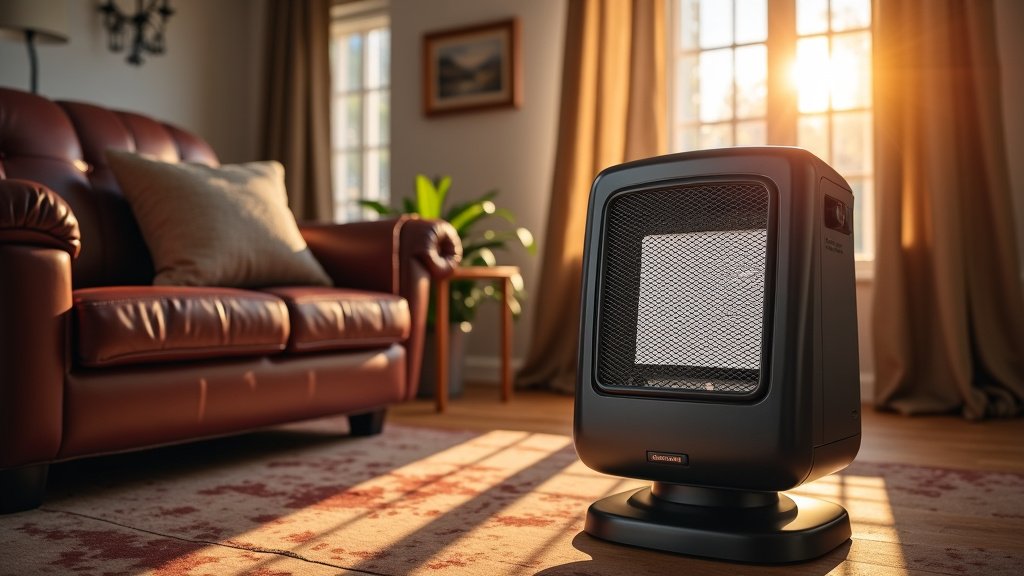
| Electric Space Heater | Electricity | Generally Safe | No CO, no oxygen depletion. Fire risk if overloaded circuits or near combustibles. |
| Kerosene Heater | Kerosene | Conditional (requires excellent ventilation, specific fuel) | Produces CO and other fumes. Strong odors. Requires specific grade of fuel. |
| Wood Stove (Vented) | Wood | Generally Safe (if properly vented) | Requires proper chimney/ventilation, maintenance, and fire safety. |
| Outdoor-Only Propane Heater | Propane | Extremely Dangerous | High CO production, never use indoors. |
Your Indoor Propane Heater Safety Checklist
Before you even think about firing up an indoor-rated propane heater, run through this quick checklist. Your safety is paramount!
- Is this heater specifically labeled and approved for indoor, vent-free use?
- Does it have a functional Oxygen Depletion Sensor (ODS)?
- Are you operating it in a well-ventilated space (open window/door as per manual)?
- Do you have working carbon monoxide detectors installed in your home?
- Have you read the manufacturer’s instructions thoroughly for clearances and usage limits?
- Will you supervise the heater and never use it while sleeping?
If you answered “no” to any of these questions, please reconsider your heating method. There are safer alternatives, or you need to address the safety concern immediately.
Remember, manufacturers have a reason for putting those warning labels on their products. They’re not there to scare you, but to protect you from very real hazards. Taking shortcuts with heating safety can have devastating consequences. Always err on the side of caution.
Conclusion
You’ve learned that using propane heaters indoors is rarely straightforward. While outdoor models are an absolute no-go inside, even indoor-rated heaters come with significant risks. Your safety hinges on understanding carbon monoxide dangers, ensuring constant ventilation, and using proper safety features like ODS and CO detectors. Always prioritize your well-being over temporary warmth.
Before you ever light a propane heater indoors, review this article and check that all safety guidelines are met. If in doubt, choose a safer alternative to keep yourself and your loved ones warm.
Frequently Asked Questions
Can a propane heater deplete oxygen in a room very quickly?
Yes, a propane heater actively consumes oxygen as it burns. In a poorly ventilated or sealed room, it can deplete the oxygen supply relatively quickly, which also increases the risk of carbon monoxide production. This is why proper ventilation is so critical.
What are the immediate signs of carbon monoxide poisoning to watch for?
The early symptoms of carbon monoxide poisoning are often subtle and can mimic the flu. Look out for headaches, dizziness, nausea, fatigue, and shortness of breath. If you suspect CO poisoning, immediately move to fresh air and seek medical attention.
Is it ever safe to use an outdoor propane heater inside for “just a little while?”
No, it is never safe to use an outdoor-only propane heater inside, not even for a short period. These heaters release high levels of carbon monoxide that can quickly become fatal in an enclosed space. The risks far outweigh any potential benefit.
How far away from walls or furniture should an indoor-rated propane heater be?
The exact clearance distance will vary by manufacturer and model. You must always refer to your heater’s specific instruction manual for precise guidelines on safe distances from combustible materials like walls, curtains, and furniture. Never guess these distances.
Do electric heaters have the same risks as propane heaters for indoor use?
No, electric heaters do not pose the same risks as propane heaters. They do not produce carbon monoxide or deplete oxygen, as they operate without combustion. However, electric heaters still carry fire risks if used improperly, such as overloading circuits or placing them too close to flammable items.