Is It Safe to Use a Space Heater Near Curtains?
On this page (7 sections)
No, it is generally not safe to use a space heater near curtains. Curtains are often made of flammable materials and can easily catch fire if they come into contact with the heater’s hot surfaces or radiant heat. Always maintain a safe distance between your space heater and any fabric or combustible items to prevent a fire hazard.
Space heaters are a great way to supplement your home’s heating. However, improper use can lead to serious accidents. We found that many fires caused by space heaters involve them being placed too close to flammable items like curtains, blankets, or furniture. Keeping a minimum clearance of at least three feet is a widely recommended safety practice by fire experts and organizations.
- Space heaters near curtains are a fire risk.
- Keep heaters at least 3 feet away from anything flammable.
- Always place heaters on a flat, stable surface.
- Look for heaters with auto shut-off features.
Let’s walk through exactly how to keep your space heater use safe and cozy this season.
Keeping Your Space Heater Safe: A Practical Guide
Using a space heater can be a smart way to warm up a chilly room. But you might be wondering if it’s okay to place one near your curtains. We’ve looked into this, and the short answer is: it’s not ideal.
Curtains are often made from materials that can ignite easily. Think about it – they hang right there, potentially blocking airflow or getting brushed by a draft. If they touch a hot heater or get too much radiant heat, a fire could start surprisingly fast. We found that fire departments often cite proximity to flammable items as a major cause of space heater fires.
Understanding the Fire Risk with Curtains
Why are curtains such a concern? Well, they can be made of a variety of fabrics. Some are synthetic, like polyester, which can melt and then ignite. Others are natural, like cotton or linen, which are quite flammable. Have you ever noticed how quickly a cotton ball can catch a spark? Curtains can behave similarly when exposed to enough heat.
The heat from a space heater radiates outwards. Even if the curtain doesn’t directly touch the heater, prolonged exposure to this radiant heat can eventually cause the fabric to reach its ignition point. We found that older curtains or those that have been washed many times might be even more susceptible to damage and fire. It’s a risk we’d rather avoid.
The Role of Fabric Type and Proximity
Different fabrics have different ignition temperatures. Heavier, denser fabrics might take longer to heat up, but they can still burn intensely once they do. Lighter, sheer curtains can catch fire much faster. What’s most important is the distance between the heater and the fabric.
Many fire safety experts recommend a minimum clearance of at least three feet. This applies to curtains, as well as blankets, furniture, and even piles of paper. Think of it like cooking: you wouldn’t place a dish towel directly on a hot stove burner. The same principle applies here. We found that adhering to this three-foot rule is a top recommendation from the National Fire Protection Association (NFPA).
Heater Types and Their Specific Hazards
Different types of space heaters pose slightly different risks. Understanding these can help you place them more safely.
Radiant Heaters
These heaters emit heat directly in front of them, much like the sun. They have a glowing element that gets very hot. If a curtain drifts into this direct heat path, it can quickly become a problem. You need to be especially mindful of where the radiant heat is directed.
Convection Heaters
These heaters warm the air around them, which then circulates. While they don’t have an exposed glowing element, their surfaces can still get quite hot. The warm air rising can also carry dust and lint, which could potentially be ignited if they come into contact with a hot surface. The heat is more distributed, but proximity is still a concern.
Ceramic Heaters
Ceramic heaters use an electric element that heats a ceramic plate. This plate then heats the air. Like convection heaters, their surfaces can become hot to the touch. Many have safety features, but the fundamental risk of proximity remains. We found that even with modern designs, the basic rules of safe placement are universal.
Best Practices for Space Heater Placement
So, if not right next to the curtains, where should you put your space heater? The goal is to provide warmth without creating a fire hazard. We looked at what fire safety professionals advise, and it all comes down to keeping things a safe distance away from potential ignition sources.
Maintaining a Safe Clearance: The Three-Foot Rule
This is the golden rule. We cannot stress this enough: keep your space heater at least three feet away from anything flammable. This includes curtains, drapes, upholstered furniture, bedding, clothing, rugs, and even trash cans. This distance allows for adequate airflow and prevents fabrics from getting too hot.
Imagine your space heater is like a small campfire. You wouldn’t build a campfire right next to your tent, would you? You’d clear a wide area around it. The three-foot rule acts as your fire-free zone for the heater. Many sources, including the U.S. Fire Administration, consistently highlight this recommendation.
Choosing the Right Location in Your Room
Place your space heater on a hard, flat, level surface. This prevents it from tipping over. Never place it on soft surfaces like beds, sofas, or carpets, as this can block the air intake or exhaust, leading to overheating. You want to ensure stable footing for the heater.
Consider the layout of your room. If your curtains are near an electrical outlet, you might be tempted to plug the heater in there. However, you still need to ensure the heater itself is positioned safely. We found that thinking about the overall room setup and traffic flow helps avoid accidental bumps or knocks.
Using Extension Cords: A Word of Caution
Space heaters draw a lot of power. Using the wrong type of extension cord, or any extension cord at all, can be dangerous. Many manufacturers advise against using extension cords with space heaters altogether. If you must use one, make sure it’s heavy-duty and rated for the wattage of your heater. We found that plugging the heater directly into a wall outlet is always the safest bet.
Features to Look for in a Safe Space Heater
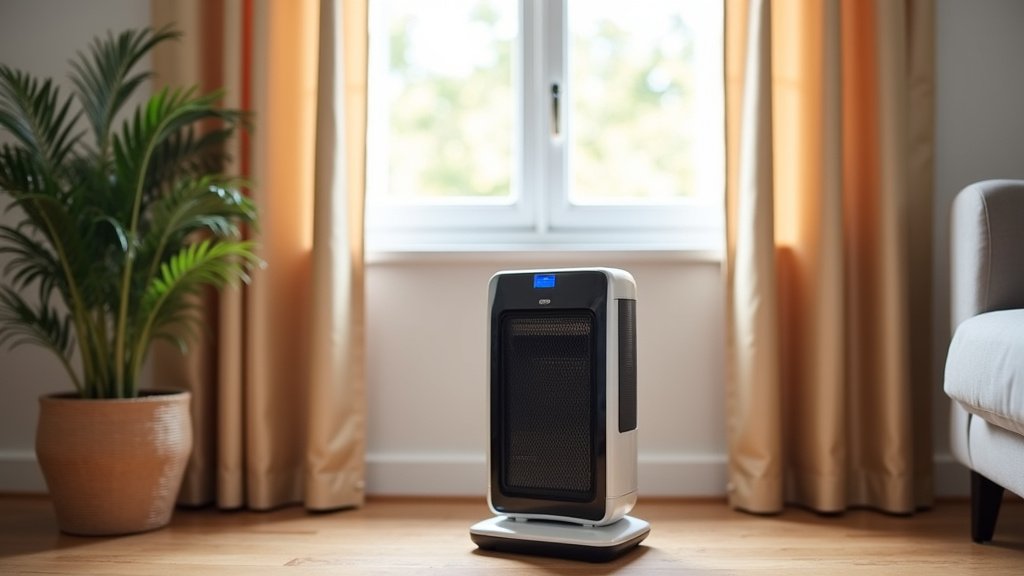
When you’re choosing a space heater, safety features should be at the top of your list. Modern heaters come with built-in protections that can significantly reduce the risk of accidents. Before bed, review space heater safety while sleeping. What should you be looking for?
Automatic Shut-Off Mechanisms
This is a big one. Look for heaters that have an automatic shut-off feature. This typically includes:
- Tip-over protection: If the heater is knocked over, it will automatically turn off. This is incredibly useful if you have pets or children, or even just a clumsy moment.
- Overheat protection: If the heater’s internal temperature gets too high, it will shut down. This can prevent serious damage and potential fires.
We found that these features are not just nice-to-haves; they are essential for responsible space heater use. The Consumer Product Safety Commission (CPSC) strongly recommends looking for these safety mechanisms.
Modern Heating Elements
Some newer models use ceramic heating elements, which can be safer than older exposed-coil designs. While all heaters produce heat, the way they generate and distribute it can affect the risk. We found that even with advanced elements, maintaining clearance is still key.
A Quick Safety Checklist for Your Space Heater
To make sure you’re using your space heater as safely as possible, here’s a handy checklist:
- Always place your heater on a flat, stable surface, away from walkways.
- Ensure there is at least three feet of clear space around the heater.
- Keep curtains, bedding, and other flammable materials well away.
- Never leave a space heater unattended when it’s turned on.
- Inspect the heater’s cord and plug for any damage before each use.
- Consider using a heater with tip-over and overheat protection.
By following these simple steps, you can enjoy the comfort of a space heater without unnecessary risks. We’ve found that a little attention to safety makes all the difference.
Conclusion
We’ve covered why keeping your space heater away from curtains is so important. The risk of fire is real, especially with flammable fabrics like those often used in curtains. Remember that maintaining a safe distance of at least three feet is your best defense. Always place your heater on a stable surface and look for those essential auto shut-off features.
Prioritize these simple safety steps this season. You can enjoy the extra warmth and coziness your space heater provides by being mindful of placement and features. Go check your heater’s location right now to ensure it’s a safe distance from any drapes!
Frequently Asked Questions
What’s the absolute minimum distance a space heater should be from curtains?
Fire safety experts consistently recommend a minimum clearance of three feet between your space heater and curtains. This distance helps prevent the curtains from reaching their ignition point due to radiant heat. It also allows for proper airflow around the heater.
Are ceramic heaters safer to use near curtains than other types?
While ceramic heaters can have safer surfaces, they still produce heat. The fundamental risk of proximity to flammable materials like curtains remains the same. We found that no matter the heater type, maintaining that three-foot distance is essential for preventing fires.
What if my curtains are made of fire-resistant material?
Even fire-resistant materials can ignite under prolonged exposure to high heat. It’s always best to err on the side of caution. We found that fire departments still advise keeping heaters a safe distance from all curtains, regardless of their material.
Can a space heater cause curtains to ignite even if they don’t touch?
Yes, absolutely. Space heaters emit radiant heat that travels outwards. If curtains are too close, this consistent heat can gradually warm the fabric to its ignition temperature, even without direct contact. This is why maintaining clear space is so critical.
What should I do if my space heater cord is too short to keep it three feet from curtains?
We strongly advise against using extension cords with space heaters, as they can overheat. If your cord is too short, it means your current heater placement isn’t safe. You’ll need to find a different location in the room or consider a heater with a longer cord. Your safety is more important than convenience.