Is It Safe to Run a Space Heater While Sleeping?
On this page (8 sections)
- Running Space Heaters Overnight: Is It a Safe Practice?
- Understanding the Risks of Unattended Space Heaters
- Safety Features to Look For in Space Heaters
- Best Practices for Using Space Heaters Safely
- Safer Alternatives for Overnight Warmth
- Quick Safety Checklist for Space Heater Use
- Conclusion
- Frequently Asked Questions
No, it is generally not recommended to run a space heater while you sleep. While they can offer cozy warmth, unattended heaters pose a significant fire risk, especially older models or those placed too close to flammable items like bedding or curtains. Safety experts strongly advise against leaving them on overnight.
Many people wonder about the safety of using space heaters for continuous warmth, especially during cold nights. While modern heaters have improved safety features, the risk of malfunctions or accidents remains. It’s important to understand the potential dangers and best practices to ensure your home remains safe and warm.
- Space heaters are generally not safe to run while sleeping.
- They pose a fire hazard if left unattended.
- Always place heaters away from flammable materials.
- Check for safety certifications like UL or ETL.
- Consider safer alternatives for overnight heating.
Let’s walk through the risks and what you can do to stay warm safely.
Running Space Heaters Overnight: Is It a Safe Practice?
Running a space heater while you’re asleep is generally not recommended by safety experts. While the thought of a toasty warm room all night is appealing, the risks can outweigh the comfort. You want to be sure you’re staying warm without putting your home or yourself in danger.
We understand wanting to stay warm when the temperatures drop. Space heaters can be a quick way to heat a specific area. But when you’re not actively awake and aware, certain risks can become much more serious. Let’s look at why this is a concern.
Understanding the Risks of Unattended Space Heaters
The biggest concern with running a space heater while sleeping is the potential for fire. When you’re asleep, you can’t react quickly if something goes wrong. A malfunctioning heater or an accident could lead to a devastating fire before you even know there’s a problem.
Research from the U.S. Fire Administration consistently shows that heating equipment is a leading cause of home fires. Space heaters, in particular, account for a substantial percentage of these fires when they aren’t used correctly. They are designed for temporary use, not as a constant source of heat.
Fire Hazards Associated with Space Heaters
Space heaters generate heat, and this heat can ignite nearby flammable materials. Think about your bedding, curtains, clothing, or even a stack of mail. If these items get too close, they can easily catch fire. The airflow from the heater can also spread embers or sparks.
Another risk is the tip-over hazard. Many space heaters are lightweight and can be knocked over easily, especially if you have pets or if they’re placed on uneven surfaces. When a heater tips over, it can overheat and potentially start a fire, particularly if it lands on something flammable.
Electrical malfunctions are also a concern. Older heaters, or those with frayed cords or damaged casings, can present an electrical hazard. These issues might not be apparent until the heater is turned on, and they can lead to overheating or electrical fires.
Carbon Monoxide Poisoning Risks
While most modern electric space heaters don’t produce carbon monoxide (CO), some older or specific types might. Gas or kerosene heaters, if not properly vented and maintained, can release CO. This is a colorless, odorless gas that is extremely dangerous, especially when you’re sleeping and can’t detect it.
The Centers for Disease Control and Prevention (CDC) warns that CO poisoning can cause flu-like symptoms, dizziness, and confusion. At high levels, it can be fatal. If you use a fuel-burning space heater, ensuring proper ventilation is absolutely critical.
Safety Features to Look For in Space Heaters
Modern space heaters come with safety features designed to reduce risks. Knowing what to look for can help you make a safer choice if you decide to use one, though the recommendation against overnight use still stands.
Automatic Shut-Off Mechanisms
Many newer heaters have an automatic shut-off feature. This is often a sensor that detects when the heater has tipped over. If it senses the unit is not upright, it will automatically turn off the heating element. This is a critical safety improvement.
Another type of shut-off is an overheat protection system. If the internal temperature of the heater gets too high, this system will shut it down. This helps prevent fires caused by internal malfunctions or obstructions. Always check the product description for these features.
Certifications for Safety
Look for space heaters that have been tested and certified by independent organizations. Common certifications include UL (Underwriters Laboratories) or ETL (Intertek). These marks mean the product has met specific safety standards.
When you see the UL or ETL mark, it indicates that the heater has undergone rigorous testing for fire resistance, electrical safety, and overall performance. Buying a certified heater is a good first step in ensuring it’s built with safety in mind.
Best Practices for Using Space Heaters Safely
If you choose to use a space heater, even for short periods when you’re awake, following strict safety guidelines is essential. These practices can minimize the risks associated with their use.
Placement is Key: The 3-Foot Rule
Always keep your space heater at least three feet away from anything flammable. For more on one common hazard, read about space heaters near curtains. This includes furniture, bedding, curtains, paper, and clothing. Think of it as creating a “safety zone” around the heater where nothing combustible can get too close.
Avoid placing heaters in high-traffic areas where they could be easily bumped or knocked over. Also, never place them on top of furniture or other objects that could block the air intake or vent, potentially causing overheating.
Never Leave Them Unattended
This is the golden rule: never leave a space heater running when you leave the room or go to sleep. Even if it has all the safety features, an unexpected malfunction can still occur. Your presence allows you to quickly address any issues that arise.
If you feel cold while watching TV or reading in another room, use the heater there. But once you’re ready to head to bed, turn it off. It’s a simple habit that significantly reduces fire risk.
Regular Inspection and Maintenance
Before each use, especially at the start of the cold season, inspect your space heater. Check the power cord for any fraying, cracks, or damage. Ensure the plug fits snugly into the outlet.
Clean the heater according to the manufacturer’s instructions. Dust and debris can accumulate on the heating elements or in the vents, which can be a fire hazard. If you notice any damage, do not use the heater. Consider replacing it.
Use the Right Heater for the Right Space
Not all space heaters are created equal. For instance, ceramic heaters tend to heat a room more evenly, while oil-filled radiators provide a more radiant, lasting heat. Radiant heaters are good for spot heating, but their elements can get very hot.
Choose a heater that is the appropriate size for the room you need to heat. An oversized heater can overheat the space, while an undersized one might run constantly without effectively warming the area, potentially leading to wear and tear.
Electrical Safety Considerations
Always plug space heaters directly into a wall outlet. Never use an extension cord or a power strip with a space heater. These are not designed to handle the high electrical load that heaters require and can overheat, melt, or even cause a fire.
Make sure the outlet you are using is in good condition. If the outlet feels hot to the touch after the heater has been running for a while, or if it sparks, stop using it immediately and have it inspected by a qualified electrician.
Safer Alternatives for Overnight Warmth
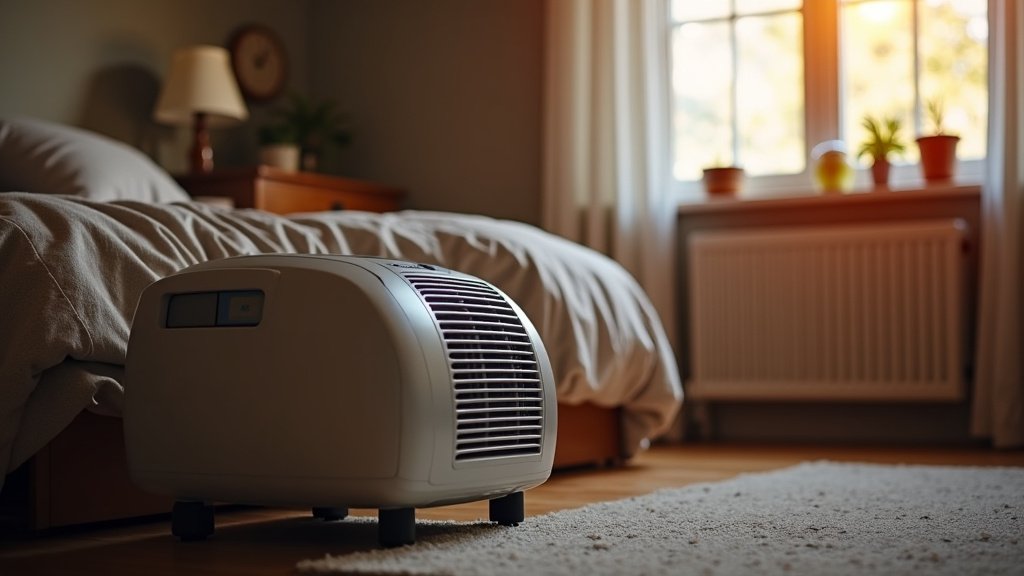
If you’re looking for ways to stay warm through the night without the risks of an unattended space heater, several options can help. Think about making your bedroom a warm sanctuary before you turn in.
Improve Insulation and Seal Drafts
Sometimes, the issue isn’t a lack of heat but heat escaping your home. Check for drafts around windows and doors. Use weatherstripping or caulk to seal any gaps. Ensuring your attic and walls are well-insulated can also make a big difference.
A well-insulated home will retain heat more effectively, meaning your central heating system (if you have one) won’t have to work as hard, and your bedroom will stay warmer longer.
Use Blankets and Layered Bedding
This might sound simple, but it’s incredibly effective. Layering your bedding with blankets, duvets, and even a warm mattress topper can trap body heat and keep you snug. Consider a down comforter or a fleece blanket for extra warmth.
You can also wear warm pajamas or thermal underwear to bed. A warm hat can prevent heat loss from your head, which is surprising effective for many people.
Consider a Heated Mattress Pad or Blanket
These products are designed with safety in mind for overnight use. They have been tested and certified for this purpose and feature multiple safety mechanisms, including automatic shut-offs and overheat protection. They heat your bed directly, providing warmth where you need it most.
Remember to follow the manufacturer’s instructions carefully and inspect them regularly for any signs of damage. These can be a much safer way to get personalized warmth while you sleep.
Utilize Your Home’s Central Heating System Wisely
If you have a central heating system, consider using a programmable thermostat. You can set it to lower the temperature while you’re away or asleep and then raise it before you wake up or come home. This saves energy and money while ensuring you’re comfortable when you need to be.
Some modern systems also allow you to control temperatures room by room, which is ideal for ensuring your bedroom is the perfect temperature without heating unused areas of your home excessively.
Quick Safety Checklist for Space Heater Use
Here’s a quick rundown to keep in mind:
- Place it safely: Keep heaters at least 3 feet from anything flammable.
- Supervise its use: Never leave a running heater unattended.
- Check for certification: Buy heaters with UL or ETL labels.
- Inspect cords: Ensure the power cord is not damaged.
- Plug directly in: Never use an extension cord or power strip.
- Turn it off: Always switch it off before leaving the room or sleeping.
Conclusion
When it comes to staying warm on a cold night, your safety is the top priority. While space heaters offer targeted warmth, running them overnight while you’re asleep is a risk that safety experts strongly advise against. The potential for fire hazards and malfunctions means that an unattended heater can quickly turn a cozy evening into a dangerous situation.
You’ve learned about the risks, like fire hazards and potential CO poisoning, and the essential safety features to look for. Always remember the 3-foot rule and never use extension cords. If you’re seeking overnight warmth, consider safer alternatives like heated mattress pads or improving your home’s insulation. Make a plan to prioritize your well-being by turning off heaters before you sleep.
Frequently Asked Questions
Can a space heater cause a fire even if it has an automatic shut-off?
Yes, it’s possible, though much less likely with modern, certified heaters. Automatic shut-off features are excellent safety measures, but no device is entirely foolproof. Unexpected electrical faults or extreme misuse could still pose a risk. Always follow all safety guidelines, including never leaving it unattended.
Are oil-filled space heaters safer to run overnight than other types?
Oil-filled radiators tend to heat up more slowly and retain heat longer, making their surfaces less intensely hot. However, they still pose a fire risk if placed too close to flammable materials or if they malfunction. The recommendation against running any space heater unattended overnight still applies, regardless of type.
What’s the biggest mistake people make when using space heaters?
The most common and dangerous mistake is leaving a space heater running unattended, especially while sleeping or when leaving the room. This completely removes your ability to react to a problem, turning a minor issue into a potential disaster. Always turn it off when you’re not actively supervising it.
How can I tell if my space heater is too old or unsafe to use?
Look for signs of wear and tear on the power cord, such as fraying or cracks. If the heater has any dents, rust, or smells like burning plastic when it operates, it’s likely time for a replacement. Also, if it lacks modern safety features like tip-over protection, it might be considered outdated.
Is it okay to use a space heater in a small bathroom while I shower?
No, it’s generally not recommended to use electric space heaters in bathrooms, especially when showering. Bathrooms are high-moisture environments, and mixing electricity and water creates a severe shock hazard. Always ensure heaters are kept far away from water sources and never used in damp or wet conditions.