Is It Safe to Install a Wood Stove Close to a Wall?
On this page (9 sections)
- Wood Stove Proximity: Keeping Walls Safe
- Understanding Wood Stove Clearances
- Manufacturer Specifications: Your First Stop
- National Fire Protection Association (NFPA) Guidelines
- Reducing Clearances with Heat Shielding
- Stovepipe Clearances: Don’t Forget the Chimney!
- Your Wood Stove Installation Checklist
- Conclusion
- Frequently Asked Questions
Yes, it is safe to install a wood stove close to a wall, but only if you follow strict clearance guidelines. These rules are in place to prevent fires. You must always use approved materials and proper installation techniques.
When installing a wood stove, the distance to combustible materials is a critical safety factor. Ignoring these requirements can lead to dangerous heat buildup. Many experts emphasize that proper shielding and air gaps are essential for safety.
- Wood stoves need space from walls.
- Clearance is key to fire prevention.
- Always check manufacturer instructions.
- Use heat shields if needed.
- Professional installation is often best.
Below, we break down exactly how to determine the correct clearances and ensure your wood stove installation is safe and sound.
Wood Stove Proximity: Keeping Walls Safe
You want to install a wood stove, but you’re wondering about placing it near a wall. This is a common concern, and rightly so! Safety is always the top priority when it comes to heating your home with fire. The good news is that it is generally safe to install a wood stove close to a wall, but it absolutely requires careful planning and adherence to strict rules.
The key is understanding and implementing proper clearance distances and using appropriate heat protection. If considering an older unit, review antique wood stove safety too. Ignoring these guidelines can create a serious fire hazard by allowing heat to build up. Many experts agree that proper shielding and air gaps are essential for safety when installing wood stoves.
Understanding Wood Stove Clearances
Wood stoves get incredibly hot, especially their surfaces. This heat can easily ignite nearby combustible materials like wood framing, drywall, or even wallpaper. That’s why there are specific rules about how close a stove can be to these materials.
Why Are Clearances So Important?
Think of it like this: you wouldn’t place a lit candle right next to a pile of dry leaves. The same principle applies to your wood stove. Its radiant heat can travel a surprising distance and transfer heat to surrounding surfaces. Over time, this can heat materials beyond their ignition point, leading to a fire. These clearances ensure there’s enough space for air to circulate and dissipate heat, keeping your walls cool.
What Are Combustible Materials?
These are any materials that can catch fire and burn. This includes:
- Wood framing and studs
- Drywall (gypsum board)
- Insulation (especially older types)
- Paneling and wood trim
- Upholstered furniture
- Curtains and draperies
- Even some types of flooring if they are too close.
It’s crucial to identify all combustible materials in the area where you plan to install your stove.
Manufacturer Specifications: Your First Stop
The most important document you’ll consult is the owner’s manual for your specific wood stove model. For a glass-roofed room, also check wood stove conservatory requirements. Manufacturers test their stoves thoroughly and provide detailed clearance requirements based on their design and testing.
Reading Your Stove’s Manual
Don’t skip this step! The manual will have diagrams and charts showing the minimum safe distances from the stove’s top, sides, rear, and front to combustible materials. These clearances are usually measured in inches. Always follow these instructions precisely.
What If You Can’t Find the Manual?
If you purchased a used stove or lost the manual, you can often find a digital copy on the manufacturer’s website. If you’re still having trouble, contact the manufacturer directly. They can usually provide the specifications you need. Trying to guess or estimate clearances is a recipe for disaster.
National Fire Protection Association (NFPA) Guidelines
Beyond the manufacturer’s manual, national codes provide important safety standards. The National Fire Protection Association (NFPA) publishes codes that are widely adopted and referenced. NFPA 211 is the standard for Chimneys, Fireplaces, Vents, and Solid Fuel-Burning Appliances.
Key NFPA Recommendations
NFPA 211 generally recommends specific clearances. While manufacturers might offer reduced clearances if you use approved heat shielding, the base requirements are usually quite substantial. For example, clearances from the stove and stovepipe to combustible surfaces are often detailed.
We found that NFPA guidelines often align with manufacturer recommendations but provide a broader safety net. They are considered the benchmark for safe installation practices across the United States.
Local Building Codes Matter Too
Always remember that your local building codes and fire department regulations take precedence. Some areas may have stricter requirements than national standards. It’s wise to check with your local building department Always check with your local building department to ensure compliance with all applicable local building codes.before you begin installation. They can confirm all applicable rules.
Reducing Clearances with Heat Shielding
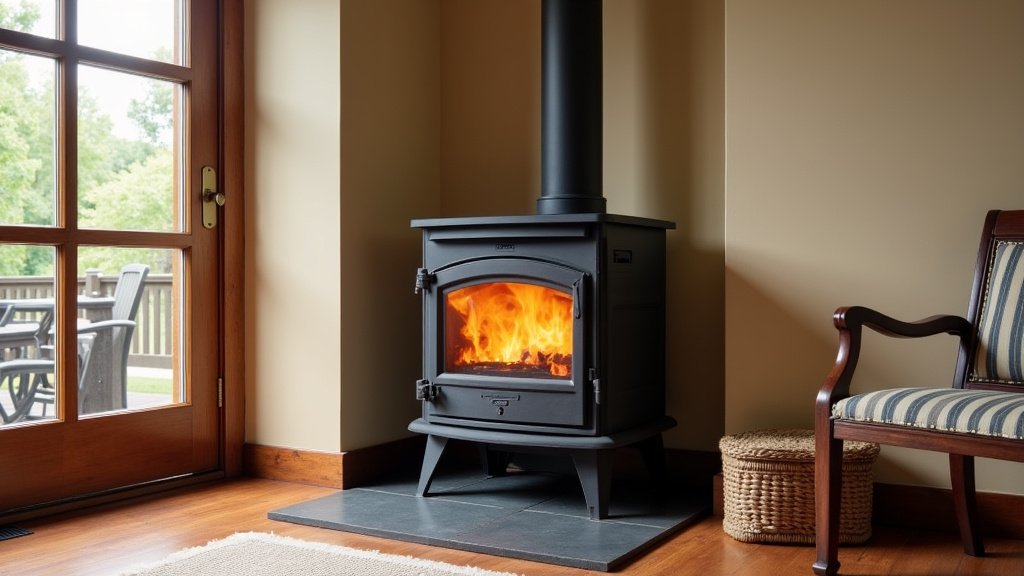
What if your dream stove just doesn’t fit with the standard clearances? You might be able to reduce these distances using approved heat shielding. This is where things get a bit more technical, but it’s a great option for smaller spaces.
How Heat Shields Work
Heat shields work by creating a barrier that reflects heat away from the wall or absorbs it. They also create an air gap, which is crucial. This air gap allows cool air to circulate between the heat shield and the wall, preventing heat buildup. Think of it like putting on an oven mitt – the material and the air inside protect your hand.
Types of Approved Heat Shields
Not all shielding is created equal. Approved systems typically involve:
- Sheet Metal: Such as rigid sheet metal (like galvanized steel or stainless steel), often with a minimum thickness.
- Non-Combustible Board: Materials like cement board, mineral wool board, or specialized ceramic fiber blankets.
- Air Gap: This is the most critical part. The shielding must be mounted away from the wall, usually with spacers, to create an air space.
The required air gap is typically 1 inch or more, depending on the shielding materials and the stove’s heat output. Always use materials specifically listed for this purpose.
Calculating Reduced Clearances
Manufacturer manuals and NFPA 211 provide charts or formulas to calculate the reduced clearances achievable with different types of shielding. For example, a certain type of shield with a 1-inch air gap might allow you to reduce the distance to a combustible wall from 36 inches to 18 inches. It’s vital to use the correct calculation method for your chosen shielding.
Stovepipe Clearances: Don’t Forget the Chimney!
The clearances around the stove are important, but you also need to pay attention to the stovepipe that carries smoke up to the chimney. Stovepipes can also get very hot.
Stovepipe to Combustible Surfaces
Similarly to the stove itself, the stovepipe needs to maintain a safe distance from combustible materials. NFPA 211 and your stove’s manual will specify these clearances. Typically, a minimum of 18 inches is required, but this can often be reduced with approved stovepipe heat shields.
Double-Wall Stovepipe
Using listed, double-wall, or triple-wall stovepipe is a common way to reduce clearance requirements. This type of pipe has built-in insulation and air gaps. It’s specifically designed for closer clearances.
Passing Through Ceilings and Walls
When the stovepipe passes through a ceiling or wall, you must use a listed chimney thimble or wall pass-through. These are engineered safety devices that maintain the required clearance and prevent a fire from starting where the pipe enters a vertical surface.
Your Wood Stove Installation Checklist
Before you even think about lighting your first fire, run through this quick checklist to ensure your installation is safe:
- Check Your Manual: Have you read and understood your stove’s specific clearance requirements?
- Identify Combustibles: Are all walls, floors, and ceilings within the clearance zones made of non-combustible materials, or properly shielded?
- Use Approved Shields: If using heat shields, are they listed for use with wood stoves and installed correctly with the proper air gap?
- Inspect Stovepipe: Is your stovepipe properly supported, sealed, and at the correct distance from all combustible materials?
- Thimbles and Passes: Have you used approved thimbles and wall/ceiling passes where the pipe exits the room?
- Local Codes: Have you confirmed compliance with all local building and fire codes?
Completing these steps ensures you’ve taken the necessary precautions for a safe and cozy heating experience.
Conclusion
Installing a wood stove near a wall is possible, but it demands your full attention to safety. You’ve learned that manufacturer specifications and NFPA guidelines are your starting points for understanding clearances. Remember, using approved heat shielding can help in tighter spaces, but proper air gaps are always key. Never guess when it comes to fire safety. Your next step is to consult your specific stove’s manual and then your local building department to ensure your installation meets all requirements for a safe and warm home.
Frequently Asked Questions
Do I have to use special materials for heat shielding?
Yes, you must use materials specifically listed and approved for wood stove heat shielding. This often includes rigid sheet metal or non-combustible boards like cement board. The key is that these materials, when installed with the correct air gap, effectively block or reflect heat.
What is an “air gap” and why is it so important for heat shields?
An air gap is the space between the heat shield and the combustible wall. It’s vital because it allows air to circulate, preventing heat from reaching the wall directly. This airflow acts as insulation, keeping the wall surface cooler and preventing ignition.
Can I paint a wall near a wood stove if it’s properly shielded?
Generally, yes, but always check your stove’s manual and local codes. The wall itself must be protected by approved shielding, not just the paint. Ensure any paint or finish used on the shielding or wall is non-combustible and rated for high heat if directly exposed.
What happens if my stovepipe is too close to a ceiling joist?
If your stovepipe is too close to a combustible ceiling joist, you risk a fire. You must maintain the specified clearance, often using a listed chimney thimble or wall pass-through specifically designed for this purpose. This safety device ensures proper spacing.
Is it okay to just use extra layers of drywall as a heat shield?
No, extra layers of drywall alone are not sufficient protection. While drywall is somewhat fire-resistant, it will not withstand the sustained radiant heat from a wood stove. Approved heat shielding with a proper air gap is required by safety codes.