Can You Install a Wood Stove in a Conservatory?
On this page (10 sections)
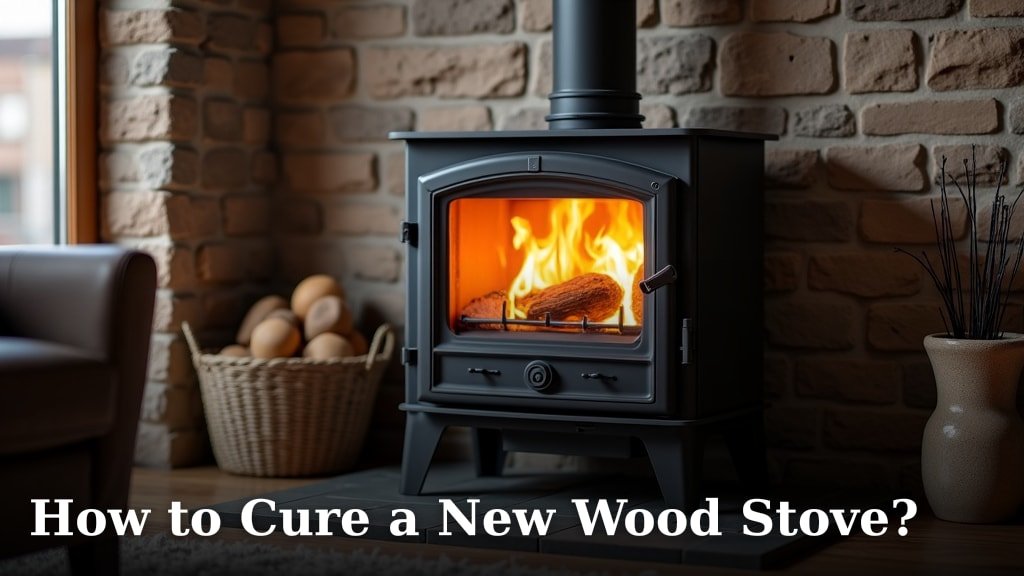
You can install a wood stove in a conservatory, but it requires careful planning and compliance with building regulations. For another room-specific safety question, see wood stove bedroom safety.
The glass walls and roof of most conservatories present unique challenges for proper ventilation and heat distribution when installing wood stoves.
Understanding Conservatory Wood Stove Installation
Installing a wood stove in your conservatory sounds like a dream setup. Picture yourself enjoying a crackling fire while surrounded by glass walls and garden views.
The reality involves more planning than you might expect. Your conservatory’s design affects everything from chimney placement to floor reinforcement.
Why Conservatories Need Special Consideration
Conservatories differ from regular rooms in several ways. The glass construction creates unique heat patterns. Hot air rises quickly and escapes through the roof.
Most conservatories also lack the structural elements needed for heavy wood stoves. You’ll need to check your floor’s load-bearing capacity.
Building Regulations and Permits
You’ll need building control approval for any wood stove installation. This applies to conservatories just like other rooms.
I found that most local authorities require detailed plans showing chimney routes and ventilation systems. The approval process typically takes 4-6 weeks.
Key Regulatory Requirements
Building regulations focus on safety first. Your installation must meet specific distance requirements from combustible materials.
- Minimum 150mm clearance from walls
- Proper hearth protection extending 300mm in front
- Adequate ventilation for combustion air
- Safe chimney height and positioning
HETAS Certification Requirements
You’ll need a HETAS-approved installer for the work. This certification ensures your installer knows current safety standards.
Many insurance companies also require HETAS certification for coverage. Don’t skip this step to save money.
Structural Considerations
Your conservatory’s foundation might need reinforcement. Wood stoves and chimneys add significant weight to the structure.
I researched typical conservatory foundations and found many aren’t designed for this extra load. A structural engineer can assess your specific situation.
Floor Strengthening Options
Reinforcing your conservatory floor involves several approaches. Steel beams can distribute the stove’s weight more evenly.
Another option involves creating a dedicated concrete pad under the stove location. This spreads the load across a wider area.
Weight Distribution Calculations
A typical wood stove weighs 200-400 pounds. Add the chimney system and you’re looking at 800-1200 pounds total.
Your floor needs to handle this concentrated load safely. Review wood floor installation requirements before placing a stove on a combustible floor. Most conservatory floors handle 40-60 pounds per square foot maximum.
Chimney and Flue Systems
Getting the chimney right presents the biggest challenge. Your conservatory’s glass roof limits where you can install flue pipes.
Twin-wall insulated flue systems work best in conservatories. They stay cooler on the outside and reduce fire risks.
Routing Through Glass Roofs
You can’t just cut through glass panels for chimney installation. The flue needs to exit through structural elements or specially modified sections.
Many installers recommend routing the flue pipe up through a corner where it meets solid construction. This avoids compromising the glass structure.
External Chimney Options
External chimneys offer another solution. The flue pipe exits through the conservatory wall instead of the roof.
This approach often costs less and avoids roof modifications. The chimney runs up the outside wall of your house.
Ventilation Requirements
Wood stoves need fresh air for proper combustion. Conservatories typically have good natural ventilation through roof vents.
You might need additional air vents near floor level. These supply combustion air while preventing drafts.
| Stove Size | Required Air Vent Area | Typical Installation |
|---|---|---|
| Under 5kW | 550mm² per kW | Single wall vent |
| 5-10kW | 550mm² per kW | Multiple wall vents |
| Over 10kW | 550mm² per kW | Ducted air supply |
Heat Distribution Challenges
Conservatories lose heat quickly through all that glass. Your wood stove will work harder than in a regular room.
The glass acts like a heat sink, absorbing warmth and radiating it outside. This affects how you size and position your stove.
Preventing Overheating Issues
Glass spaces can overheat quickly with wood stoves. The sun’s heat plus stove heat creates uncomfortable conditions.
Roof vents and side windows help manage temperature swings. Automatic vent openers work well for this purpose.
Strategic Stove Placement
Position your stove away from the main sun exposure areas. North-facing corners often work best for even heat distribution.
Keep the stove central enough to heat the whole space. Too close to one wall creates hot and cold zones.
Best Wood Stove Types for Conservatories
Not every wood stove suits conservatory installation. You want models designed for variable heating demands.
I found that stoves with good controllability work best. Look for models with effective damping systems.
Size Considerations
Smaller stoves often work better than large ones. Conservatories heat up quickly and you need fine control.
A 4-6kW stove typically handles most conservatory spaces well. Bigger isn’t always better in glass rooms.
Multi-Fuel vs Wood-Only Options
Multi-fuel stoves offer more flexibility for conservatory heating. You can burn smokeless coal for longer, steadier heat.
Wood-only stoves create more dramatic temperature swings. This might not suit the conservatory environment.
Safety Features to Look For
Cool-touch handles and stays matter more in conservatories. The glass walls reflect heat back toward the stove.
Look for stoves with heat shields and good insulation. These features protect nearby glass panels from damage.
Installation Costs and Timeline
Conservatory wood stove installation costs more than regular room installations. The structural work and specialized routing increase expenses.
Expect to pay £3,000-£8,000 total including the stove, installation, and any structural modifications.
Breaking Down the Expenses
The stove itself typically costs £800-£2,500 depending on size and features. Installation labor runs £1,500-£3,000 for conservatory work.
Structural modifications add another £1,000-£2,500 if needed. Permit fees usually cost £150-£300.
Timeline Expectations
Plan for 2-4 weeks total project time. Permit approval takes the longest at 4-6 weeks.
The actual installation work takes 2-3 days once everything’s approved. Weather can delay external chimney work.
Maintenance and Safety
Conservatory wood stoves need regular maintenance like any installation. The glass environment creates some unique considerations.
Condensation can affect chimney performance in conservatories. Check for moisture buildup during seasonal changes.
Regular Cleaning Requirements
Clean your stove glass more frequently in conservatories. The reflected light shows every smudge and mark.
Annual chimney cleaning remains essential. The variable temperatures in conservatories can affect creosote buildup patterns.
Fire Safety Precautions
Keep fire extinguishers accessible but protected from temperature extremes. The conservatory environment can affect extinguisher performance.
Install smoke detectors designed for high-temperature environments. Regular detectors might trigger false alarms from heat buildup.
Alternatives to Consider
If wood stove installation seems too complex, other heating options exist for conservatories.
Electric wood-effect stoves provide the visual appeal without the structural requirements. They’re much easier to install.
Gas Stove Options
Gas stoves offer easier installation than wood burners. They still need flue systems but require less structural work.
Modern gas stoves provide realistic flame effects. Many people can’t tell the difference from real wood fires.
Underfloor Heating Systems
Electric underfloor heating works well in conservatories. It provides even heat distribution without visual impact.
This option integrates well with existing conservatory flooring. Installation costs less than wood stove systems.
Conclusion
Installing a wood stove in your conservatory is possible with proper planning and professional installation. The glass construction creates unique challenges for ventilation, structural support, and heat management that require careful consideration.
Success depends on meeting building regulations, ensuring adequate structural support, and choosing the right stove for your space. While the project costs more than standard installations, the result can transform your conservatory into a cozy year-round living space. Work with HETAS-certified installers and don’t skip the permit process – your safety and insurance coverage depend on proper compliance.
Can you install a wood stove in a brick conservatory?
Yes, brick conservatories often handle wood stove installations better than PVC or aluminum structures. The solid walls provide better mounting points for flue systems and typically offer stronger foundations for the stove’s weight.
Do you need planning permission for a conservatory wood stove?
You don’t typically need planning permission, but you do need building regulations approval. Planning permission might be required if the chimney significantly changes your property’s external appearance or you live in a conservation area.
How much clearance do you need around a wood stove in a conservatory?
You need minimum 150mm clearance from combustible materials and 300mm hearth extension in front of the stove door. Glass panels usually count as non-combustible, but check with your installer about specific distance requirements.
Can you use a flexible flue liner in a conservatory wood stove?
Flexible liners work for conservatory installations when connecting to existing chimneys, but new installations typically use rigid twin-wall systems. The choice depends on your specific routing requirements and local building standards.
Will a wood stove make my conservatory too hot in summer?
Yes, conservatories can overheat quickly with wood stoves during warm weather. Install adequate ventilation and consider the stove a winter heating solution. Many owners only use their conservatory stoves from October through March.