Is a Ventless Propane Heater Worth It?
On this page (8 sections)
- Are Ventless Propane Heaters the Right Choice for You?
- Understanding How Ventless Propane Heaters Work
- Weighing the Pros and Cons: What We Found
- Ventless Propane Heaters: Ideal Use Cases
- When to Reconsider a Ventless Propane Heater
- Making Your Final Decision: A Quick Checklist
- Conclusion
- Frequently Asked Questions
Yes, a ventless propane heater can be worth it for supplemental heating, especially in spaces like garages, workshops, or RVs. They offer quick warmth without needing expensive ductwork. However, it’s important to understand their limitations and safety considerations before you buy.
Many homeowners wonder if these heaters are a good way to save on energy bills. We found that while they are efficient at converting fuel to heat, concerns about indoor air quality and humidity are valid and important. Proper ventilation, even with a ventless model, is still key to safe operation and a comfortable space. Think of it as adding a temporary heat boost where you need it most.
- Ventless heaters provide quick heat for specific areas.
- They are often more affordable than installing central heating.
- Potential downsides include moisture and air quality concerns.
- Always follow safety guidelines for proper use.
- Consider your space and ventilation options carefully.
Let’s break down the pros and cons to help you decide if a ventless propane heater is the right choice for your heating needs.
Are Ventless Propane Heaters the Right Choice for You?
Ventless propane heaters can be a great solution for heating specific areas. They get the job done quickly. But are they worth the investment for your needs? We’ve looked into it, and the answer really depends on your situation. Let’s break down what you need to consider.
Understanding How Ventless Propane Heaters Work
These heaters are designed to burn propane and release the heat directly into your room. They don’t require any vents or chimneys to the outside. This makes them incredibly convenient for places without existing heating infrastructure. Think garages, workshops, or even temporary outdoor setups. They convert nearly all their fuel into usable heat, which is quite efficient.
The Efficiency Angle
When you compare them to other heating methods, ventless propane heaters boast a high efficiency rating. Most of the energy from the propane is turned into warmth. This means less wasted fuel. We found that for focused heating in a specific zone, they can be quite economical in terms of fuel consumption for the heat they produce.
The Simple Setup
One of their biggest selling points is the ease of installation. You don’t need to run ducts or hire an HVAC professional for complex work. All you typically need is a propane tank and a safe place to operate the heater. This saves you money upfront compared to central heating systems.
Weighing the Pros and Cons: What We Found
It’s not all sunshine and warm air, though. We discovered that while ventless heaters offer quick and efficient heat, there are some important drawbacks to consider. Understanding these will help you make the best decision for your home.
The Advantages You’ll Appreciate
- Quick Heat: They warm up a space much faster than central heating.
- Portability: Many models are designed to be moved easily.
- Cost-Effective: Generally cheaper to buy and operate than some alternatives.
- Energy Independence: Great for areas without electricity or gas lines.
- Supplemental Heat: Perfect for boosting warmth in cold spots.
Potential Downsides to Be Aware Of
Here’s where we need to be honest. Ventless heaters do release byproducts into your home. These include water vapor and combustion gases like carbon monoxide. This is the main reason why proper ventilation is still a must, even with a “ventless” unit. You might notice condensation on windows or walls, especially in colder weather. We found that this moisture can contribute to mold or mildew if not managed.
Indoor Air Quality Concerns
The release of combustion byproducts directly into your living space is a key concern. While modern units have safety features, we found that many experts recommend using them only in well-ventilated areas. For example, if you plan to use one in a garage or workshop, opening a door or window occasionally is advised. Never use them in bedrooms or tight, unventilated spaces where you spend a lot of time.
Humidity Issues
For every pound of propane burned, about a gallon of water is produced. This means ventless heaters add a significant amount of moisture to the air. In a well-insulated home, this can lead to condensation. You might find it on windows, mirrors, or even your walls. This moisture isn’t just annoying; it can cause damage over time. We’ve seen reports that this humidity can encourage the growth of mold and mildew (National Center for Healthy Housing).
Safety First: Essential Precautions
Safety is paramount with any heating device, especially those that burn fuel indoors. Ventless propane heaters come with built-in safety features like oxygen depletion sensors (ODS) and tip-over shutoffs. These are designed to automatically turn off the heater if oxygen levels get too low or if it’s knocked over. However, these are fail-safes, not guarantees.
The Importance of the ODS
The ODS is a critical component. It monitors the oxygen level in the room. If it drops below a certain threshold, the sensor activates, shutting off the gas supply. This is a vital safety mechanism to prevent carbon monoxide buildup. We found that regular testing and maintenance of this sensor are recommended.
Proper Fuel and Storage
Always use the correct type of propane tank recommended by the manufacturer. Store tanks upright and away from heat sources. Never use a damaged tank or heater. Following the manufacturer’s instructions is the best way to ensure safe operation.
Ventless Propane Heaters: Ideal Use Cases
So, where do these heaters truly shine? We found they are most effective when used as supplemental heat in specific situations. They excel in spaces that are not continuously occupied or are well-ventilated.
Garages and Workshops
If you spend time in your garage or workshop during colder months, a ventless propane heater can make it much more comfortable. You can turn it on while you’re working and turn it off when you leave. The key here is that these spaces often have natural ventilation from openings like garage doors. Remember to crack a window or door if you’re there for extended periods.
RV and Camper Heating
Many RV owners use ventless propane heaters for an extra boost of warmth. They are a convenient heat source when you’re off-grid or when your main RV furnace needs help. Air quality is a big concern in RVs, so users often supplement with a small fan to circulate air or open a roof vent slightly.
Outdoor Areas and Sheds
For enclosed outdoor spaces like a large shed or a covered patio area, these heaters can extend your usability. Just ensure there’s enough airflow. We recommend checking local regulations, as some areas have specific rules about indoor propane use.
When to Reconsider a Ventless Propane Heater
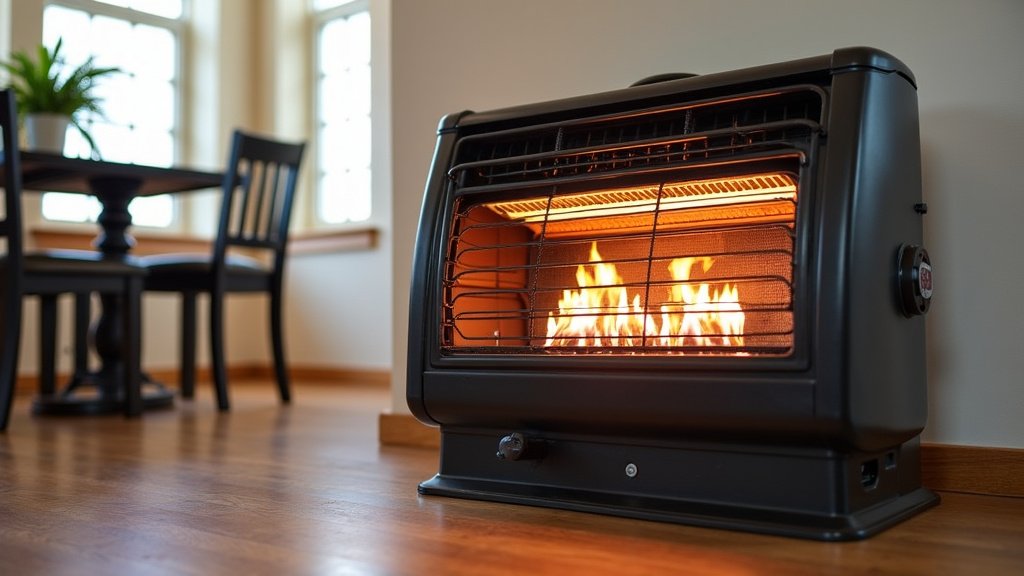
There are times when a ventless propane heater might not be your best option. If you’re looking for primary heating for your main living areas, you should probably look elsewhere. The air quality and humidity concerns are more pronounced in tightly sealed homes.
Main Living Spaces
Your home’s main living areas, like bedrooms and living rooms, are typically more insulated. This means less natural air exchange. For these spaces, a vented heater or a different heating system is usually a safer and more comfortable choice. We found that the potential for discomfort from humidity and air quality issues is higher here.
Areas with Poor Ventilation
If you can’t easily provide some form of ventilation, a ventless heater is not recommended. Relying solely on the ODS is not a substitute for fresh air. Your health and comfort are the top priority.
Making Your Final Decision: A Quick Checklist
Before you buy, take a moment to consider these points. This checklist can help you decide if a ventless propane heater is the right tool for your heating needs.
- Do you need supplemental heat for a specific, well-ventilated space?
- Are you comfortable with the potential for added moisture in the air?
- Can you ensure adequate airflow or occasional ventilation when in use?
- Are you willing to follow all safety guidelines strictly?
- Is the area you want to heat prone to being cold and seldom occupied?
- Have you checked any local codes or regulations regarding indoor propane use?
Conclusion
So, is a ventless propane heater worth it for your needs? We’ve found they offer a convenient, quick heat solution for specific situations like garages or workshops. They are efficient and easy to set up, saving you money upfront. However, your comfort and safety depend on managing the added moisture and potential air quality impacts. If you’re looking for supplemental heat in a well-ventilated space and are mindful of safety, they can be a smart choice. Your next step is to assess your specific space and ventilation options honestly before making a purchase.
Frequently Asked Questions
Can a ventless propane heater be used as a primary heat source?
We generally do not recommend using ventless propane heaters as your sole heat source for main living areas. They are best suited for supplemental heating in well-ventilated spaces due to air quality and humidity concerns. Relying on them as primary heat can lead to discomfort and potential health issues in tightly sealed homes.
How much ventilation is truly needed for a ventless propane heater?
While they don’t require vents to the outside, some airflow is still necessary. We found that opening a window or door slightly, or ensuring natural drafts, is usually sufficient for areas like garages or workshops. The goal is to allow for fresh air exchange to manage combustion byproducts and moisture.
Will a ventless propane heater make my room feel damp?
Yes, ventless propane heaters release water vapor as a byproduct of combustion. This means they add moisture to your air. In colder weather or well-insulated spaces, this can lead to condensation on surfaces. Managing this added humidity is key to preventing mold or mildew growth.
Are ventless propane heaters safe to use overnight?
We advise against using ventless propane heaters overnight in sleeping areas. Even with safety features like an oxygen depletion sensor (ODS), the potential for air quality degradation and carbon monoxide buildup increases in unventilated spaces over extended periods. They are best used when you are present and can monitor the environment.
How often should I check the safety features on my ventless heater?
It’s wise to regularly check and maintain the safety features on your heater. We found that manufacturers often recommend testing the oxygen depletion sensor (ODS) periodically according to the owner’s manual. This ensures it functions correctly and can shut off the heater if oxygen levels become dangerously low.