How to Keep a Wood Stove Burning All Night?
On this page (3 sections)
To keep a wood stove burning all night, you need to set up a proper “top-down” burn and control the airflow carefully. This method helps the fire burn slowly and consistently, giving you warmth until morning. If you have gas, see whether a gas fireplace can run overnight.
You want to achieve a long, steady burn, not a raging inferno. We found that using dense, seasoned hardwood and managing your air vents are key strategies. This approach ensures your home stays warm and cozy even on the coldest nights.
- Prepare your stove for a long burn.
- Load dense, dry hardwood effectively.
- Adjust primary and secondary air controls.
- Monitor the burn for consistent heat.
Let’s walk through exactly how to set up your wood stove for an all-night burn, step by step.
Mastering the All-Night Wood Stove Burn
Keeping your wood stove burning throughout the night is all about strategy. It’s not just about throwing logs in; it’s about creating a controlled, efficient burn that lasts for hours. We found that the right approach means less fussing and more consistent warmth for your home. Understanding why wood stoves are better than open fires can further explain how to achieve an efficient burn that lasts for hours.
Preparing Your Stove for an Extended Burn
Before you even think about adding logs for the night, you need to set the stage. A well-prepared stove makes all the difference for a long, slow burn. Think of it like preparing a slow-cooker meal; a little prep work goes a long way.
Clean Ash and Debris
First, clear out excess ash. Too much ash can smother your fire and reduce airflow, making it harder to sustain a burn. We found that leaving about an inch of ash on the bottom helps insulate the firebox, but anything more can be detrimental.
Use an ash shovel and bucket to remove the bulk of the ash. Make sure your grates are clear as well. Good airflow from below is vital for keeping those embers glowing.
Preheat the Flue and Firebox
A warm flue creates better draft. Before loading for the night, get a good, hot fire going for 30-60 minutes. This heats the stove components and the chimney, ensuring efficient burning and preventing creosote buildup during a long, slow burn (Environmental Protection Agency).
You’ll notice a strong draft pulling smoke up the chimney once everything is warm. This indicates your stove is ready for the long haul.
Choosing the Right Fuel: Density Matters
Not all wood is created equal when it comes to an all-night burn. The type of wood you use is perhaps the most critical factor. Imagine trying to burn tissue paper all night; it just won’t work.
Select Seasoned Hardwood
Always use well-seasoned hardwood. “Seasoned” means the wood has been dried for at least 6-12 months, and ideally longer, until its moisture content is below 20%. You can check this with a moisture meter. We found this is a non-negotiable step.
Hardwoods like oak, maple, hickory, and ash burn hotter and much longer than softwoods. They have a denser cellular structure, meaning more energy is packed into each log.
Avoid Softwoods and Unseasoned Wood
Softwoods, such as pine and fir, burn quickly and produce less heat. They’re great for kindling but not for an extended burn. Similarly, unseasoned or “green” wood contains too much moisture. It hisses, smokes excessively, and creates a lot of creosote. This is bad for your chimney and won’t keep you warm.
Many experts say burning wet wood is one of the biggest mistakes you can make for stove efficiency and safety (National Fire Protection Association).
Loading Your Stove for a Long Burn
The way you load your wood stove is a science, not an art. For an all-night burn, you want a specific “top-down” or “log cabin” style setup, ensuring a slow, controlled release of energy.
The “Top-Down” Loading Method
After your stove is hot and clean, place two or three large, dense logs at the bottom, parallel to each other. These are your foundation. Then, stack smaller logs crosswise on top, forming a sort of grid. Finish with a layer of kindling and a fire starter on the very top.
This method ignites the fire from the top down. It burns more slowly and cleanly, producing less smoke and more heat over time. We found this setup significantly extends burn times compared to traditional bottom-up lighting.
Optimal Log Size and Quantity
For an overnight burn, use the largest diameter logs your stove can accommodate without overfilling. Don’t cram the firebox completely full; leave some space for air circulation. A general guideline is to fill the firebox about two-thirds to three-quarters full.
Too many small logs will burn too quickly. A few large, dense logs will provide a longer, more consistent heat output.
Controlling Airflow: The Key to Longevity
Once your stove is loaded and the fire is roaring, airflow control becomes your most powerful tool. This is how you tell your fire whether to sprint or marathon.
Primary Air Control
The primary air intake provides air to the bottom of the fire, fueling the initial combustion of the wood. Once your top-down fire is well-established and burning brightly – usually after 30-60 minutes – you’ll begin to close this vent down.
Slowly close the primary air control until the flames become lazier and less intense. You’re aiming for a steady, deep red glow from the embers, not bright yellow flames. This reduces the oxygen supply, slowing the burn significantly.
Secondary Air Control
Many modern wood stoves have secondary air controls. These often introduce preheated air over the top of the fire, helping to burn off uncombusted gases. This leads to a cleaner, more efficient burn and reduced creosote buildup.
Keep your secondary air open enough to allow for complete combustion, but don’t overdo it. You still want a slow burn. Finding the sweet spot takes practice; each stove is different. Listen for a gentle roar, not a loud rush of air.
Damper Settings for Overnight
Your stove’s flue damper (if it has one) helps regulate the overall draft. For an overnight burn, once the fire is well-established and you’ve closed the primary air, you’ll also partially close the flue damper. This keeps more heat in the firebox.
However, never close the damper completely if there are still flames or active combustion. This can lead to smoke backing up into your room or dangerous creosote buildup. We found it’s a delicate balance; you’re reducing airflow but not cutting it off entirely.
Monitoring and Adjusting During the Burn
Even with the perfect setup, a little monitoring ensures your overnight success. Your stove will communicate its needs if you pay attention.
Recognizing an Efficient Overnight Burn
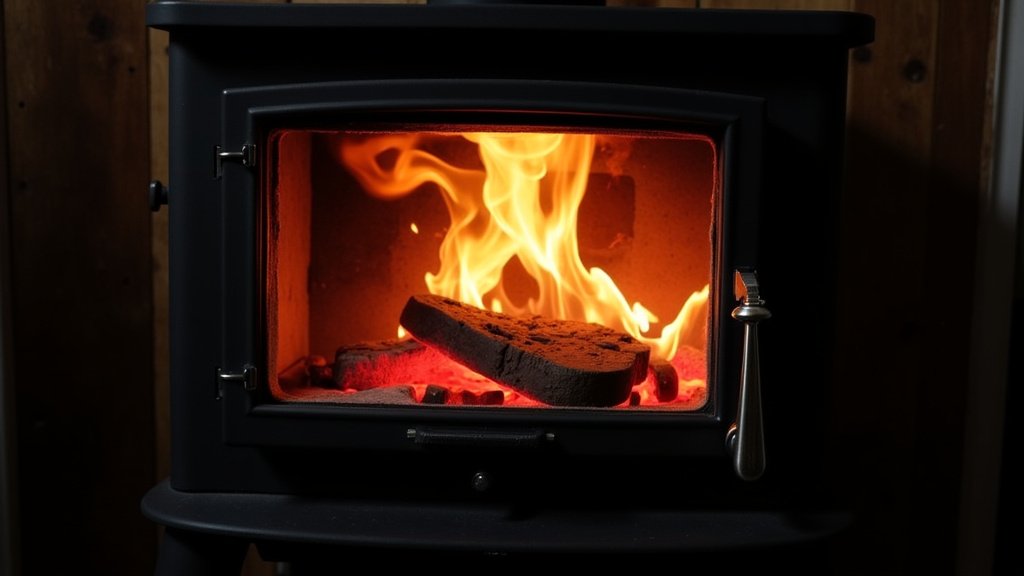
A good overnight burn will have a consistent, low roar or hum from the stove. You’ll see a steady, lazy flame or a bed of glowing embers. There should be little to no visible smoke coming from your chimney (except perhaps a faint wispy steam). This indicates good combustion.
If you see thick, dark smoke, your fire isn’t getting enough air, or your wood isn’t seasoned. Open the primary air slightly until the smoke dissipates.
Troubleshooting Common Issues
Is your fire dying out too quickly? You might need to open the primary air control a little more, or perhaps your wood wasn’t as seasoned as you thought. Is it burning too fast? Close the primary and secondary air slightly more.
It’s a dance between fuel, air, and heat. Many people find that after a few nights, they get a feel for their specific stove’s preferences. Don’t be afraid to experiment gently.
| Action | Effect on Burn | When to Adjust |
|---|---|---|
| Open Primary Air | Increases burn rate, hotter flames | When starting fire, or if fire is dying |
| Close Primary Air | Decreases burn rate, longer burn time | After fire is established for overnight |
| Open Secondary Air | Cleaner burn, more efficient combustion | To maintain clean burn; adjust with primary |
| Close Secondary Air | Reduces combustion of gases (can create creosote if too much) | Minimal closing for very slow burn, but watch for smoke |
| Partially Close Damper | Retains heat in firebox, slows overall draft | After fire is established and air controls adjusted |
Safety Considerations for Overnight Burns
While an all-night burn is convenient, safety must always come first. A wood stove is a powerful heat source, and respecting it prevents problems. Many fire safety organizations highlight the importance of proper maintenance.
Regular Chimney Sweeping
This cannot be overstated. Burning at lower temperatures overnight can increase creosote buildup if not done correctly. Creosote is highly flammable. Many experts recommend annual chimney inspections and cleanings, especially if you burn frequently (Chimney Safety Institute of America).
A clean chimney significantly reduces the risk of a chimney fire. Don’t skip this critical maintenance step.
Carbon Monoxide Detectors
Always have working carbon monoxide detectors on every level of your home, especially near sleeping areas. This is a non-negotiable safety measure when burning wood. Carbon monoxide is odorless and invisible, making detectors your first line of defense.
Check the batteries regularly and replace units according to manufacturer recommendations. It’s a small investment for peace of mind.
The Morning After: Rekindling Your Fire
Waking up to warm embers is the goal of an overnight burn. If you’ve done it right, you’ll have a glowing bed of coals ready to go.
Stirring and Adding New Wood
Gently rake or stir the remaining embers to break them up and expose fresh, hot surfaces. This allows oxygen to reach them. Then, add a few smaller pieces of dry kindling or small logs on top of the glowing embers.
Open your primary air control fully. The embers will ignite the new wood quickly. Once the new wood is burning well, you can adjust your air controls back to your desired setting.
Benefits of Overnight Burning
Successfully maintaining an overnight fire means waking up to a warm house, saving you the effort of restarting a cold stove. It also helps reduce your overall wood consumption, as you’re not constantly reigniting from scratch. Plus, who doesn’t love that cozy morning glow?
Overnight Wood Stove Burn Checklist
To summarize, here’s a quick checklist to help you achieve that perfect all-night burn:
Clean out excess ash: Leave about an inch for insulation, but clear the rest.
Preheat your stove: Get a good, hot fire going for 30-60 minutes first.
Use seasoned hardwood: Dense, dry wood (less than 20% moisture) is essential.
Load top-down: Place large logs on the bottom, smaller on top, with kindling at the very top.
Conclusion
Mastering the art of keeping your wood stove burning all night truly transforms your winter experience. By focusing on dense, seasoned hardwood, employing the “top-down” loading method, and precisely managing your air controls, you’re setting yourself up for success. Remember, each stove has its quirks, so don’t be afraid to fine-tune your approach. We found that consistent practice leads to perfect overnight burns. Most importantly, always prioritize safety with regular chimney checks and active CO detectors. You’ll soon be enjoying consistent warmth and cozy mornings, all thanks to your well-managed wood stove.
Frequently Asked Questions
What’s the best type of wood for an overnight burn?
The best wood is seasoned hardwood like oak, maple, or hickory. These woods are very dense and burn much longer than softwoods. Ensure the moisture content is below 20% for an efficient, clean, and extended burn.
Why does my wood stove fire die out quickly overnight?
Your fire might be dying out quickly for several reasons. You might be using unseasoned or softwood, loading the stove incorrectly, or not adjusting your air controls properly. Too much airflow burns wood too fast, while too little can smother the flames.
Can I leave my wood stove unattended overnight?
Yes, but with proper precautions. Ensure your chimney is clean and inspected annually. Always have working carbon monoxide detectors installed. A well-set, slow-burning fire with adjusted air controls is designed to burn safely through the night without constant attention.
How do I prevent creosote buildup during an overnight burn?
Prevent creosote by using only well-seasoned wood and ensuring your stove burns hot enough initially to heat the flue. While slowing the burn for overnight, try to maintain enough secondary air to combust gases cleanly. Regular chimney cleaning is also crucial.
What if I wake up and the fire is completely out?
If your fire is completely out, it means it didn’t last the night. You likely need to adjust your strategy. Try using larger, denser logs, perfecting your top-down loading, or making finer adjustments to your air controls to achieve a slower, longer burn next time.