Why Is My Wood Stove Burning Through Wood Too Fast?
On this page (8 sections)
Your wood stove burning through wood too fast likely means something is causing your fire to be hotter than it needs to be. This could be due to several common factors, like an over-air damper setting or burning unseasoned wood. Understanding these issues can help you get more heat from less fuel.
When your stove seems to be eating logs, it’s often a sign that your fire is producing too much heat and heat is escaping too quickly. We found that many homeowners struggle with this. It’s frustrating to restock your woodpile more often than you’d like, but often simple adjustments can make a big difference in how long your wood lasts.
- Your stove might be getting too much air.
- The wood you’re burning could be too wet.
- The firebox may not be insulated properly.
- You might be loading the stove incorrectly.
- Your chimney might need cleaning or repair.
Let’s walk through exactly why your wood stove might be guzzling logs and what you can do about it.
“`htmlYour Wood Stove Seems to Be Burning Wood Too Quickly? Let’s Figure It Out.
It’s a common frustration: you load up your wood stove, expecting a cozy, long-lasting fire, only to find yourself reaching for more logs sooner than you anticipated. This can feel like your stove is just eating fuel! There are several reasons why this might be happening, and thankfully, most are fairly simple to fix. We’ve found that often, a few key adjustments can dramatically improve your stove’s efficiency and help your woodpile last much longer.
Is Your Stove Getting Too Much Air?
One of the most frequent culprits for a wood stove burning through logs too fast is excessive airflow. Think of it like fanning a campfire; the more air you give it, the hotter and faster it burns. Your wood stove is designed to control this airflow precisely.
Understanding Your Air Dampers
Your stove has air controls, often called dampers. These regulate how much oxygen reaches the fire. Primary air controls usually feed air to the bottom of the fire, helping the wood ignite and burn. Secondary air controls often introduce air higher up in the firebox, which helps burn off the gases and smoke released by the wood. This secondary burn is key to efficiency. Understanding how secondary air controls work can help manage your stove’s burn rate.
The Primary Air Damper: Your Main Speed Control
The primary air damper is your main control for how quickly the fire burns. If this damper is left too open, your stove will get a lot of oxygen, making the fire roar and consume wood at an alarming rate. Many users find that after loading the stove, they accidentally leave the primary air too high. This causes a very hot, fast burn, which is often more heat than you need.
Research and found that the ideal setting for the primary air is usually quite low once the stove is up to temperature. You want to maintain a steady burn, not a bonfire. If you’re looking to keep a fire going overnight or for an extended period, you’ll need to close this damper down significantly.
The Secondary Air Damper: For Efficiency and Cleanliness
The secondary air is introduced to burn the volatile gases that rise off the wood. A properly functioning secondary air system leads to a cleaner burn, less creosote buildup, and more heat from your fuel. If your secondary air is too open, it can also contribute to a faster burn, as it’s essentially adding more oxygen to the system.
If your stove has adjustable secondary air vents, experiment with them. Some stoves have automatic secondary air, which simplifies things. When you notice your fire burning too fast, check if you can restrict this airflow a bit. You’re aiming for a hotter burn with less visible smoke and flames.
What Does “Too Much Air” Look Like?
When your stove is getting too much air, you’ll likely see a few tell-tale signs. The flames will be very active, possibly a bright white or yellow color, and they might be licking the top of the firebox or even the chimney connector pipe. You’ll hear a loud roaring sound. This means the fire is burning very hot and consuming fuel rapidly. This is often referred to as “over-firing” your stove.
Many experts say that a good, efficient burn is characterized by active, but not frantic, flames that are often a bright orange or yellow. You should see some smoke, but it shouldn’t be excessively thick or billowing out.
Are You Burning the Right Kind of Wood?
The type and condition of the wood you burn have a massive impact on how long your fire lasts. Burning the wrong wood is like trying to cook a slow meal with instant heat – it just doesn’t work efficiently.
The Importance of Seasoned Wood
This is one of the most common mistakes people make. Unseasoned wood (also known as green wood) is wood that has not been dried properly. Freshly cut wood contains a lot of water – sometimes up to 50% moisture content (U.S. Forest Products Laboratory). When you try to burn wet wood, the fire has to spend a lot of energy just boiling off that water before it can even start to burn the wood itself.
What does this mean for your stove? It means a weak, smoky fire that doesn’t produce much heat. It also leads to a lot of creosote buildup in your chimney, which is a fire hazard. When wood is properly seasoned, its moisture content is typically between 15-20%. This dry wood burns hotter and cleaner, giving you more heat and using the fuel efficiently.
How to Tell If Your Wood is Dry
There are a few ways to check if your wood is seasoned. The easiest is to use a wood moisture meter. You simply insert the prongs into a freshly split surface of the log. Aim for a reading below 20%. If you don’t have a meter, you can look for visual cues. Seasoned wood often has cracks or checks on the ends of the logs. The bark might be loose or peeling off. When you bang two pieces together, dry wood makes a hollow, clear “clack” sound, while wet wood makes a dull “thud.”
We’ve found that people often think they have seasoned wood when they really don’t. If your wood is a year or two old and stored properly (off the ground, with good air circulation), it’s likely seasoned. If it’s only been a few months or looks very pale and feels heavy, it’s probably still too wet. See how to season firewood faster before burning it.
Hardwood vs. Softwood: What’s the Difference for Burning?
Both hardwoods and softwoods can be used in your wood stove, but they burn differently. Hardwoods, like oak, maple, and hickory, are denser. They generally burn longer and hotter once they get going, providing more sustained heat. They are often considered the best for long burns.
Softwoods, like pine, fir, and spruce, are less dense. They catch fire more easily and burn more quickly, producing a fast, hot flame. Softwoods are great for getting a fire started or for a quick burst of heat, but they will likely burn up much faster than hardwoods. If your goal is to keep your stove burning for hours, a mix of both, or primarily hardwoods, is ideal.
Is Your Stove’s Firebox Losing Heat?
A well-insulated firebox is essential for an efficient wood stove. If heat is escaping too quickly from the firebox, the fire will need to burn hotter and faster to compensate, leading to increased wood consumption.
Firebricks and Gaskets: The Insulators
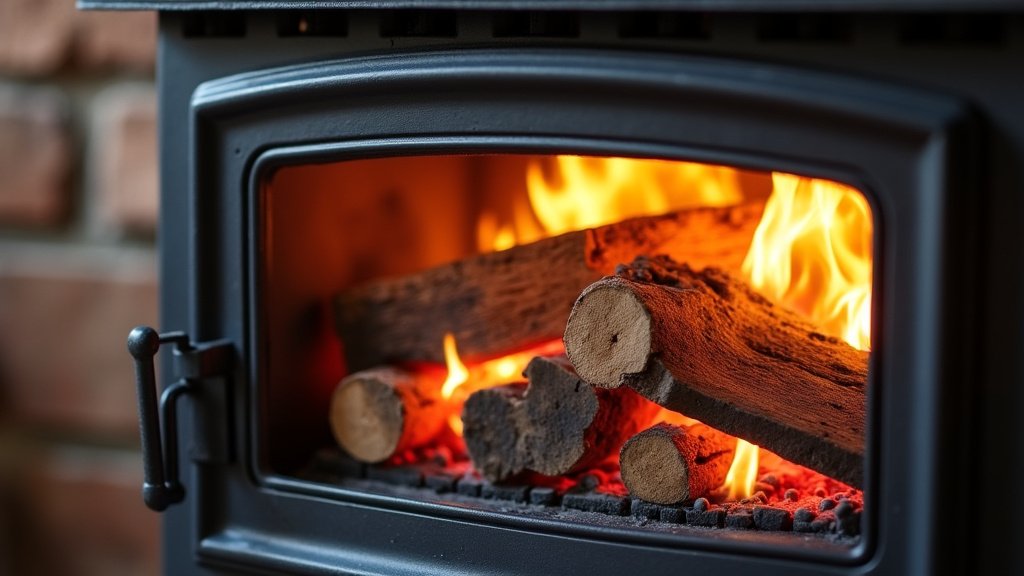
Most wood stoves have firebricks lining the inside of the firebox. These are designed to absorb and radiate heat back into the fire, keeping the firebox hotter and more efficient. They also protect the metal of the stove from extreme heat. If your firebricks are cracked or crumbling, they can’t do their job effectively. This can cause heat to be lost through the stove’s outer shell.
Similarly, the gasket around your stove door creates a seal to prevent air leaks. If this gasket is worn out or damaged, outside air can get in, or heat can escape. A leaky gasket means less control over your burn and potentially a faster consumption of wood.
Checking for Damaged Firebricks and Gaskets
Periodically inspect your firebricks for any significant cracks or pieces that have fallen out. Minor cracks are often okay, but if a brick is broken in half or crumbling, it should be replaced. You can usually buy replacement parts from the stove manufacturer or a local dealer.
For gaskets, try the “dollar bill test.” Close the stove door on a dollar bill. If you can easily pull the bill out, the gasket is likely worn and needs replacing. You should feel some resistance. A good seal is critical for maintaining controlled burn rates.
Your Loading Technique Matters
How you load your wood into the stove can influence how it burns. Simply stuffing logs in without a plan can lead to uneven burning and inefficient heat production.
Building the Fire Properly
Start with small kindling and gradually add larger pieces of seasoned wood. Once you have a good bed of coals, you can add larger logs. Don’t overload the firebox. Overfilling can restrict airflow and lead to a smoldering fire that doesn’t burn efficiently. It can also cause you to over-fire the stove if you open up the air too much to compensate.
Many experts suggest arranging logs so that air can circulate around them. This allows for a more even burn. Leaving a small gap between logs is often better than packing them in tightly. You’re aiming for a good balance of fuel and air.
Chimney Issues Can Drain Your Heat
Your chimney plays a vital role in how your wood stove operates. It’s not just for venting smoke; it helps create the draft that pulls air through your stove.
Creosote Buildup and Blockages
If your chimney has a lot of creosote buildup, it can restrict the draft. This means less air is being pulled through your stove. Counterintuitively, a severely blocked chimney can sometimes lead to a less efficient burn because the airflow is compromised. It also presents a serious fire hazard.
Regular chimney sweeping is essential. We found that most professionals recommend having your chimney inspected and cleaned at least once a year, or more often if you use your stove frequently or burn softer woods. A clean, clear chimney ensures proper draft and safe, efficient operation.
Draft Problems
Sometimes, the issue isn’t a blockage but a problem with the draft itself. If your chimney is too short, or if there are obstructions around the top of it (like nearby trees or buildings), it can affect the airflow. A weak draft means the fire won’t get enough air, leading to a smoldering, inefficient burn.
On the flip side, a very strong draft can pull too much air through your stove, making it burn too quickly. If you suspect draft issues, it’s often best to consult a certified chimney professional. They can diagnose and fix problems with your chimney system to ensure your stove operates as efficiently as possible.
Here’s a quick checklist to help you troubleshoot:
- Check your air damper settings. Are they too open?
- Confirm your wood is well-seasoned (under 20% moisture).
- Inspect firebricks and door gaskets for damage.
- Ensure you’re not overloading the firebox.
- Schedule regular chimney inspections and cleanings.
- Listen to your stove: a roar means too much air!
Conclusion
It’s empowering to know that your wood stove’s fast burn rate is likely within your control. By carefully checking your air damper settings, ensuring your wood is properly seasoned, and inspecting your stove’s components, you can significantly improve its efficiency. Don’t underestimate the impact of your loading technique and regular chimney maintenance.
Take a moment this week to perform a quick inspection. You’ll find that even small adjustments can lead to a warmer home and a happier woodpile. Get ready to enjoy longer, more satisfying fires!
Frequently Asked Questions
How can I tell if my wood is seasoned enough?
The best way is to use a wood moisture meter, aiming for a reading below 20%. Proper stacking can help with seasoning firewood. Visually, seasoned wood often has cracks on the ends and might have loose bark. Seasoned wood also makes a distinct “clack” sound when two pieces are banged together, unlike the dull “thud” of wet wood.
What’s the difference between primary and secondary air, and why does it matter?
Primary air feeds the initial combustion at the bottom of the fire, controlling how quickly the wood burns. Secondary air burns off gases higher up for efficiency and a cleaner burn. Adjusting both impacts how fast your stove consumes wood and how much heat it produces.
My fire is roaring loudly and burning fast. What should I do?
A loud roar typically means your stove is getting too much air. Immediately check your primary air damper and close it down partially. You’re aiming for active, efficient flames, not a bonfire. Listen for a “whoosh” rather than a loud roar.
Can burning the wrong type of wood make it burn too fast?
Yes, absolutely. Softwoods like pine catch fire quickly and burn fast, so they will be consumed much more rapidly than dense hardwoods like oak or maple. For longer burns, you’ll want to rely more on seasoned hardwoods.
I think my stove’s firebricks are damaged. How can I tell, and what do I do?
Inspect your firebricks for significant cracks or crumbling pieces. While minor cracks are usually okay, if a brick is broken in half or is falling apart, it needs replacement. Damaged firebricks reduce the firebox’s ability to retain heat, making your stove less efficient.