How to Bank a Wood Stove Fire Overnight?
On this page (8 sections)
You can bank a wood stove fire overnight with careful preparation and the right technique. This method involves creating a bed of glowing embers and then adding a large piece of well-seasoned hardwood. The idea is to starve the fire of oxygen, letting it smolder slowly. This keeps your home warm and makes restarting the fire in the morning much easier.
Banking a fire is a smart way to conserve wood and heat. It’s especially helpful on cold nights when you want a consistent temperature. You’ll want to use dense, dry wood for the best results. Getting this right means less work for you in the morning, which is a win-win. Many people find this technique a real game-changer for wood stove use.
- Prepare a bed of hot coals.
- Add one large, seasoned log.
- Reduce airflow to the stove.
- Ensure your stove is in good repair.
- Safety first – always follow stove manual instructions.
Let’s walk through exactly how to bank your wood stove fire overnight, step by step, to ensure you get the most warmth and efficiency from your wood.
Keeping Your Wood Stove Warm Overnight
Banking a wood stove fire is a technique that helps maintain warmth through the night. It allows you to wake up to a warm house and simplifies the process of relighting your stove. This method is about controlling the fire’s oxygen supply. You’re essentially putting the fire into a long, slow smolder. It’s a clever way to conserve your wood supply and energy.
The Science Behind Banking a Fire
When you bank a fire, you’re creating a controlled environment for your embers. The goal is to get a good bed of hot coals. Then, you add a large piece of wood. This larger piece burns slowly, consuming available oxygen. This smoldering process releases heat over a longer period. It’s a different approach than letting a fire burn out completely.
Why Bank Your Fire?
- Saves Wood: You don’t need to burn as much wood to keep your home warm.
- Consistent Heat: It provides a steady, lower level of heat throughout the night.
- Easier Mornings: Rekindling a fire from hot embers is much faster.
- Comfort: Avoid waking up to a freezing house on a cold night.
Choosing the Right Wood is Key
Not all wood is created equal when it comes to banking a fire. You need wood that burns hot and long. This typically means using seasoned hardwood. Seasoned wood has a low moisture content, usually below 20% (U.S. Department of Energy). High moisture content makes wood smolder inefficiently and produce more creosote.
What is Seasoned Wood?
Seasoned wood has been dried for at least six months, and often longer. This drying process removes most of the water. The wood becomes lighter and will produce a clear, sharp crackling sound when struck. You might also see cracks on the ends of the logs. Unseasoned wood is heavier and can sound dull.
Best Woods for Banking
- Oak: A dense hardwood that burns long and hot.
- Maple: Another excellent choice for sustained heat.
- Hickory: Known for its long burn time and good heat output.
- Ash: Burns well, though a bit less dense than oak or hickory.
We found that softer woods like pine or fir tend to burn too quickly for effective banking. They might be good for starting a fire, but not for keeping one going all night.
Step-by-Step Guide to Banking Your Fire
Banking a fire isn’t complicated, but it requires careful timing and attention. You want to perform these steps when your fire has burned down to a good bed of coals. This usually happens after you’ve added your last regular load of wood for the evening. It’s about transforming a roaring fire into a slow, steady heat source.
1. Prepare the Embers
First, ensure you have a substantial bed of glowing red embers. You want these coals to be spread evenly across your firebox. Use your stove’s poker to gently push any larger coals together. This creates a concentrated heat source. Avoid stirring up excessive ash, as this can reduce the heat.
2. Add Your Banking Log
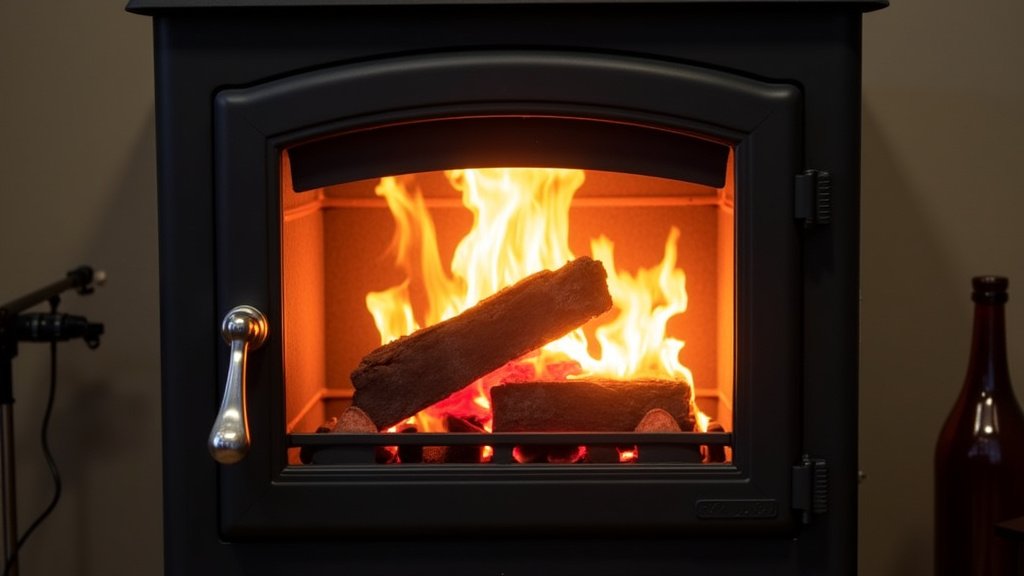
Select one large, dense piece of seasoned hardwood. This log should be significantly larger than your typical firewood pieces. Place this log carefully onto the bed of hot embers. Position it so it will receive good contact with the coals. The goal is for this log to smolder, not to create large flames.
3. Reduce Airflow Strategically
This is the most critical step. You need to restrict the oxygen supply to the fire. Most wood stoves have adjustable air vents. You’ll want to close these down significantly. Often, there’s a primary air intake and a secondary air intake. Close the primary intake almost completely. Leave the secondary intake slightly open, or adjust it according to your stove’s manual. This allows just enough oxygen for the log to smolder slowly. To bank a fire, you need to restrict the oxygen supply, and this guide explains how to reduce smoke from your wood stove for better efficiency.
We found that each stove is a bit different. Your stove’s manual will provide the best guidance on air vent settings for banking. Many manuals suggest closing the primary air damper down to about 10% of its full opening. The secondary air control might be left open slightly more. Experimentation is key here to find the perfect balance for your specific stove model.
4. Monitor and Adjust
After adjusting the vents, watch your stove for a short period. You don’t want the fire to go out completely, nor do you want it to flare up intensely. If flames start to grow too large, reduce the air intake a little more. If the fire dies down too quickly, open the vents slightly.
The ideal scenario is a slow, consistent smolder. You should see a faint glow and perhaps a wisp of smoke. You might hear a very gentle crackling sound. This is the fire working hard to consume the log slowly.
5. Check Stove Door Seal
A good seal on your stove door is essential. A leaky seal can allow too much air into the firebox. This may help explain overnight heat loss. This can cause your banked fire to burn out too quickly or even become unpredictable. Check the door gasket regularly. Replace it if it looks worn or compressed. A good seal ensures your air controls are doing their job effectively.
What to Do in the Morning
When morning arrives, you’ll likely see a pile of ash and possibly some unburned pieces of your banking log. The embers might still be warm. To relight your fire, simply open the air vents fully to introduce oxygen. For more detail, see our guide to starting a wood stove fire. You can then add some small kindling and smaller pieces of wood on top of the remaining embers. They should catch fire relatively quickly. You’re essentially restarting the fire with a head start.
Safety First! Always Prioritize Safety
Wood stove safety is paramount, especially when banking fires. For another basic precaution, see where to keep a fire extinguisher near a wood stove. Always consult your wood stove’s owner’s manual. It will have specific instructions tailored to your model. Ensure your chimney is clean and free of blockages. We found that regular chimney inspections and cleaning are vital for safe operation (U.S. Fire Administration). A clean chimney allows smoke to escape properly.
Never bank a fire if you have any doubts about your stove’s condition or your understanding of the process. If you notice any unusual smells, excessive smoke in the house, or if your stove is malfunctioning, stop immediately. Contact a qualified professional. Your safety and the safety of your home are the top priorities.
A Quick Checklist for Banking Your Fire
- Ensure you have a hot bed of embers.
- Select one large, dry hardwood log.
- Place the log carefully onto the coals.
- Dampen primary air intake significantly.
- Slightly open secondary air intake.
- Check stove door seal for leaks.
Conclusion
You’ve learned how banking your wood stove fire can keep your home warm and cozy all night. By mastering the steps of preparing embers, adding a large hardwood log, and carefully controlling airflow, you’ll save wood and enjoy easier mornings. Remember, using seasoned hardwood is essential for efficient, long-lasting smoldering. Always prioritize safety by consulting your stove’s manual and ensuring your chimney is clear. Give banking a try tonight, and experience the comfort and convenience for yourself!
Frequently Asked Questions
How do I know if my wood is seasoned enough for banking?
Seasoned wood, ideal for banking, should have a moisture content below 20%. You can tell by its weight (it’s lighter) and sound (it makes a sharp crack when struck). We found that wood left to dry for at least six months is usually well-seasoned. You’ll also often see cracks on the ends of the logs.
What happens if I bank my fire with too much air?
If you leave too much air flowing, your banked log will burn too quickly and likely go out before morning. This defeats the purpose of banking. You want a slow, controlled smolder, not a vigorous burn. We learned that even a small adjustment to the air vents makes a big difference.
Can I bank a fire with softwoods like pine?
We don’t recommend banking fires with softwoods like pine or fir. These woods burn much faster and hotter than hardwoods. They tend to flare up and won’t smolder effectively overnight. They’re better suited for getting a fire started quickly.
My stove smokes when I try to bank the fire. What could be wrong?
Excessive smoke inside your home while banking usually indicates a chimney issue or poor airflow control. Ensure your chimney is clean and not blocked. You might also be closing the air vents too much, too soon, or your stove door seal might be leaky. Always check your stove manual for specific air damper settings.
How do I restart the fire in the morning after banking?
To restart your fire, simply open all the air vents fully. This introduces oxygen to the remaining embers. Add small pieces of kindling and progressively larger wood on top of the warm coals. They should catch fire fairly quickly, giving you a head start on your morning fire.