How Far Should a Fire Pit Be from a House?
On this page (6 sections)
When placing a fire pit near your house, the most important safety rule is to maintain at least 10 to 25 feet of clearance. This distance ensures your home is protected from stray embers and heat. Always check your local fire codes and insurance policies, as they may have stricter requirements for fire pit placement. We found that a good rule of thumb is to measure from the edge of the pit to the nearest part of your house, including decks and overhangs.
Understanding the ideal distance is key to enjoying your fire pit safely. Factors like the size of the fire pit and the prevailing wind direction also play a role in determining the safest spot. Many experts advise considering any nearby structures, including fences, sheds, or even overhanging trees, to prevent accidents. Keeping a safe distance is not just about avoiding damage; it’s about creating a worry-free gathering space for you and your loved ones. We found that a little planning goes a long way.
- Minimum safe distance: 10-25 feet from your house.
- Check local fire codes and insurance requirements.
- Consider wind direction and nearby structures.
- Account for pit size and potential for flying embers.
- Prioritize safety for enjoyable outdoor living.
Below, we’ll walk you through the specifics of fire pit placement and how to ensure yours is set up safely and responsibly. Let’s get your outdoor oasis ready for some cozy nights!
Safe Fire Pit Placement Near Your Home
When setting up your fire pit, thinking about its distance from your house is a top priority. We found that most experts recommend a minimum of 10 to 25 feet. This space is essential for keeping your home safe. It creates a buffer against heat and flying embers. Always check your local fire department’s rules. Your insurance company might also have specific requirements.
Understanding the Importance of Distance
Why such a big distance? It’s all about preventing accidents. A fire pit can generate intense heat. Without enough space, that heat can damage your home’s siding or roof. Stray sparks are also a real concern. A strong gust of wind can carry embers much farther than you might expect. Keeping a safe distance acts as a firebreak, protecting your property.
We found that thinking about the worst-case scenario is helpful. Imagine a windy night. You want to be sure your fire pit is far enough away that a sudden flare-up won’t become a danger to your home. This distance is not just a suggestion; it’s a safety standard for a reason.
Key Factors Influencing Fire Pit Distance
Several factors go into deciding the exact spot for your fire pit. It’s not a one-size-fits-all answer. Let’s break down what you need to consider.
Your Fire Pit’s Size and Type
The size of your fire pit matters. Larger pits tend to produce bigger fires. Bigger fires mean more heat and a greater chance of sparks flying out. A small tabletop fire bowl might need less clearance than a large, custom-built fire pit. Also, consider the type of fire pit. Metal fire pits can get very hot on their sides, while stone or brick ones radiate heat differently.
Wind Patterns in Your Area
You can’t control the wind, but you can plan around it. Where do winds typically blow from in your yard? If your house is usually upwind from where you want to place the pit, that’s a good start. However, wind can shift. We found that observing your yard’s wind patterns over a few days can be very telling. If you know strong winds are common, you might want to err on the side of more distance.
Nearby Structures and Overhangs
Think beyond just your house. What else is close by? Decks, patios, fences, sheds, pergolas, and even low-hanging tree branches are all potential hazards. A deck, for instance, is often made of wood and is very flammable. An overhang on your house can trap heat and smoke. We found that anything within the 10-25 foot range needs careful assessment. You need to measure from the fire pit to the closest point of these structures.
Ground Surface Around the Pit
What’s under and around your fire pit? A pit placed directly on a wooden deck is a definite no-go. You need a non-combustible surface. This includes gravel, concrete, pavers, or bare dirt. We found that even with a safe distance, placing your pit on a flammable surface adds unnecessary risk. Ensure there’s a clear, non-flammable zone of at least A pit placed directly on a wooden deck is a definite no-go; our guide explains why a non-combustible surface is essential.3-5 feet around the pit itself.
Navigating Local Regulations and Codes
Here’s where things can get a little official. Your local government and fire department have rules for a reason. They aim to keep everyone in the community safe. Skipping this step is one of the biggest mistakes homeowners make. We found that compliance is key to worry-free enjoyment.
Understanding Fire Codes
Fire codes often dictate specific distances. These codes can vary significantly from one city or county to another. Some areas might have a blanket rule for all fire pits. Others might have different rules for permanent versus portable fire pits. You may also find regulations about the type of fuel you can burn or even specific times of year when open burning is restricted due to dry conditions.
Many fire departments offer information on their websites. You can also call them directly. They are usually happy to clarify the rules. We found that a quick phone call can save you a lot of potential headaches later on.
Insurance Policy Considerations
Your homeowner’s insurance policy is another important document to check. Some policies may have clauses related to outdoor fires or structures like fire pits. They might specify a minimum distance from your home or require certain safety features. If an incident occurs and you haven’t followed your policy’s guidelines, your coverage could be affected. It’s wise to review your policy or speak with your insurance agent.
Ensuring Maximum Safety: Best Practices
Beyond the minimum distance, there are other steps you can take to make your fire pit experience as safe as possible. These practices add extra layers of protection.
Clearance Zone: What to Keep Away
Let’s be super clear about the zone around your fire pit. You need to keep flammable materials far away. This includes:
- Dry leaves and grass
- Wood piles
- Outdoor furniture cushions
- Tents or tarps
- Paint or solvents
- Any other combustible items
We found that maintaining a clear zone is non-negotiable. It’s the first line of defense against a fire spreading. Think of it as a safety moat around your fire.
Windy Conditions: When to Skip the Fire
If it’s an unusually windy day, it’s often best to skip the fire. Even with the recommended distance, strong winds increase the risk of embers escaping. Listen to weather reports. If wind advisories are in effect, it’s probably not the best night for a bonfire. Your safety, and the safety of your home, comes first. We found that sometimes the smartest move is to wait for calmer weather.
Supervision and Extinguishing
Never leave a fire unattended. A responsible adult should always be present. Make sure you have a way to extinguish the fire completely. This means having a bucket of water, sand, or a fire extinguisher nearby. Douse the embers thoroughly until no smoke or heat remains. We found that many fires that get out of hand started small but were left unsupervised.
A Quick Safety Checklist
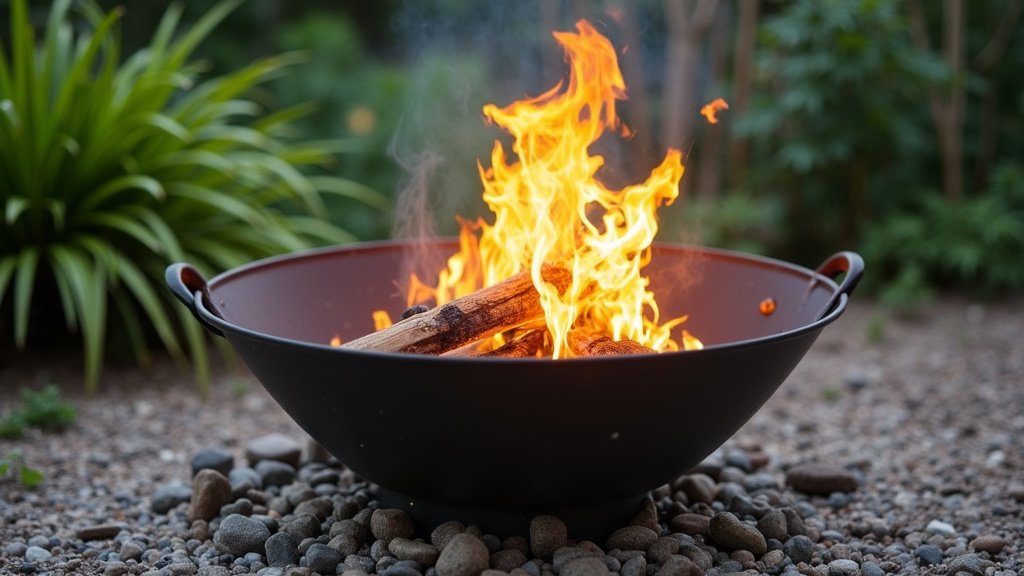
Before you light up your fire pit, run through this quick checklist. It helps ensure you’ve covered the basics.
- Is the fire pit at least 10-25 feet from your house and other structures?
- Is the area around the pit clear of flammable materials for at least 3-5 feet?
- Is the fire pit on a non-combustible surface?
- Have you checked local fire codes and any homeowner’s insurance requirements?
- Is the wind calm enough for safe burning?
- Do you have water or an extinguisher readily available?
Conclusion
You’ve learned the vital steps to safely position your fire pit. Remember that the 10-25 foot rule is your baseline for protecting your home. Always check local codes and insurance for specific mandates. Factors like wind, pit size, and nearby structures require your careful attention. By planning ahead and following these guidelines, you create a safe and enjoyable outdoor space. Take the final step: measure your yard and confirm your spot is compliant. Now you’re ready for cozy evenings by the fire!
Frequently Asked Questions
Does the 10-25 foot distance apply to portable fire pits?
Yes, the 10-25 foot distance generally applies to both permanent and portable fire pits. While portable pits might seem less risky, they can still generate significant heat and sparks. Always confirm local regulations, as some areas may have specific rules for portable units.
What if my yard is small and I can’t maintain 25 feet?
If your yard is small, prioritizing safety becomes even more critical. You may need to opt for a smaller fire pit or a type that produces less heat and fewer sparks. Some communities have stricter codes for smaller spaces, so checking local fire department guidelines is essential. In very tight spaces, consider alternatives like chimineas or tabletop fire bowls with appropriate clearances.
Do I need to measure from the edge of the fire pit or the flames?
You should measure from the outer edge of the fire pit itself to the nearest part of your house or other structures. The flames are dynamic, but the heat and potential for falling embers emanate from the entire fire pit structure. This measurement ensures a consistent buffer zone.
What counts as a “structure” when calculating distance?
“Structures” include anything that could catch fire or be damaged by heat. This covers your house, attached garages, decks, fences, sheds, pergolas, gazebos, and even dense shrubbery or overhanging tree branches. Always measure to the closest point of any of these.
Can I place a fire pit on my wooden deck if I use a protective mat?
No, you should never place a fire pit directly on a wooden deck, even with a protective mat. Decks are highly flammable, and heat can still transfer through mats, potentially igniting the wood. Always place your fire pit on a non-combustible surface like concrete, pavers, gravel, or bare earth, well away from the deck.