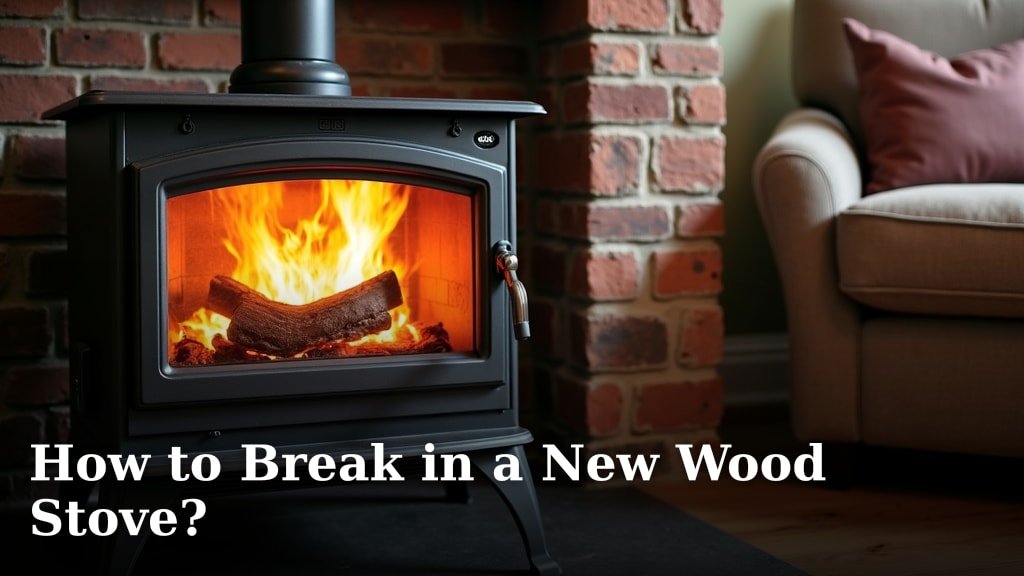
You might be wondering if your pellet stove needs a quick wipe-down every single day. It’s a fair question, especially when you’re relying on it for warmth. Let’s clear the air right away: your pellet stove doesn’t need a daily deep clean.
How Often Does a Pellet Stove Really Need Cleaning?
The truth is, you can set aside the daily dusting for your pellet stove. Most manufacturers and heating experts recommend a thorough cleaning every one to three months. This timeframe isn’t set in stone, though. It heavily depends on how often you use your stove and the quality of the pellets you burn.
Think of it like your car. You don’t give it a full wash and wax every day, right? You might check the tires or top off the windshield fluid. A pellet stove maintenance schedule is similar. Regular, lighter tasks are key, with deeper cleaning reserved for when it’s truly needed.
Why Daily Cleaning Isn’t Necessary (But Daily Checks Are Smart)
Pellet stoves are designed to burn fuel efficiently. While some ash is a natural byproduct, it’s not like the creosote buildup you see in wood-burning fireplaces. The controlled burn in a pellet stove generally produces less residue. Learn why pellet stoves cleaner than wood stoves in our comparison.
So, what should you be doing daily? It’s about simple observations. You’re looking for anything out of the ordinary. This might include unusual noises, a strange smell, or a visible change in the flame pattern. We found that paying attention to these small details can help you catch potential issues early.
What to Look For During Daily Checks
Your daily pellet stove check should be quick and easy. Grab a flashlight and take a peek. Are the flames burning a healthy yellow or orange? Is there an excessive amount of ash accumulating in the burn pot?
Another thing to observe is the exhaust vent. Is it clear? Are there any obvious obstructions? We found that a quick visual inspection takes less than a minute and can prevent bigger problems down the line. It’s about being observant, not about scrubbing.
Understanding Your Pellet Stove’s Burn Pot
The burn pot is where the magic happens. It’s the heart of your pellet stove. This is where pellets are fed and burned to generate heat. Because it’s the primary combustion area, it’s also where most of the ash will collect.
Daily cleaning of the burn pot is generally not needed. However, if you notice that the burn pot is filling up rapidly with ash, it might be a sign of lower-quality pellets or that your stove needs a more frequent cleaning. We found that some users prefer to give their burn pot a quick scrape every few days if they’re running it constantly.
When to Empty the Burn Pot
You’ll know it’s time to empty the burn pot when it’s nearly full of ash. This usually happens after several days or even a week of continuous use, depending on your stove model and pellet type. If the ash starts to impede the airflow or interfere with the proper feeding of new pellets, it’s time for action.
To empty it, make sure the stove is completely cool. Then, carefully remove the ash into a metal container. Some stoves have a removable ash pan, while others require you to scoop it out. This is a simple task that keeps your stove running smoothly. We found this to be a very manageable chore.
The Role of Pellet Quality in Cleaning Frequency
Not all pellets are created equal. The type and quality of the wood pellets you use can significantly impact how often you need to clean your stove. High-quality pellets burn hotter and cleaner, producing less ash and fewer fines.
Lower-quality pellets, often made from softer woods or containing more binders and contaminants, can burn less efficiently. This means more ash, more frequent clogs, and a greater need for cleaning. Many experts suggest using premium hardwood pellets for the cleanest burn.
Identifying High-Quality vs. Low-Quality Pellets
How can you tell the difference? High-quality pellets are typically uniform in size and color. They have a smooth texture and a consistent density. When you burn them, you should see a hot, steady flame and minimal clinkers (hard, glassy chunks of ash).
Low-quality pellets might be dusty, brittle, or uneven in color. They can produce a weaker flame, more smoke, and a significant amount of ash. We found that investing in better pellets can save you time and hassle with cleaning. Think of it as a small investment for a cleaner home and stove.
Frequency of Use: The Biggest Factor
This is perhaps the most straightforward factor. The more you use your pellet stove, the more often it will need maintenance. A stove that runs 24/7 during a cold winter will require more frequent attention than one used only a few hours a day for supplemental heat.
If you’re using your stove as your primary heat source, expect to perform cleaning tasks more often. If it’s just for cozy evenings, you can stretch the time between deep cleans. We found that users running their stoves on lower settings might also experience different ash buildup patterns.
When a Deep Clean is Truly Necessary
A deep clean involves more than just emptying the burn pot. It means cleaning out the ash from the firebox, cleaning the combustion blower and exhaust vent, and ensuring all components are free from debris.
You’ll know it’s time for a deep clean when you notice:
- A consistent drop in heating efficiency.
- Difficulty starting the stove.
- The flame appears weak or doesn’t burn cleanly.
- You see a significant amount of ash buildup in areas other than the burn pot.
- Your stove is producing unusual noises or smells.
Many manufacturers recommend a full cleaning at the beginning and end of each heating season. We found that some users simply follow a calendar—cleaning every 500 hours of operation, for instance. It really boils down to observing your stove’s performance.
What a Typical Cleaning Schedule Looks Like
Let’s break down a realistic maintenance schedule. This is a general guide, and you should always consult your owner’s manual for specific recommendations.
| Task | Frequency | Notes |
|---|---|---|
| Visual Inspection (Flame, Vents) | Daily (during operation) | Look for anything unusual. |
| Empty Burn Pot | Every few days to weekly | When ash impedes function. |
| Clean Glass Door | As needed (weekly/bi-weekly) | For better viewing and efficiency. |
| Ash Removal from Firebox | Monthly or as needed | After a full cleaning of the burn pot. |
| Thorough Cleaning (Internal Components, Blower, Vent Pipe) | Every 1-3 months | Or at start/end of season. |
This table shows that the daily work is minimal. It’s the deeper cleaning that happens less often. We found that sticking to a schedule like this makes maintenance feel less overwhelming.
Quick Checklist for Regular Maintenance
Here’s a handy checklist to keep your stove running smoothly. Print it out and tack it near your stove!
- Check flame pattern daily.
- Empty ash from burn pot when nearly full.
- Wipe down the glass door for clear viewing.
- Remove excess ash from the firebox monthly.
- Schedule a full deep clean every 1-3 months.
By following these simple steps, you ensure your pellet stove remains a safe and efficient source of heat for your home. It’s about consistent care, not constant scrubbing. We found that users who implement a routine often enjoy fewer problems.