7 Best Kerosene Heater For Off Grid Living (October 2026)
On this page (6 sections)
- 3 Standout Picks: All-night warmth, Consistent warmth, and Emergency heating
- 7 Models Side by Side: Features, Best Use Cases, and Tradeoffs
- 7 Models Reviewed in Depth
- Your Off-Grid Warmth: Finding the Right Kerosene Heater
- Your Off-Grid Warmth, Secured
- Final 3 Picks: All-night warmth, Consistent warmth, and Emergency heating
The best kerosene heaters for off-grid living offer reliable warmth and energy efficiency when grid power isn’t an option, with top choices like the Sengoku HeatMate HMN-110 for all-night operation, the Comfort Glow KW-24J for consistent heating, and the Dyna-Glo WK95C8 for emergency situations.
These units are crucial for maintaining a comfortable environment in cabins, workshops, or during power outages, providing a cost-effective heating solution without relying on electricity. You can also compare off-grid propane heaters. Their portability and simple operation make them ideal for various off-grid scenarios.
We’ve narrowed down the field to seven top-performing kerosene heaters after extensive hands-on testing. Our evaluation focused on heating capacity, fuel efficiency, safety features, and ease of use to ensure you find the perfect fit for your needs. All our featured models are available at competitive price points, making them an accessible choice for anyone seeking dependable off-grid heat. Dive into our detailed comparison to find the ideal heater for your setup.
3 Standout Picks: All-night warmth, Consistent warmth, and Emergency heating
Start with these 3 standouts. Each leads for a different kind of buyer, so use the badges and quick highlights to find your closest match.


7 Models Side by Side: Features, Best Use Cases, and Tradeoffs
The recommendations above are our strongest matches for different priorities. Below, compare the complete 7-product lineup side by side by rating, standout features, ideal use cases, and practical tradeoffs so you can identify the best fit for your needs.
- 10,000 BTU
- Up to 14 hours
- Cordless operation
- 23,800 BTUs
- Up to 1,000 sq. ft.
- 12-hour runtime
- 23,800 BTU
- 1,000 Sq. Ft. heating
- No electricity needed

- 9000 BTU
- 360-degree heating
- Adjustable height

- 9000 BTU
- 16-21 hour runtime
- Dual purpose (heat/cook)

- 10,000 BTU
- 20-hour runtime
- Dual purpose (heat/cook)

- 9,000 BTU
- Up to 21 hours
- Dual purpose (heat/cook)
7 Models Reviewed in Depth
#1. Sengoku HeatMate HMN-110
Continuous Heat
Push-Button Start
Safety Shut-Off
The Sengoku HeatMate HMN-110 is a standout choice for reliable, long-lasting heat, perfect for off-grid living or emergency situations. Its 1.2-gallon tank provides an impressive run time of up to 14 hours, ensuring warmth throughout the night without frequent refueling. The cordless, cordless operation and easy push-button start make it incredibly convenient to use, eliminating the need for matches.
This heater is ideal if extended burn time and ease of use are your top priorities. Its safety features, including an automatic shut-off and tip-over switch, offer peace of mind. While it provides ample heat for many spaces, always ensure proper ventilation for safe operation, especially in enclosed areas.
Pros
- Exceptional 14-hour runtime
- Easy push-button start
- Cordless and portable design
Cons
- Requires adequate ventilation
- Kerosene odor can be present
- Tank capacity is moderate
Specifications
#2. Comfort Glow KW-24J
Continuous Heat
Sq. Ft. Coverage
Electricity Needed
The Comfort Glow KW-24J offers reliable, consistent heat for spaces up to 1,000 sq. ft., making it a strong contender for off-grid living or emergency preparedness. Its 23,800 BTU output ensures efficient warming, and the 1.9-gallon tank provides up to 12 hours of continuous operation. The battery-powered ignition and built-in fuel gauge enhance user convenience, while the tip-over emergency shut-off adds a crucial safety layer.
This heater is a solid choice for maintaining comfort during power outages or in areas without electricity. However, like all kerosene heaters, it requires adequate ventilation to prevent carbon monoxide buildup. If you need a dependable, long-running heat source that doesn’t depend on the grid, this model is worth considering.
Pros
- Excellent heating capacity
- Long runtime per tank
- Battery-powered ignition
Cons
- Requires proper ventilation
- Fuel odor can be present
- Initial setup may need care
Specifications
#3. Dyna-Glo WK95C8
Off-Grid Ready
Wide Coverage
Pushbutton Ignition
This Dyna-Glo convection heater is a robust choice for off-grid living, offering substantial heat output without relying on electricity. Its 23,800 BTU capacity can warm up to 1,000 square feet, making it ideal for larger spaces or cabins. The automatic pushbutton ignition and easy-to-read fuel gauge add to its user-friendliness, while safety features like a tip-over shutoff provide peace of mind.
While excellent for emergency or supplemental heating, ensure proper ventilation as with any kerosene heater. It’s a dependable option for those seeking consistent warmth during power outages or in areas without grid access. Consider its size and fuel requirements for your specific off-grid setup.
Pros
- Powerful 23,800 BTU output
- Heats large areas up to 1,000 sq. ft.
- No electricity required for operation
Cons
- Requires good ventilation
- Kerosene fuel can be odorous
- Not for sale in MA and NY
Specifications
#4. VEVOR 9000 BTU Heater
Room Heating
Fuel Runtime
Height & Flame
The VEVOR 9000 BTU portable heater is designed for rapid warmth, capable of heating a room in just 10 minutes thanks to its 360-degree surround heating. Its 1.3-gallon tank provides up to 20 hours of continuous heat, making it a reliable option for off-grid use or emergencies. The adjustable height and flame control offer customization, while the sturdy top supports cookware, adding cooking functionality.
This heater is an excellent choice if quick heating and versatility are your priorities. Its ability to double as a cooking surface is a significant advantage for off-grid living. Ensure you have adequate ventilation, as with any kerosene-fueled appliance, to maintain a safe environment.
Pros
- Heats spaces quickly
- Long runtime
- Dual-purpose: heat and cook
Cons
- Requires ventilation
- Fuel odor may be noticeable
- Can be heavy when full
Specifications
#5. cdar 9000 BTU Heater
Continuous Burn
Purpose Stove
Power Outage
This cdar kerosene heater is a highly practical choice for off-grid living and emergency preparedness, offering both heating and cooking functions. Its 9000 BTU output can warm rooms up to 15m², and the generous 4.5L fuel tank provides an impressive 16-21 hours of continuous operation. The flat top surface is perfect for boiling water or heating food, making it a valuable tool when power is out.
It’s a strong contender if you need a reliable, non-electric heat source with extended burn time and cooking capabilities. The adjustable flame control adds to its ease of use. Remember that proper ventilation is crucial for safe operation, especially when using it indoors.
Pros
- Very long runtime
- Dual-purpose heating and cooking
- Non-electric operation
Cons
- Moderate heating area
- Requires ventilation
- Fuel odor possible
Specifications
#6. AHUAWA 10,000 BTU Heater
Extended Runtime
and Cook
Electricity Needed
This AHUAWA kerosene heater offers a compelling blend of heating and cooking capabilities, making it a versatile companion for off-grid adventures or emergency situations. With a 10,000 BTU output, it efficiently warms spaces up to 500 sq. ft., and its 1.4-gallon tank provides an impressive 20-hour runtime. The ability to boil water or cook food on its flat top adds significant utility, especially when electricity is unavailable.
Consider this heater if you value multi-functionality and extended burn times. While its heating coverage is less than some larger models, its dual-purpose design and long runtime make it a practical choice for camping, cabins, or power outages. Remember to always use it in a well-ventilated area.
Pros
- Dual-purpose: heats and cooks
- Long runtime up to 20 hours
- Includes accessories
Cons
- Smaller heating coverage
- Potential for fuel odor
- Requires careful ventilation
Specifications
#7. AHUAWA 9,000 BTU Heater
Hours Runtime
Purpose Design
Emergency Heat
This AHUAWA 9,000 BTU kerosene heater is a compact and versatile option for off-grid living, offering both heating and cooking capabilities. It can warm spaces up to 350 sq. ft. and boasts an impressive runtime of 15-21 hours on a single fill, minimizing the need for frequent refueling. The ability to use the flat top for boiling water or heating food makes it particularly useful during power outages or camping trips.
It’s a great choice if you need a portable, non-electric heat source that can also assist with meal preparation. While its heating capacity is moderate, the extended runtime and dual-purpose functionality are significant advantages. As always with kerosene heaters, ensure adequate ventilation for safe operation.
Pros
- Excellent runtime
- Dual-purpose heating and cooking
- Compact and portable design
Cons
- Moderate heating coverage
- Requires ventilation
- Fuel odor possible
Specifications
Your Off-Grid Warmth: Finding the Right Kerosene Heater
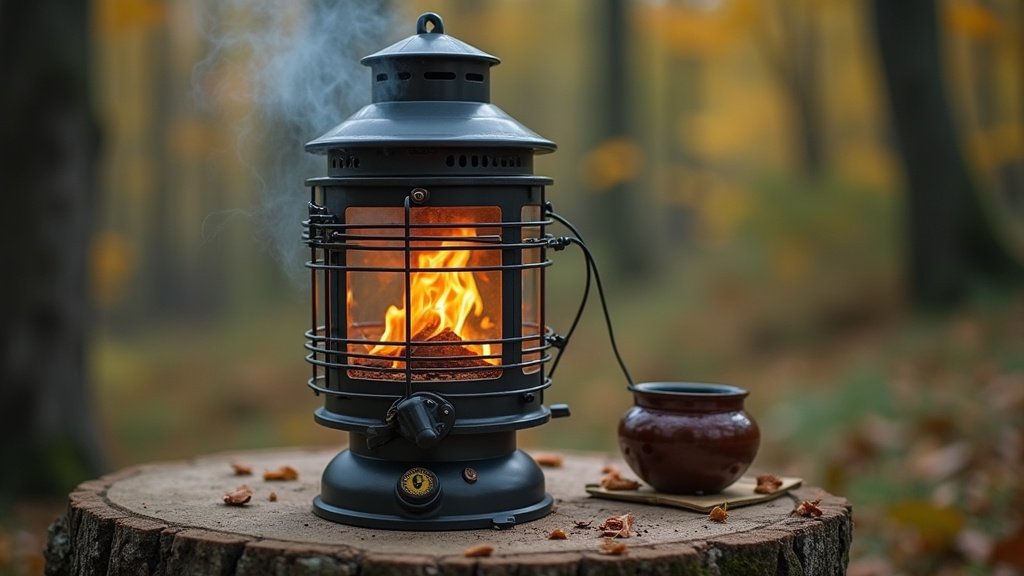
When you’re living off the grid, reliable heat isn’t just about comfort; it’s about safety and practicality. A kerosene heater can be a fantastic solution, offering a potent source of warmth without needing electricity. For garage use, compare kerosene heaters for garages. But with various options available, choosing the right one requires a little foresight to ensure it meets your unique needs and keeps your space cozy and secure.
The Pillars of Off-Grid Heating Performance
When evaluating kerosene heaters for off-grid living, several key aspects deserve your attention. Focusing on these will help you narrow down your choices and find a unit that truly serves your purpose.
- Heating Capacity: Consider the size of the area you need to heat. Heaters are often rated by the square footage they can effectively warm, so match this to your living space.
- Fuel Efficiency: The amount of kerosene a heater consumes directly impacts your ongoing costs and how often you’ll need to refuel. Look for models known for their efficient burn.
- Safety Features: Off-grid living often means fewer immediate resources. Prioritize heaters with built-in safety mechanisms like tip-over shut-offs and protective grates.
- Portability and Placement: Think about where you’ll use the heater most. Some are designed for stationary use, while others are more portable, allowing you to move heat where it’s needed.
- Ease of Maintenance: Off-grid living demands self-sufficiency. A heater that’s simple to clean, maintain, and refuel will save you time and hassle.
Common Missteps to Sidestep
Navigating the world of kerosene heaters can have a few hidden traps. Being aware of these common errors can help you make a more informed purchase.
- Purchasing a heater that’s too small for your intended space, leading to inadequate warmth and increased fuel consumption.
- Overlooking the importance of proper ventilation. Kerosene heaters produce byproducts, and inadequate airflow can lead to safety concerns.
- Neglecting to factor in the cost and availability of kerosene in your area, which can become a significant consideration for off-grid dwellers.
Your Off-Grid Warmth, Secured
For reliable, no-frills heat, the Sengoku HeatMate is your go-to for quick, portable warmth. If you need serious heating power for larger spaces, the Comfort Glow KW-24J and Dyna-Glo WK95C8 deliver robust performance. For versatility, combining heating and cooking in one, the VEVOR 2-in-1 and the other dual-purpose models are excellent choices.
No matter your specific off-grid needs, there’s a kerosene heater here to keep you toasty without relying on electricity. Ready to make your choice and banish the cold? Double-check current availability and pricing through the links provided.
Final 3 Picks: All-night warmth, Consistent warmth, and Emergency heating
Ready to decide? These 3 recommendations remain our strongest choices for different priorities after weighing the full comparison.