Can You Use a Space Heater in a Bathroom?
On this page (9 sections)
- Heating Your Bathroom Safely: What You Need to Know
- Why Bathrooms Are Different (and Dangerous for Heaters)
- What Makes a Space Heater Bathroom-Ready?
- Types of Heaters That ARE Safe for Bathrooms
- What to Look for When Buying a Bathroom Heater: A Checklist
- Heaters You Should NEVER Use in a Bathroom
- Installation and Usage Best Practices
- Conclusion
- Frequently Asked Questions
Yes, you can use a space heater in a bathroom, but you must use one that is specifically designed for damp environments. Using the wrong type of heater can create a serious fire or electrocution hazard. Safety is the absolute priority when heating bathrooms.
Many standard electric heaters are not safe for bathrooms due to moisture. We found that heaters certified for bathroom use have safety features to prevent water from reaching electrical components. Always check the heater’s label and manufacturer’s instructions before plugging it in.
- Yes, with a bathroom-safe heater.
- No, with standard, non-rated heaters.
- Look for GFCI protection.
- Ensure it’s water-resistant.
- Always check the manual.
Let’s walk through exactly what makes a space heater safe for a bathroom and what you should look for to keep your space warm and your family safe.
Heating Your Bathroom Safely: What You Need to Know
So, you’re thinking about adding a space heater to your bathroom? It’s a common desire, especially when stepping out of a steamy shower into a chilly room. But can you just grab any old heater? Absolutely not. The key is choosing a heater specifically built for moist environments.
Using a standard heater in a bathroom is like wearing a swimsuit in a blizzard – it’s just not designed for that kind of weather, or in this case, moisture. We found that many experts warn against this because water and electricity are a dangerous mix. But with the right heater, you can add cozy warmth without the worry.
Why Bathrooms Are Different (and Dangerous for Heaters)
Your bathroom is a unique space. It’s where water is used freely. Think showers, baths, sinks, and even just humidity hanging in the air. This constant presence of moisture is what makes it a no-go zone for most household appliances.
The Dangers of Water and Electricity
When water comes into contact with electrical components, it can lead to a few nasty outcomes. The most immediate concern is electrocution. Water is a conductor, meaning it can carry an electric current. If a standard heater gets wet, that current could travel through the water and, unfortunately, through you if you touch it.
Then there’s the risk of short circuits. Moisture can cause electrical parts to corrode or malfunction. This can lead to sparks, overheating, and ultimately, a fire hazard. Many household fires start because of electrical issues, and bathrooms can unfortunately be a prime spot if the wrong equipment is used.
Humidity’s Subtle Threat
Even if your heater isn’t directly splashed, the high humidity in a bathroom can be a slow, steady enemy. Over time, moisture can seep into parts of a heater not designed to handle it. This can degrade its components, making it less safe and less reliable, even if it seems to be working fine.
What Makes a Space Heater Bathroom-Ready?
So, what’s the magic ingredient that makes a heater safe for your bathroom? It all comes down to design and safety certifications. Manufacturers who create heaters for these damp environments build them with specific features to combat moisture.
Water Resistance is Key
Bathroom-safe heaters are built with materials and construction that help resist water ingress. This means they have seals, coatings, and designs that prevent water from easily reaching the sensitive electrical guts. You’ll often see terms like “damp-rated” or “water-resistant” on their packaging.
GFCI Protection: Your Electrical Guardian
One of the most critical safety features is Ground Fault Circuit Interrupter (GFCI) protection. You’ve probably seen GFCI outlets in kitchens and bathrooms already – they have little “Test” and “Reset” buttons. We found that these devices are designed to quickly shut off power if they detect an imbalance in the electrical current, which often happens when electricity goes somewhere it shouldn’t, like through water.
A heater with built-in GFCI protection provides an extra layer of defense. If a dangerous situation begins to develop, the GFCI will trip, cutting off power before it becomes a serious hazard. Think of it as a tiny, super-fast fuse that saves the day.
Enclosed Heating Elements
Many heaters expose their heating coils directly. In a bathroom, this is a big no-no. Bathroom-safe heaters often have enclosed heating elements. This means the hot parts are shielded, reducing the risk of direct contact with water splashes and also preventing dust or lint from igniting on the hot surfaces. It’s like putting a protective case around something delicate.
Types of Heaters That ARE Safe for Bathrooms
Not all hope is lost for a toasty bathroom! There are specific types of heaters that are designed with bathroom safety in mind. When you’re shopping, keep an eye out for these:
Wall-Mounted or Ceiling-Mounted Heaters
These are often the best solution. They are permanently installed and typically designed to be wired directly into your home’s electrical system. Because they are fixed in place and often installed out of direct splash zones, they can be very safe.
We found that many of these units have sealed components and robust construction. They are specifically engineered to handle the moisture and temperature fluctuations common in bathrooms. Plus, they don’t take up precious floor space, which is always a win in smaller bathrooms.
Portable Heaters with Specific Ratings
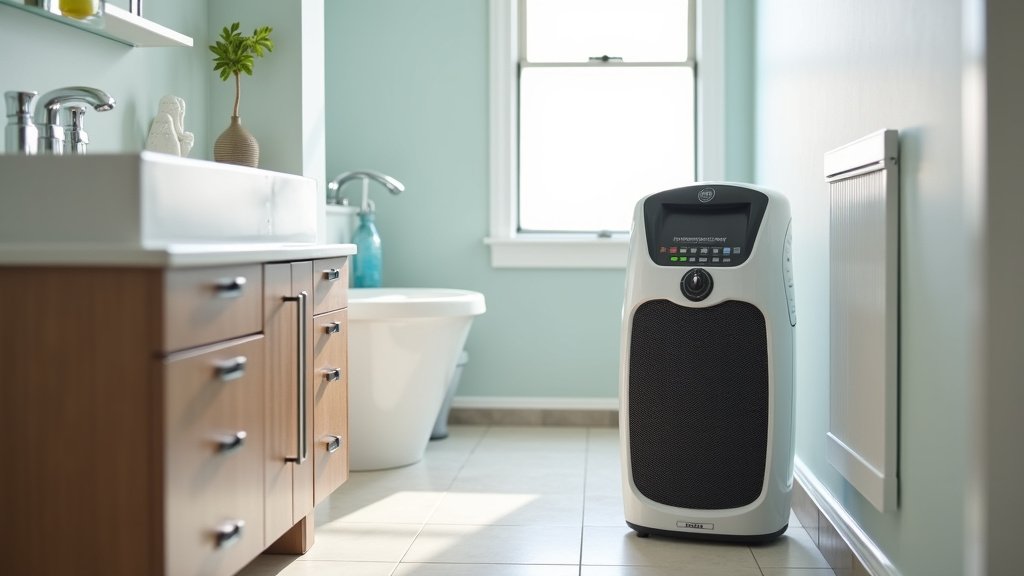
If you prefer a portable option, you absolutely must look for heaters that are explicitly rated for bathroom use. These will clearly state their suitability for damp locations on the product label and in the manual. They will incorporate the GFCI protection and water-resistant features we discussed.
Don’t assume a heater is safe just because it’s small or electric. Always, always check the IP rating (Ingress Protection) if available, or look for clear statements about bathroom use. For example, an IPX4 rating means a device is protected against splashing water from any direction. That’s a good sign for bathroom appliances.
What to Look for When Buying a Bathroom Heater: A Checklist
Ready to find the right heater? Here’s a quick rundown of what you need to check to ensure you’re making a safe choice for your bathroom.
- Bathroom-Specific Certification: Does the packaging or manual clearly state it’s safe for bathrooms or damp locations?
- GFCI Protection: Does it have a built-in GFCI plug or is it designed to be used with a GFCI outlet?
- Water-Resistant Design: Look for mentions of water resistance or an appropriate IP rating (like IPX4 or higher).
- Enclosed Heating Elements: Are the heating coils hidden or protected, not exposed?
- Stable Base or Secure Mounting: If portable, does it have a wide, stable base to prevent tipping? If wall-mounted, is it securely installed?
- Overheat Protection: Does it have an automatic shut-off if it gets too hot? This is a good safety feature for any heater.
Taking a moment to check these boxes can save you from a lot of potential trouble. It’s about being informed and prioritizing safety above all else.
Heaters You Should NEVER Use in a Bathroom
Understanding what not to use is just as important as knowing what to look for. Some heaters are absolute no-gos for bathrooms, no matter how tempting they might seem for quick warmth.
Standard Electric Heaters
This is the big one. Any portable electric heater that doesn’t explicitly state it’s safe for damp locations should be kept far away from your bathroom. These are designed for dry living areas and lack the necessary protections against moisture.
Kerosene or Propane Heaters
These types of heaters are designed for well-ventilated outdoor or workshop areas. They produce fumes and require significant ventilation to operate safely. Using them in a small, enclosed bathroom is incredibly dangerous due to the risk of carbon monoxide poisoning and fire. The CDC strongly advises against using fuel-burning heaters indoors without proper ventilation.
Oversized or High-Wattage Heaters
Even if a heater has some water resistance, an excessively powerful heater might overwhelm the electrical system or pose a greater fire risk if something goes wrong. Stick to heaters sized appropriately for the room.
Installation and Usage Best Practices
Once you’ve found a suitable heater, how you install and use it matters. Proper setup is crucial for safety.
Read the Manual! Seriously.
We can’t stress this enough: always read the manufacturer’s instructions. Every heater is different, and the manual will tell you exactly how to set it up, where to place it, and any specific safety precautions. It’s your primary guide.
Placement is Critical
Even with a bathroom-safe heater, placement is key. Keep it away from direct water sources like the showerhead or bathtub. Ensure it’s not in a position where it could be easily knocked over or splashed. For wall-mounted units, follow the recommended clearances from water sources and the floor.
Regular Checks and Maintenance
Periodically inspect your heater for any signs of wear or damage. Check the cord, plug, and housing. If you notice any fraying, cracks, or unusual smells, unplug it immediately and consider replacing it. Keeping it clean also helps prevent dust buildup, which can be a fire hazard.
Think of it like checking your smoke detector batteries. It’s a small task that provides immense peace of mind. By taking these simple steps, you ensure your bathroom heater remains a source of comfort, not concern.
Conclusion
So, you can warm up your bathroom safely, but it’s not a simple plug-and-play situation. The biggest takeaway is that only heaters designed for damp environments are safe. Standard heaters pose serious risks of electrocution and fire due to moisture. Always prioritize bathroom-specific certifications and features like GFCI protection and water resistance. Before you buy, double-check that the heater has enclosed heating elements and compare bathroom space heaters. Your next step is to carefully inspect any heater you’re considering, ensuring it meets these safety standards to keep your bathroom cozy and your family secure.
Frequently Asked Questions
Can I use a regular electric space heater in my bathroom if I’m careful?
No, we strongly advise against using a regular electric space heater in a bathroom. These units aren’t built to withstand moisture, and even careful use can’t eliminate the risk of electrocution or fire hazards. Always opt for a heater specifically rated for damp locations.
What does “damp-rated” mean for a bathroom heater?
“Damp-rated” means a heater has been designed and tested to be safe for use in areas with moderate moisture, like bathrooms. It indicates the unit has features to resist water ingress and protect its electrical components from humidity and splashes.
How far away from the shower should I place a bathroom space heater?
Even with a bathroom-safe heater, keep it a safe distance from direct water sources. We recommend placing it at least 6 feet away from the shower or bathtub to prevent splashes. Always consult the heater’s manual for specific placement guidelines.
Are wall-mounted bathroom heaters safer than portable ones?
Generally, permanently installed wall-mounted or ceiling-mounted heaters can be very safe for bathrooms. They are typically wired directly, designed with robust, sealed components, and often placed out of direct splash zones. However, any portable heater must still have explicit bathroom safety ratings.
What is an IP rating, and why is it important for bathroom heaters?
An IP (Ingress Protection) rating tells you how well an electrical enclosure protects against solid objects and liquids. For bathrooms, you’ll want an IP rating like IPX4 or higher, which means the heater is protected against splashing water from any direction. This rating is a good indicator of its suitability for damp environments.