Why Is My Fireplace Insert Not Producing Heat?
On this page (3 sections)
Your fireplace insert is likely not producing heat because of poor airflow, a common issue that prevents efficient combustion. Other major culprits include a dirty chimney, wet wood, or problems with the insert’s internal components.
It’s frustrating when your cozy fireplace isn’t warming your home as it should be, leaving you in the cold. We found that many issues stem from simple maintenance problems, while others might require a professional look. Don’t worry, we’ll help you get to the bottom of it.
TL;DR:
- Poor airflow stops heat production.
- Dirty chimneys block heat from escaping.
- Wet wood burns poorly and produces less heat.
- Damaged insert parts can prevent proper function.
- Regular maintenance is key to a warm home.
Let’s walk through the common reasons why your fireplace insert isn’t heating and what you can do about it.
Why Your Fireplace Insert Isn’t Warming Your Home
If your fireplace insert isn’t kicking out the heat you expect, it’s often due to one of a few common problems. Let’s break down the main reasons and how you can troubleshoot them.
Combustion Issues: When Your Fire Can’t Breathe
A roaring fire needs plenty of oxygen. If your fire is sputtering, smoking, or just not getting hot, poor airflow is likely the culprit. Think of it like trying to run a marathon while holding your breath – it just won’t work efficiently.
Restricted Air Intake
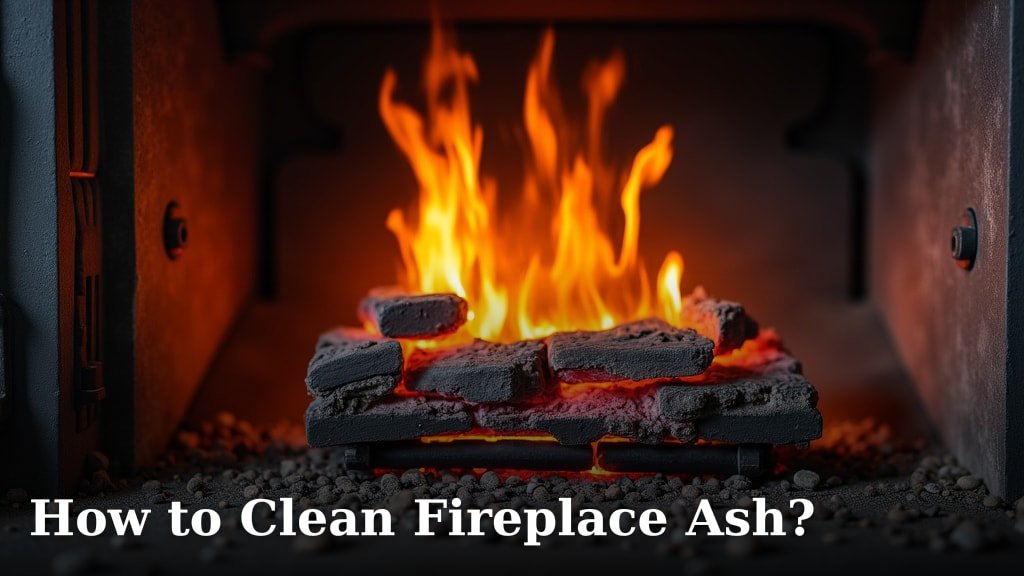
Your fireplace insert has specific vents to pull in air for combustion. If these are blocked, your fire will suffer. Ash buildup in the firebox can cover the air intake, starving the flames.
- Are the air intake vents open and clear?
- Is there excessive ash around the bottom of the firebox?
- Are there any obstructions outside, like leaves or debris, blocking the exterior vent?
We’ve found that even a small amount of ash can make a big difference. Regular cleaning is a quick fix for this issue.
Damp or Unseasoned Wood
Wood isn’t just fuel; it’s a critical part of the combustion process. Wet wood burns inefficiently, producing more smoke and less heat. It uses most of its energy trying to boil off water instead of generating warmth.
How do you know if your wood is dry enough? It should sound hollow when you tap two pieces together. You might also see cracks at the ends of the logs.
Many experts say wood should be seasoned for at least 6-12 months before burning (EPA).
Burning wet wood also creates creosote, a tar-like substance that can coat your chimney. This leads us to our next point.
Chimney Obstructions: Blocking the Heat’s Escape
Your chimney is more than just a smoke stack; it’s a vital part of your insert’s heating system. If it’s blocked, heat can’t properly circulate, and smoke can even back up into your home.
Creosote Buildup
Creosote is a highly flammable residue that forms when wood smoke condenses. It looks like a flaky, tarry, or shiny black coating inside your chimney. Beyond being a fire hazard, it also restricts airflow and can prevent heat from rising efficiently.
Think of it like plaque in an artery – it narrows the passage. The more creosote, the less draft your chimney has, and the less heat your insert can produce.
Annual chimney inspections and cleanings are crucial. We found that most chimney fires are linked to creosote buildup (CSIA).
Animal Nests or Debris
It’s not uncommon for birds, squirrels, or other critters to build nests in your chimney. These nests, along with fallen leaves or other debris, can create a significant blockage.
If you hear scratching noises or smell something unusual when your insert isn’t in use, an animal might have taken up residence. A chimney cap can prevent this problem.
Insert-Specific Problems: When the Unit Itself Is the Issue
Sometimes, the problem isn’t with your fire or your chimney, but with the fireplace insert itself. These issues often require a professional eye.
Damaged Baffles or Catalytic Converter
Many modern fireplace inserts have baffles or a catalytic converter to improve efficiency. Baffles direct the flow of smoke for better heat transfer, while a catalytic converter helps burn off uncombusted gases.
If a baffle is cracked or dislodged, your insert won’t retain heat as it should. If your insert has a catalytic converter, a clogged or degraded one will drastically reduce its heating output and potentially cause more smoke.
You might notice a drop in efficiency or unusual smoke if these components are failing. Consult your owner’s manual or a technician for these specific parts.
Gasket Seal Failure
Your fireplace insert has a gasket around its door to create an airtight seal. This seal is crucial for controlling airflow and preventing smoke leakage. If the gasket is worn or damaged, cold air can seep in, and heated air can escape.
You can check your gasket by closing a dollar bill in the door. If you can easily pull the bill out, your gasket might need replacing. This is a common wear-and-tear item.
Understanding Your Insert’s Efficiency
Not all fireplace inserts are created equal when it comes to heat output. Knowing your insert’s type and how it’s designed to operate can help you manage expectations and troubleshoot effectively.
| Insert Type | Primary Mechanism | Common Heat Output |
|---|---|---|
| Non-Catalytic | Secondary combustion, baffle system | 60-75% efficient |
| Catalytic | Catalytic combustor, burns smoke | 70-85% efficient |
| Gas Inserts | Gas logs, direct vent or B-vent | 60-80% efficient |
Even a highly efficient insert won’t heat your home if the underlying issues we’ve discussed are present. Ensure your expectations align with your insert’s design.
Regular Maintenance: Your Best Defense
Preventative maintenance is your best friend when it comes to keeping your fireplace insert running efficiently. Think of it like changing the oil in your car – a small effort now saves big problems later.
Here’s a quick checklist to help you keep your insert performing its best:
- Clean out ashes regularly, keeping air intakes clear.
- Inspect your chimney annually for creosote and blockages.
- Only burn seasoned wood, preferably with less than 20% moisture.
- Check door gaskets for wear and tear, replacing them if necessary.
- Inspect baffles and catalytic converters for damage or clogging.
- Consider a chimney cap to deter animals and debris.
We found that consistent maintenance not only boosts heat output but also extends the life of your insert and enhances safety. Don’t underestimate the power of a clean system!
Conclusion
Don’t let a chilly fireplace insert leave you in the cold. We’ve walked through the common culprits, from airflow restrictions and wet wood to chimney blockages and internal component issues. Often, a little investigation and routine maintenance can restore your insert’s heating power. Remember, a well-maintained fireplace insert provides consistent warmth and operates safely.
If you’ve checked these common problems and your insert still isn’t performing, it’s time to reach out to a certified chimney technician. They can diagnose complex issues and ensure your system is both efficient and safe for your home.
Frequently Asked Questions
How can I tell if my fireplace insert is supposed to be heating well?
Your insert should produce a noticeable amount of heat that radiates into your room, making it feel warmer. These ways to maximize insert heat can help improve comfort. If you’re running a strong fire but feel little heat escaping the insert, or if the glass door feels only lukewarm, it’s likely not heating efficiently. Comparing your actual heat output to the manufacturer’s listed BTU (British Thermal Unit) rating can also give you an idea.
Can a dirty fireplace insert really cause it to produce less heat?
Absolutely. Ash buildup can block critical air intake vents, starving your fire of oxygen. A layer of soot or creosote on the interior surfaces acts as an insulator, preventing heat from transferring into your room. Keeping your insert clean is essential for optimal heat production and overall efficiency.
Is it normal for a new fireplace insert to not produce much heat at first?
When you first install a new fireplace insert, it might not reach its full heating potential immediately. There’s often a “break-in” period where residues from manufacturing burn off, and you’re learning the optimal way to operate it. However, if after several uses it’s still underperforming, you should troubleshoot for common issues or contact the installer.
Why does my fireplace insert feel hot but my room stays cold?
If your insert itself is very hot but your room isn’t warming up, you might have issues with heat transfer or insulation. This could mean your chimney is drawing too much heat out, or your home’s insulation isn’t retaining the warmth. Check for drafts around windows and doors, and ensure your chimney isn’t experiencing an excessive draft.
How often should I have my fireplace insert professionally inspected?
We recommend having your fireplace insert and chimney inspected by a certified professional at least once a year. This annual check helps catch creosote buildup, identify potential blockages, and spot any worn-out components before they cause significant problems. Regular inspections are key for safety and efficient operation.